
Fishing Traditions Around The World
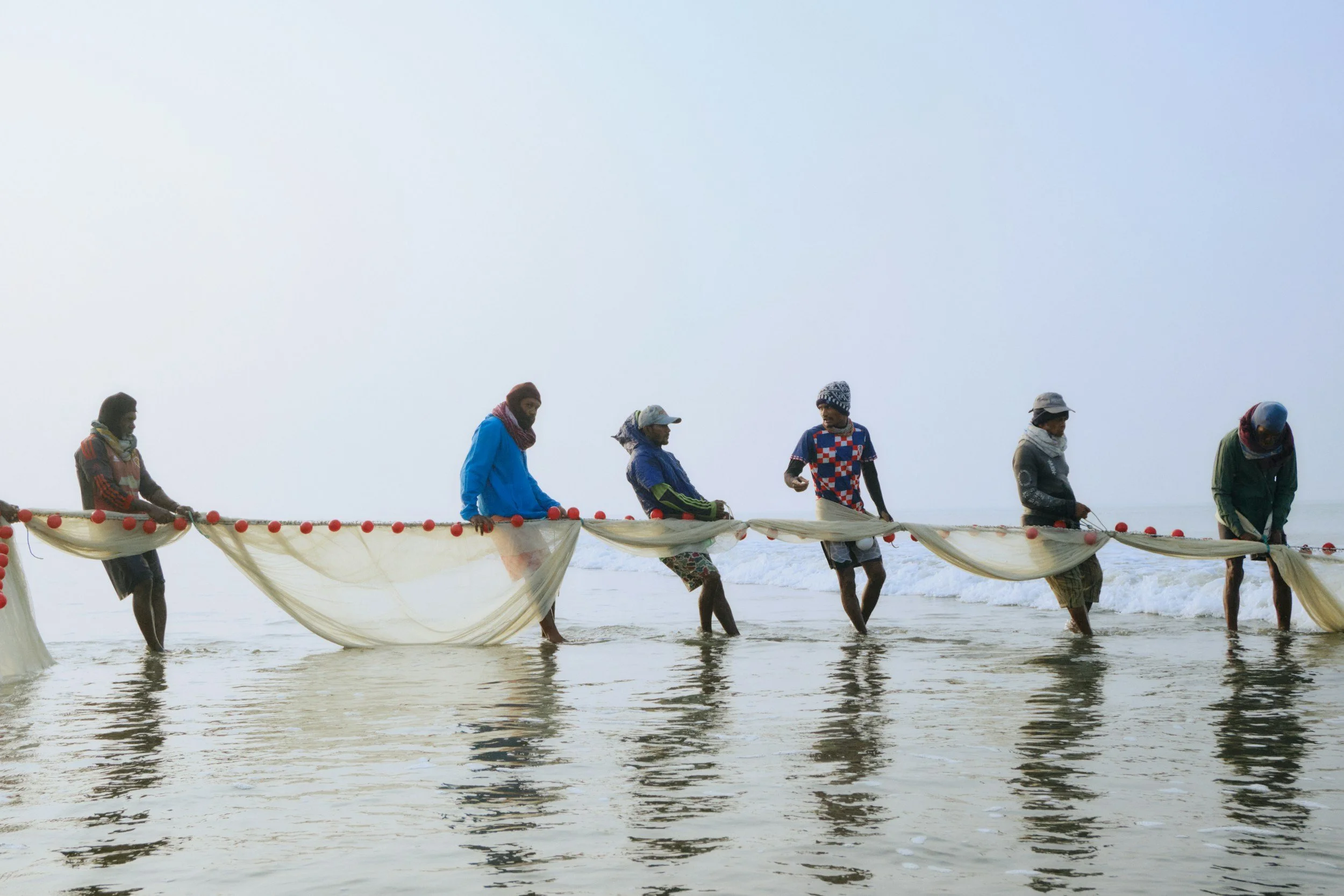
Traditional fishing usually means fishing knowledge and skills that are passed down in a community over many years. It often includes:
Knowing local species, like which fish live in shallow water, which stay deep, and which move with the seasons.
Working with seasonal rhythms, like rainy seasons, snow seasons, salmon runs, and times when shellfish are safest to gather.
Using tools that are low tech, repaired by hand, and shaped for a local place.
It is not the same as “old-fashioned” in a silly way. Many traditional fishers can tell you more about winds and currents than a weather app can. Traditional fishing is also not always tiny or small scale. Some communities fish together in large groups, using big nets or special structures. What makes it “traditional” is the shared local knowledge and the way the method fits into community life.
Low Tech Methods Used Worldwide
Across the world, people tend to use a few core methods again and again, even if the gear looks different. The main idea is always the same: understand where the fish will be, and use a tool that matches the habitat.
The big low tech methods include spearfishing, angling with lines and hooks, ice fishing, trapping, hand gathering, netting, and a few special methods like kite fishing. Each one has strengths and weaknesses. Some are very selective, meaning you can choose what you take. Others are better for feeding a group but require extra care to avoid taking too many fish or catching the wrong species.
Spearfishing
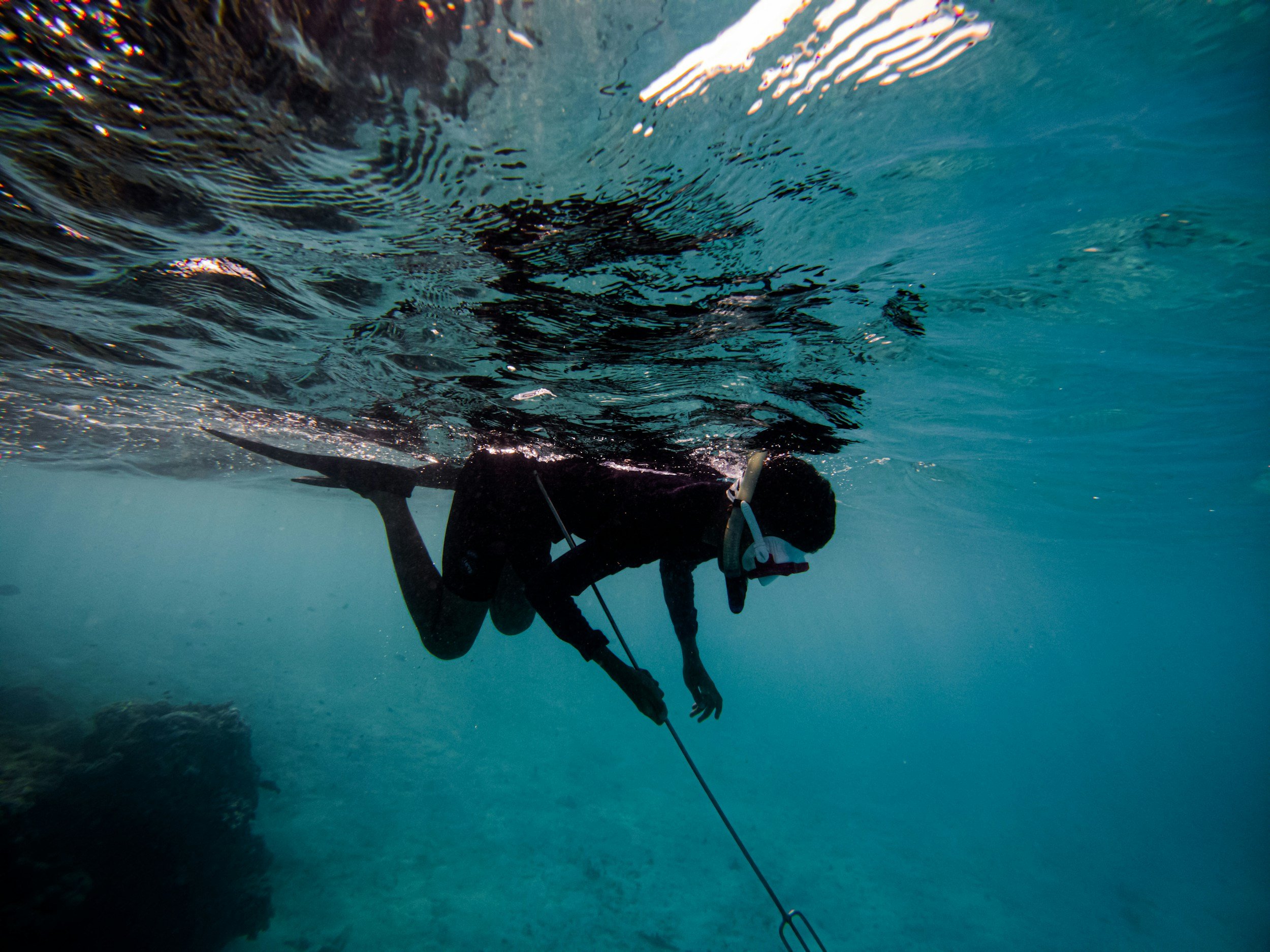
Spearfishing is one of the oldest fishing methods humans have used. People use a spear while swimming, free diving, or standing in shallow water. In some places, fishers use a spear gun, and in others they use a hand spear or pole spear.
Free Diving And Shallow Reefs
On reefs and rocky shores, a diver can move slowly and watch fish behavior up close. This can make spearfishing very selective. You can choose a fish that is the right size and species, and you can leave protected fish alone. That is a big reason many people respect it.
But it also takes skill and safety knowledge. Free diving can be dangerous if a person pushes breath holding too far or dives alone. Many responsible spearfishers follow a buddy system, watch weather, and avoid risky conditions like strong currents or low visibility.
Selective Harvest
Selective harvest means you do not just “catch whatever bites.” You decide what to take. Spearfishing can do that well, especially in clear shallow water. Still, rules matter. Some places limit spearfishing in certain zones or during certain seasons to protect fish populations.
Angling
Angling means fishing with a line and hook, using a rod, a handline, or a reel. It is popular around the world because it is flexible. You can fish from shore, from a boat, from a dock, or even through the ice.
Rods, Handlines, Bait, And Lures
A rod helps you cast farther and control the line. A handline is even simpler: just line wrapped on a spool or held carefully in your hands. Both methods can use bait, like worms, insects, or cut fish, or lures, which are fake baits made to look like food.
In rivers, anglers often place a bait where fish drift by. In oceans, they might use heavier sinkers or special rigs to deal with waves and currents. In lakes, they may fish near plants or drop offs where fish like to hide.
Regional Variations
Angling changes a lot depending on where you are. In some areas, people fish with small hooks for tiny fish that are later dried or cooked in soups. In other areas, they use strong gear for large fish that make long runs. Even the same species can be fished in different ways based on local conditions, like how clear the water is and what the fish eat.
Ice Fishing
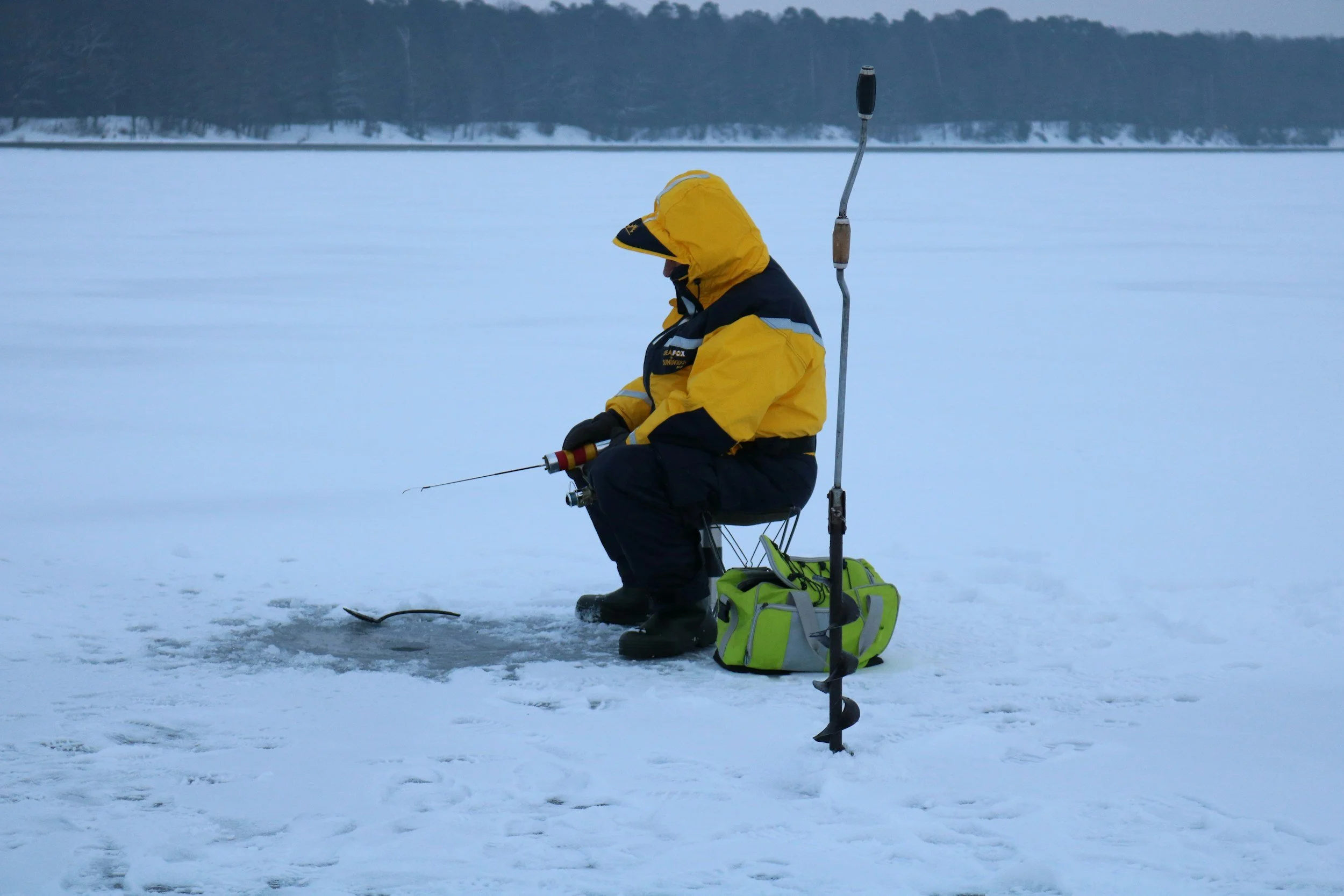
Ice fishing happens where lakes and rivers freeze thick enough to walk on. People drill or cut a hole in the ice and fish through it. This can look calm and quiet, but it takes planning.
Tools And Sheltering
Common tools include an ice auger for making holes, a scoop for clearing slush, and short rods or tip ups that hold a line. In many places, people use shelters to block wind and keep warm. Some shelters are simple windbreaks, and some are small tents made for ice.
Safety On Frozen Waters
Ice safety is serious. Ice can be uneven, especially near moving water, springs, or areas with changing temperatures. Many safety guides warn people to check ice thickness, avoid fishing alone, bring ice picks, and carry a rope or flotation gear when conditions are uncertain. Local advice matters because each lake freezes differently.
Trapping
Trapping uses a structure that fish enter but have trouble leaving. Traps can be made from woven reeds, wood, wire, or netting. Some are fixed in one place, and some are portable.
Fixed And Portable Traps
A fixed trap might be placed in a river channel where fish pass through. A portable trap might be set and later picked up, like a small fish or crab trap. The design depends on the species. For example, a trap for fish may guide them through a funnel, while a trap for crustaceans may use bait inside.
Placement And Targeting
Traps work best when placed where animals already travel, like along the edge of a channel, near rocks, or in a tidal area where water moves in and out. Skilled trappers learn to read these routes. They also learn when to leave traps alone to avoid overfishing or stressing the area.
Hand Gathering
Hand gathering includes collecting shellfish, seaweed, and crustaceans by hand along shorelines, tide pools, and shallow flats. It can be done with simple tools like small rakes, baskets, or gloves, but the main tool is careful attention.
Shellfish And Shoreline Foraging
Many shellfish live in sand or attach to rocks. Some are gathered at low tide when the water pulls back and reveals the shoreline. People may collect clams, mussels, oysters, or snails, depending on the region.
This method can be gentle on the environment when done responsibly. But it also has risks, like sharp shells, slippery rocks, and unsafe water quality. In many places, health agencies warn about harmful algae blooms that can make shellfish unsafe at certain times. Following local notices is part of safe tradition, not the opposite of it.
Netting
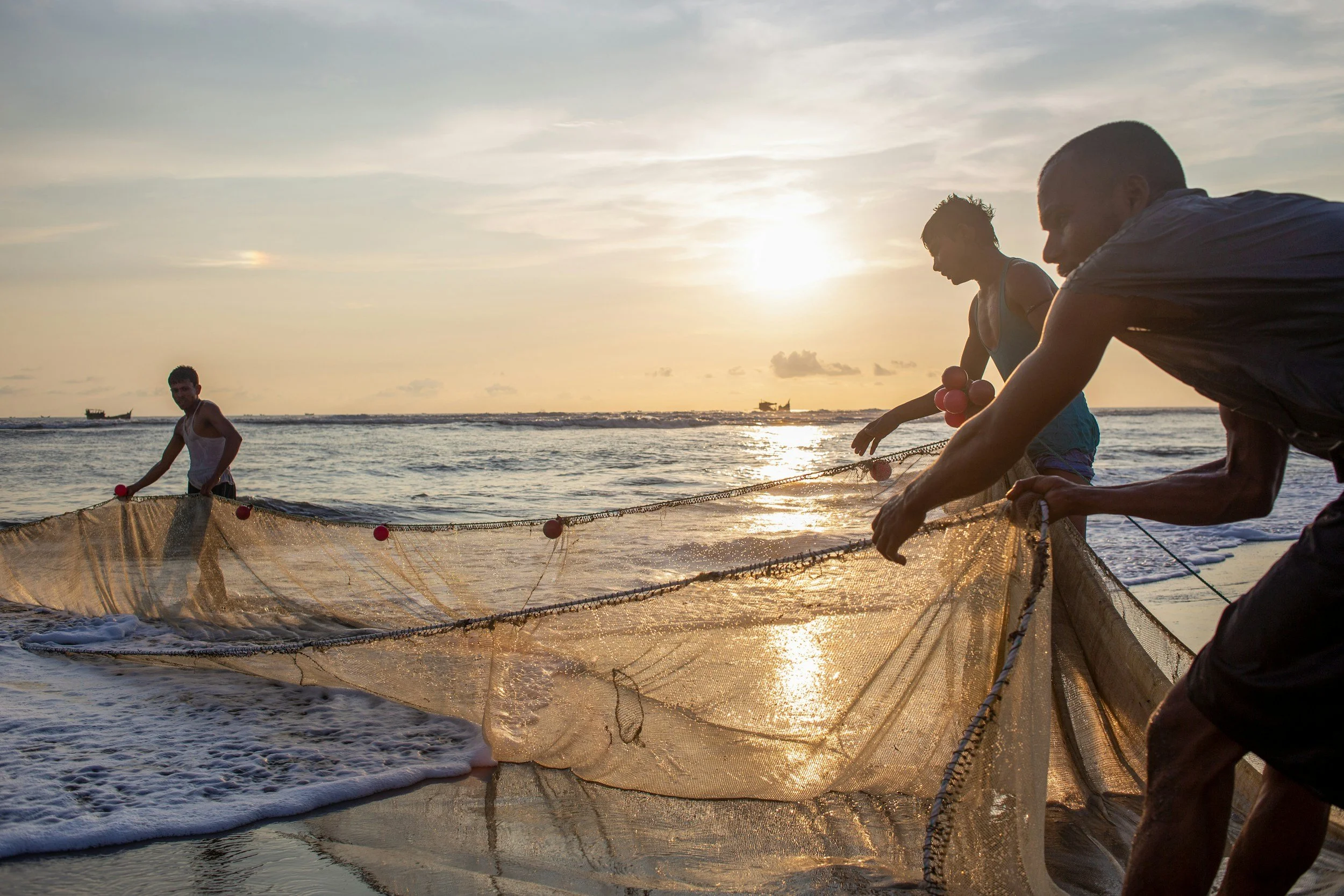
Netting is one of the most powerful fishing methods because it can catch many fish at once. Nets can be small, like a cast net thrown by one person, or large enough for a group to handle together.
Cast Nets, Gill Nets, And Drag Nets
A cast net is thrown in a circle and sinks, trapping fish underneath. Gill nets are set in the water so fish get caught when they try to swim through. Drag nets, often called seines, are pulled through water to surround fish.
Because nets can be so effective, they also require careful rules and good judgment. Mesh size matters because it affects which fish are caught. Location matters because nets can harm sensitive habitats if dragged across the wrong area.
Communal Net Work
In many coastal and river communities, netting is a team job. People may coordinate roles: some hold one end, some pull, and some sort the catch. That teamwork turns fishing into a community event. It can also spread responsibility, because a group can decide together to stop when they have enough.
Kite Fishing
Kite fishing uses wind to carry a line and bait out over the water. The kite acts like a helper that can place bait where fish are feeding near the surface, sometimes beyond where a person can cast.
This method is not used everywhere, because it depends on steady wind and open space. Where it is used, it shows how fishing can be creative. Instead of using a motor to reach a spot, fishers use the wind.
Africa
Africa has deserts, rainforests, big rivers, long coastlines, and high mountains. That means fishing traditions are very different from place to place. A method that works in a calm delta may not work in a fast river. A method that fits a rocky Atlantic coast may not fit a wide floodplain.
Instead of one single “African style,” it makes more sense to look at how people adapt to their environments and local fish species.

Egypt’s Nile Delta Net Fishing
The Nile Delta is where the Nile River spreads out before meeting the Mediterranean Sea. This mix of river and sea influences fishing, because some species prefer fresher water and others prefer saltier water.
Net fishing is common in delta and coastal areas around the world because nets can cover wide water and catch schooling fish. In the Nile Delta region, fishers use nets in waterways and near the coast, adjusting to currents and shallow areas. Species can include fish that live in brackish water, which is water that is partly salty and partly fresh, as well as coastal Mediterranean species.
Because deltas can change with seasons and water flow, fishers often rely on local knowledge about where channels shift and where fish gather.
Central Africa Trap Fishing
Central Africa includes large river systems and floodplains, where water levels can rise and fall strongly with rainy seasons. In flood seasons, fish may spread out into flooded grasslands and forests. When water levels drop, fish may move back into channels and deeper pools.
Traps can be useful in these settings because they can be placed in narrow paths where fish travel as water moves. River traps can be made from local materials or modern ones, but the idea stays similar: guide fish into a space where they can be collected later.
Timing is key. If you set traps at the wrong time, you might catch very little. If you set too many traps in an important pathway, you could catch too much. Traditional knowledge helps communities find balance, often through shared rules or habits about where and when to fish.
Morocco Fly Fishing Traditions
Morocco has mountains and rivers that support trout in some areas. Fly fishing is a method of angling that uses a lightweight lure called a fly, often made to look like insects. The fly floats or drifts in a way that can trick fish into biting.
Fly fishing requires careful casting and observation. Fishers watch how water moves, where insects land, and where fish rise to feed. In many trout streams around the world, including in North Africa, local customs can include respect for certain pools, sharing space, and fishing at times that match insect hatches and water temperature.
Rules and access can vary, so visiting anglers need to learn local regulations and seek permission where needed.
Europe
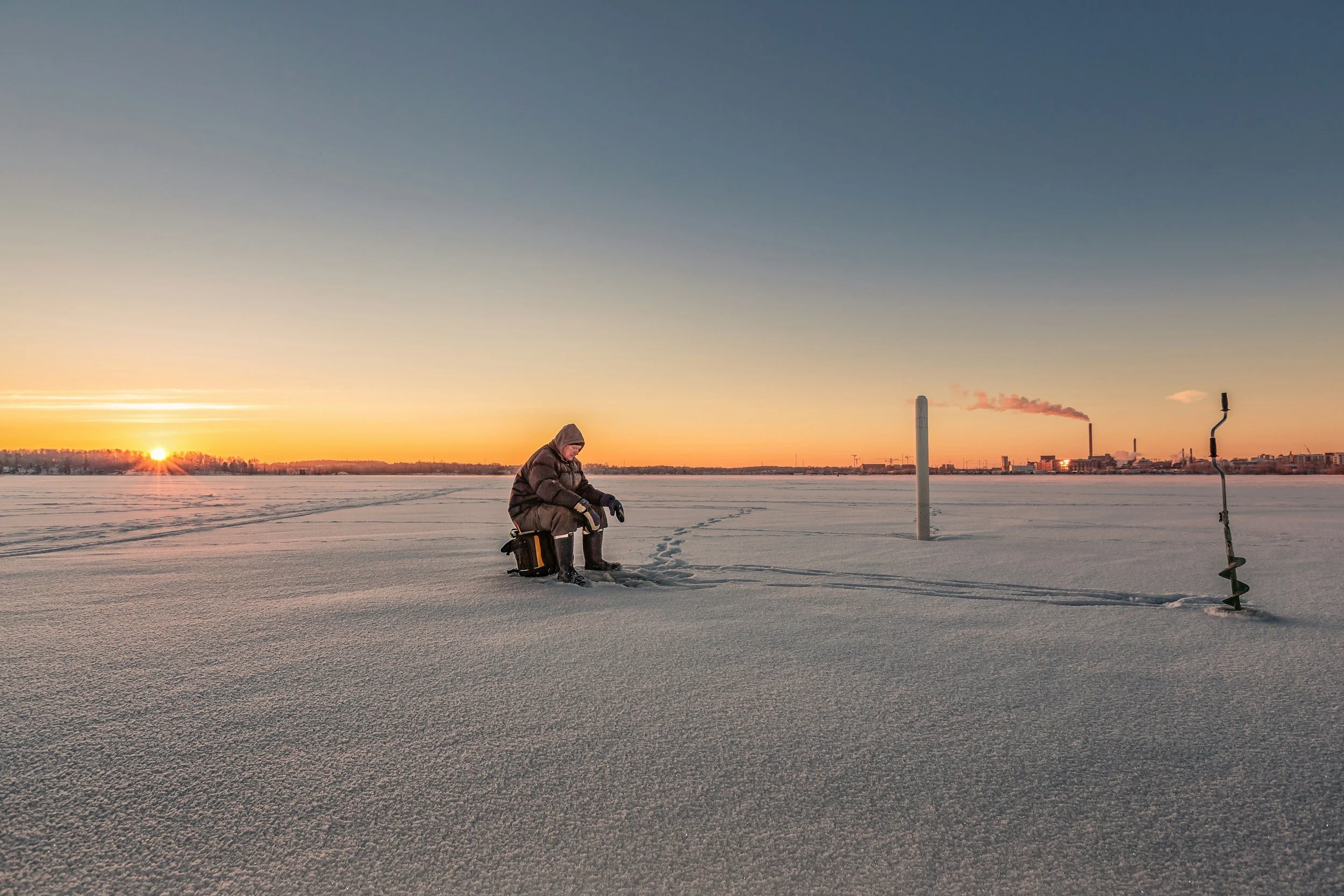
Europe has long coastlines, cold northern waters, warm southern seas, and many rivers shaped by glaciers and mountains. Fishing traditions include ice methods in the north and coastal structures in the south, along with many forms of netting and line fishing everywhere.
Scandinavia Ice Fishing Traditions
In parts of Scandinavia, winter can freeze lakes solid, making travel across ice possible. Ice fishing becomes a way to reach fish during months when boats cannot move.
People often plan ice fishing trips with a focus on safety. Communities may share knowledge about which lakes freeze first, where currents keep ice thin, and when spring melt starts to weaken the surface. Ice fishing can also be social. Friends and families may gather, drill several holes, and move between them to find active fish.
Even when modern gear is used, the tradition is still based on reading the season and understanding ice, which is a skill learned over time.
Italy’s Trabucco Systems
Along parts of Italy’s coast, especially the Adriatic, there are traditional fishing structures called trabucchi. A trabucco is a wooden platform built out over the water, with long arms that hold a large net. Fishers can lower the net into the sea and raise it when fish swim over it.
This is a beautiful example of fishing that is shaped by shoreline geography. Where the coast is rocky and drops into the sea, a fixed platform can let fishers work without needing to launch a boat every time. It also shows how fishing and architecture can mix. The structure itself is a tool.
Today, some trabucchi are preserved as cultural heritage, and in some places they are also connected to tourism and local food culture. Where they are used for fishing, they still depend on understanding waves, weather, and fish movements near the shore.
UK Haaf Netting
Haaf netting is a traditional form of net fishing practiced in parts of the United Kingdom, especially in areas like the Solway Firth. Fishers use a large net held in a wooden frame and wade into tidal waters to intercept fish moving with the tide.
Tidal Timing And Wading
This method depends on timing the tide. Fishers learn where channels form and where fish are likely to pass as water moves in or out. Wading is hard work and can be dangerous if someone is caught by fast rising water or deep mud. Local knowledge and caution are a big part of doing it safely.
Regulated Heritage Fisheries
In many places, haaf netting is regulated to protect fish populations, especially migratory fish like salmon. Rules may include seasons, catch limits, and licenses. That is a good reminder that keeping a tradition alive often means adjusting it to modern conservation needs.
Asia
Asia includes huge river systems, island chains, and busy coasts where fishing has fed people for thousands of years. Many Asian fishing traditions show careful craftsmanship, from boat building to net making, and sometimes include partnerships with animals or clever use of wind and current.
Japan’s Cormorant Fishing
Cormorant fishing, called ukai in Japan, is a method where trained cormorants help catch fish. Fishers manage the birds using lines and work from boats, often at night with lights. The birds dive and catch fish, and the fisher guides them back.
This practice is also known for its ceremonial side in certain places. It can be part of festivals and cultural events, with special clothing and boats. It is important to note that today, in some areas, cormorant fishing is mainly maintained as cultural heritage and tourism rather than a main way to feed a community. That does not make it “fake.” It means the tradition has shifted roles as economies and food systems changed.
Because it involves animals, it also raises questions people care about, like animal welfare and how birds are treated. Understanding the tradition includes listening to local rules and local voices.
China’s Bamboo Raft Fishing
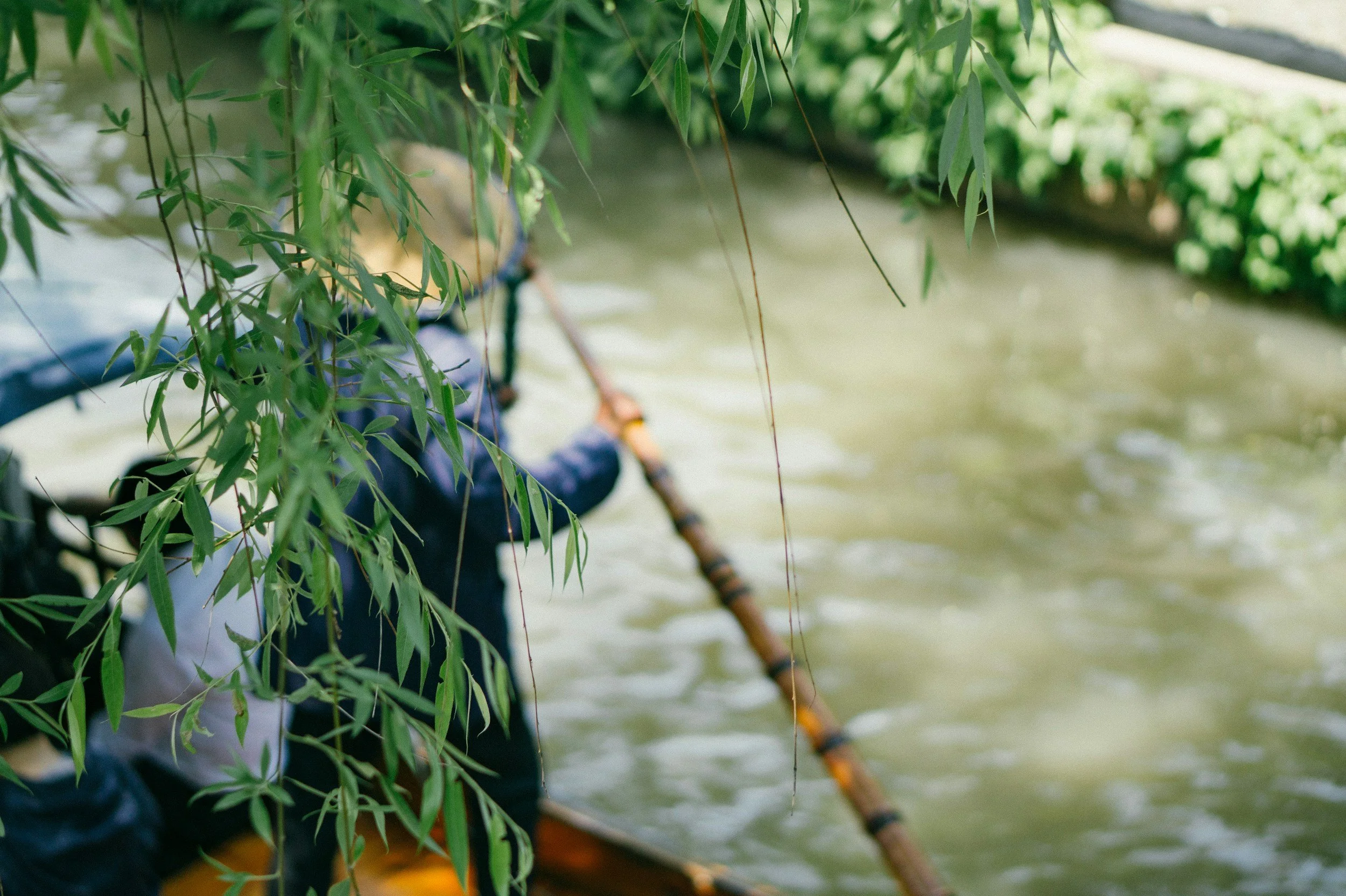
In parts of China, bamboo rafts have long been used on rivers. Bamboo is strong, light, and available in many regions. A raft can be quiet on the water, which helps when approaching fish in shallow areas.
Fishers using rafts often rely on poles or paddles to steer, and they may fish with lines or nets depending on the river and the season. River work requires reading currents, eddies, and shallow gravel bars. A raft is not just transportation. It is a fishing platform that matches the river’s character.
It is also a reminder that a “boat” does not have to be a high powered machine to be useful. In the right hands, a simple raft can be precise and safe.
Indonesia Kite Fishing
Indonesia is made of many islands, and coastal life is deeply connected to wind and sea. Kite fishing in parts of Indonesia uses steady coastal winds to hold bait near the surface. Fish that feed near the top of the water can be tempted by a bait that skips or dances.
Coastal Winds And Gear Construction
Kite fishing gear can include a handmade kite, line, and a rig that connects bait to the line in a controlled way. The kite must be strong enough for ocean wind and stable enough to keep the bait where it should be. That means kite building is part of the tradition, not just fishing.
Baiting And Technique
Bait choice depends on local species. Fishers also pay attention to waves and the direction of the wind. If the wind shifts, the bait may move away from the target zone. Good kite fishers learn to adjust quickly, almost like they are sailing, but with a line instead of a boat.
Oceania
Oceania includes Australia, New Zealand, and many Pacific islands. Reef and lagoon fishing is especially important in many island communities, where shallow water habitats can provide food close to home. These areas can also be sensitive. Reefs grow slowly and can be harmed by pollution and overfishing.
Fishing traditions here often include strong rules about where and when to take fish, sometimes managed through community systems and shared responsibility.
See also: Preparing Fish for the Grill or Smoker

Australia Spearfishing Heritage
Australia has a long coastline with many reef systems and rocky shores. Spearfishing has been practiced in different ways over time, including by Indigenous Australians and by later coastal communities. What stays the same is that reef fishing requires knowledge.
Reef Knowledge And Safety
Reef fish do not spread out evenly. They gather around ledges, holes, and patches of coral or rock. A skilled spear fisher learns to move quietly, watch for signs of fish life, and understand how tides change visibility and current.
Safety is also central. Conditions can change fast. Responsible divers plan around swell, boat traffic, sharks, and their own limits. Many places have rules about which species can be taken and what gear is allowed. Following those rules protects both fish populations and the reputation of the fishing community.
Selective Fishing
Like other places, spearfishing can be selective in Australia. That can be a strong point when done with care. Still, selectivity only helps if the fisher chooses wisely and obeys protected species rules and marine park boundaries.
Polynesia Net Casting
In many Polynesian communities, fishing is not only an individual activity. It can be a family and community effort, especially in lagoons where nets can be used without heavy boats.
Lagoon Coordination
Casting and pulling nets in shallow lagoons takes coordination. People may spread out to guide fish toward a net, or time a pull when fish move with the tide. This kind of teamwork turns fishing into a shared task, like a community dance where everyone knows their part.
Family Roles
In some communities, different family members may handle different jobs like carrying gear, watching the water for fish movement, or sorting the catch. These roles teach kids early that fishing is not only about the moment of catching. It is also about preparation, patience, and sharing.
Because lagoon ecosystems can be fragile, many islands also have rules, both formal and informal, about not taking too much and avoiding key breeding times.
New Zealand Line Fishing Traditions
New Zealand has strong shore fishing and boat fishing traditions. Line fishing is common because it works in many places, from rocky coasts to sandy beaches to deep bays.
Local fishers often focus on species that are common in their region and adjust gear based on conditions. Rocky shores might call for tougher line and careful casting to avoid snags. Sandy beaches might involve casting into channels where waves create deeper water.
New Zealand also has a strong culture of following fishing regulations, including size limits and daily bag limits for certain species. These rules support healthy fisheries and help make sure traditions continue.
Americas
The Americas stretch from the Arctic to the tropics, with every kind of water habitat you can imagine. Fishing traditions include cold water trolling, warm river trapping, and coastal netting. Many methods have Indigenous roots and deep local histories, and they also exist alongside modern sport and commercial fishing.
Native Alaskan Trolling
In Alaska, cold waters and long coastlines shape fishing. Trolling is a method where lines with bait or lures are pulled through the water behind a moving boat. It can be used to target fish that travel, including salmon in certain situations.
Traditional knowledge in Alaska includes understanding seasonal migrations, sea conditions, and safe travel in cold water. Cold water can be dangerous quickly if someone falls in, so safety gear and careful planning matter a lot.
It is also important to recognize that Alaska Native fishing traditions are diverse and vary by region and people. No single method represents everyone. Local knowledge is tied to local waters.
United States Seine Fishing
Seine fishing uses a long net to surround fish. In the United States, seines have been used in rivers and along shorelines, including for small fish used as bait and for larger fish in certain areas.
Group Coordination
Seining often takes a team. People must hold the net ends, keep the bottom edge from lifting, and pull evenly. If one side moves too fast, fish may escape. If the net drags over sensitive habitat, it can cause damage. Skilled teams learn to read the bottom and pick the right place.
Changes Over Time
Today, many places regulate seining because it can be very effective. Some waters allow it only for certain bait fish, and some restrict net sizes or seasons. This is one example of how a traditional method can continue, but with new limits meant to protect ecosystems.
Amazon Trap Fishing
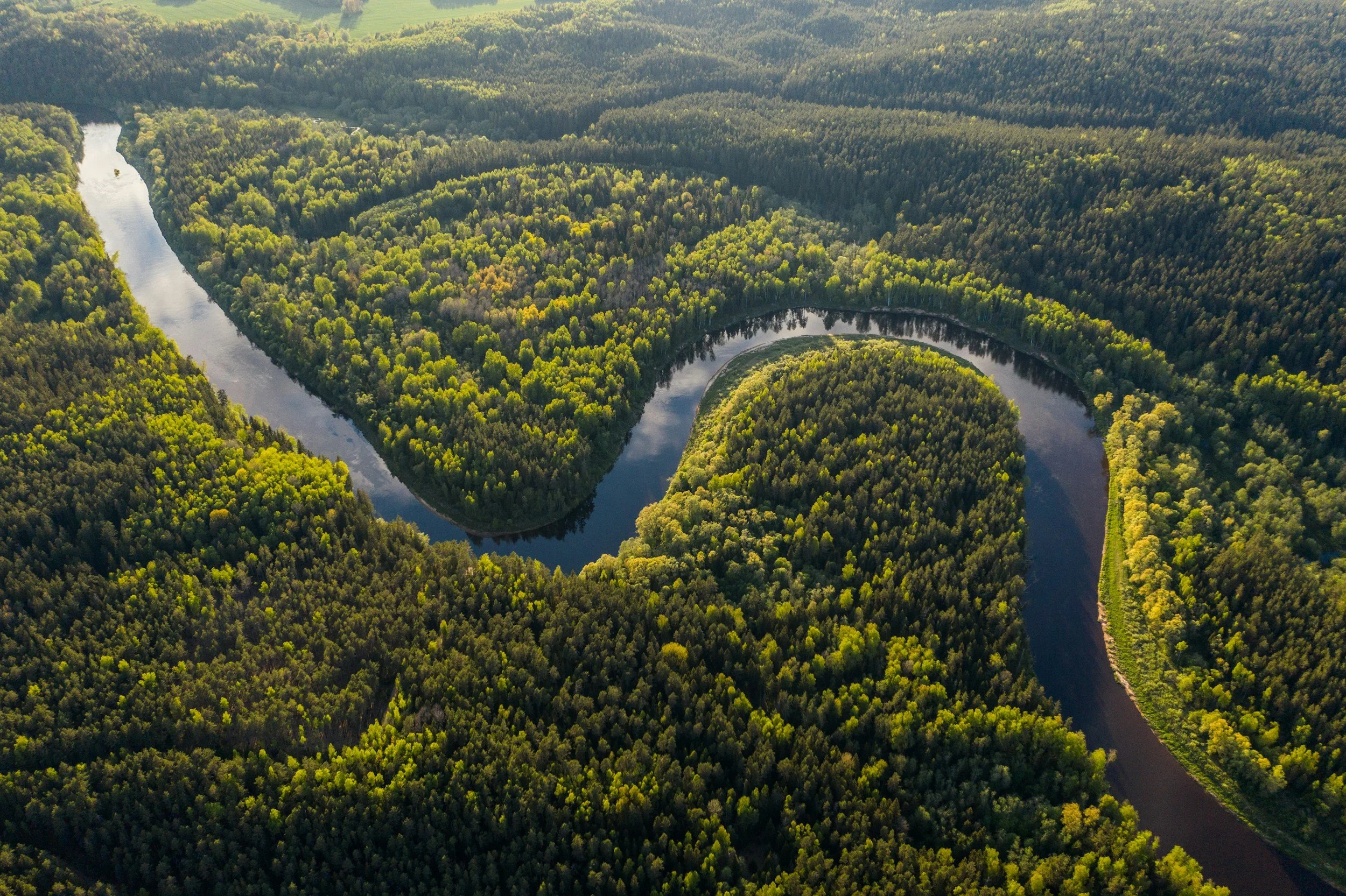
The Amazon region includes huge river networks and flood cycles that change the land like a breathing lung. During floods, water spreads into forests. During low water, rivers shrink back and fish concentrate.
Traps can be used in channels and smaller waterways, and timing matters because fish movement follows the flood cycle. Fishers who know the patterns can set traps in places where fish travel between flooded areas and main channels.
Because the Amazon is so diverse, it is hard to speak about one single “Amazon trap” design as if it is universal. What can be said carefully is that flood timing, river knowledge, and local materials play a major role in how trapping is done.
How To Learn From Traditional Techniques Today
Traditional fishing is not a museum display. It is a living set of skills. Even if you do not live in a fishing village, you can still learn from the mindset behind these methods.
One lesson is patience. Traditional methods often require waiting for the right moment, not forcing the catch. Another lesson is noticing details. People who fish the same water for years learn to spot small changes, like how a tide line moves or when birds start feeding.
You can also learn respect for tools. A net is not just something you buy. It is something you care for, repair, and store properly. A hook is not just sharp metal. It is a tool that should be used in a way that reduces harm when you plan to release fish.
Sustainability Lessons
Sustainability is a long word, but the idea is simple: take care of the water so it can take care of people. Traditional fishing often includes built in limits, even when they are not written down.
Selectivity
Methods like spearfishing and careful angling can be selective. You can choose species and size. That helps protect young fish that need time to grow and breed.
Effort Limits
Some traditional methods are hard work. That work naturally limits how much can be taken in a day. This does not magically solve overfishing, but it can slow the pace compared to methods that can harvest huge amounts quickly.
Respect For Breeding Seasons
Many fishing communities know times when fish are breeding or migrating and avoid heavy harvest during those times. Modern laws often match this idea with closed seasons and protected spawning areas. When tradition and science agree, that is a strong sign we should pay attention.
Skills To Practice Responsibly
Even simple fishing takes skill. Practicing these skills helps you fish more effectively and more safely, and it can reduce waste.
Knots And Rigging
Knots matter because they keep fish from being lost with hooks and line still attached. Learning a few strong knots and tying them carefully is both a success skill and a kindness to wildlife.
Gear Maintenance
Traditional fishers often repair gear instead of replacing it. Cleaning salt off reels, drying nets, sharpening hooks, and checking lines for wear can make gear last longer and work better.
Reading Water
Reading water means noticing currents, depth changes, rocks, plants, and where fish might rest or feed. In rivers, fish may hold behind rocks to save energy. In lakes, they may cruise edges where shallow meets deep. On coasts, fish may follow tide lines and channels.
Weather And Tides
Weather and tides can change everything. Wind can stir up water and reduce visibility. Storms can make waves unsafe. Tides can expose sandbars or fill channels quickly. Many traditions are really about timing, and timing depends on nature’s schedule.
Rules, Rights, And Etiquette When Fishing Abroad
Fishing laws can change a lot from place to place. So can local expectations. A visitor who ignores signs or acts careless can cause real harm, not just to fish, but also to trust between communities.
A good traveler treats fishing like entering someone else’s home. You learn the house rules first.
Licensing And Permits
Many countries and regions require a license for freshwater fishing, saltwater fishing, or both. Some places have separate permits for certain species, like salmon or trout. Some have special tags that must be reported. Even within one country, rules can vary by state, province, or river system.
Common things that change include:
Whether you can fish at night.
Whether you can use bait or only artificial lures.
Whether certain nets or traps are allowed.
How many fish you can keep in a day.
If you are not sure, do not guess. Check official sources, ask local offices, or speak to a local guide.
Protected Areas And Species
Protected areas can include marine parks, wildlife refuges, and closed rivers. Sometimes the boundary is marked by signs. Sometimes it is marked only on maps.
Protected species rules may include no take lists, size limits, and rules about releasing fish quickly. Gear restrictions can also protect wildlife, like rules about barbless hooks or bans on certain net types.
These rules can feel strict, but they exist because fish and habitats can be damaged faster than they can recover. A reef can take a long time to regrow. A slow growing fish population can take years to rebuild.
Local Customs That Affect Success And Acceptance
Even if you follow the law, you can still upset people if you ignore local customs. Customs are not always written, but they matter because they shape how a community shares water and space.
Below are a few examples where etiquette often matters. These are not meant to replace local advice. They are meant to show what kinds of things to pay attention to.
Hawaii
In Hawaii, fishing is connected to deep cultural traditions and to local food systems. Visitors should be careful about where they fish and how they act.
A respectful approach includes giving people space, keeping noise low, and not blocking shoreline access. It also means not taking more than you can use and being careful around tide pools and reef areas that can be easily damaged by trampling.
If locals are fishing a spot, do not crowd in. Ask politely if it is okay to fish nearby. If someone says no, move on. That simple choice can prevent conflict and shows you understand that you are a guest.
Mexico
In parts of Mexico, fishing access can involve community rules, private property boundaries, and local expectations about respect and permission. In coastal areas, you may find that the beach is open in many places, but access paths, docks, or nearby land may be controlled by someone.
Visitor etiquette includes asking before entering areas that look like they belong to a local group, not leaving trash, and following any posted rules. If you hire a guide, ask them to explain local expectations, not just where the fish are.
Also, remember that some waters may have different rules depending on whether you are fishing from shore, from a boat, or in protected zones. Checking regulations ahead of time is part of good manners, because it keeps you from putting locals in an awkward spot.
Northern Ireland
Northern Ireland has specific rules for certain types of fishing, especially for salmon and sea trout in many areas. Licensing and permits can be required, and some waters are managed with clear regulations.
The best etiquette here is simple: get the right license, follow season dates, and respect local fisheries rules. If an officer or local manager checks your paperwork, being prepared shows respect for the fishery and the people protecting it.
Even for casual anglers, taking time to learn the basics is worth it. It keeps traditions alive by keeping fisheries healthy and well managed.
Checklist Before You Fish Somewhere New
Before you fish in a new place, slow down and do a little homework. This protects you, protects the fish, and helps you be welcomed back.
Research official regulations from a government site or local fishery office. Do not rely only on social media posts.
Ask locals or guides about conditions, hazards, and unwritten rules. Listen more than you talk.
Follow signage, including temporary closure signs, which can appear for conservation or safety reasons.
Document permissions if needed. If a permit, landowner permission, or special pass is required, keep proof with you.
Check health and safety notices, especially for shellfish gathering and water quality warnings.
Plan for weather and tides, and have a way to leave safely if conditions change.
Conclusion
Fishing traditions around the world are not all the same, but they share a common heart. They are built on close attention to nature, on tools shaped for local water, and on lessons passed from one person to the next.
Spearfishing shows the power of selectivity and skill. Angling shows flexibility and patience. Ice fishing proves that people can adapt to extreme seasons with knowledge and care. Traps, nets, and hand gathering show how food can be collected in ways that fit a place’s land and water. Kite fishing reminds us that wind can be a partner, not an obstacle.
If you want to learn from these traditions, the best path is simple. Fish safely. Fish legally. Fish respectfully. Learn the local rules. Take only what you need. And remember that every river, reef, and shoreline has its own story, written by the people who have lived with it for generations.

⚠️Ships out within 1 - 2 weeks
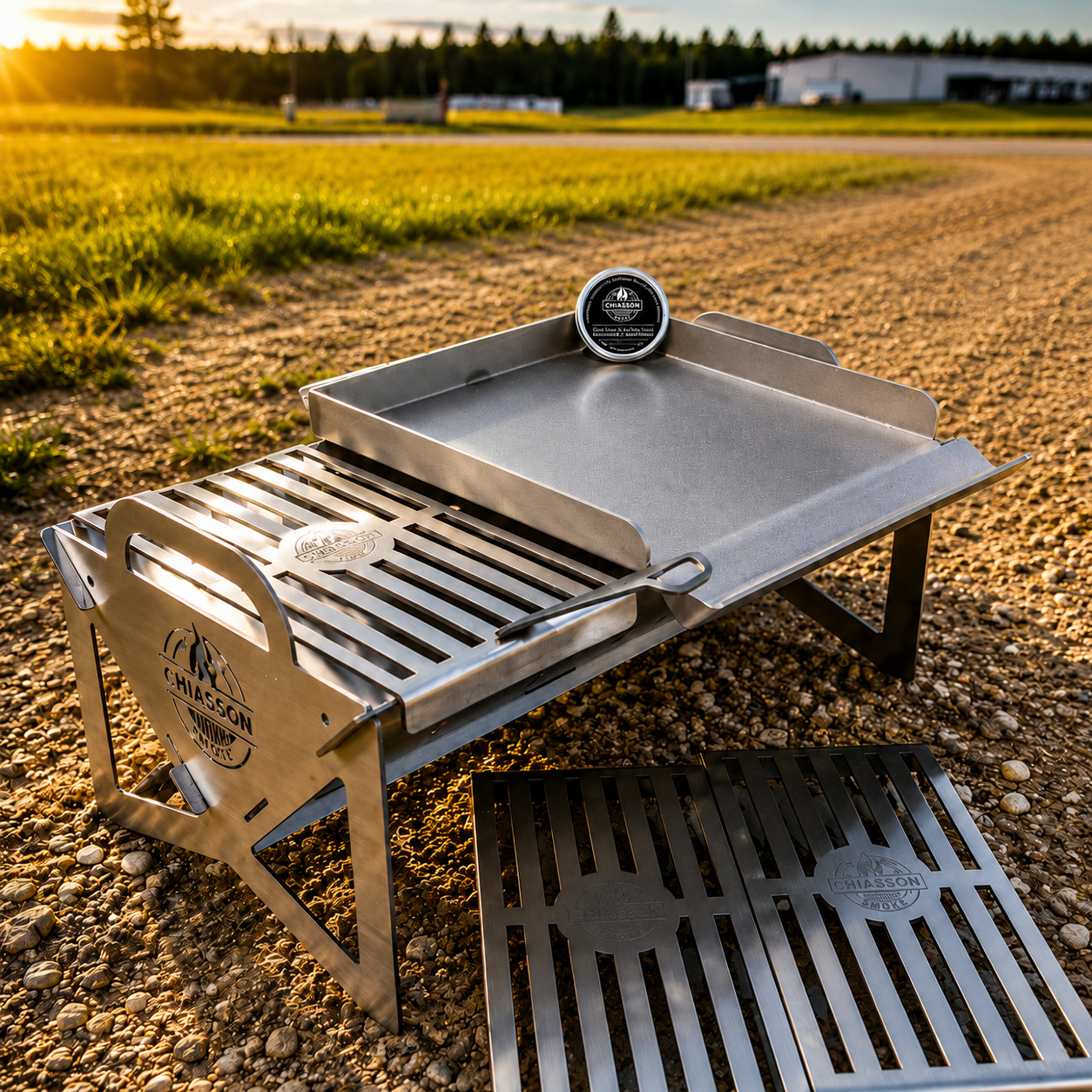
Introducing The Ultimate Package, designed to bring luxury and convenience to your outdoor cooking experience. This premium package includes a 6-inch rocket stove that comes with smooth-rolling casters for effortless mobility, a 16-inch grill top, and a 16-inch griddle top. It also comes with a custom-fit grill cover to protect your stove when not in use, along with a fire starter kit to make lighting your fire quick and easy. The Ultimate Package has everything you need to cook in style and comfort. Save $100 when you buy the ultimate package, worth $1,000!!