
What Is The Best Time To Go Fishing?
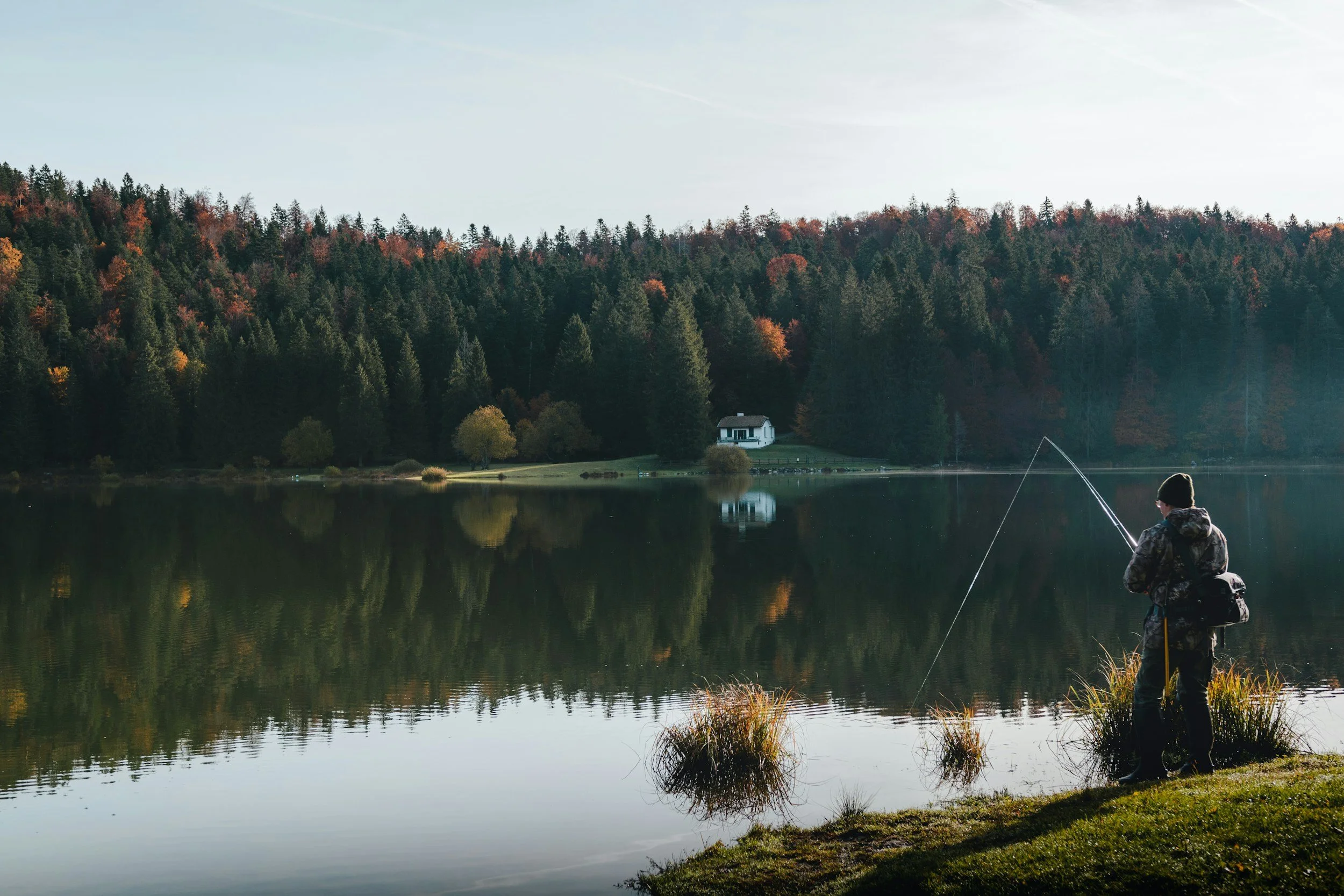
Fishing has a funny way of making time feel different. Some days you fish for three hours and it feels like ten minutes. Other days you fish for ten minutes and it feels like three hours. So when people ask, “What is the best time to go fishing?” they are really asking a bigger question: “When do fish feel like biting, and how can I show up at the right moment?”
This article is about choosing the best fishing times by mixing three things: the season, the time of day, and the clues nature gives you. You do not need a fancy lab to do it. You just need to pay attention, make a plan, and stay safe. And of course, having your fishing gear ready would be smart, too!
What Does “Best Time” Mean?
“Best” depends on what you want.
If your goal is to catch a lot of fish, you might choose times when fish are most active and willing to chase. If your goal is one big fish, you might pick a slower time of year when fewer bites happen, but the bites can be heavier. Comfort matters too. Fishing in the cool morning might feel better than fishing in the hottest part of the day. Safety matters most of all, because lightning, cold water, and extreme heat are not things to play with.
Also, every lake, river, and pond has local patterns. A place with lots of boat traffic might fish better early. A small pond with clear water might fish better when clouds dim the sun. “Best time” is not one magic hour on a clock. It is the time when fish, water, and weather all line up with your goal.
Big Drivers That Control Bite Windows
Fish do not follow your schedule. They follow their own needs. Most of the time, those needs are about food, comfort, and safety. The biggest drivers below help decide when fish move and when they feed.
Water Temperature And Seasonal Shifts
Water temperature is a big deal because fish are cold-blooded. That means their body temperature matches the water. When water warms or cools, fish change how fast they move and how often they eat.
Seasonal transitions can be powerful because they push fish to change locations. In many places, spring warming pulls fish shallow. Summer heat can push fish deeper or into shade. Fall cooling often brings fish back to chasing food in shallower areas. Winter cold usually shrinks the feeding windows, but it does not stop them completely.
Stable Weather Vs Rapid Changes
Stable conditions often lead to more predictable fishing. If the weather has been about the same for a few days, fish can settle into a routine. That makes it easier to find them and repeat a pattern.
Rapid changes can still be good, but they can also scramble things. A sudden cold snap can slow fish down. A quick warm spell can pull them shallow for a short time. When the weather flips fast, it pays to think in smaller pieces. Fish might bite in short bursts instead of all day.
Barometric Pressure And Weather Fronts
Barometric pressure is the weight of the air pressing down. You do not have to memorize numbers to use it. Just understand this: approaching and passing weather systems often change how fish act.
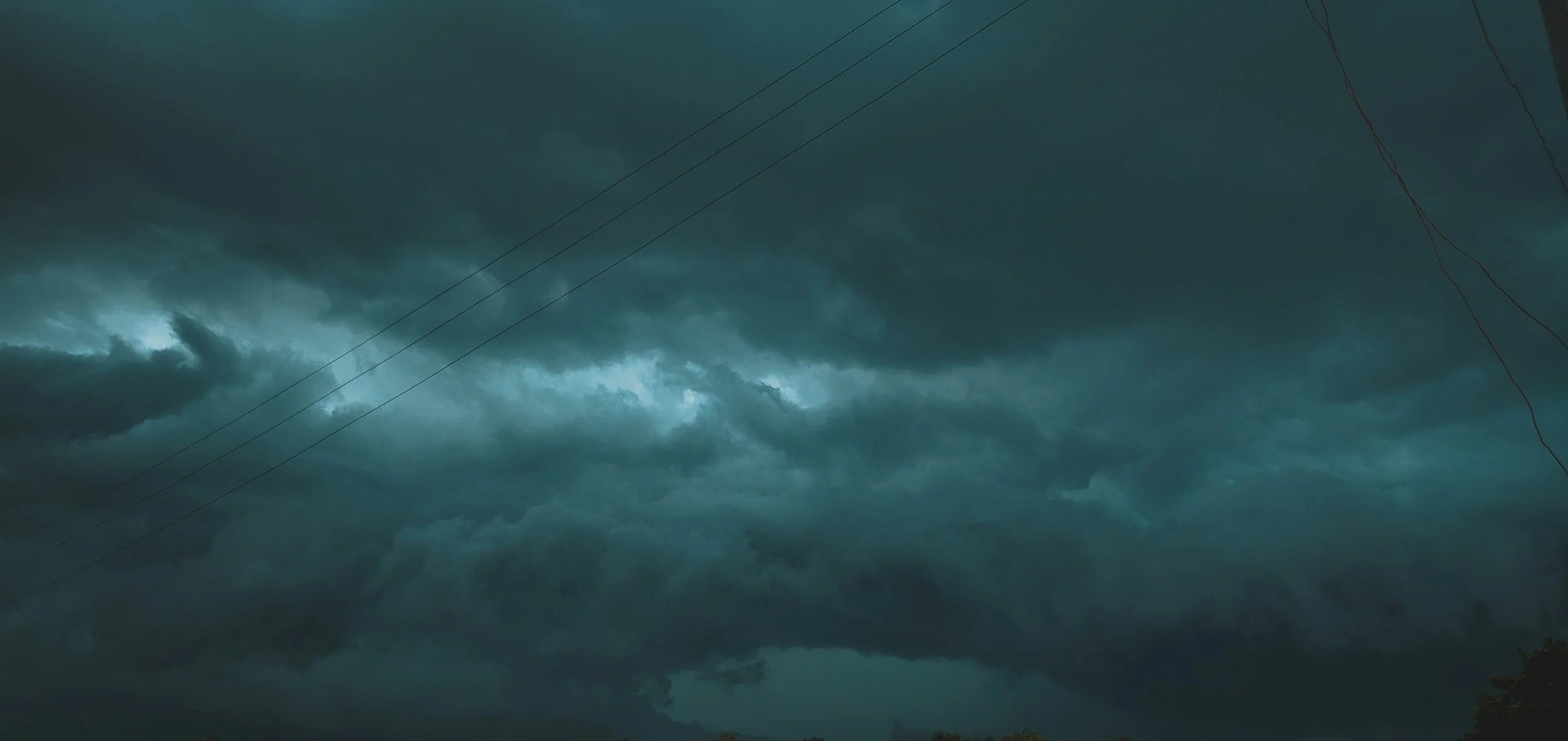
Many anglers notice that fishing can be strong before a storm system arrives, when clouds build and winds shift. After a front passes, especially a strong cold front, the sky can turn bright and the air can feel crisp. That change can make fish cautious for a bit in some situations. This is not a rule that always works the same way everywhere, but the pattern is common enough that it is worth watching.
Storms also bring a simple truth: if there is thunder, you are in danger. The “best time” is never when lightning is close.
Wind And Where It Pushes Food
Wind is not just noise on the water. Wind can push tiny food, plankton, and baitfish. That can pull predator fish into certain areas.
A steady wind can stack bait along a shoreline, a point, or the mouth of a creek arm. It can also break up the surface and make fish feel safer in shallow water because the light is not as harsh. Too much wind can make it hard to fish and can stir up water in a way that hurts, not helps. But a moderate wind often creates a useful “this side is better” clue.
Cloud Cover And Light
Light changes how fish hunt and how safe they feel. Low light can let fish roam and feed more freely. Bright sun can push fish into deeper water, thicker cover, or shade lines.
Clouds can act like a dimmer switch. That is why a cloudy day can sometimes fish “all day” like it is morning or evening. Clear skies can still be good, but you may need to focus on shade, depth, or thicker cover.
Clarity, Current, And Water Level
Water clarity matters because it changes how far fish can see. In clear water, fish can inspect your lure longer. In stained or muddy water, fish might rely more on vibration and sound, and they may hold tighter to cover.
Current matters too. In rivers, current can position fish behind rocks, along seams, or near bends where they can rest and grab food drifting by. In reservoirs, current can still happen near dam releases, in creek arms after rain, or in windy areas with strong water movement.
Water level changes can move fish around. Rising water can flood new shallow areas with cover and food. Falling water can pull fish away from the bank and concentrate them on edges.
Match The Hatch Through The Year
“Match the hatch” means paying attention to what fish are eating right now. That changes over the year. Sometimes fish focus on crawfish, sometimes on shad, sometimes on bluegill, and sometimes on whatever is easiest.
You do not need to know every bug in the lake. Just notice clues. Are baitfish flicking the surface? Do you see birds diving? Are there tiny ripples near grass? When the main food changes, fish locations and bite times can change too.
Moon, Sun, And Tidal Influence
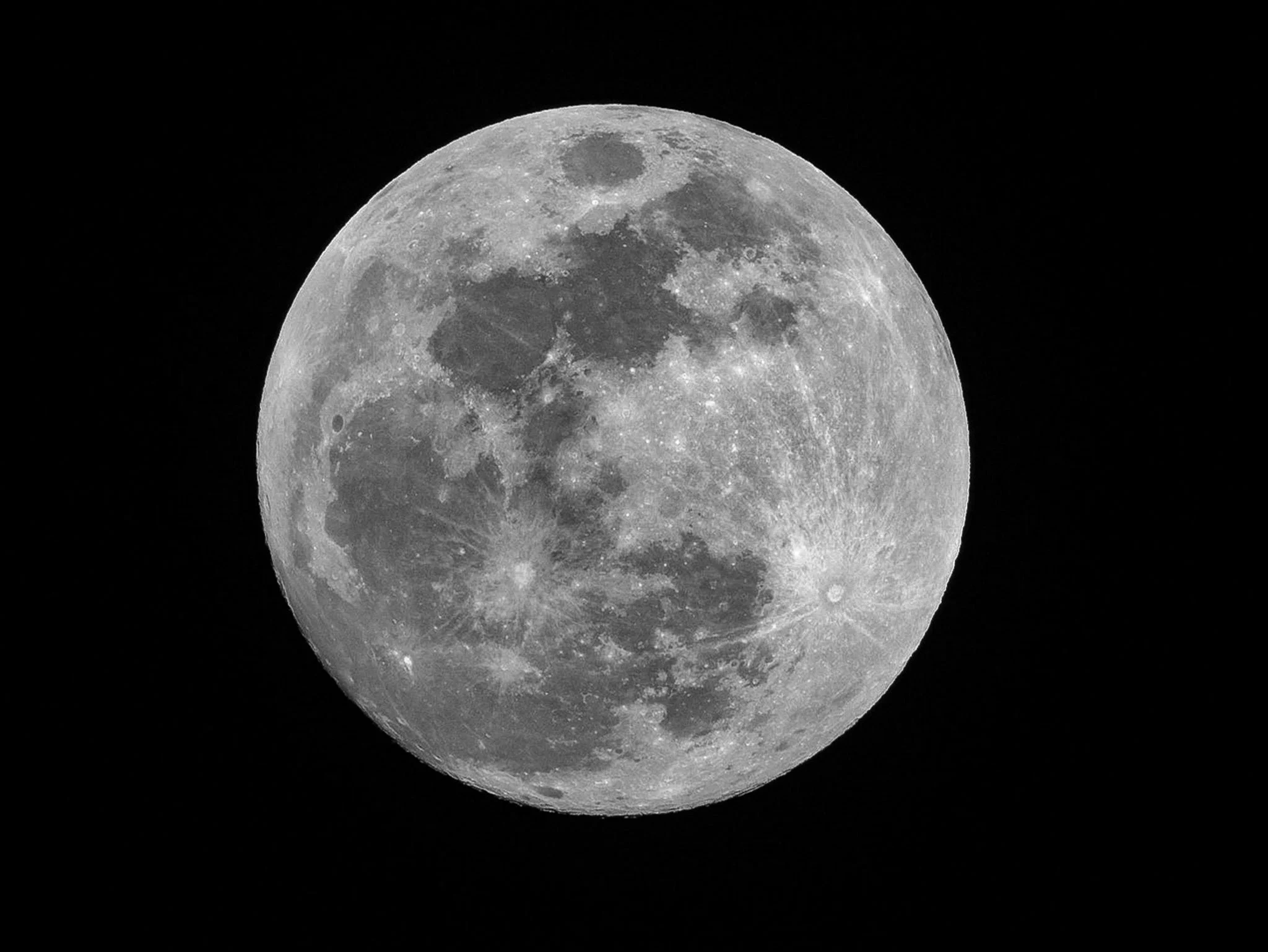
Some anglers ignore the moon. Others plan trips around it. The truth is simple: the moon and sun affect light and, in tidal water, water movement. Those things can influence fish activity.
Does The Moon Phase Matter?
The moon changes night brightness, and that can change how much fish feed at night. A brighter night can make it easier for fish to hunt, but it can also make them more cautious in clear water. Different species may react differently, and local conditions matter a lot.
It is safest to treat moon phase as a helpful clue, not a promise.
Moonrise And Moonset Triggers
Moonrise and moonset can act like little daily events, kind of like a second sunrise or sunset. Some anglers watch these times because they can line up with short feeding bursts. You can check moonrise and moonset times in many weather apps.
If you can fish only one hour, trying to fish near sunrise, sunset, moonrise, or moonset is a smart way to pick that hour.
Tides And Solunar Periods
In tidal water, tides are a huge deal. Moving water moves food. Many fish bite best when water is moving, not when it is slack. The “best time” might be the incoming tide at your spot, or the outgoing tide at a nearby creek mouth, depending on where bait gets trapped.
On non-tidal lakes, you still have solunar periods, which are predicted activity windows based on moon and sun position. They do not control everything, but they can help you choose between two similar days.
Putting It All Together
For a practical go or no-go choice, stack your clues. A stable weather stretch, a good low-light window, a helpful wind, and a moon event close to sunrise can be a strong combo. If you have harsh sun, dead calm water, and a sudden weather change, you might still catch fish, but you may need to fish slower, deeper, or tighter to cover.
Time Of Day Planning

Time of day is the part everyone asks about first, and for good reason. It is also the part you can control the easiest.
Why Sunrise And Sunset Shine
Sunrise and sunset are famous for a reason. Low light often makes fish feel safer to move and feed. Baitfish often move too. Water can be cooler in the morning, especially in summer, and that can boost activity.
You do not have to be there at the exact second the sun touches the horizon. But being ready during that low-light stretch gives you a better chance at a quick flurry of bites.
Midday Plans That Still Work
Midday can be tough, but it is not pointless. When the sun is high, fish often slide into deeper water or tuck into shade and cover.
Shade can come from docks, overhanging trees, thick weeds, bridge pilings, or steep banks that block the sun. Deeper water can be near drop-offs, points, creek channels, and underwater humps. The key is to stop fishing “everywhere” and start fishing “the best shelter.”
Can You Fish At Night?
Yes, and in some places, night fishing can be excellent, especially during hot months when water cools a bit after dark. Fish may move shallow to feed, and boat traffic is usually lower.
Night fishing also adds safety needs. You need navigation lights if you are in a boat, a working flashlight or headlamp, and a clear plan for where you will go. Tell someone where you will be. Go slower. Avoid unknown shallow areas. If you cannot see well enough to stay safe, the best time to fish is not at night.
What Is The Worst Time Of Day?
Often, the slowest time is bright midday after the morning bite fades, especially on clear, calm days. Another tough time can be right after a big weather change, when conditions feel “off.”
But “worst” does not mean “zero.” You can adjust by fishing deeper, using more subtle presentations, aiming for shade, or targeting areas with current or wind. If you learn to catch fish during slow windows, the good windows feel even better.
Rain And Storm Considerations
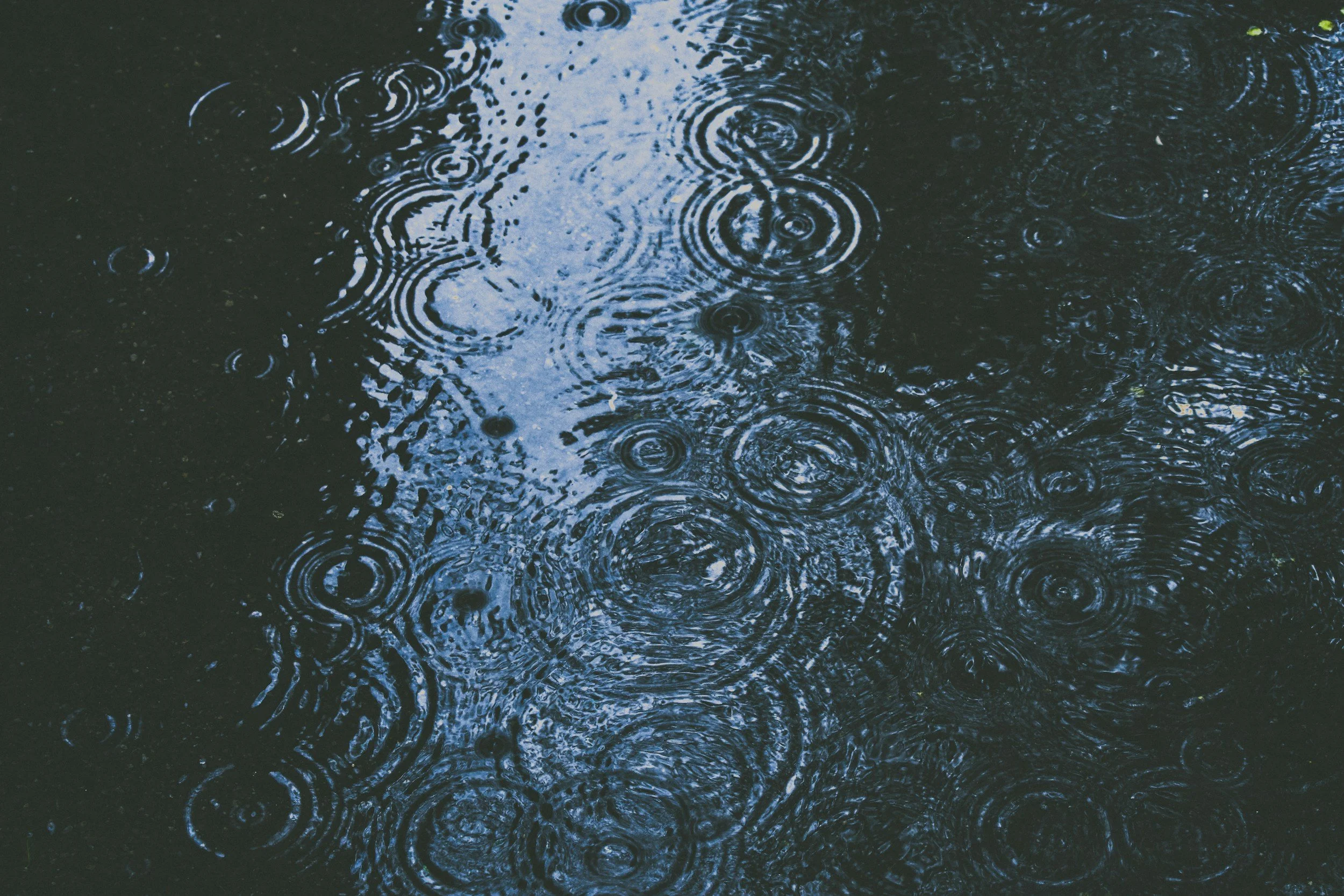
Rain changes light, oxygen, and water flow. Sometimes that helps. Sometimes it makes fishing harder.
Is It Good To Fish In The Rain?
Light rain can be great. It dims the light, cools the surface a bit, and can make fish less spooky. It can also make you more comfortable in warm weather.
Heavy rain can change things fast. Runoff can muddy the water, cool it, and add debris. Muddy water can push fish shallow and tight to cover in some cases, or it can make them harder to locate if the whole area turns into chocolate milk. After heavy rain, look for places where cleaner water meets dirtier water. That edge can be a feeding lane.
Thunderstorms are different. If you hear thunder, stop fishing and get to safety. Fishing rods are long and conductive. Open water is exposed. No fish is worth that risk.
Wind Plus Rain
Wind and rain together can either create a strong feeding setup or make the water too rough and dirty to fish well. If the wind is moderate and the rain is light, you might get an excellent low-light bite. If the wind is howling and the rain is pounding, it may be hard to control your boat, cast, or even see hazards. Let safety make the final call.

Seasonal Roadmap For Bass
Bass are a favorite target because they live in many waters and can be caught year-round. The details change by region. Warm places like Texas can have a long season, and cold places have shorter warm periods. But the general patterns below help almost anywhere.
Winter Pattern
In winter, bass often eat less often, but they can still eat big meals. Feeding windows can be short, and bites can feel subtle. The best times can be when the day is warmest, especially after a few days of stable weather. In very cold water, slow presentations often work better because fish may not want to chase far.
Early Spring Transition
As winter loosens its grip, bass start moving. This can be a tricky time because it can be warm one day and cold the next. Fish may stage near deeper water and slide shallow when conditions feel right.
Look for places that warm first, like shallow bays, dark bottoms, and areas protected from cold wind. If a cold snap hits, fish may back out to the first drop or deeper staging areas.
Spring Spawning Deep Dive
Spring is famous because bass behavior changes in exciting ways.
Why Spring Is Prime
Spring often brings more active fish and more fish shallow. It is also when many anglers feel that anything could happen on the next cast. Water is warming, fish are feeding, and the whole lake feels like it is waking up.
Spawning And Aggressive Bites
Bass spawn in shallow areas. Not every bass is easy to catch on a bed, and in some places bed fishing is not popular or may have special rules. But even without focusing on beds, the spawn season can create strong bites because fish are moving, defending areas, and feeding in bursts.
Spawn Happens In Waves
Not all bass spawn on the same day. Spawning can happen over multiple weeks in “waves,” often influenced by water temperature trends and day length. That is why you might find some fish pre-spawn, some spawning, and some post-spawn in the same week.
Tracking waves is about watching warming trends and checking different parts of the lake. Shallow protected pockets may go first, then other areas follow.
Largemouth, Smallmouth, And Spotted Bass
Largemouth, smallmouth, and spotted bass share some patterns, but they also like different habitats. Largemouth often love cover like grass and wood. Smallmouth often relate more to rocks and clear water in many places. Spotted bass often use points and open-water structure in reservoirs.
In spring, all three can be catchable in shallow or mid-depth areas, depending on where they live.
Forage Shifts In Spring
Early spring often lines up with crawfish becoming more active as water warms. Later, baitfish like shad can become a bigger focus in many waters. When fish switch from bottom food to chasing baitfish, your best times and best lures can change too.
Picking Locations In Spring
If warming is steady, fish may keep moving shallow. If the weather swings wildly, keep a back-up plan near deeper water. Water clarity matters too. In clear water, fish may spawn a bit deeper and act more cautious. In stained water, they may be shallower and easier to approach.
Lures And Presentations In Spring
When you need to find fish, faster “search” lures can help cover water. When you find a good area or the bite is cautious, slower presentations can help you stay in the strike zone longer. If you choose to fish around beds where it is legal and ethical, it often becomes a slower, more careful game with accurate casts.
Summer Pattern
Summer can mean higher numbers of fish in some waters, but it also brings heat, which changes everything.
The best summer times are often early and late. Dawn and dusk can bring topwater action when fish move shallow to feed. Midday often pushes fish deeper or into shade. Structure becomes important, like points, ledges, creek channels, and deeper grass lines.
Hot-weather fish handling matters. Fish can get stressed in warm water, especially if they fight a long time. Use tackle that can land fish efficiently, keep them in the water as much as you can, and release them quickly if you are not keeping them.
Fall Pattern
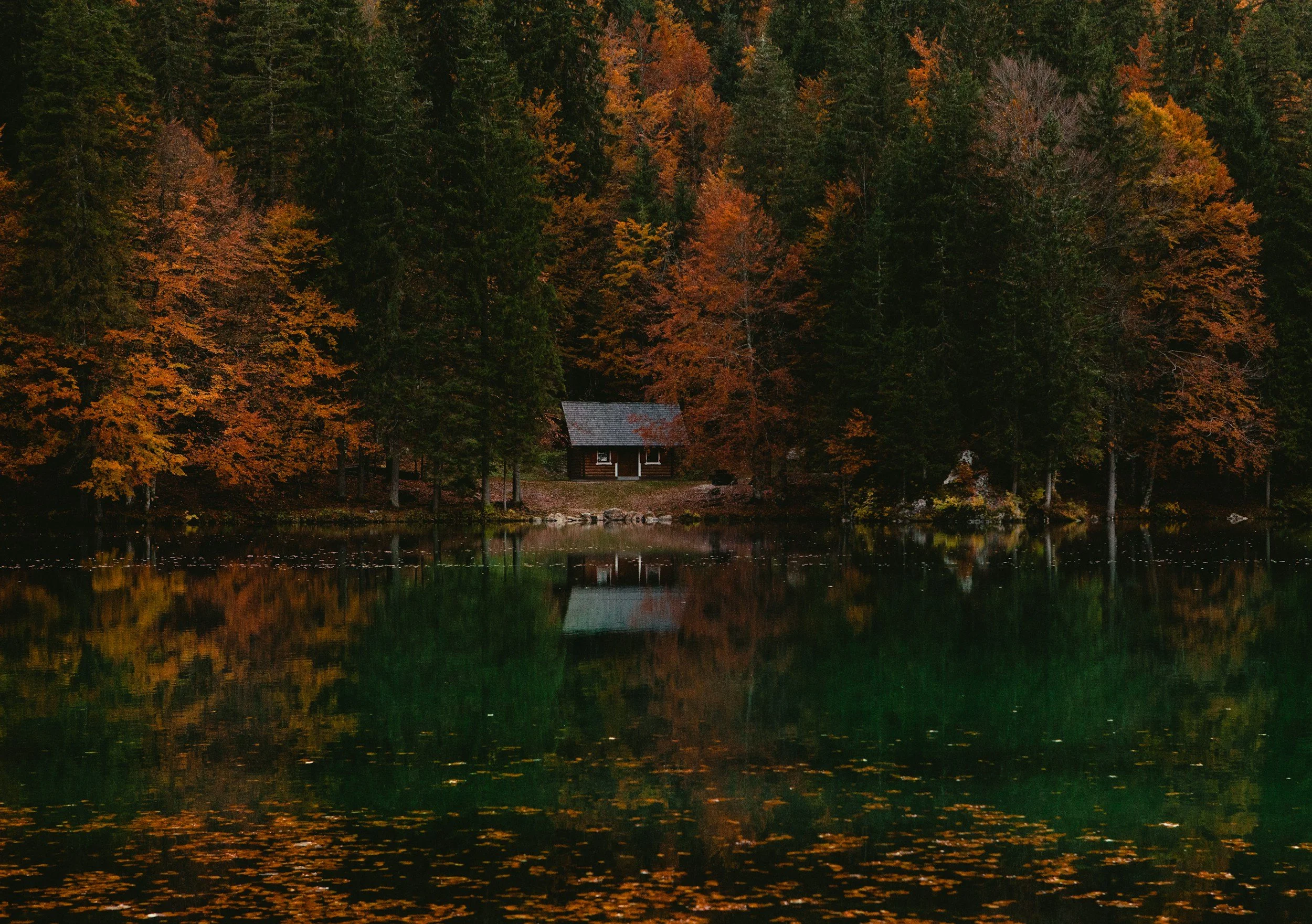
Fall is when many anglers feel the outdoors becomes comfortable again. Fish often follow bait as it moves. That can mean exciting chases, but it can also feel random if you are not around the bait.
Timing windows can be sharp. One day a creek arm is full of life, and the next day it feels empty. When you find bait and active fish, stay alert because the bite can turn on fast. Cooling water can also bring fish shallower more often than in summer.
Month-By-Month Planning
A calendar mindset helps because it keeps you from guessing the same way every trip.
January
January often has the coldest water. Look for short feeding windows, often around the warmest part of the day. In places with ice, hard-water fishing is its own world with its own safety rules. If you fish open water, dress for cold and take extra care, because cold water is dangerous if you fall in.
February
February can bring brief spikes of activity, especially during warm spells. It can also bring sudden cold snaps. Watch the trend. A few warmer days in a row can be more meaningful than one warm afternoon.
March
March often brings clear pre-spawn movement in many regions. Fish may stage near points, channel swings, and the first deeper water near spawning areas. Windy, cloudy days can be very good if you can fish them safely.
April
April can be a mix of heavy feeding and spawning. Patterns can change quickly, even within the same week. If you keep notes, this is a month where notes really pay off.
May
May is often peak action in many places. Some fish are post-spawn and recovering, and others may still be finishing up. Baitfish activity can increase, and that can create fun shallow bites early and late.
June
June often rewards a dawn and dusk plan. Midday tends to push fish into deeper water, thicker cover, or shade. If you want a relaxed trip, go early, fish hard, and leave before the heat peaks.
July
July heat can shift the best fishing to very early morning, late evening, or night. If your water allows safe night fishing, it can be a smart move. During the day, focus on deep structure or heavy shade.
August
August can be the month of shade and patience. Start early. Look for deeper fish, thick cover, or current areas. If the water is low and hot, fish may bunch up where conditions are best.
September
September often shows the first strong hints of fall feeding. Nights cool a little, and bait can start moving. Watch for surface activity early and late.
October
October can bring strong trophy potential as conditions moderate. Fish can feed up for winter. Focus on baitfish and the areas that funnel them, like points and creek mouths.
November
November can bring fewer bites, but quality fish are possible. Timing becomes critical. Choose days with stable weather when you can, and pay attention to the warmest parts of the day.
December
December often has intense but narrow windows. Early winter transitions can push fish toward winter areas. In warmer regions, December can still offer great fishing, but the best times may be shorter and more tied to weather stability.
Bonus Spring Target: White Bass Run
In many regions, white bass make spring exciting. They often move into creeks and rivers to spawn as water warms. Anglers call this the “run.” Timing depends on local water temperature and conditions, so it can shift each year.
When the run is on, action can be fast. Look for moving water, creek mouths, and areas where fish can travel upstream. This can overlap with spring bass fishing, which makes spring feel like a double feature: you can chase largemouth on the lake and white bass in the moving water.
Trip Planning And Execution
Good timing is not luck. It is a simple system you repeat.
A Simple Decision Checklist
Start with the season and water temperature trend. Add wind and cloud cover. Think about pressure changes and any approaching fronts. Check moonrise, moonset, and tides if you fish tidal water. Then choose your time of day window, like sunrise to mid-morning, or late afternoon to dark.
When several good signals stack up, that is often your best time.
Choosing Spots By Conditions
If it is warm and calm, fish may go deeper or into cover. If it is windy, check windblown banks and points. If water is rising, explore newly flooded cover. If the water is clear and sunny, target shade, deeper edges, and stealthy approaches. If the water is stained, focus on cover and lures that fish can find.
Lure Logic That Matches Conditions
Your lure choice can follow four simple ideas: speed, depth, profile, and vibration.
If fish are active, faster can work. If they are sluggish, slower can help. If fish are deep, pick something that reaches them. If the water is dirty, more vibration can help fish locate the lure. If the water is clear, a more natural profile and careful presentation can matter more.
Safety And Ethics
If there is lightning, leave. If water is cold, wear a life jacket and plan for the risk of falling in. If it is hot, bring water, use sun protection, and watch for heat illness. At night, go slow and use proper lights.
Ethics matter too. Handle fish with care. Keep fish only when you plan to eat them and when local rules allow. Respect other anglers and the resource, so the next “best time” is still good for everyone.
When To Hire Help
A good guide can shorten your learning curve by months or years. Guides spend many days on the same water and notice small changes that most people miss. They also know local hazards, like hidden stumps, shallow bars, and tricky currents.
If you want to book during a peak season, plan ahead. Spring weekends and popular fall dates can fill up early. A guide trip can be especially helpful when you are learning a new lake or trying to understand seasonal patterns faster.
Wrap-Up
The best time to go fishing is when your goals match what the season, the day, and the conditions are doing. Use water temperature and seasonal movements to know the general plan. Use sunrise, sunset, and low-light windows to pick strong hours. Use wind, clouds, pressure changes, clarity, current, and food clues to choose the best spot and approach.
Do that, and you will stop asking, “What is the best time?” and start saying, “This feels like the right time.” That is when fishing gets really fun.

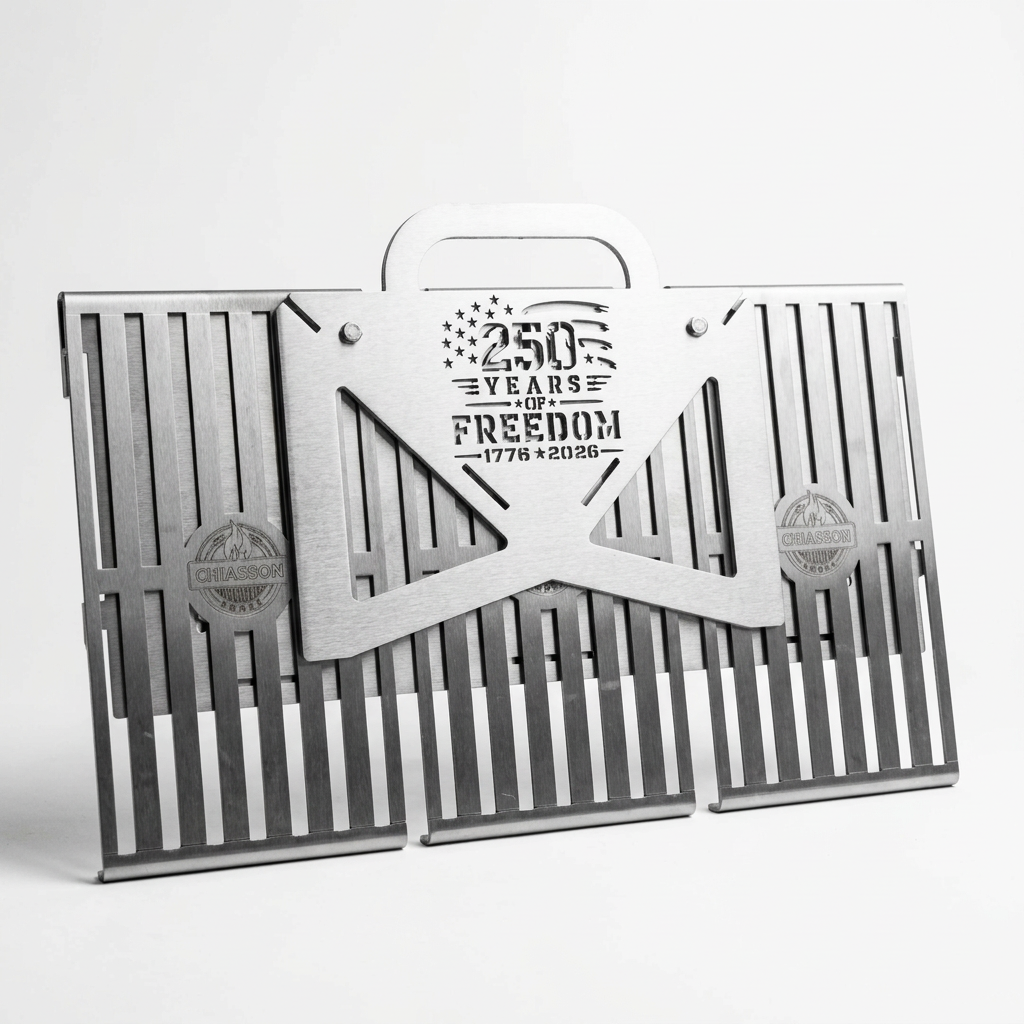
The Hauler Grill was made for people who love cooking outside but don’t want to haul around a big, bulky grill.
Its simple design packs down flat, and when you’re ready to cook, it goes together quickly with no tools needed.
Want even more ways to cook? Add one of our griddle options and make breakfast, smash burgers, fajitas, fried rice, and plenty more.