
Catch and Release Fishing Explained
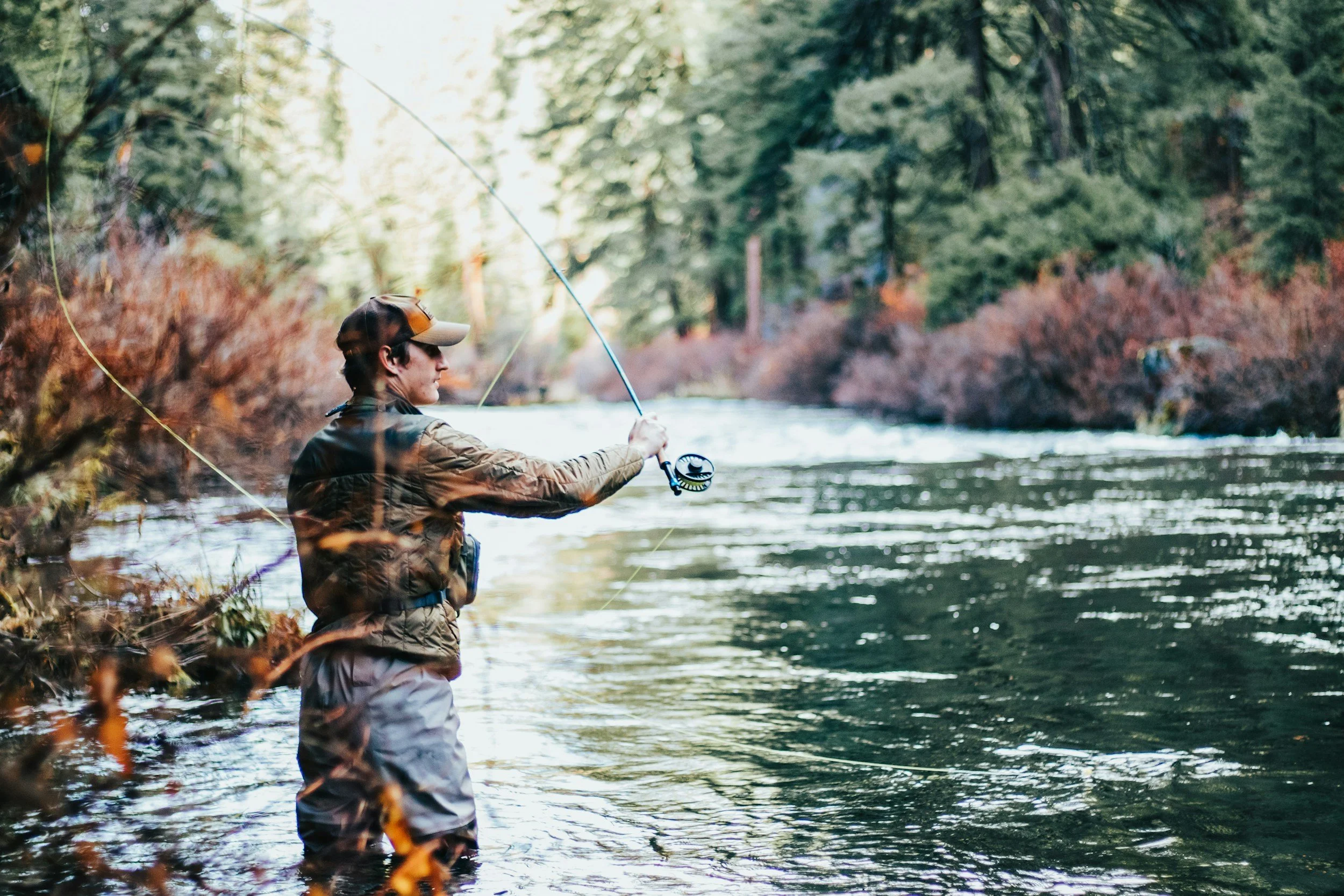
Catch and release fishing sounds simple. You catch a fish, you let it go, and everyone goes home happy. But if you have ever held a fish in your hands, you know it is not that easy. Fish are living animals with delicate skin, gills, and a body built for water, not for air.
Catch and release is a great tool for keeping fish populations strong, especially in places where lots of people love to fish. It can also help protect big breeding fish, rare species, and local waters that get fished hard. Still, it only works well when anglers do it with care. This guide explains what catch and release really means, how to do it better, and when it might not be the best choice.
What Catch And Release Means
Catch and release angling is when you catch a fish and return it to the water instead of keeping it to eat or mount. The purpose is to give that fish a good chance to survive, grow, and maybe be caught again another day.
People practice catch and release for many reasons. Some do it because of rules, like protected seasons or size limits. Some do it because they want to protect the fishery. Others do it because they only want to keep a few fish to cook and release the rest. No matter the reason, the goal is the same: release the fish in good shape.
Ethics And Fish Welfare
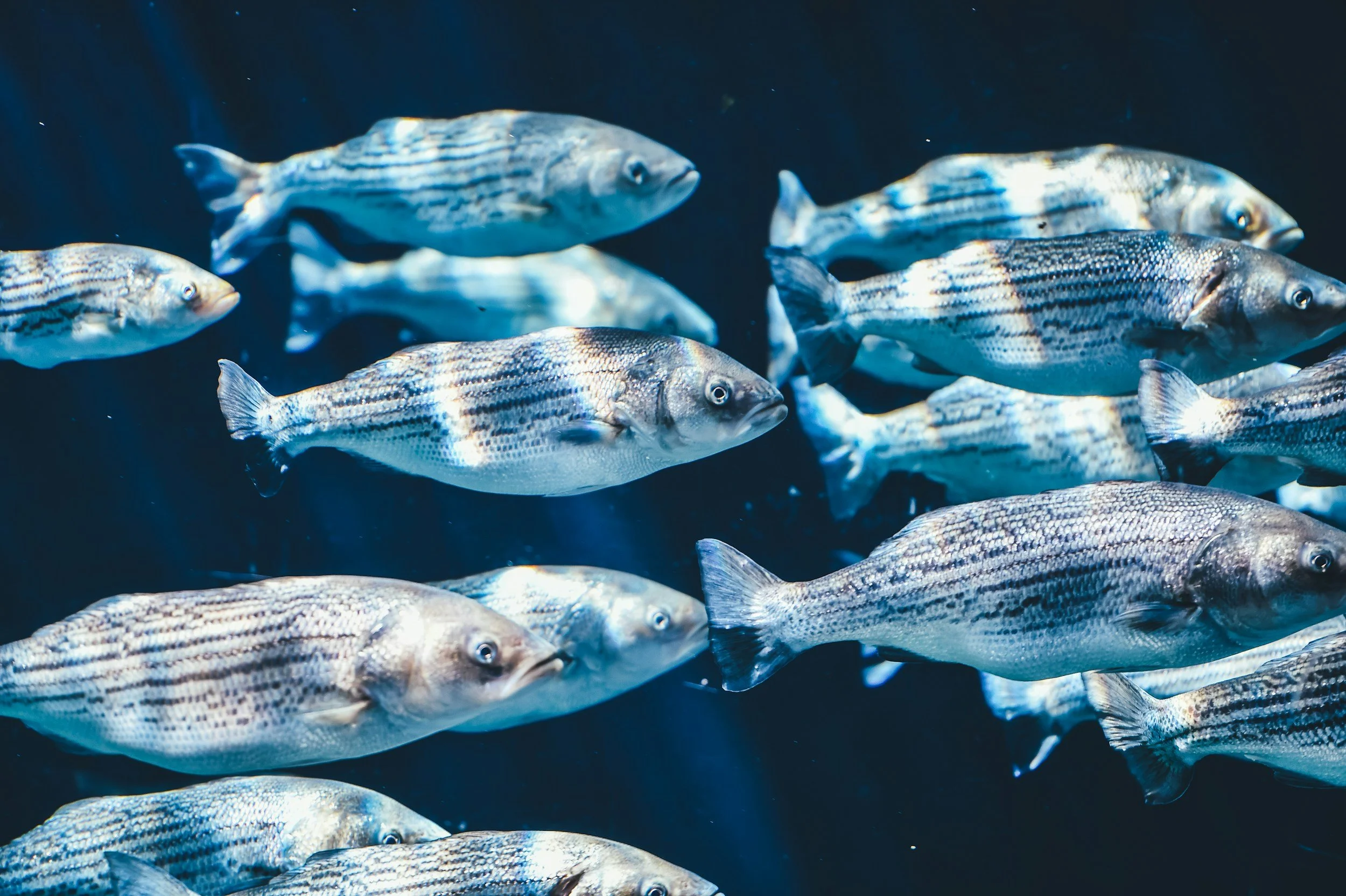
Doing something “legal” and doing something “kind” are not always the same thing. Catch and release sits right in the middle of that. It can be helpful, but it can also go wrong when fish are handled poorly.
Does Catch And Release Hurt Fish?
Yes, it can hurt fish. A hook makes a wound. A long fight can exhaust a fish. Time out of water can damage gills. Rough hands can scrape off the slime coat, which helps protect fish from infection.
But “hurt” is not the same as “always kills.” Many fish do survive and swim away strongly after being released. Survival depends on the species, water conditions, how deeply the fish was hooked, and how the angler handles the fish.
Is Catch And Release Fishing Cruel?
This is a serious question. Some people feel it is cruel because the fish did not choose to be hooked. Others feel it is more respectful than killing fish you will not use. Most anglers who care about fish try to lower harm as much as possible.
A good way to think about it is this: if you choose to fish, you also choose to be responsible for what happens to the animal you catch. If you cannot or will not handle fish in a careful way, catch and release is not really “release.” It becomes “catch and hope.”
What Affects Survival?
Several things can make survival better or worse.
Stress matters. A fish fighting hard uses energy and can build up stress in its body. When that stress is too high, the fish may swim away but later die.
Air exposure matters. Fish gills are made to pull oxygen from water, not air. Even short air time can be hard on them, especially if it happens again and again while someone tries for the perfect photo.
Temperature matters. Warm water holds less oxygen than cold water. In warm conditions, fish can run out of oxygen faster during a fight. That means quick landing and quick release become even more important.
Fight time matters. The longer the fight, the more tired the fish gets. Light line and tiny hooks can be fun, but if it causes long battles, it can be rough on the fish.
When Keeping The Fish May Be More Humane
Sometimes keeping the fish is the more humane choice, as long as it is legal.
If a fish is severely injured, like heavy bleeding from the gills or a deep wound that will not stop, it may not survive release.
If a fish is deeply hooked and removing the hook would tear it up badly, the best action for release is often cutting the line close to the hook. But if the fish is not allowed to be released in that condition under local rules, or if it is unlikely to survive, keeping it may be the better option when regulations allow.
Also, some waters have special rules. In certain places or for certain species, you might be required to keep a fish you accidentally kill, or you may be required to release it no matter what. This is why rules matter, not just feelings.
Legal And Practical Prep Before Fishing
Disclaimer: None of this is legal advice!
Catch and release is still fishing. That means rules still apply.
Do You Need A Fishing License For Catch And Release?
In most places, yes. A fishing license is usually required if you are trying to catch fish, even if you plan to release every single one. License money often helps pay for fish habitat work, stocking programs, and conservation officers. Always check the rules where you live or where you travel.
Know Local Rules
Fishing rules can change by water body, species, and season. Before you go, look up the regulations for that spot. Pay attention to:
Seasons, because some fish are protected while spawning.
Species protections, because some fish must be released every time.
Size limits and slot limits, because keeping the wrong size fish can be illegal.
Bait and lure restrictions, because some waters allow only artificial lures.
Barbless requirements, because some rivers and lakes require barbless hooks to reduce injury.
If you are not sure, ask a local tackle shop or check your state or province wildlife agency website.
Plan Around Conditions
Even if rules say you can fish, conditions might say you should not.
Very warm water can make release harder on fish. Fast current can make landing tricky and can exhaust fish quickly if they have to fight both the hook and the flow. Algae blooms can be dangerous to people and pets, and they can also affect fish health. Low oxygen events can happen in some lakes during hot, still weather. Crowded areas can also lead to longer handling time if you are dodging people and trying not to tangle lines.
Planning is part of being a good angler. Sometimes the best catch and release choice is to fish early, fish deeper cooler water if legal, or pick a different spot.
Gear Choices That Reduce Harm
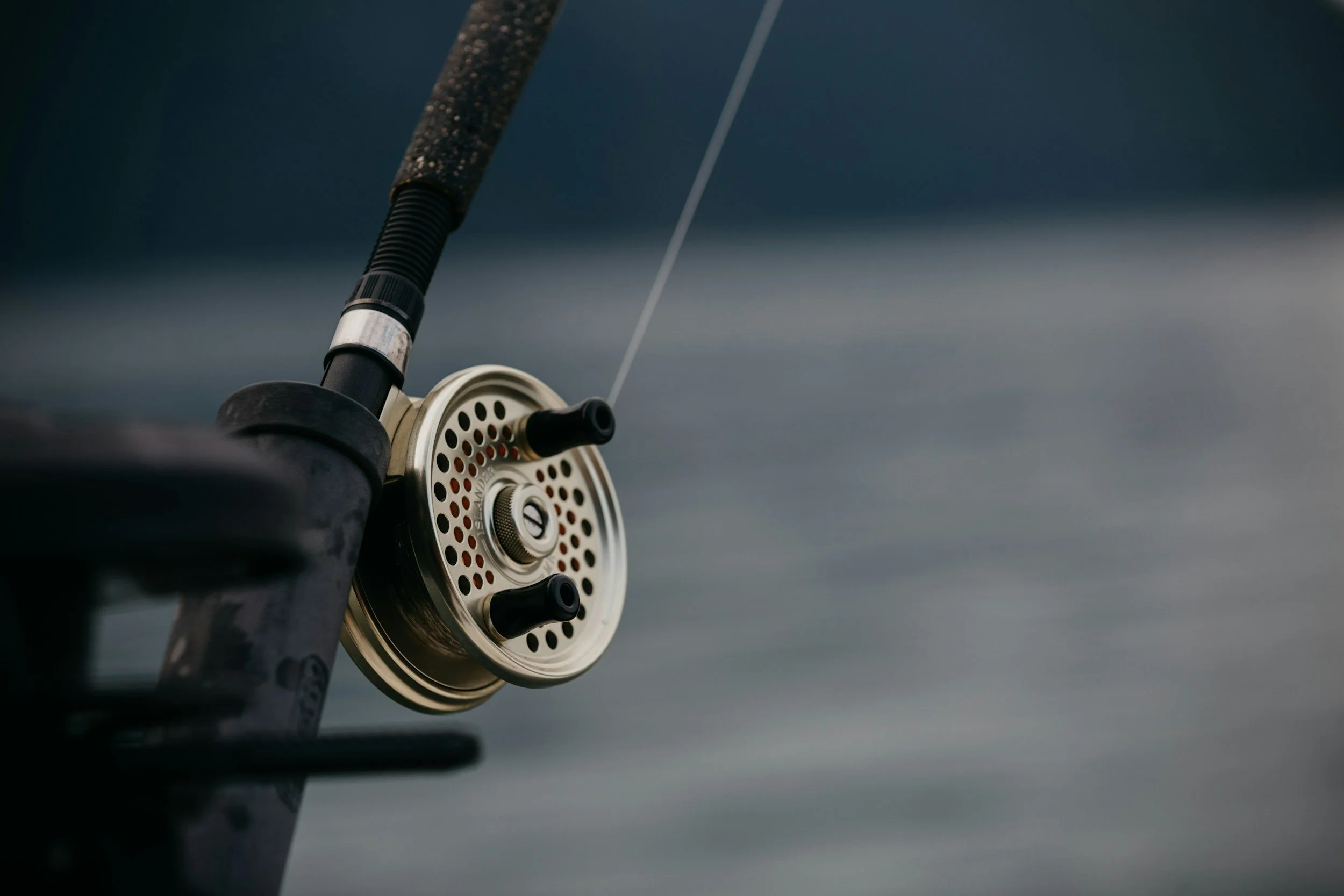
The right gear helps you land fish faster and handle them safely. That is good for you and good for the fish.
A rod, reel, and line setup should match the fish you expect. If you are using tackle that is too light, the fight can drag on. A longer fight can mean more stress and a fish that struggles to recover.
Hook choice matters a lot. Barbless hooks, or hooks with pinched barbs, are easier to remove. They can also reduce handling time. Circle hooks are often used with certain bait setups and can help reduce deep hooking when used correctly. Single hooks are usually easier to remove than treble hooks, though treble hooks are common on many lures.
Bait and lure choices can also change where fish get hooked. Fish that swallow bait deeply can be hard to unhook safely. If deep hooking is common with a certain bait style, consider switching to lures or methods that tend to hook fish in the mouth more often.
Landing tools are not just fancy extras. A rubberized knotless net can support a fish without scraping it up as much as rough netting can. Pliers or hemostats help remove hooks quickly. A hook remover can help with smaller fish. Line cutters are important, because sometimes the best move is cutting the line close instead of wrestling with a deep hook.
Optional support items help you stay quick and calm. An unhooking mat can protect fish from rocks and hot ground during bank fishing. A measuring device lets you check length fast. A camera setup, like a phone mount or a fishing buddy ready to shoot, cuts down on air time.
On The Water Approach
Catch and release starts before the fish is even hooked.
Set the hook properly so the hook lands where it should. Then keep steady pressure so the fish comes in without endless back and forth runs. Try to guide it away from heavy weeds, rocks, or docks where it can wrap the line and extend the fight.
Avoid overplaying fish, especially in warm water. If the fish is strong and you are using light tackle, consider whether you should change your setup next time. The goal is a clean, quick catch, not a long tug of war that ends with a worn out fish.
Bringing The Fish In Safely
When the fish is close, land it efficiently. Do not drag it up onto dry sand, sharp rocks, or a hot dock if you can avoid it. Beaching a fish can scrape off protective slime and can also harm fins.
If you use a net, guide the fish in head first. Keep the net in the water while you get ready to unhook. Try not to touch the eyes and gills much or at all. Those areas are extremely sensitive.
If you are lifting a fish by hand, support its body. Do not swing fish through the air on the line. That can injure the jaw and spine, especially on bigger fish.
Handling Fundamentals
Handling is where a lot of catch and release goes right or wrong.
Keep the fish in the water whenever possible. Unhooking while the fish is in the net and the net is in the water is often a great method.
Before touching the fish, make sure your hands are wet. Dry hands can remove slime. Wet hands slide more easily and help protect the fish’s skin.
Avoid squeezing. Fish are not built like footballs. Firm support is good. Crushing pressure is not.
Never hold a fish by its gills. Also be careful with jaw holds. Some fish can be held by the lower jaw for a short time, but lifting a heavy fish straight up by the jaw can damage it. When in doubt, support the belly with your other hand and keep the fish level.
Keep air time short. Many anglers use a simple rule: do your thinking and tool grabbing first, then lift the fish only when everything is ready.
Hook Removal Methods
Hook removal should be quick and controlled.
Support the fish so it does not thrash on the ground. If it is in a net in the water, that can be the best place to work. Use pliers or hemostats to back the hook out the way it went in. Turning the hook the right way often makes it slide out smoothly.
For de-hookers, follow the tool instructions and practice on a lure at home so you are not learning while a fish is suffering.
Deep-hooked fish are a special case. If the hook is far back and you cannot see it well, do not rip around inside the fish. A common best practice for release is to cut the line as close to the hook as you safely can and let the fish go. This avoids extra tearing and bleeding.
Treble hooks can be tricky because there are multiple points. Keep fingers away from the hooks, keep the fish steady, and take your time. Sometimes it helps to remove one point at a time. If a hook is badly embedded, cutting a hook point with the right tool can be safer than twisting forever, but many anglers do not carry heavy cutters. Planning ahead helps.
Quick Photos That Still Respect The Fish

Photos are fun. They also can be a problem if they turn into a long photo shoot.
Prepare your camera or phone first. Open the camera app, set your angle, and decide where you will hold the fish before you lift it.
When you lift, keep the fish supported. Many fish do best when held horizontally with two hands, one near the head and one supporting the body. This is especially true for larger fish.
Take a quick shot, then return the fish to the water. If you need another photo, let the fish breathe in the water for a moment between lifts. Do not keep it out while you scroll through pictures.
Release Procedure And Recovery
A good release is not a toss. It is a careful handoff back to the water.
Place the fish back gently. If there is a mild current, point the fish into it. This helps water flow through the gills. Hold the fish lightly and let it regain balance. When it kicks strongly and holds itself upright, it is often ready to swim away.
If the fish rolls over or cannot stay upright, it likely needs more recovery time. Keep it supported in the water.
Avoid “reviving” by forcefully moving the fish back and forth. Pushing water the wrong way through the gills is not helpful. Let the fish move water naturally as much as possible.
Special Case: Fish From Deep Water
Fish caught from deeper water can face barotrauma. This is when pressure changes cause problems as the fish is brought up. Signs can include a swollen belly or the stomach coming out of the mouth. This can happen with some species and is more likely the deeper you catch them.
Best practice, when possible, is to return the fish to depth. Many anglers use descending devices or weights designed to take fish back down so pressure can equalize. If you fish deep water species, learn local guidance and rules for your area.
You may hear about venting, which means releasing gas with a needle. Venting is not something to guess at. It can injure fish if done wrong, and rules or agency guidance can vary by location and species. If your local fish and wildlife agency recommends specific methods, follow that guidance.
Species And Setting Differences

Not all fish handle release the same way. Some species are tougher. Others are more sensitive. Large trophy fish also need extra care because their weight makes poor holds more damaging. A big fish supported well and released quickly can be a great success story.
Where you fish also changes the plan.
Bank fishing can be tough because the ground may be hot, dry, or rocky. An unhooking mat and a net can make a big difference. Try to pick a landing spot before you cast.
Boat fishing gives you more control, but decks can be rough on fish. Keep the fish away from dry carpet and bouncing around on the floor.
Kayak fishing is close to the water, which is great for quick releases, but space is tight. Have your pliers, cutters, and net within reach before you hook up.
Wading anglers should be careful in current. A fish can surge, you can lose balance, and both of you can get hurt. A net and calm moves help.
Common Mistakes To Avoid
Many catch and release problems happen for the same reasons, over and over.
Long fights on light tackle can lead to exhausted fish.
Laying fish on hot sand, dry grass, or rough rocks can damage skin and slime.
Too much air exposure can harm gills.
Bad grip holds can injure jaws and internal organs. Holding by the gills is especially dangerous.
Rushing without tools leads to fumbling. The fish pays for that delay.
Photo time can become the longest part of the whole event if you are not prepared.
None of these mistakes require fancy skills to avoid. They just require a plan.
A Simple Low Impact Checklist
Before you cast, check your license and local rules, and choose gear that can land fish quickly. Make sure your pliers, cutters, and net are ready, not buried in a bag. Think about the day’s conditions, especially water temperature and oxygen stress.
During the catch, set the hook well, keep steady pressure, and avoid a long fight. Land the fish without dragging it across dry ground. Keep it in the water when you can, wet your hands, and handle it gently with good support.
After the catch, remove the hook quickly. If the fish is deep-hooked, cut the line close instead of tearing at it. Take fast photos only if you are ready, then return the fish to the water and give it time to recover. Release it calmly, and watch for a strong swim away.
Catch and release is not about being perfect. It is about doing the small things that add up to a better chance for the fish. When you get those habits down, every release feels better, not just for the fish, but for you too.

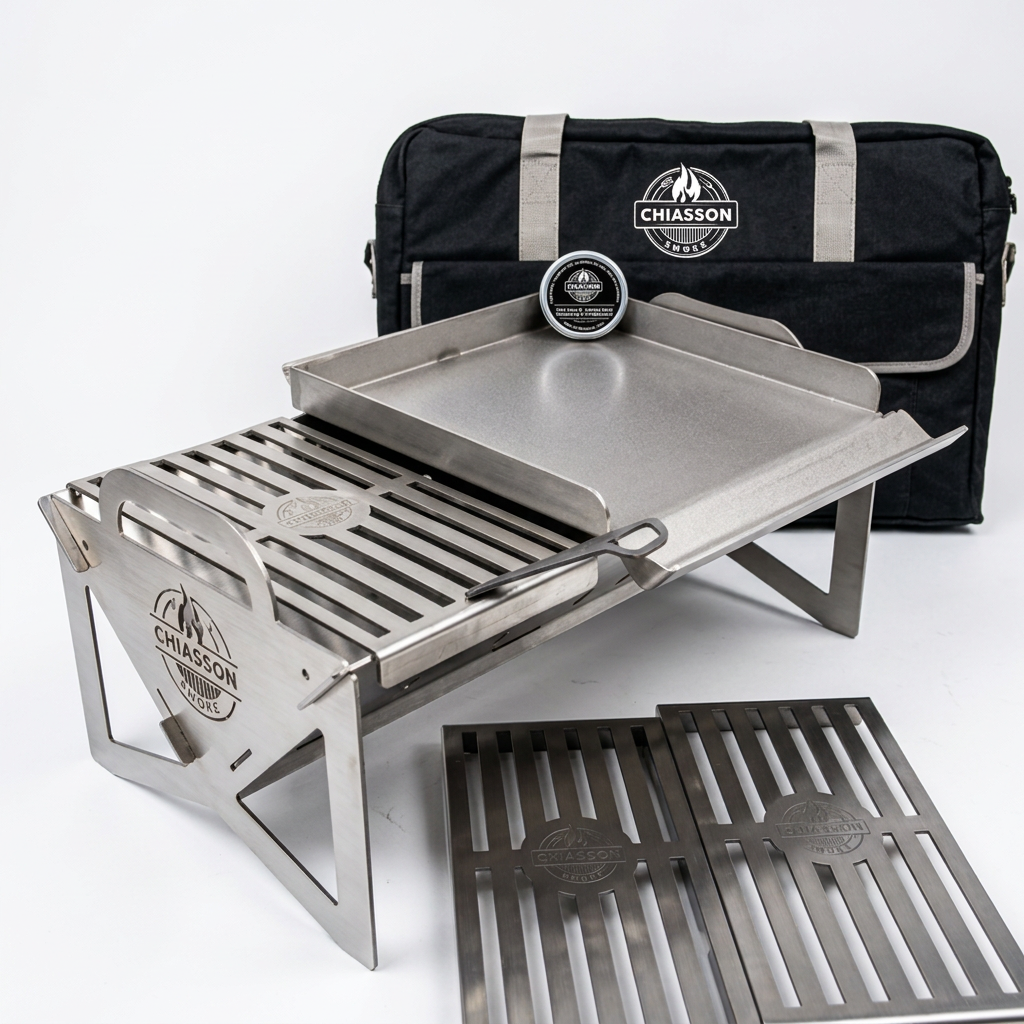
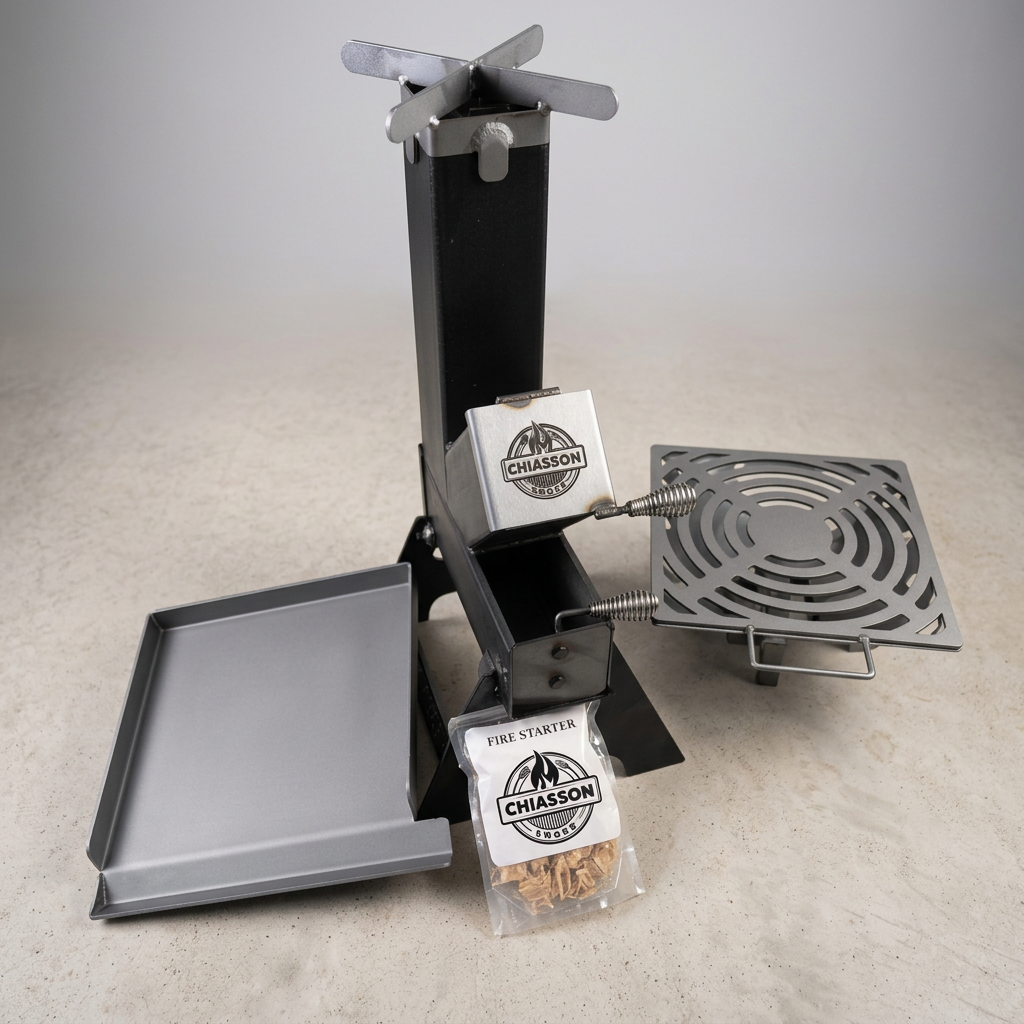
The Hauler Grill was made for people who love cooking outside but don’t want to haul around a big, bulky grill.
Its simple design packs down flat, and when you’re ready to cook, it goes together quickly with no tools needed.
Want even more ways to cook? Add one of our griddle options and make breakfast, smash burgers, fajitas, fried rice, and plenty more.