
Preparing Fish for the Grill or Smoker
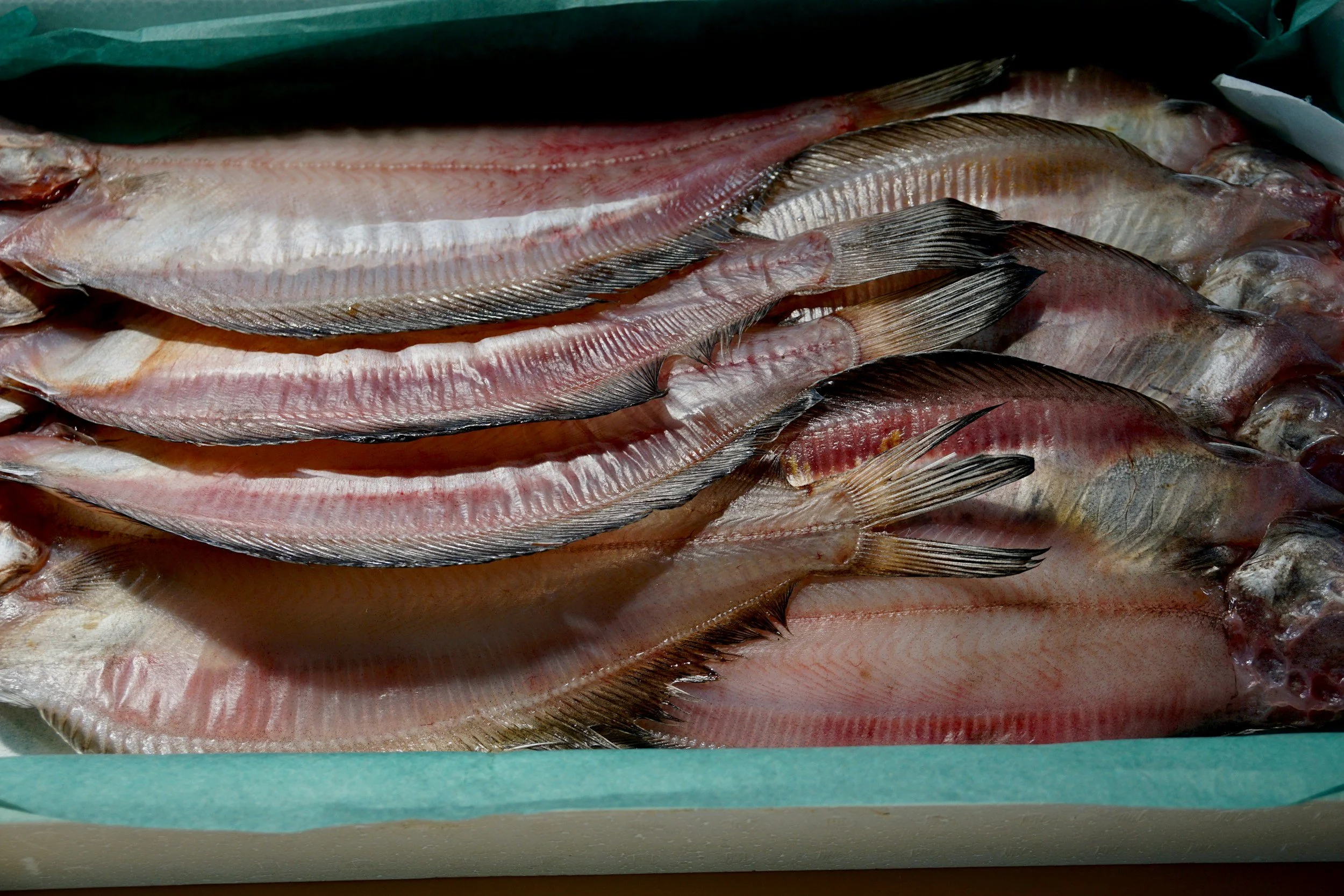
Fish on the grill or in the smoker can be amazing. It can also go very wrong if you rush it. Many people think fish is tricky, but it does not have to be. With the right prep, fish becomes one of the most fun and rewarding foods to cook over fire and smoke. The flavor is clean, the cook time is fast, and the results feel special without being fancy.
This guide walks you through how to prepare fish so it turns out moist, flaky, and full of flavor. Whether you are grilling on a hot grate or letting smoke roll low and slow, good prep is where great fish begins.
Choosing the Right Fish
Not all fish behave the same on the grill or in the smoker. Some are firm and forgiving. Others are delicate and need a gentle touch. Knowing the difference saves a lot of stress.
Firm fish like salmon, trout, tuna, swordfish, mahi mahi, and halibut are great for grilling. They hold together well and can handle higher heat. These fish are perfect if you want grill marks and a quick cook.
More delicate fish like tilapia, flounder, sole, or snapper can still work, but they need extra care. These are better with a fish basket, foil, or a cedar plank. In a smoker, they benefit from lower heat and shorter times.
Freshness matters more than almost anything else. Fresh fish smells clean and mild, not strong or fishy. The flesh should appear firm and slightly glossy. If you press it with a finger, it should spring back. Starting with good fish makes every other step easier.
Cleaning and Trimming
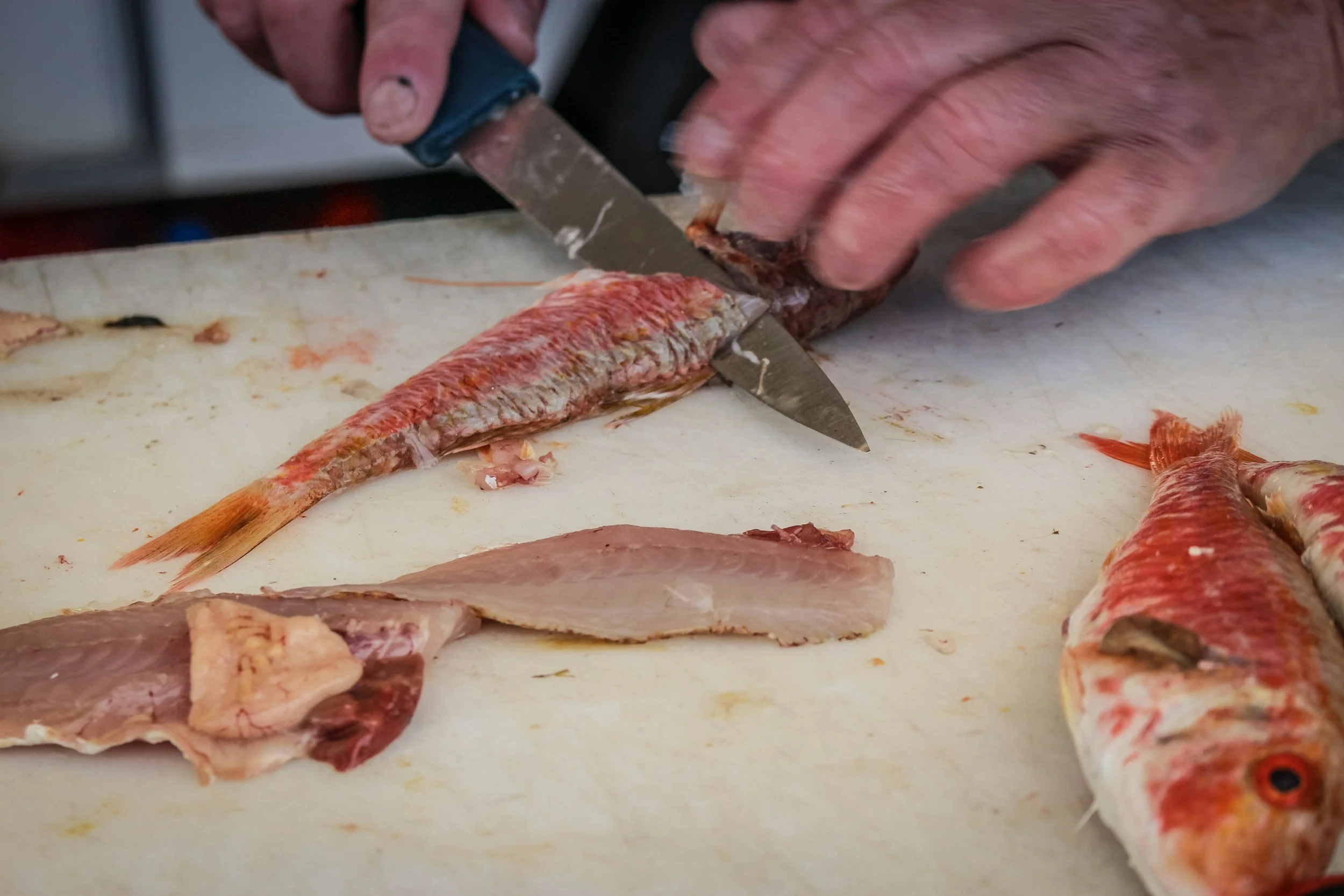
If your fish still has scales, they need to come off. Use a scaler or the back of a knife and scrape from tail to head. Do this outside or over a sink because scales fly everywhere.
If the fish is whole, make sure it is fully gutted. Rinse the cavity well and remove any dark blood line along the backbone. That dark strip can taste bitter when cooked.
For fillets, check for pin bones. These are small bones that run down the center of many fish like salmon. Use clean tweezers or pliers to remove them. Run your fingers lightly over the flesh to find them.
After cleaning, pat the fish dry with paper towels. This step matters more than people think. Dry fish grills better, smokes better, and takes seasoning more evenly.
To Skin or Not to Skin
Leaving the skin on has big benefits. Skin helps hold the fish together and protects the flesh from direct heat. On the grill, skin can act like a natural barrier that prevents sticking. In the smoker, it adds structure and keeps moisture in.
If you leave the skin on, make sure it is scaled and dry. Lightly oil the skin side before cooking. When grilling, start with the skin side down and let it cook most of the way before flipping, if you flip at all.
Removing the skin can be useful if you want even seasoning on both sides or if the skin is very thick. If you do remove it, handle the fish gently and consider using foil or a basket.
Brining for Better Flavor and Moisture
Brining is one of the best tricks for grilled or smoked fish. It helps the fish stay moist and seasons it all the way through (which is, keep in mind, a little different than the purpose of a marinade.)
A simple brine can be made with water, salt, and a little sugar. You can add things like garlic, peppercorns, herbs, or citrus peel if you want extra flavor. The brine should taste like lightly salted soup, not seawater.
Thin fillets only need about 15 to 30 minutes in brine. Thicker pieces or whole fish can go 45 minutes to an hour. Do not overdo it or the fish can turn too salty or soft.
After brining, rinse the fish briefly under cold water and pat it very dry. This step keeps the surface from getting too salty and helps it cook better.
Seasoning Without Overdoing It
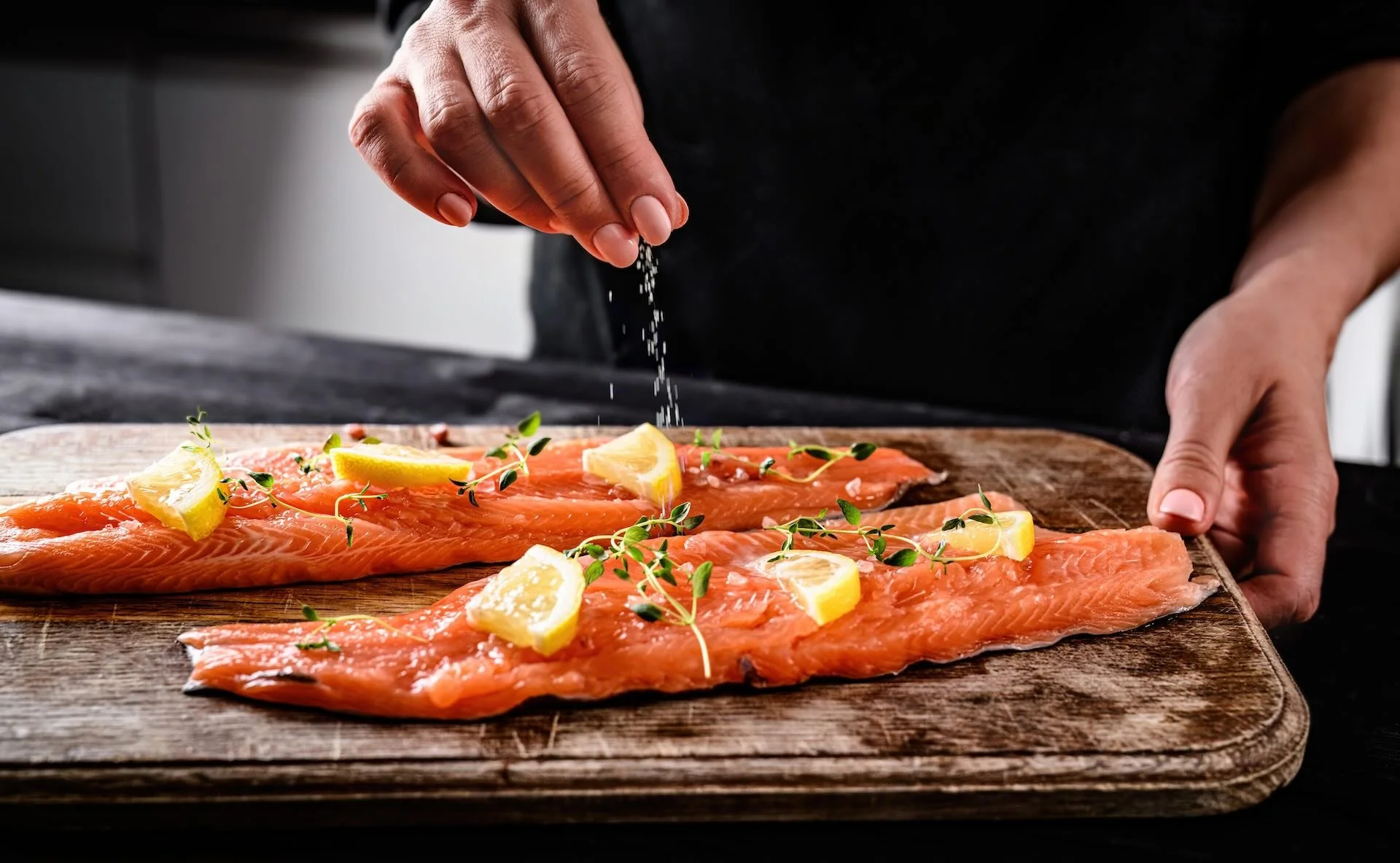
Fish has its own flavor, and you want to support it, not bury it. Simple seasoning often works best.
Salt and pepper go a long way. A light brush of oil helps seasoning stick and keeps the fish from drying out. From there, you can add herbs like dill, parsley, or thyme. Garlic, lemon zest, and paprika also work well.
Dry rubs are great for firmer fish. Use a gentle hand and avoid heavy sugar if grilling over high heat, since sugar burns fast. For smoking, a little sugar can help with color and balance.
Marinades can add flavor, but keep them short. Acidic marinades with lemon or vinegar can start to cook the fish if left too long. For most fish, 15 to 30 minutes is plenty.
Preparing Fish for the Grill
Grilling fish is all about heat control and timing. Before the fish ever hits the grate, make sure the grill is ready.
Clean the grates well and oil them lightly. A hot, clean grate is your best defense against sticking. Preheat the grill so it is hot before you add the fish.
Oil the fish, not the grill. This gives you better control and less flare up. Place the fish skin side down if it has skin. Let it cook without touching it for most of the time. Fish will release from the grate when it is ready.
Flip only if needed, and use a wide spatula. Confidence helps here. A slow, steady flip works better than a quick jab.
Preparing Fish for the Smoker
Smoking fish is slower and gentler, but prep is just as important. After brining and drying, many people like to let the fish rest uncovered in the fridge for an hour or two. This forms a thin, tacky layer on the surface called a pellicle.
The pellicle helps smoke stick to the fish and improves texture. You will know it is ready when the surface feels slightly sticky but not wet.
Don’t neglect your choice of wood! Choose mild woods like alder, apple, cherry, or maple. Strong woods can overpower fish. Keep smoker temperatures low, usually between 180 and 225 degrees Fahrenheit.
Place the fish on lightly oiled racks or parchment. Leave space between pieces so smoke can flow. Fish is done when it flakes easily and looks opaque, but still moist.
Common Mistakes to Avoid
One big mistake is cooking fish straight from the fridge. Let it sit out for about 10 to 15 minutes before cooking so it cooks more evenly.
Another mistake is overcooking. Fish keeps cooking after you remove it from heat. Pull it just before it looks fully done and let it rest a few minutes.
Do not move the fish too much. Let heat do its job. Constant flipping or poking leads to sticking and broken fillets.
Final Thoughts
Preparing fish for the grill or smoker is not about rules. It is about paying attention. Start with good fish, keep it clean and dry, season it with care, and cook it with confidence. Fire and smoke bring out flavors in fish that are hard to beat, and with the right prep, the results feel effortless.
Once you get comfortable, you can experiment with different woods, seasonings, and fish types. Each cook teaches you something new. That is part of the fun. Fish is fast, forgiving when treated right, and always impressive when it comes off the grill or out of the smoker just the way you hoped.

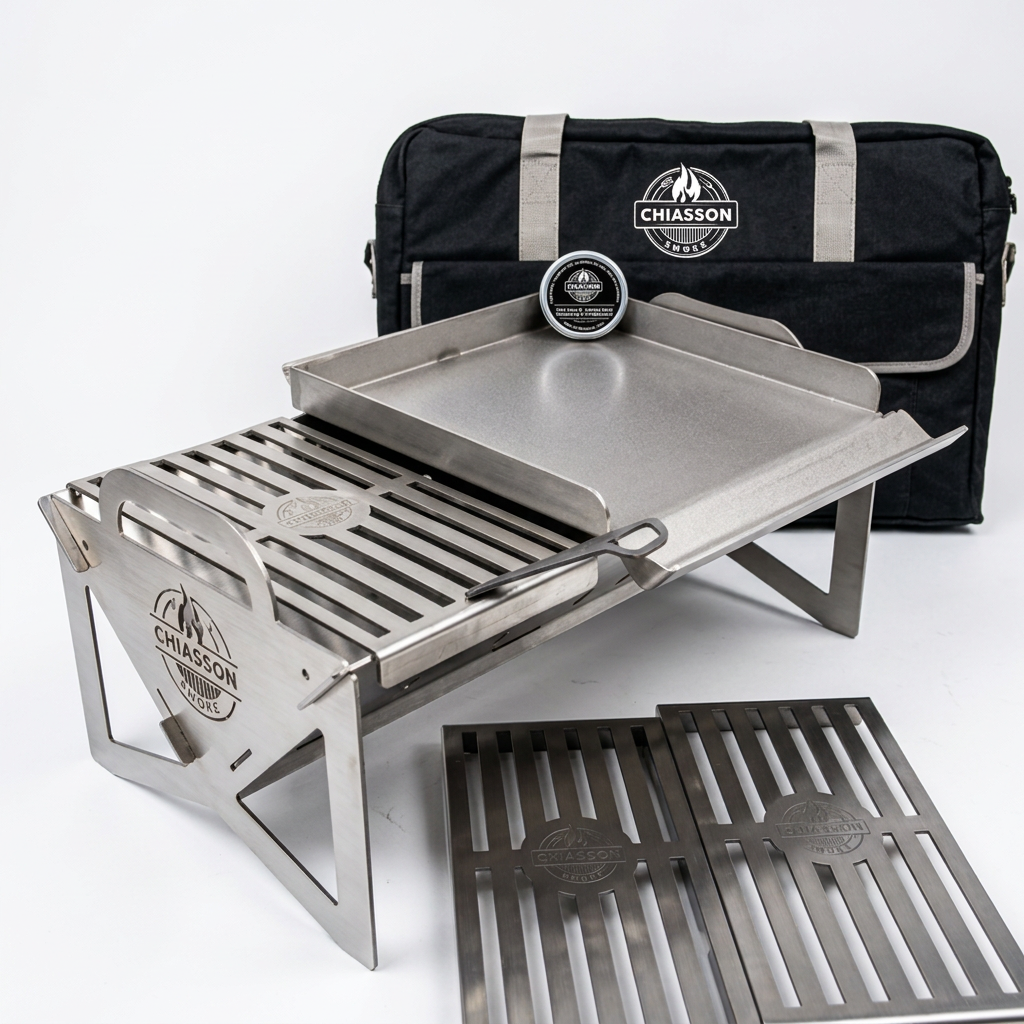
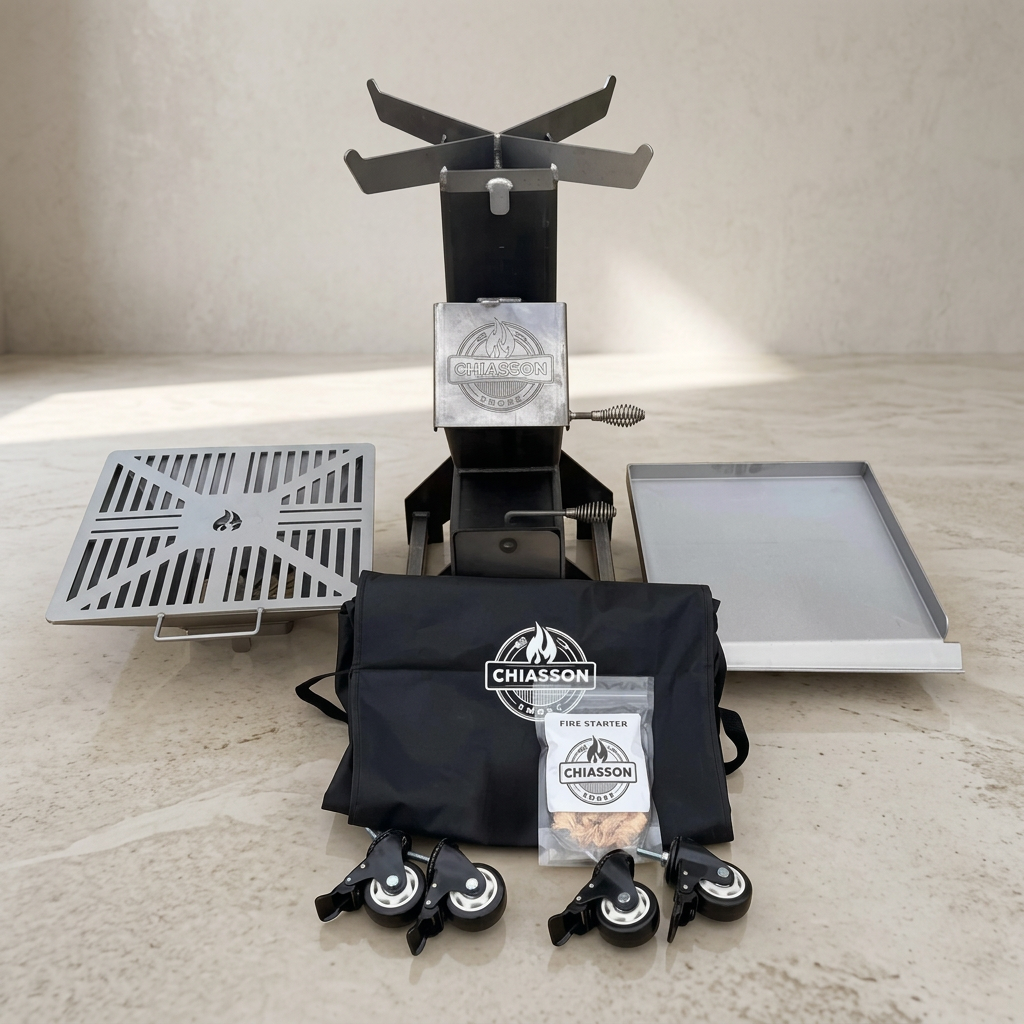
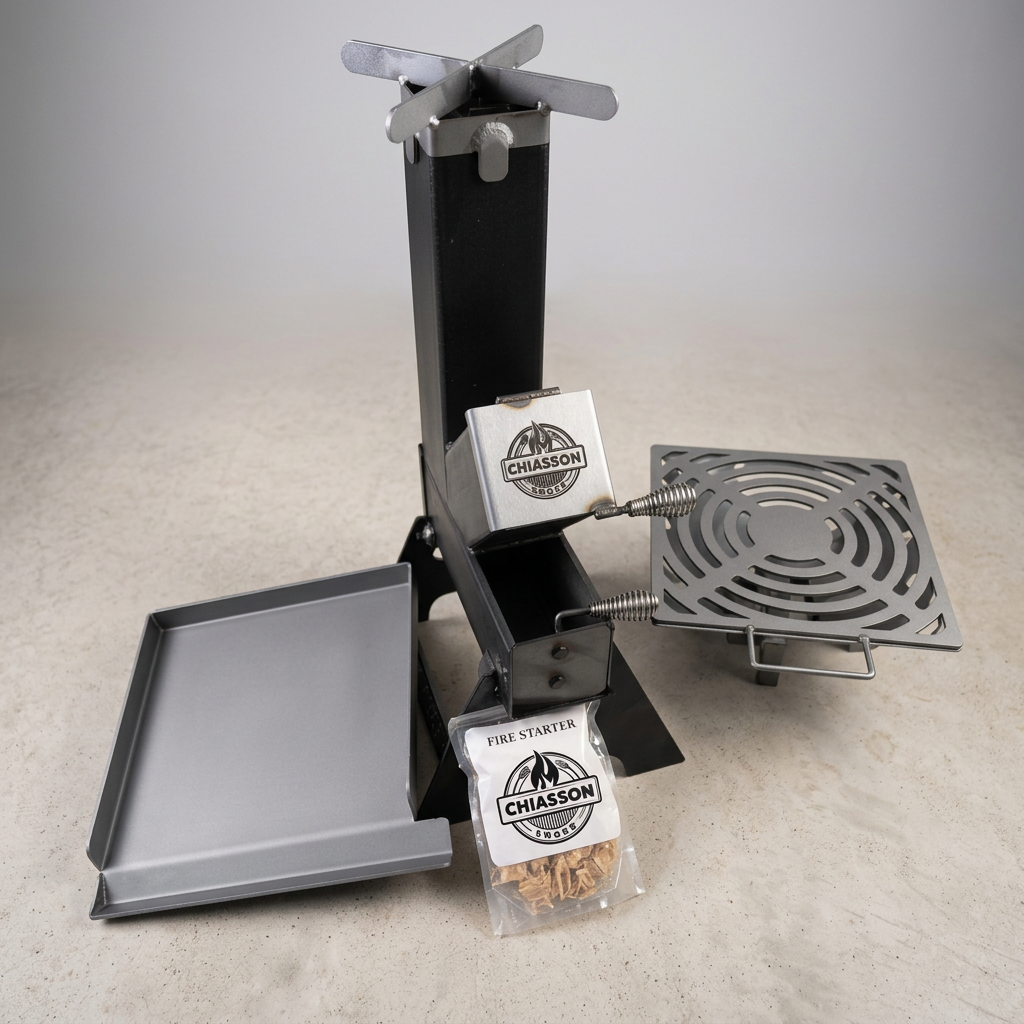
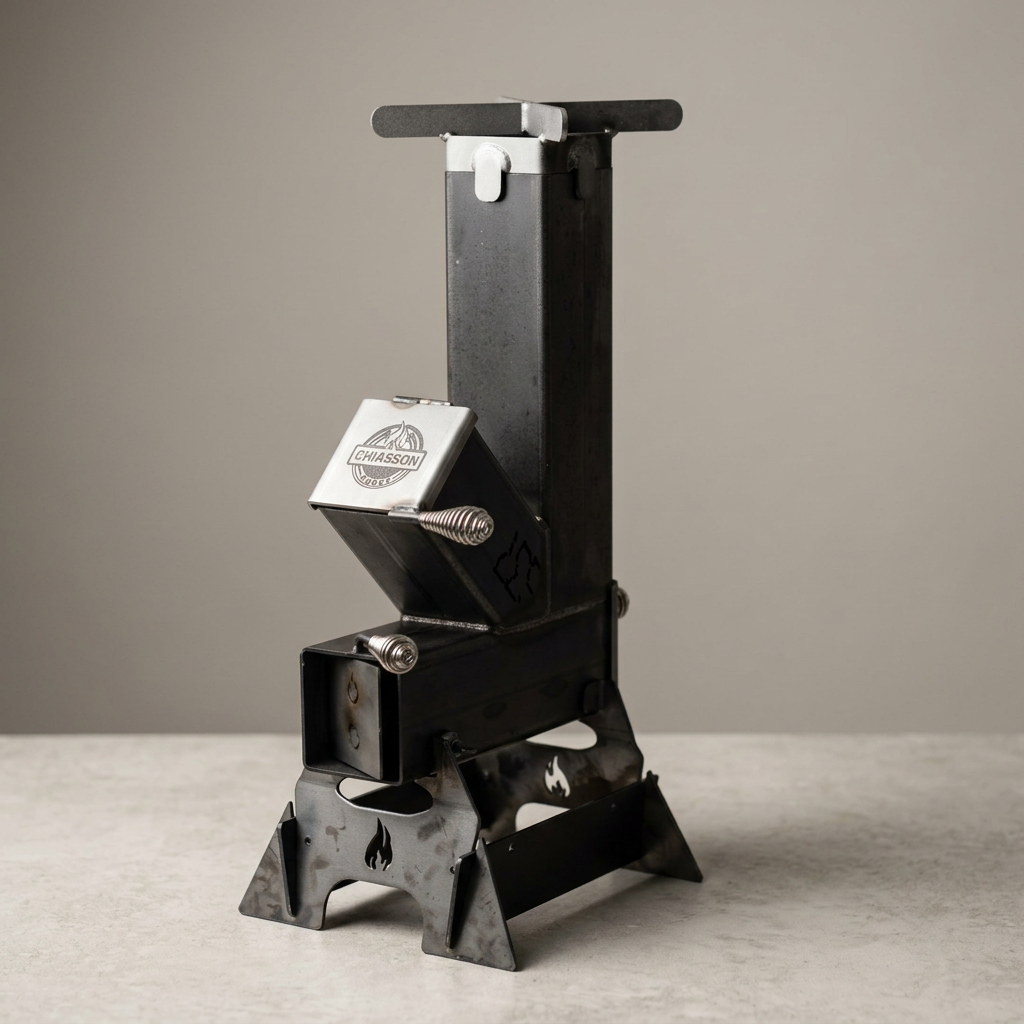
The Hauler Grill was made for people who love cooking outside but don’t want to haul around a big, bulky grill.
Its simple design packs down flat, and when you’re ready to cook, it goes together quickly with no tools needed.
Want even more ways to cook? Add one of our griddle options and make breakfast, smash burgers, fajitas, fried rice, and plenty more.