
Freshwater vs. Saltwater Fishing
If you are trying to choose between a freshwater charter and a saltwater charter, it can feel like picking between two awesome snacks. Both are good. Both can surprise you. But if you flip a coin instead of choosing intently, you won’t always be happy with the result.
This guide helps you picture what each trip is like before you book. You will learn what “freshwater” and “saltwater” really mean, what kinds of fish you might catch, what the water feels like, what gear matters, and how to pick the best trip for your goals. It is written to be clear and fun, without hiding the real details.
Freshwater And Saltwater Basics
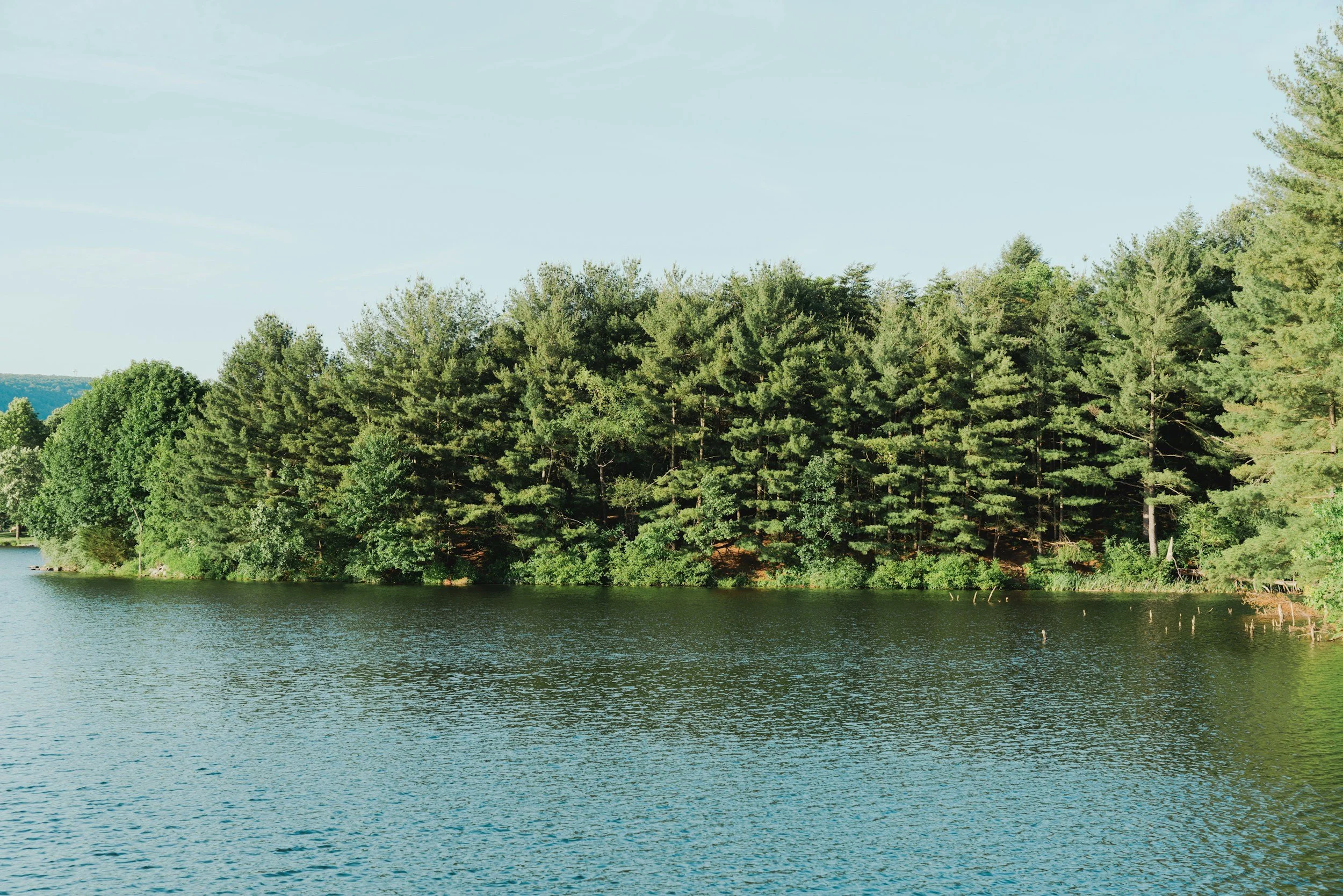
Freshwater fishing happens in water with very little salt. Think lakes, rivers, ponds, reservoirs, and many streams. Most inland places are freshwater.
Saltwater fishing happens in the ocean and in places where ocean water mixes with land water, like bays, estuaries, and tidal marshes. Some trips stay close to shore. Others run far offshore into deep water.
A simple way to remember it is this: freshwater is usually inland, and saltwater is usually coastal. But there are also brackish areas that are a mix, and many great guides fish those zones too.
How The Fish Are Different
Fish are shaped by where they live. Water type changes what they eat, where they hide, and how they fight.
Common Fish You Might Catch
Freshwater charters often target fish like largemouth bass, smallmouth bass, crappie, bluegill, perch, walleye, northern pike, muskie, catfish, and trout. What you see depends a lot on your region. For example, walleye are famous in parts of the Midwest and Great Lakes area, while trout trips are common in colder mountain rivers.
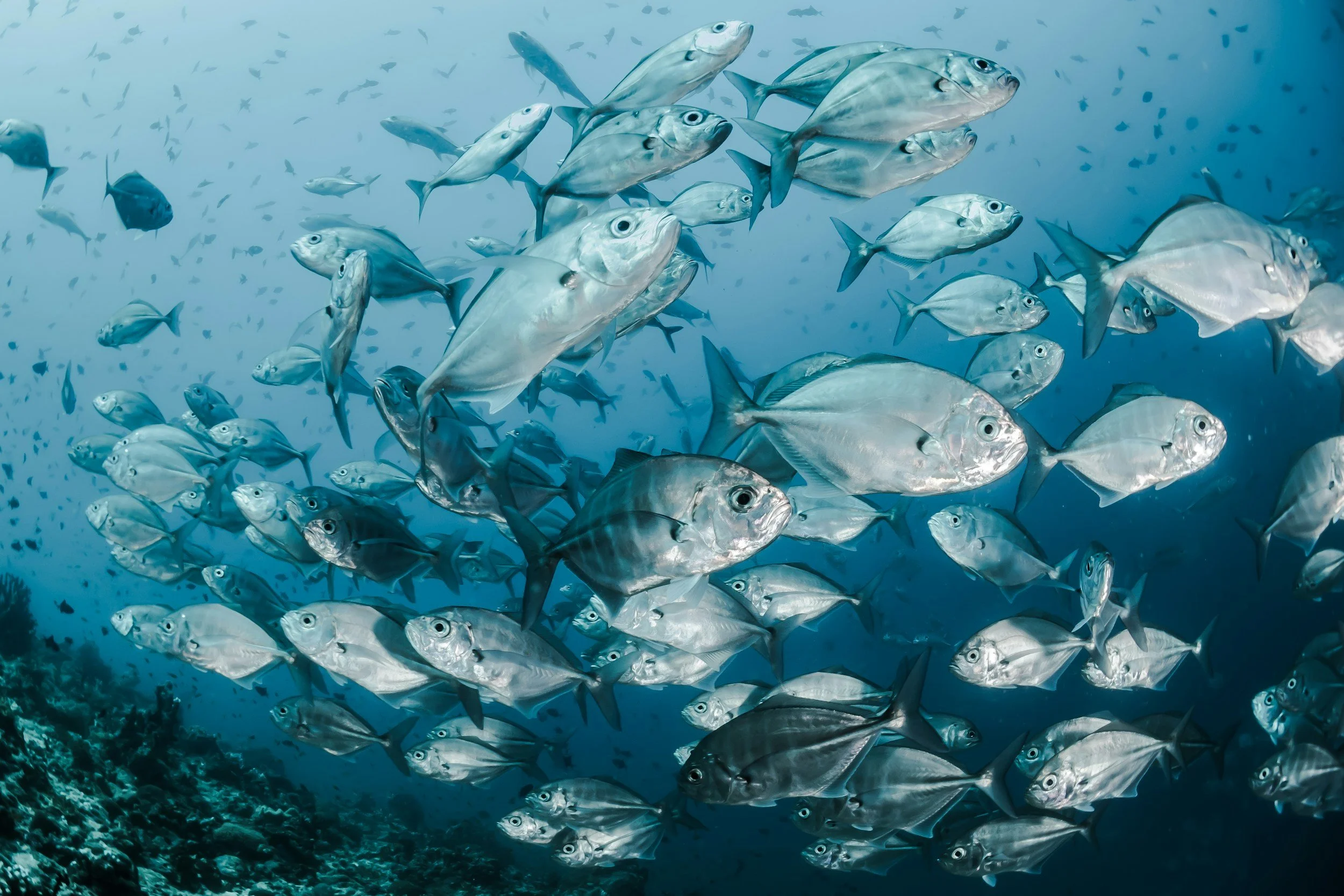
Saltwater charters have a huge menu. Near shore you might find red drum, spotted seatrout, snook, flounder, striped bass in some areas, tarpon in warm seasons, and many kinds of jacks. Offshore you can get into snapper, grouper, amberjack, mahi-mahi, tuna, wahoo, billfish, and sharks, depending on the coast and the season.
No guide can promise a species every day, because fish move and conditions change. But a good captain will tell you what is realistic for the time and place you are visiting.
Size, Fight, And Behavior
Freshwater fish can be strong and tricky. A bass can jump, shake its head, and throw the hook. A big catfish can pull like a log with a motor. Pike and muskie can hit fast and slash hard.
Saltwater fish often have more raw power, especially in the ocean. Many species make long runs, use the current, and fight like they do not get tired. Even medium fish can feel huge because waves and wind add extra challenge.
That does not mean saltwater is always “harder” and freshwater is always “easier.” It means the style of fight is different. Freshwater can be technical and precise. Saltwater can be fast and physical, especially when fish are feeding hard.
Where Fish Hold And Feed
Freshwater fish love structure. That can be weed beds, fallen trees, docks, rocks, points, drop-offs, and creek channels. Vegetation is a big deal in many lakes. It gives fish shade, cover, and food.
Saltwater fish also use structure, but it looks different. Inshore fish hold on oyster bars, mangroves, grass flats, bridges, jetties, and deeper holes in channels. Offshore fish gather around reefs, wrecks, ledges, and floating debris. In open water, bait schools and current lines can matter more than anything on the bottom.
Seasons And Migration
Freshwater fish change with water temperature and daylight. Many species have spawn seasons when they move shallow and act different. In winter, some slow down and hold deeper, while others like trout can do well in cold water.
Saltwater adds another layer: tides and migrations. Some fish move along the coast at certain times of year. Others slide in and out of bays based on water temperature, bait, and salinity. Offshore species can show up in waves, and a captain often watches reports, water temp charts, and local patterns to track them.
What A Day On The Water Feels Like
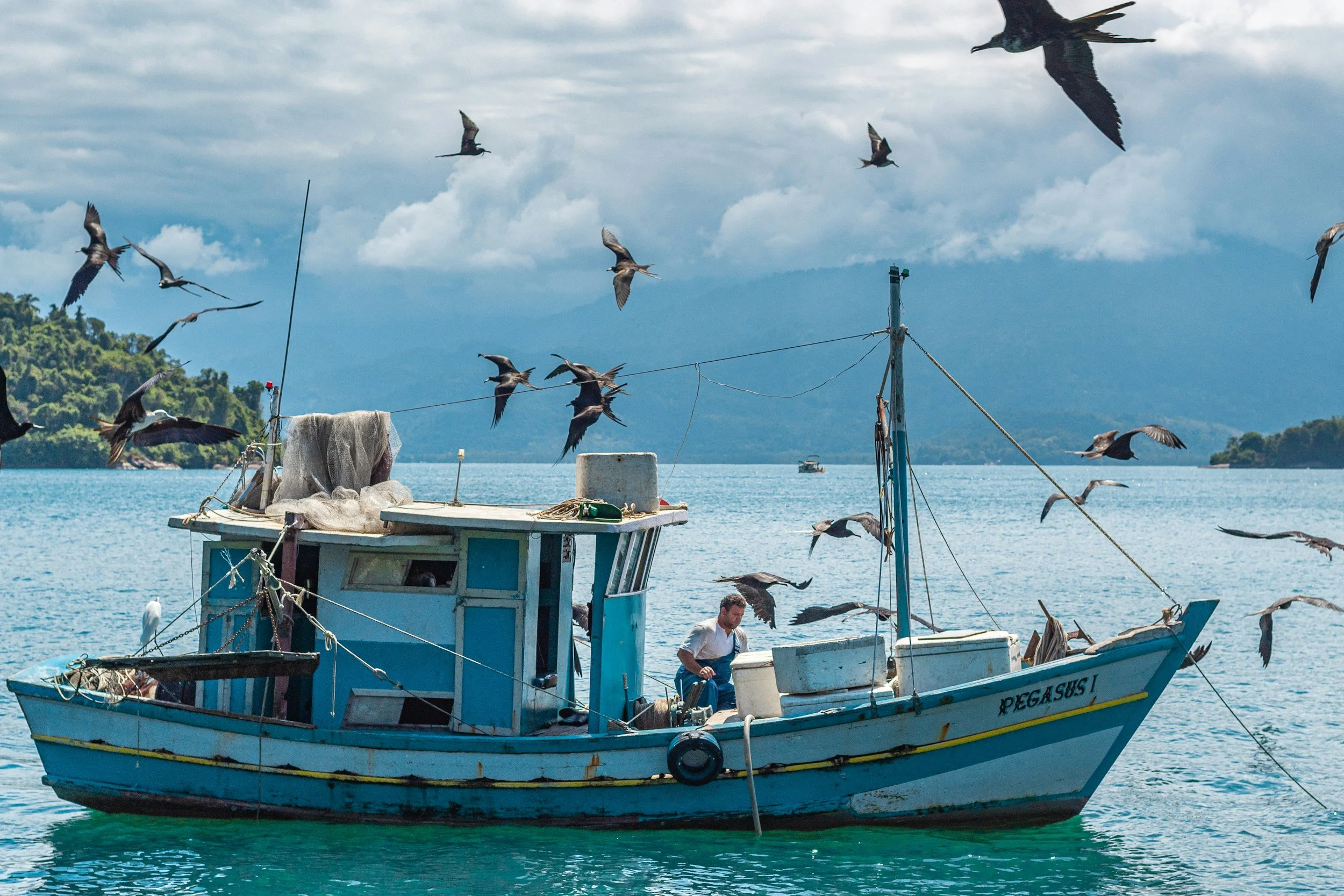
Two trips can catch fish and still feel completely different. The “vibe” matters.
Freshwater Trip Feel
Freshwater trips often feel calm and close. You might see trees, mountains, or houses along the shore. The boat ride is usually shorter, and the water is often flatter than the ocean. You can still get wind and chop on big lakes, but it usually feels more predictable.
The pace can be steady. Many freshwater trips involve lots of casts, working along shoreline cover, and changing lures. It can feel like exploring.
Saltwater Trip Feel
Saltwater trips can feel bigger. The horizon can be wide and open. Even near shore, you may see big skies, rolling waves, seabirds, and long stretches of water.
The pace can change quickly. One moment you might be drifting quietly. The next you are hooked up and everyone is moving around the boat. Offshore trips also involve longer runs, and the ride can be bouncy.
Tides, Current, Wind, And Weather
This is one of the clearest differences. Saltwater days are shaped by the tide. Tides create current, and current moves bait, and bait moves fish. A spot can be “dead” at slack tide and then turn on when the water starts moving.
Wind matters in both places, but ocean wind can build waves fast. Weather can also shift quickly offshore, so captains watch forecasts closely and make careful decisions.
Freshwater does not have ocean tides, so conditions can feel steadier. Water levels can still change from rain, dam releases, or snowmelt, but the day-to-day timing is often less dramatic than an incoming tide.
Safety And Risks
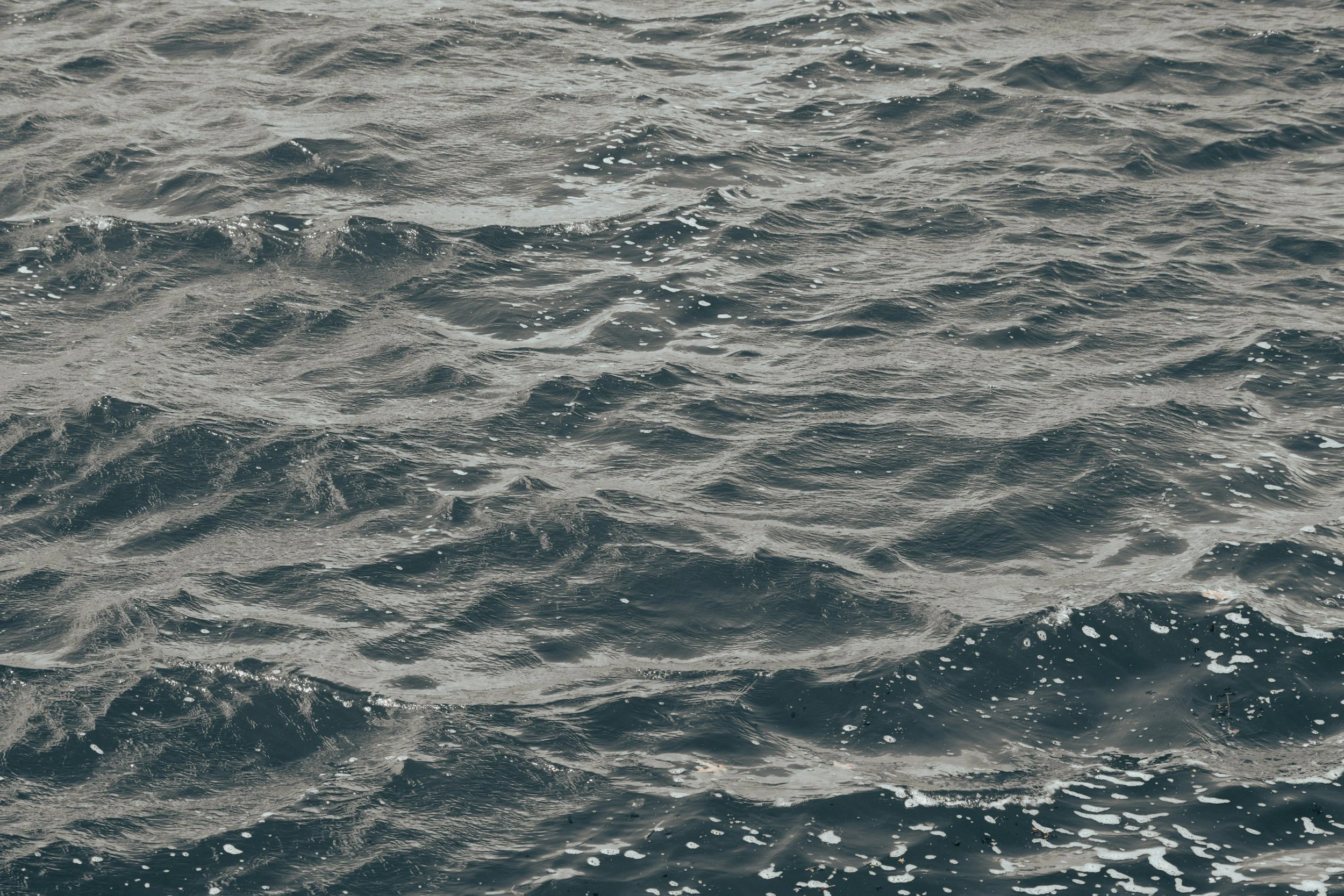
Both kinds of fishing require smart choices. Saltwater tends to have more risk because the ocean is less forgiving.
Offshore Exposure And Swells
Offshore boats may be far from land. If weather changes, the ride home can be rough. Ocean swells and wind waves can combine in ways that feel confusing if you have not experienced it.
Navigation Hazards
In saltwater, inlets and passes can be dangerous in the wrong conditions. Waves can stack up where water funnels out, especially with strong wind against current. Shallow flats can also hide sandbars, and submerged structure can damage a boat.
Freshwater has hazards too, like rocks, stumps, and sudden shallow areas, especially in reservoirs. But ocean navigation often has more moving parts.
Sun, Heat, And Seasickness
Sun exposure can be intense on both lakes and saltwater flats. On the ocean, there is often little shade and lots of reflected light. Hydration matters.
Seasickness is also a real factor offshore. Some people never get it. Some people get it once and never forget it. If you are unsure, talk to your captain before the trip and plan ahead.
Fish Handling Hazards
Freshwater fish can poke you with spines, and hooks always hurt. Saltwater adds more toothy species and stronger fish. Some have sharp gill plates. Some have serious teeth. Even a “normal” fish can surprise you when it thrashes in a rocking boat.
Good guides will show safe handling and often do the risky parts for beginners.
Skill And Difficulty
Learning Curves
Freshwater can have a bigger “lure learning” curve if you are casting a lot and trying to match what fish want. You might switch from topwater to soft plastics to crankbaits based on depth, cover, and mood.
Saltwater can have a bigger “conditions learning” curve because tides and current change everything. Reading water, timing drifts, and placing baits can be like solving a moving puzzle.
Can Beginners Do Saltwater?
Yes, beginners can do great in saltwater, especially with a good captain. Many saltwater methods are friendly for new anglers, like bottom fishing with bait. The captain sets up the rigs, tells you when to reel, and helps with tangles.
The key is choosing the right trip. A calm inshore day is usually easier than a long offshore run in heavy seas.
Physical Demands
Freshwater casting can be tiring because you may cast hundreds of times. Saltwater can be tiring because fights can be longer, and boats may run farther. Moving around the boat while waves rock it can also be harder for some people.
Techniques That Change
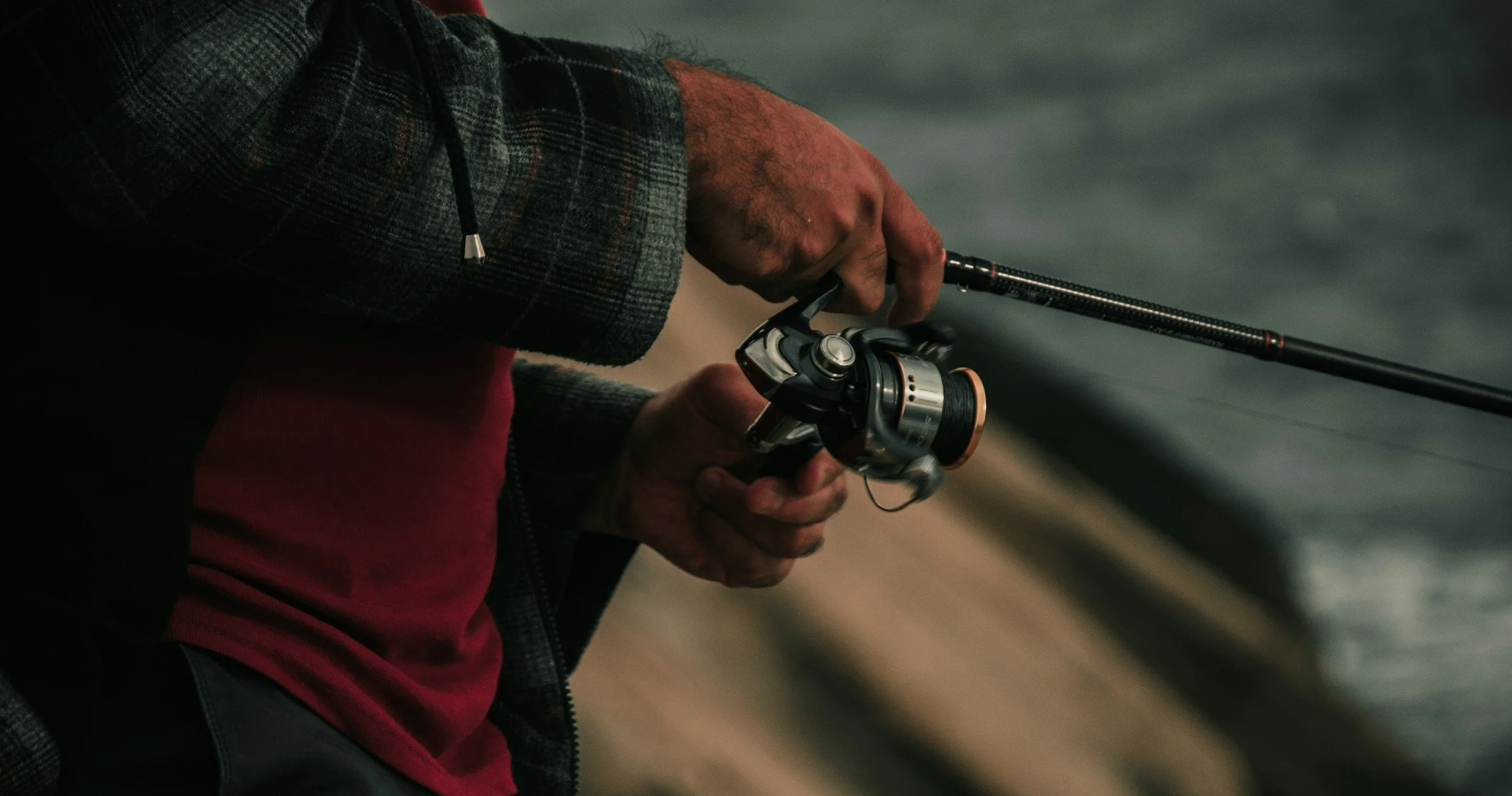
Freshwater anglers often cast to cover, work lures with different speeds, and use finesse techniques when fish are picky. Trolling is also common for some species, like walleye and trout, in certain places.
Saltwater anglers may drift baits across structure, fish live bait, work jigs, troll for fast open-water fish, or sight-fish on shallow flats when water is clear. Timing and presentation often depend on current. The same bait in the same spot can work great or not at all, based on water movement.
Gear Differences
Saltwater is tougher on gear. Salt causes corrosion, and many ocean fish demand stronger drags and heavier line, which means beginner gear might not cut it for you.
Rods and reels for freshwater can be lighter for repeated casting, though heavy setups exist for pike, muskie, and big catfish. Saltwater setups often use stronger reels, sealed bearings on higher-end models, and line that can handle long runs.
Terminal tackle can differ too. Saltwater often uses leader material to handle sharp mouths, rough structure, and abrasion. Hooks and weights may be larger, and rigs may be built to fish deeper water with current.
Boats also differ. Offshore boats may have more safety gear, navigation tools, and fuel capacity. Inshore skiffs may be built to float in very shallow water. Freshwater boats often focus on quiet movement, like trolling motors, to sneak along shorelines.
Clothing changes as well. Freshwater may mean layers for cool mornings and a rain jacket. Saltwater often demands sun protection, non-slip shoes, and gear that can handle spray.
Cost And Value
Saltwater charters often cost more because fuel use can be higher, boats can be larger, and offshore capability requires more equipment and maintenance. That does not mean every saltwater trip is expensive. Many inshore trips are priced competitively, especially for small groups.
Freshwater charters can be a great value if the fishing grounds are close and the boat setup is simpler. But top-tier freshwater trips can still be premium, especially for specialized fisheries.
Also plan for fishing licenses, possible fish cleaning fees where offered, bait costs on some trips, and gratuity. Rules vary by state and region, so confirm details before you arrive.
Planning Time On The Water
Half-day trips are common in both worlds, but travel time matters. On a lake, you might start fishing quickly. On an offshore trip, the run to the fishing grounds can take a large part of the day.
Short trips are great for families, beginners, and anyone who wants a taste of the action. Longer trips shine when you need time to reach distant spots, wait for the tide window, or try multiple techniques.
The Experience Beyond Fish
Freshwater offers quiet beauty. You might see deer, eagles, or mist rising off the water at sunrise. Lakes can feel like secret places, even near towns.
Saltwater offers big nature moments. Dolphins may surf boat wakes. Sea birds may dive on bait. You might watch a storm far away like a moving mountain of clouds.
Comfort can swing either way. Freshwater may have more bugs near shore. Saltwater may have more motion and spray. Crowds can happen in both places, especially on popular weekends.
Choose By Your Goals
If you want consistent action, some freshwater trips for panfish or stocked trout can be very steady, and some saltwater bottom fishing trips can be steady too. If you want a trophy, both can deliver, but the path is different. Freshwater trophies often require patience and precise casting. Saltwater trophies may require longer runs, stronger gear, and weather cooperation.
If you want relaxed pacing, a calm lake morning can be perfect. If you want variety and surprise, saltwater can feel like a treasure box because so many species might show up.
For families and kids, look for trips with shorter runs, calm water, and lots of chances to reel. Ask the captain if they enjoy teaching. Many do, and it makes the day smoother.
If food is a big goal, tell your captain what you want to eat. They can suggest species that are in season and legal to keep where you are fishing.
Taste And Table Quality
People argue about whether freshwater or saltwater tastes better. The truth is that species matters more than water type. Some freshwater fish have mild, clean flavor when handled well. Some saltwater fish are rich and buttery. Both can also taste “off” if they are not cared for properly.
Freshness, icing the catch, and cleaning it correctly often matter more than whether it came from a lake or the ocean.
Health And Nutrition
Fish can be a great source of protein, and many species provide omega-3 fats. Fat levels vary by species, not just by freshwater or saltwater. Mercury levels also vary by species and size. In general, larger and longer-living predator fish tend to have higher mercury than smaller species, but you should always check your local health advisories for the best guidance.
If you want lean meals, many white-fleshed fish work well. If you want more healthy fats, some species are naturally richer. Picking the right fish is like picking the right tool: match it to your goal.
Cooking Differences
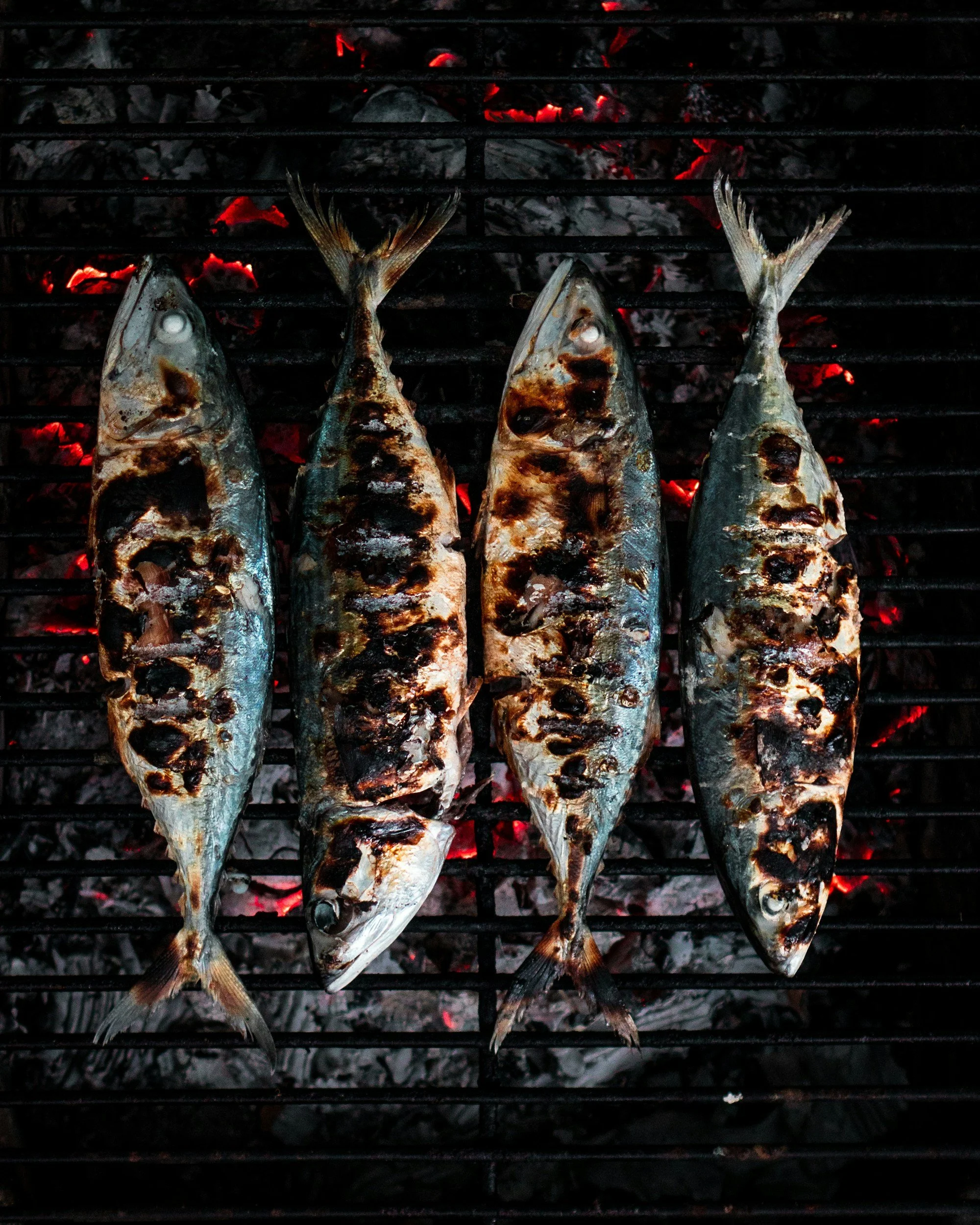
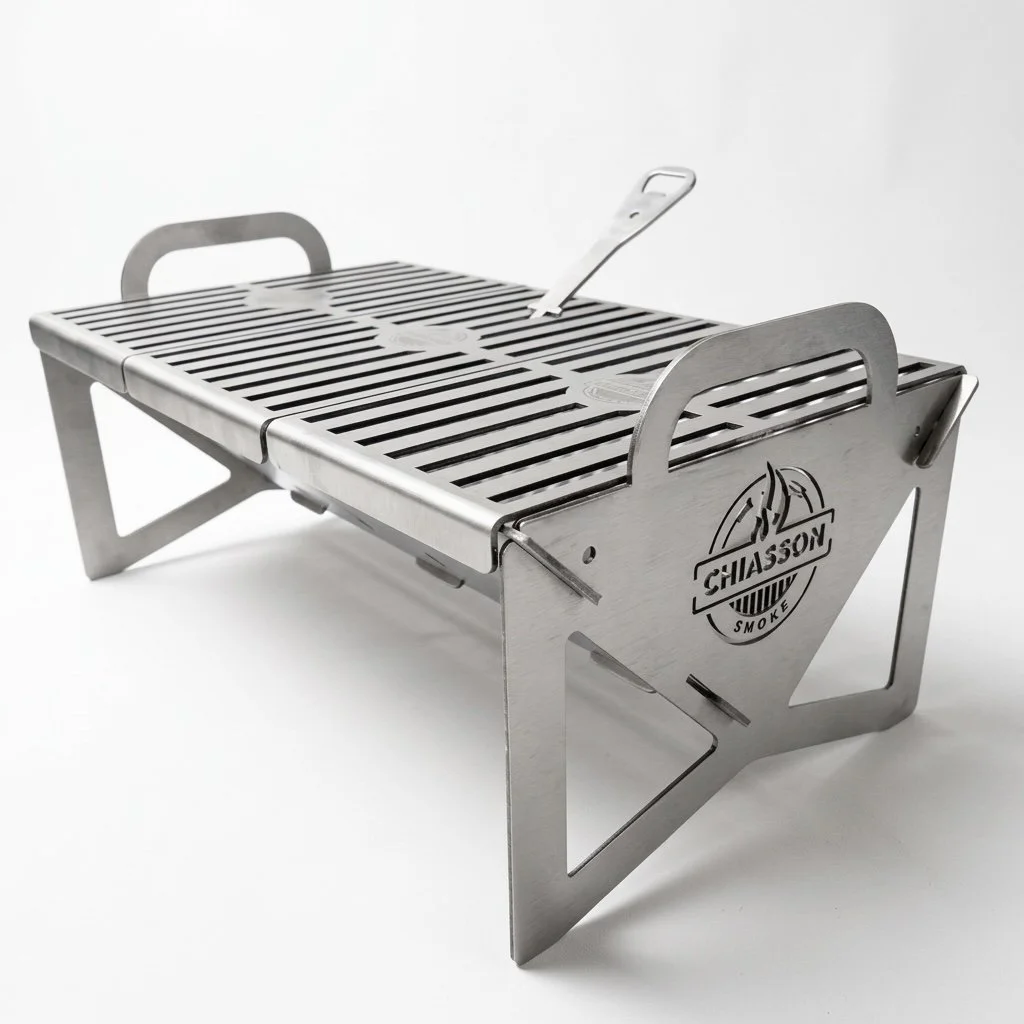
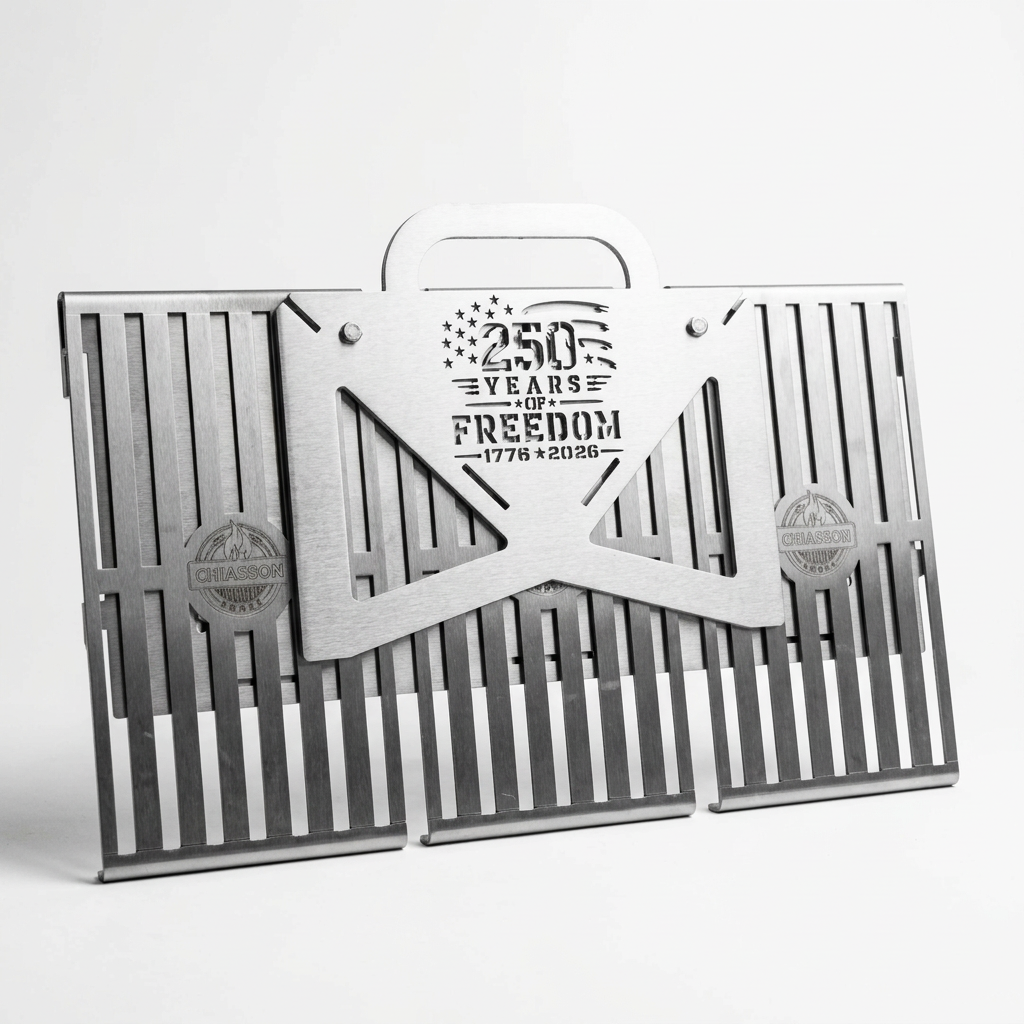
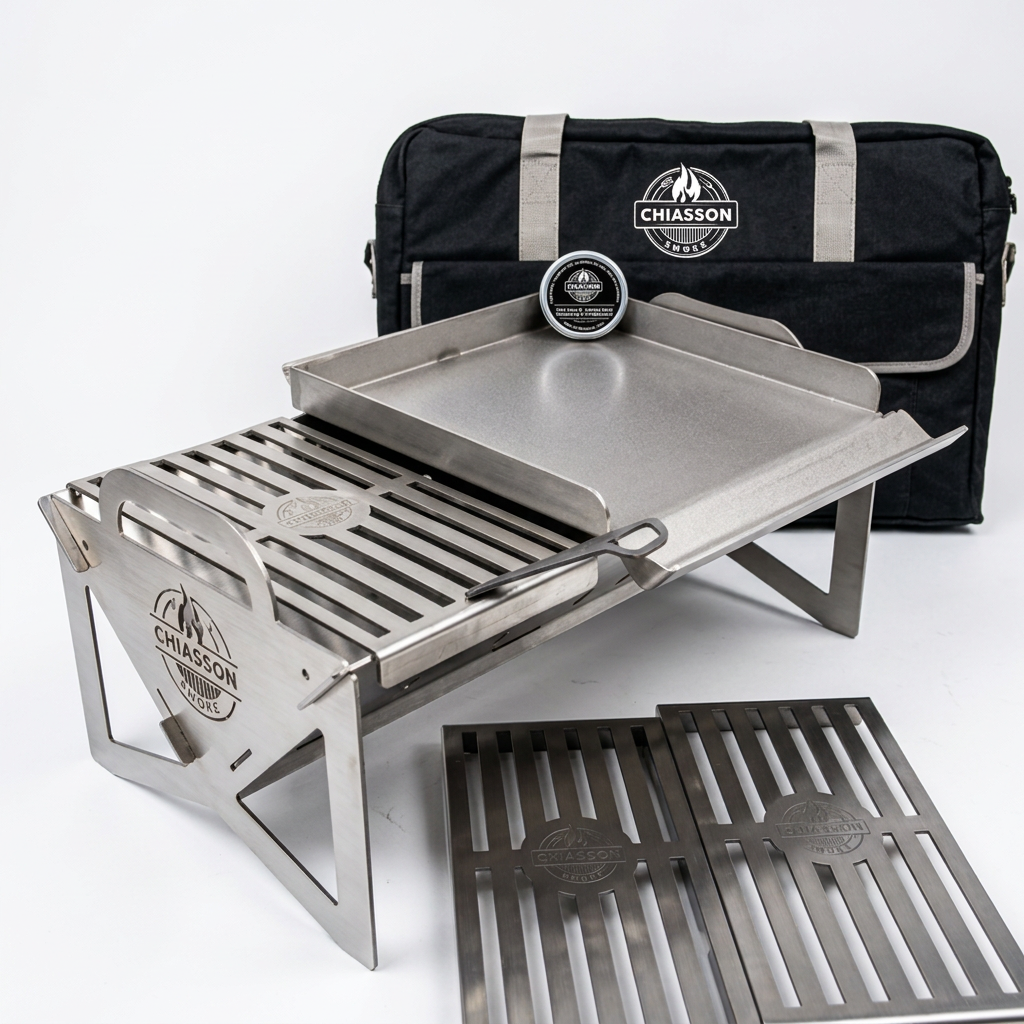
Freshwater fillets are sometimes thinner, depending on species, and can dry out if overcooked. Some are delicate and do better with gentle heat. Saltwater fish can range from delicate to thick and steak-like. So make sure you’re educated on how much heat your grill or fire pit gives off, as well as how to control the heat.
On the grill, thicker fish often handle higher heat better. Skin-on fillets can help protect the flesh and reduce sticking. A clean, oiled grate matters. So does patience. If you try to flip too early, the fish may tear.
Seasoning is also different. Many saltwater fish already taste “ocean-sweet,” so simple flavors like lemon, herbs, and light spice can shine. For freshwater fish, a little extra seasoning, a quick brine, or a crisp coating can be great, especially for mild fillets.
If grilling is not ideal, pan-searing works well for firmer fish, baking is easy for many fillets, frying is classic for species like crappie and bluegill, and smoking can be amazing for richer fish.
A Simple Decision Checklist
Choose freshwater if your location and season make lakes and rivers the best option, you want calmer water, and you like a close-to-nature feel.
Choose saltwater if you can handle more wind and waves, you want more species variety, and you are excited by tides, current, and the chance for bigger fights.
Also weigh your budget, the time you have, how far you want to travel to reach the fish, what you hope to keep for dinner, and how active you want the day to be.
Wrap-Up
Freshwater and saltwater fishing are both worth your time. One is not “better” than the other. They are different adventures with different rhythms. If you can, try both over time. Each will teach you new skills, give you new stories, and make the next trip even more fun.

⚠️Ships out within 1 - 2 weeks
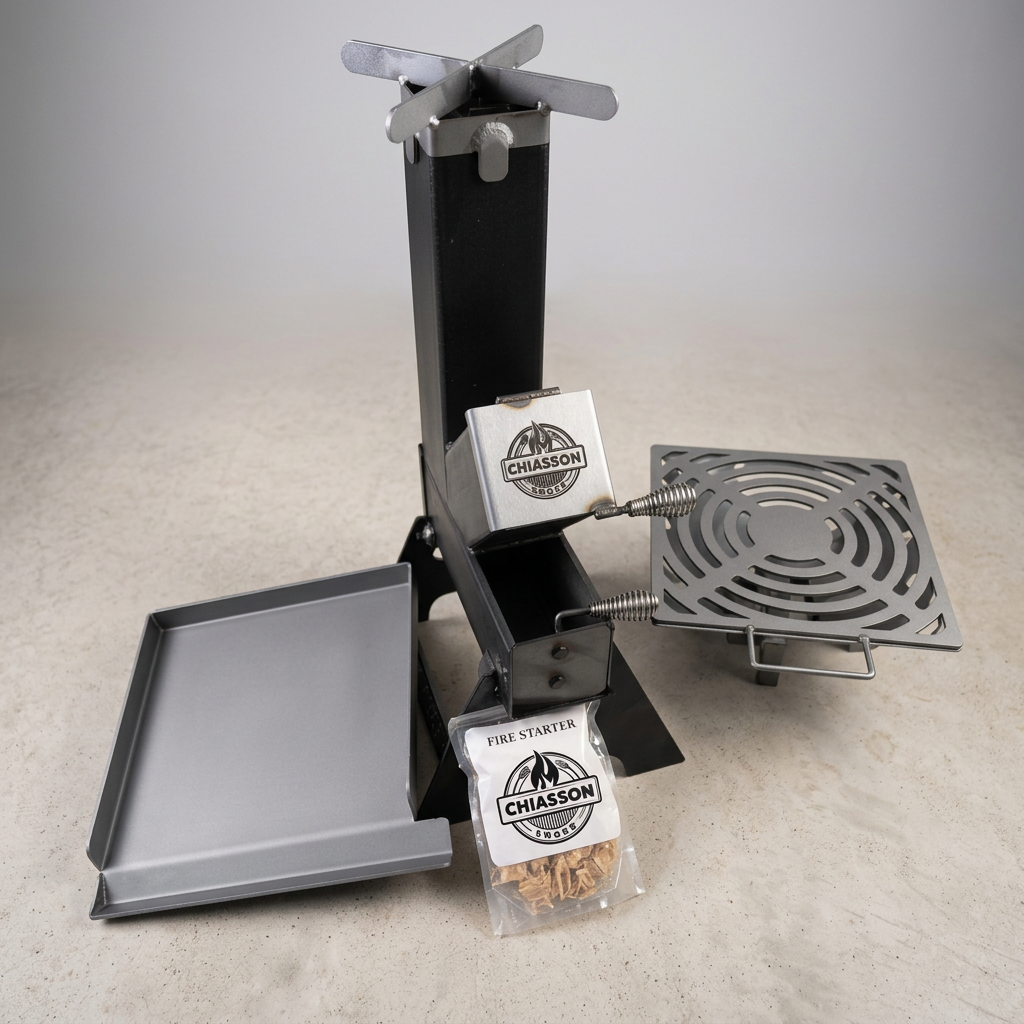
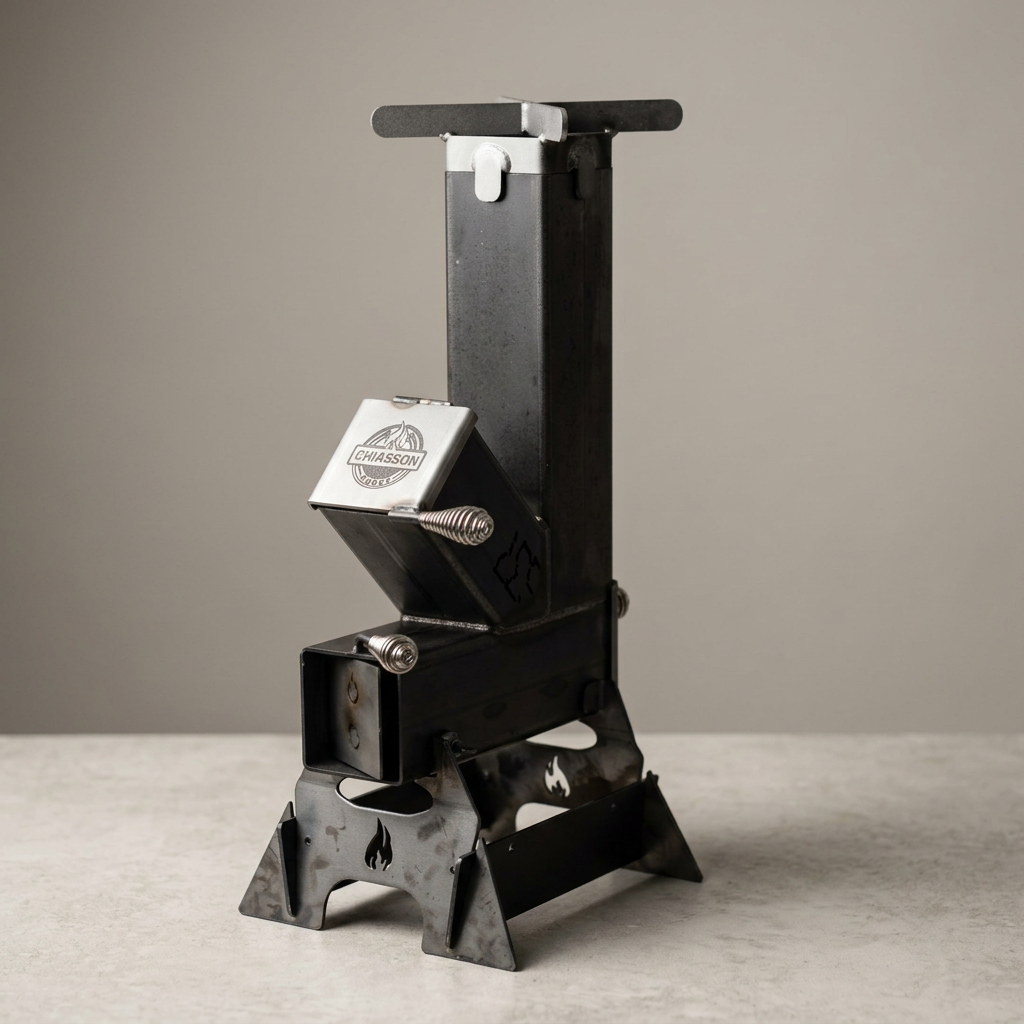
Introducing The Ultimate Package, designed to bring luxury and convenience to your outdoor cooking experience. This premium package includes a 6-inch rocket stove that comes with smooth-rolling casters for effortless mobility, a 16-inch grill top, and a 16-inch griddle top. It also comes with a custom-fit grill cover to protect your stove when not in use, along with a fire starter kit to make lighting your fire quick and easy. The Ultimate Package has everything you need to cook in style and comfort. Save $100 when you buy the ultimate package, worth $1,000!!