
Essential Fishing Gear for Beginners
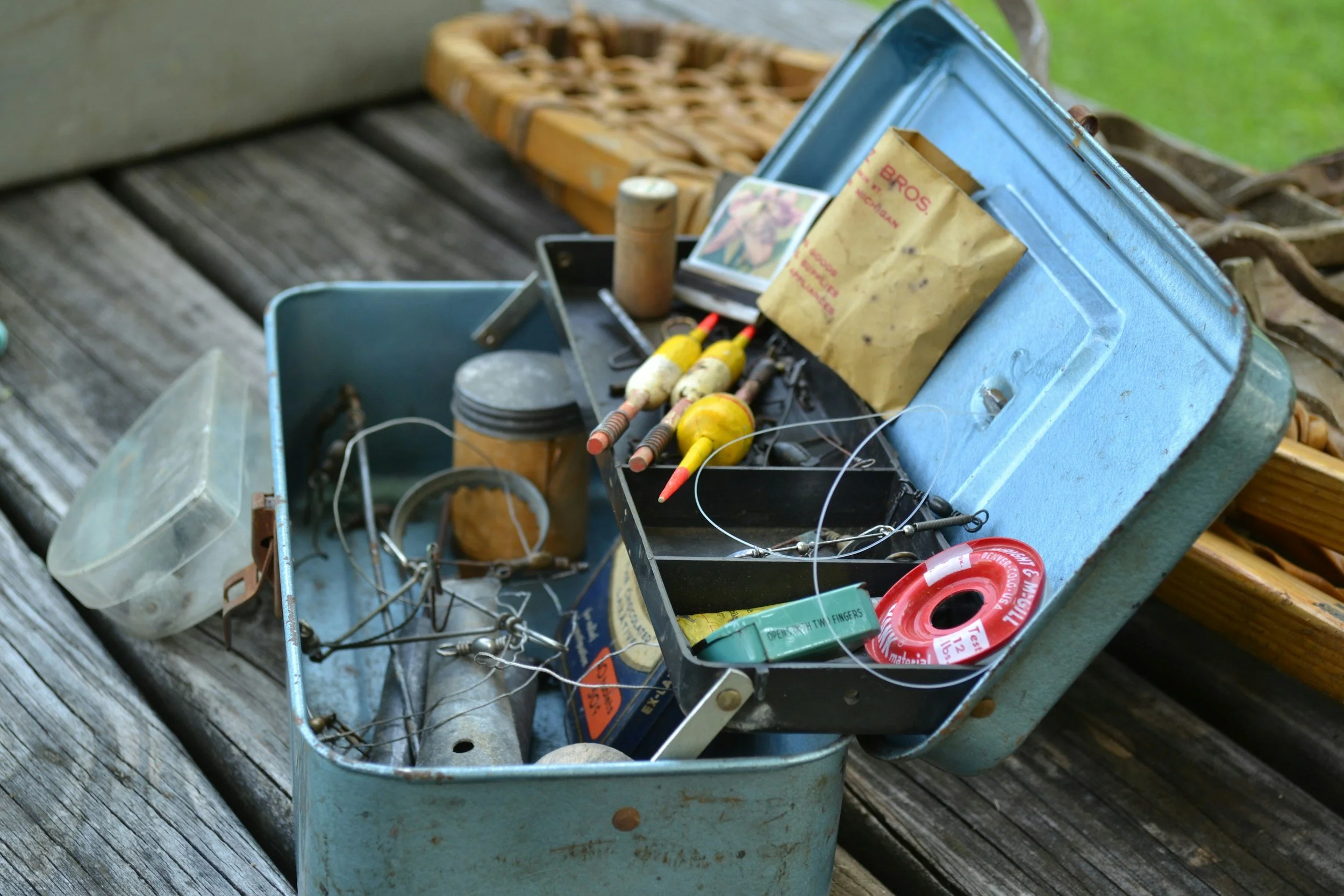
Tackle: The Big Idea
Fishing tackle is just a fancy name for the gear that helps you catch fish. It can look like a huge pile of tiny parts, but it is really one system. Each piece has a job, and they work best when they match.
Your rod is the lever. It helps you cast and it helps you fight the fish. Your reel is the line holder and the line mover. It lets you cast farther, pick up slack, and use drag so a fish cannot snap your line. Your line is the connection between you and the fish. Terminal tackle means the parts at the end of the line, like hooks, sinkers, and swivels. Bait or lures are what the fish bites.
If one part does not match the others, you will feel it. A heavy lure on a light rod can break the rod tip or make casting messy. Line that is too thick can jump off the spool or make your casts short. A hook that is too big can scare small fish or stop the bait from moving right.
When your gear matches, fishing feels smooth. Your cast is easier, your bait looks more natural, and your chances go up.
A Smart First Setup
New anglers often try to buy everything at once. That is how you end up with a tackle box full of random stuff and not enough of the right stuff. A better plan is to buy a simple core setup first, fish with it, and then add gear as you learn what you like.
Start with one rod and one reel that can do many jobs, one main line type, a small set of hooks and weights, and a few baits or lures. Later, you can add special gear like heavier rods for big lures, lighter rods for tiny baits, or different lines for different waters.
A good first shopping order is: rod and reel, line, basic terminal tackle, then a small set of lures or bait tools. Storage and tools can come next. Extra lures and fancy add-ons can wait until you have time on the water and know what you actually use.
This plan saves money and saves frustration. It also helps you learn faster because you are not switching gear every five minutes.
Picking a Rod
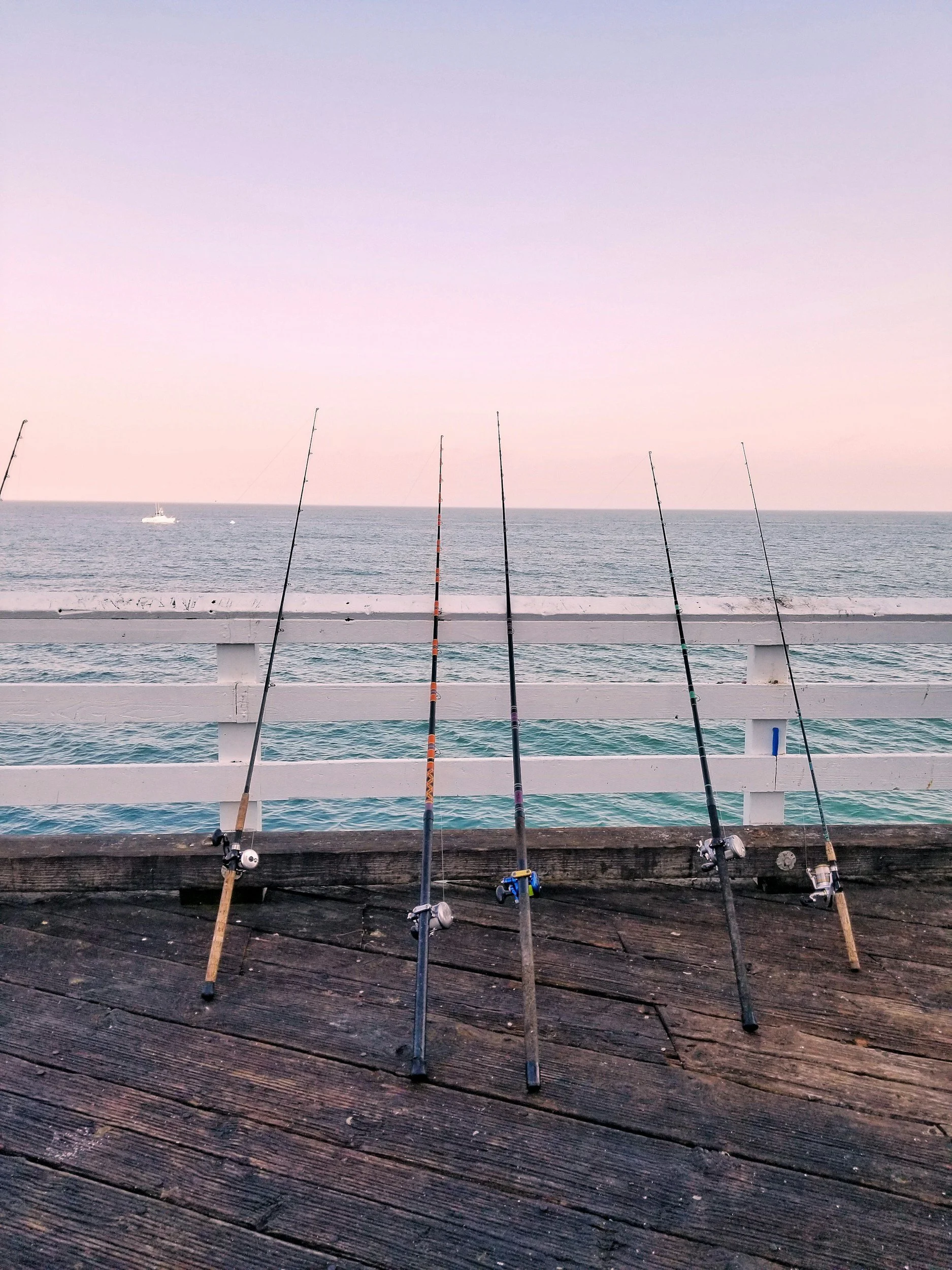
A fishing rod is not just a stick. It is a tool with a certain length, power, and action. Those words sound tricky, but they are simple once you connect them to real fishing.
Rod Length
Rod length affects casting distance and control. Longer rods often cast farther because the tip travels a bigger circle. Shorter rods can be easier to handle in tight places like small creeks or brushy banks.
Many beginners do well with a rod around 6 to 7 feet long for general freshwater fishing. That range is common because it works for many lure weights and many species, and it is not hard to manage.
Power: How Strong It Is
Rod power is the strength rating. You might see labels like ultralight, light, medium, medium-heavy, and heavy. A stronger rod can handle heavier line and heavier lures, and it can control bigger fish better. A lighter rod bends more and works better for small baits and small fish.
If you want one rod to start, a medium or medium-heavy power rod is often a solid choice for freshwater lakes and ponds. It can handle many bass lures, small live bait rigs, and a wide range of fish sizes.
Action: Where It Bends
Rod action tells you where the rod bends the most. Fast action bends more near the tip. Moderate action bends more through the middle. Slow action bends deep, closer to the handle.
Fast action rods can feel crisp and help you set the hook quickly. Moderate action rods can help keep fish pinned on treble hooks because the rod gives a little more. Neither is magic. They are tools for different jobs.
Match Rod to Water and Fish
Think about where you will fish. A small pond with weeds is different from a clear rocky lake. A river with current is different from a calm dock.
For panfish like bluegill, a light to medium-light rod can be fun and effective. For bass in weedy water, a medium-heavy rod can help pull fish away from cover. For trout in small streams, shorter and lighter setups are common because you need gentle casts and careful control.
If you do not know yet, do not stress. Pick a general-purpose rod, then learn from what feels hard. Fishing teaches you what you need next.
Picking a Reel
A reel is more than a spool. It controls how line leaves, how line returns, and how much pressure you put on a fish. Different reel types shine in different situations.
Spincast Reels
Spincast reels have a push button. They are often seen on kids’ rods, but adults use them too. They can be simple to cast because the line comes out in a controlled way.
The trade-off is that spincast reels usually do not handle heavier line and heavy lures as well as other reels, and they may not cast as far. They can also get line problems inside the cover where you cannot see them.
Spincast is a good choice if you want the easiest learning curve and you are fishing simple rigs like a bobber and worm.
Spinning Reels
Spinning reels are very common for beginners and for experienced anglers. They are easy to use, handle light lures well, and work for many styles of fishing.
On a spinning reel, the spool stays still and the bail wraps line around it. You cast by flipping the bail open and holding the line with your finger. With a little practice, it becomes natural.
Spinning reels are great for ponds, lakes, rivers, and even saltwater in the right size.
Baitcasting Reels
Baitcasters sit on top of the rod. They give excellent control and can be great for heavier lures and accurate casting. But they can be harder to learn because the spool spins during the cast. If the spool spins faster than the line is leaving, you get a backlash, which is a messy tangle.
Beginners can learn baitcasting, but it helps to start with a good reel, set the brakes correctly, and practice with a heavier lure in an open area. Many people wait until they are comfortable with spinning gear first.
Fly Reels
Fly fishing is its own style. You cast the line itself, not the weight of a lure. The rod, line, and flies are designed to work together as a system.
Fly fishing can be amazing, but it is not usually the simplest way to start if your goal is general fishing. If you want to begin with fly gear, it can help to get a lesson or go with someone who knows the basics, because casting technique matters a lot.
Reel Size and Drag Basics
Reels come in sizes. Spinning reels might be labeled 1000, 2000, 2500, 3000, and so on. Bigger numbers usually mean a bigger spool and more line capacity. You do not need a huge reel for a small pond.
Drag is the system that lets line slip out under pressure. It protects your line from breaking when a fish pulls hard. A smooth drag matters more than a super strong drag for most beginner fishing. When a fish runs, the drag should give line in a steady way, not in jerks.
A simple rule is to set drag so it can slip before the line snaps. You can test by pulling line off the reel with your hand. It should take effort, but it should not feel locked solid.
Rod-and-Reel Combos
A combo is a rod and reel sold together. Combos can be a great way to start because they are matched in size and they usually cost less than buying separately.
The main advantage is simplicity. You do not have to guess if the reel foot fits the rod seat or if the rod feels balanced with the reel. Another advantage is that many combos are designed for common uses, like a medium spinning combo for general fishing.
The downside is that not every combo is high quality, and sometimes the rod is fine but the reel feels rough, or the reel is fine but the rod feels heavy. Also, if one part breaks, you may want to upgrade just that part, and the other piece might not match as well.
When you shop for a combo, check the lure weight rating and the line rating printed on the rod. Those are real guides. If the rod says it throws 1/4 to 3/4 ounce, do not expect it to cast a tiny 1/32 ounce jig well. Also, turn the reel handle and feel for grinding or wobble. A reel does not need to feel fancy, but it should feel smooth.
A common beginner mistake is buying the cheapest combo and then using line that is too heavy or lures that are too big for it. Another common mistake is not learning to spool line correctly, which can make any reel feel bad.
Fishing Line Fundamentals
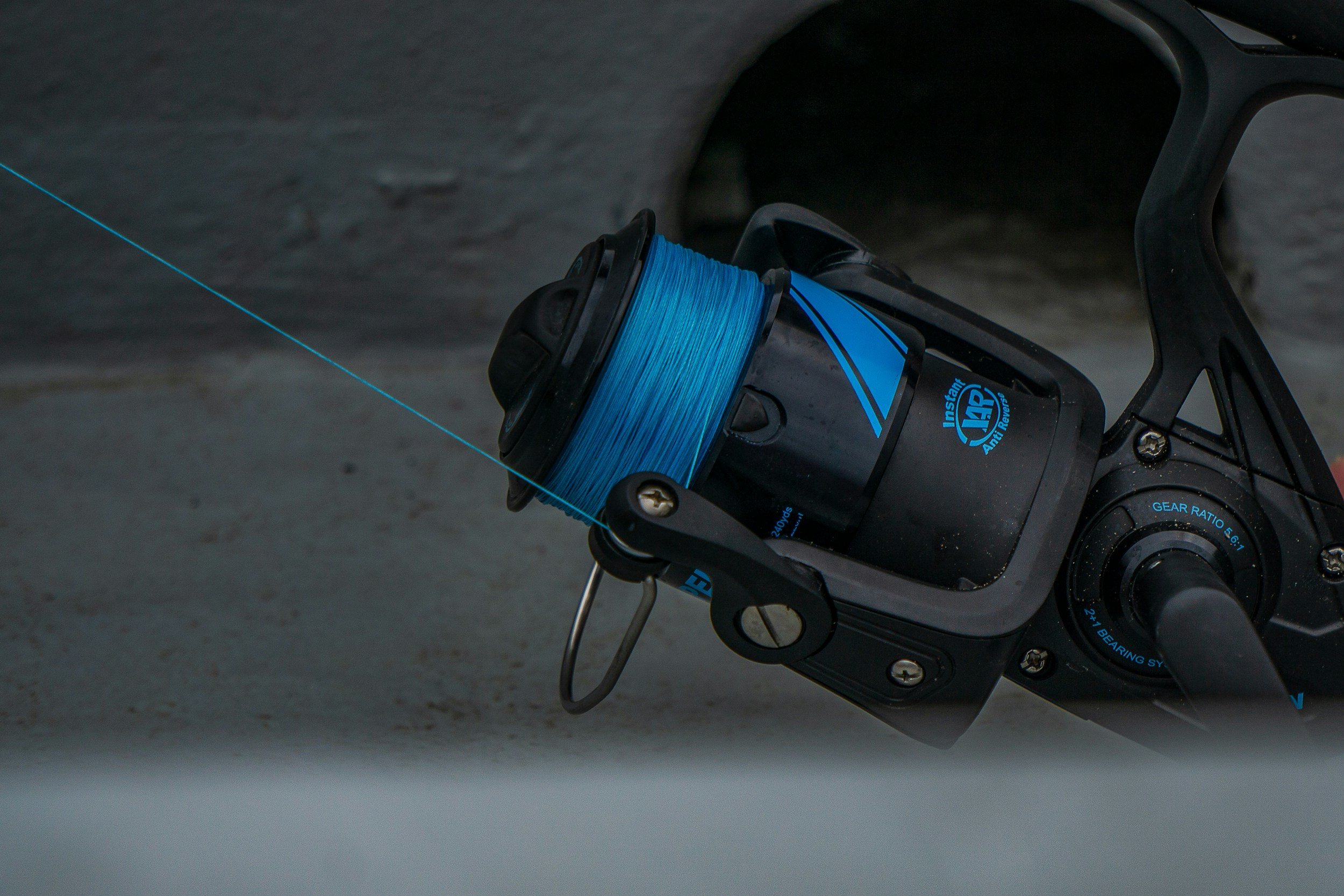
Line is easy to ignore until it causes trouble. The line affects casting, sensitivity, and how your lure acts in the water. There are three main line families used by most beginners: monofilament, fluorocarbon, and braid.
Monofilament
Monofilament, often called mono, is a single-strand line. It is popular because it is easy to handle, affordable, and it stretches. That stretch can be helpful because it forgives mistakes. If a fish surges, the line gives a bit.
Mono can float or suspend depending on the exact type, and it is used for many basic rigs. It can be a great first line because it behaves well on most reels, especially spinning and spincast.
Fluorocarbon
Fluorocarbon is another single-strand line, but it is denser than mono and tends to sink. Many anglers like it because it is less visible in water than mono, especially in clear water. Fluorocarbon also has less stretch than mono, which can help you feel bites.
Fluorocarbon can be stiffer, which can make it harder to manage on some reels, especially in heavier pound tests on small spinning reels. Some beginners use it successfully, but it can require careful spooling and the right reel size.
Braided Line
Braid is made from many fibers woven together. It is very strong for its diameter, so you can use a thin line that still has high strength. Braid has very little stretch, so you can feel light bites well and set hooks quickly.
Braid is also very visible in water, so some anglers use a leader of mono or fluorocarbon tied to the end. Braid can be great in heavy weeds because it cuts through plants better than many other lines, but it can also dig into itself on the spool if spooled too loose.
Strength, Diameter, Stretch, Visibility
Pound test tells you the general breaking strength, but diameter matters too. Thicker line makes more drag in water and can reduce casting distance. Stretch changes how your hooksets feel. Visibility matters in clear water where fish can get wary.
A beginner-friendly approach is to pick a line type that matches your reel and your main fishing style. Mono is often the easiest to start with. Braid can be easy too if you learn good knots and keep the spool tension right.
Matching Line to Rod, Reel, and Technique
Your rod has a line rating. It might say something like 6 to 12 lb line. That is a useful guide for balance and performance. Your reel also has a line capacity rating. If you put very heavy mono on a small spinning reel, it can spring off in coils.
If you are using small lures, lighter line helps casting. If you are fishing heavy cover, stronger line helps pull fish out. If you are using treble hook lures, a little stretch can help keep fish pinned.
The best setup is the one that feels controlled. If your line is constantly tangling, it is usually a sign something is mismatched or spooled wrong, not that you are hopeless.
Terminal Tackle Essentials
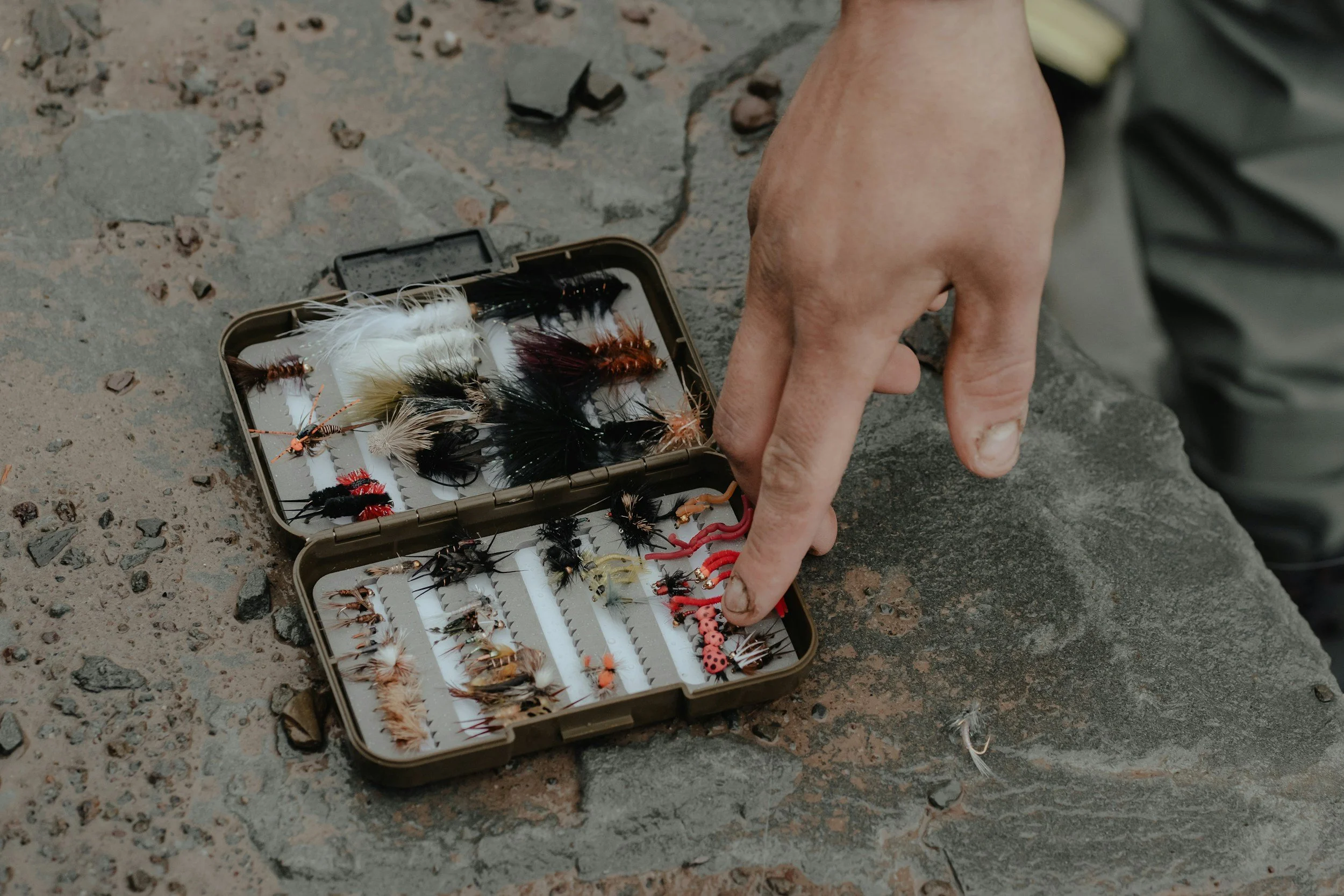
Terminal tackle is the small hardware near the hook. It is where many beginner rigs come from. A few smart pieces can cover a lot of fishing.
Hooks
Hooks come in different styles and sizes. A simple bait hook works for worms, minnows, and many natural baits. A circle hook is designed to hook a fish near the corner of the mouth when you apply steady pressure instead of a hard jerk. Many anglers like circle hooks for certain bait fishing because they can reduce deep hooking when used correctly, but you still need to pay attention.
Hook size can be confusing because small numbers mean smaller hooks, and then it switches to larger sizes labeled with an /0. For example, a size 6 is smaller than a size 2, and a 1/0 is larger than a size 1. Because brands can vary, it helps to look at the hook, not just the number, and match it to the bait.
Barbs help keep fish on the hook, but they can also make unhooking harder. In some places or certain waters, barbless hooks are required. Local rules matter. Before you fish a new area, check your state or local fishing regulations, because rules can cover hook types, number of hooks, and even which baits are allowed.
Offset hooks have a bend near the eye that helps hold soft plastic baits. Straight shank hooks are simpler and can be used for many baits too. The right hook depends on the bait and the rig.
Weights and Floats
Weights help your bait get to the right depth and stay there. In calm water, you might only need a small split shot. In current, you may need more weight to keep your bait from drifting too fast.
Sinkers come in many shapes. A few common ones are split shot, egg sinkers, and bullet weights. Split shot pinch onto the line and are easy to adjust. Egg sinkers can slide on the line for certain bait rigs. Bullet weights are often used with soft plastics and can slip through weeds.
Jig heads are weights with a hook built in. They are simple and effective for many species. You tip them with a soft plastic, a small piece of bait, or a tiny trailer. Jig heads are also a great way to learn lure control because you can feel the bottom and learn what the water is doing.
Floats, often called bobbers, hold the bait up at a set depth. They also act like bite alarms. When the bobber goes under or darts sideways, something is happening. Slip floats let you fish deeper water because the line can slide through the float until it hits a stop.
Choosing weight and float size depends on depth, wind, and current. In general, use the smallest amount of weight that still lets you cast and keep contact. Too much weight can make the bait look unnatural and can snag more.
Snaps and Swivels
Snaps make it fast to change lures. Swivels help prevent line twist, which is common with certain lures and baits. They can be useful tools, but they can also hurt in some cases.
A snap adds a little extra hardware near your lure. That can change how a lure moves, and it can also be more visible to fish in clear water. A swivel can help with line twist, but it can also make a lure look less natural if it is too big.
A simple approach is to use a swivel when you have line twist problems, like with some spinning lures or certain bait rigs. Use snaps when you are learning and you want to switch lures often, but choose small, strong snaps that match your line strength. If you start missing bites in clear water, try tying direct to the lure instead.
Baits and Lures Selection
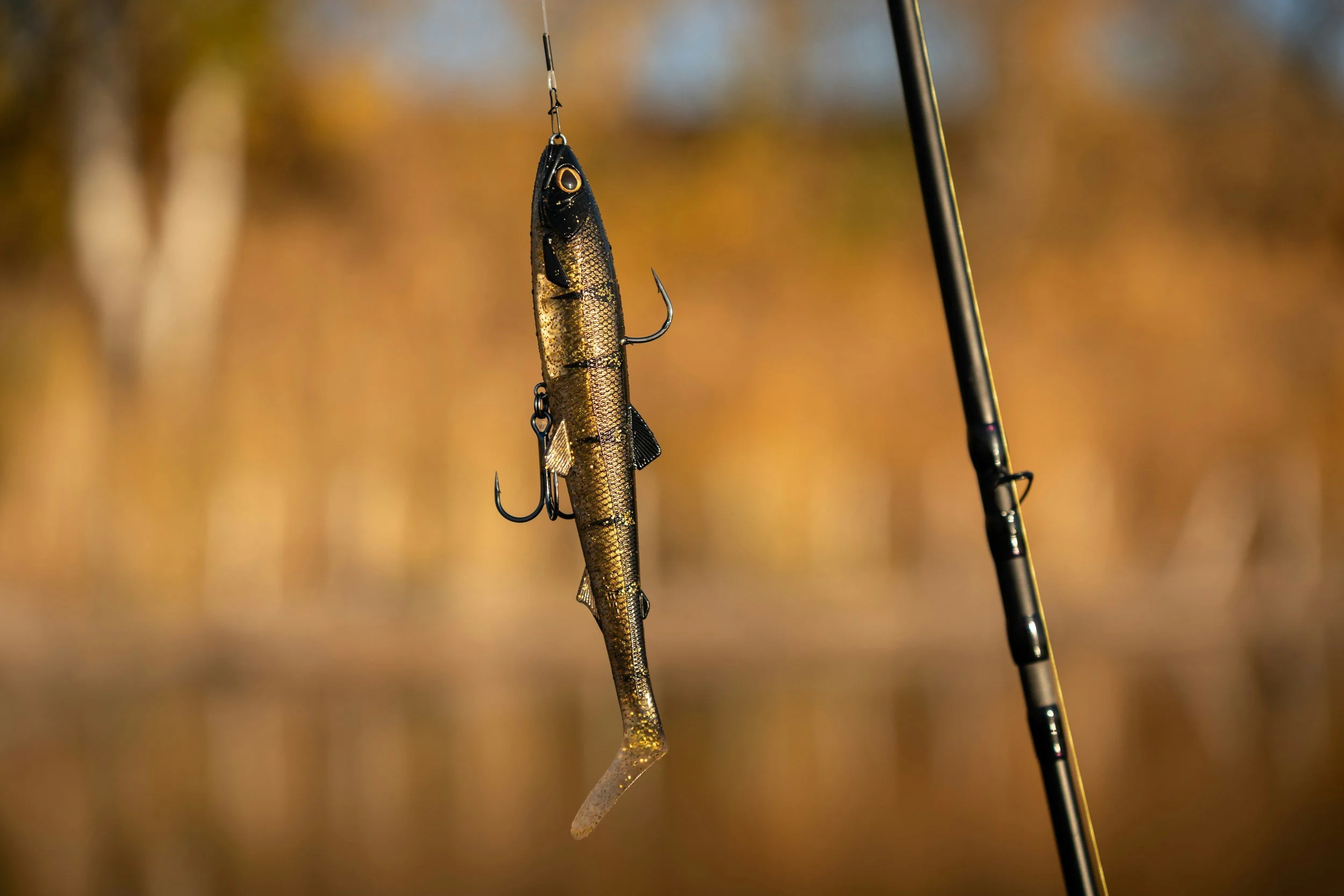
Bait and lures are the fun part, and also the part where people spend the most money. You do not need a hundred choices. You need a few proven options and the habit of paying attention.
Live bait like worms, minnows, and insects can be very effective because it smells and moves naturally. Artificial lures can cover water faster and can trigger strikes even when fish are not hungry.
A helpful idea is "match the hatch." That means you choose something that looks like what fish are already eating, such as small baitfish, insects, or crayfish. You do not need to copy it perfectly. Size and movement are often more important than exact color.
Season matters. In colder water, fish often move slower, so slower presentations can work better. In warmer water, fish may chase more. Water clarity matters too. In clear water, natural colors and less visible line can help. In stained or muddy water, brighter colors, vibration, and sound can help fish find your lure.
Structure is another big factor. Fish often relate to things like weeds, rocks, docks, and fallen trees. Your lure choice should match where you are throwing it. A lure with exposed hooks can snag in brush. A weedless rig can slide through plants better.
The best way to learn is to pick one or two lure types and stick with them long enough to understand how they feel and how fish react.
Storage and Tools You Actually Need
Fishing is easier when your gear is organized. It is also safer when you have the right tools for hooks and line.
A small tackle box or a simple bag with a few trays is enough at first. The goal is not to carry everything. The goal is to find what you need fast without dumping a pile of hooks into the dirt.
Pliers are one of the most useful tools you can bring. They help remove hooks and pinch split shot. A basic multi-tool can also work, but make sure it is comfortable to hold when your hands are wet.
Line cutters matter more than people think. Dull scissors can mash line instead of cutting it cleanly. Many anglers use small cutters made for fishing line. If you use braid, make sure your cutters can handle it.
Line management is a skill, not just a tool. Close the bail by hand on a spinning reel instead of cranking it shut, because that can reduce twists. Keep tension on the line while you reel. Do not reel when the drag is slipping fast, because that can twist line too.
A small trash bag is also a smart idea. Fishing line and bait containers should never be left behind. Clean banks stay open and safe for everyone.

Starter Gear for Bass Fishing
Bass fishing is popular because bass live in many places and they hit lures in exciting ways. Beginner bass gear does not need to be complicated.
A medium or medium-heavy spinning setup can cover a lot: soft plastics, small jigs, and simple moving lures. If you prefer baitcasting, a medium-heavy baitcasting setup is common for heavier lures and fishing around cover, but it can take practice.
For lures, a few categories are beginner-friendly because they teach you different skills. Soft plastic worms and creature baits teach you patience and bite detection. Jigs teach you bottom feel. Spinnerbaits and crankbaits teach you how to cover water and find active fish. Topwater lures are thrilling, but they can be tricky because you often need to wait a moment before setting the hook.
A practical starting plan is to learn one bottom lure and one moving lure. That way, you can adjust to fish mood without carrying a whole store.
Quality on a Budget
Budget gear can be excellent, but gimmicks can be loud and tempting. The best value usually comes from simple, well-known designs, not wild claims on the package.
Look for sturdy guides on the rod and a comfortable handle. Check that the reel feels smooth and that the bail closes cleanly on a spinning reel. A reel with a smooth drag is often more useful than a reel with a huge list of features.
Durability matters. A slightly more expensive reel that lasts years can be cheaper than replacing a cheap reel every season. The same goes for a rod with decent components that can handle normal bumps.
Think about upgrade paths. If you buy a solid rod first, you can upgrade the reel later. Or if you buy a solid reel first, you can move it to a better rod later. Avoid buying a bunch of low-quality extras. One good setup teaches more than three frustrating setups.
Care and Troubleshooting
Fishing gear lasts longer when you treat it well. It also performs better, which means fewer tangles and more time with your line in the water.
After fishing, especially if you fished in dirty water or near sand, wipe the rod and reel with a damp cloth. Keep sand away from moving parts. If you fish in saltwater, rinsing with fresh water is important because salt can cause corrosion. You do not need high pressure water, because that can push grit into places you do not want it.
Reels sometimes need lubrication, but you should follow the reel’s manual. Too much oil can attract dirt. If your reel starts to feel rough, check for obvious issues like line wrapped around the spool or grass stuck near the bail. If you are not sure, a local tackle shop can often help.
Line replacement is normal. Mono and fluorocarbon can get old and develop memory, which means it holds coils. Braid can last longer, but it can fray if it rubs on rocks or wood. If you see rough spots, cut and retie.
Hooks get dull. A dull hook can cost you fish. Some anglers use a hook file to touch up hooks, but if a hook is badly bent or rusty, replacing it is safer.
Transport matters too. Do not toss rods loose in a truck bed with heavy stuff. Rod tips break easily. If you can, use a rod sleeve or keep rods in a safe spot where they cannot be stepped on. When traveling, protect rod guides, because a cracked guide can damage line.
Guided Trips and Rentals
A guided trip or a rental setup can be a great way to start, especially if you feel unsure. Guides usually provide rods, reels, and lures that match the local water. Rentals often provide basic gear too.
Still, it helps to bring a few things: a valid fishing license if required, sunglasses for eye protection, a hat, weather-appropriate clothes, and any snacks and water you want. If you take medication, bring it. If you get motion sick on boats, plan ahead.
Communication is the secret weapon. Tell the guide or staff your skill level and your goals. If you want to learn to cast better, say that. If you want to catch your first bass, say that. If you have questions about catch and release, mention them! If you want to learn knots, ask. A good guide can adjust the day to fit you, but they need to know what you want.
Also ask what is provided. Some trips include tackle, bait, and fish cleaning. Others may not. It is not rude to ask. It prevents surprises.
Quick Questions and Answers
Starter Kits: Are They Worth It?
Many starter kits are okay if they include a decent rod and reel and basic tackle. The risk is that some kits include tiny, cheap extras that you will not use much. If the kit is affordable and the rod and reel feel decent, it can be a fine way to begin. If the kit feels flimsy, it may be better to buy a simple combo and choose your own hooks and weights.
What Rod Length Should I Start With?
A rod around 6 to 7 feet is a common starting range for freshwater fishing because it balances casting distance and control. If you fish small creeks with lots of trees, go shorter. If you fish open banks and want more distance, go longer.
Which Reel Is Easiest?
Spincast is often the easiest to cast. Spinning reels are also beginner-friendly and can carry you far as you improve. Baitcasters can be great, but they usually take more practice to avoid backlashes.
What Line Should I Use First?
Monofilament is often a smooth first choice because it is easy to handle and forgiving. Braid can also work well if you learn good knots and manage the spool tension. Fluorocarbon can be useful, especially as a leader, but it can be stiffer on some beginner setups.
How Do I Pick Hook Size?
Match the hook to the bait and the fish mouth size. A hook should fit the bait without swallowing it. For small worms and panfish, smaller hooks are common. For larger soft plastics and bass, larger hooks are common. If you are unsure, bring two sizes and see which one hooks fish cleanly without deep hooking.
Online Fishing Resources
Sometimes you try to buy a license online, check fishing regulations, or read a local report and the site throws an error. It might say the application failed, the server is unavailable, or the page will not load. That can be frustrating, especially when you are trying to leave the house.
First, try the simple fixes. Refresh the page. Check your internet connection. If you are on a phone, switch between Wi-Fi and mobile data. Try a different browser or use a private browsing mode. If the site uses a login, make sure your password manager did not fill the wrong info.
If the problem is still there, wait a few minutes and try again. Government license systems and busy report pages can slow down during peak times, like evenings before a weekend.
If you need help, look for an official support link, phone number, or email on the site. When you contact support, include the exact error message, what device you are using, and what you were doing when it happened. If you can take a screenshot, that can help too.
If you cannot access the rules online, do not guess. Many areas have printed regulation booklets at tackle shops, and some local offices can answer questions by phone. Fishing is more fun when you know you are doing it the right way.
The Real Secret Gear
The most important beginner gear is not a lure or a reel. It is a simple plan and a little patience. Start with a setup that matches, bring a few proven tackle pieces, and focus on learning what the water is telling you. Every trip teaches you something, even the quiet ones. And when the bobber dips or the line jumps, you will be ready, because your gear will make sense in your hands.

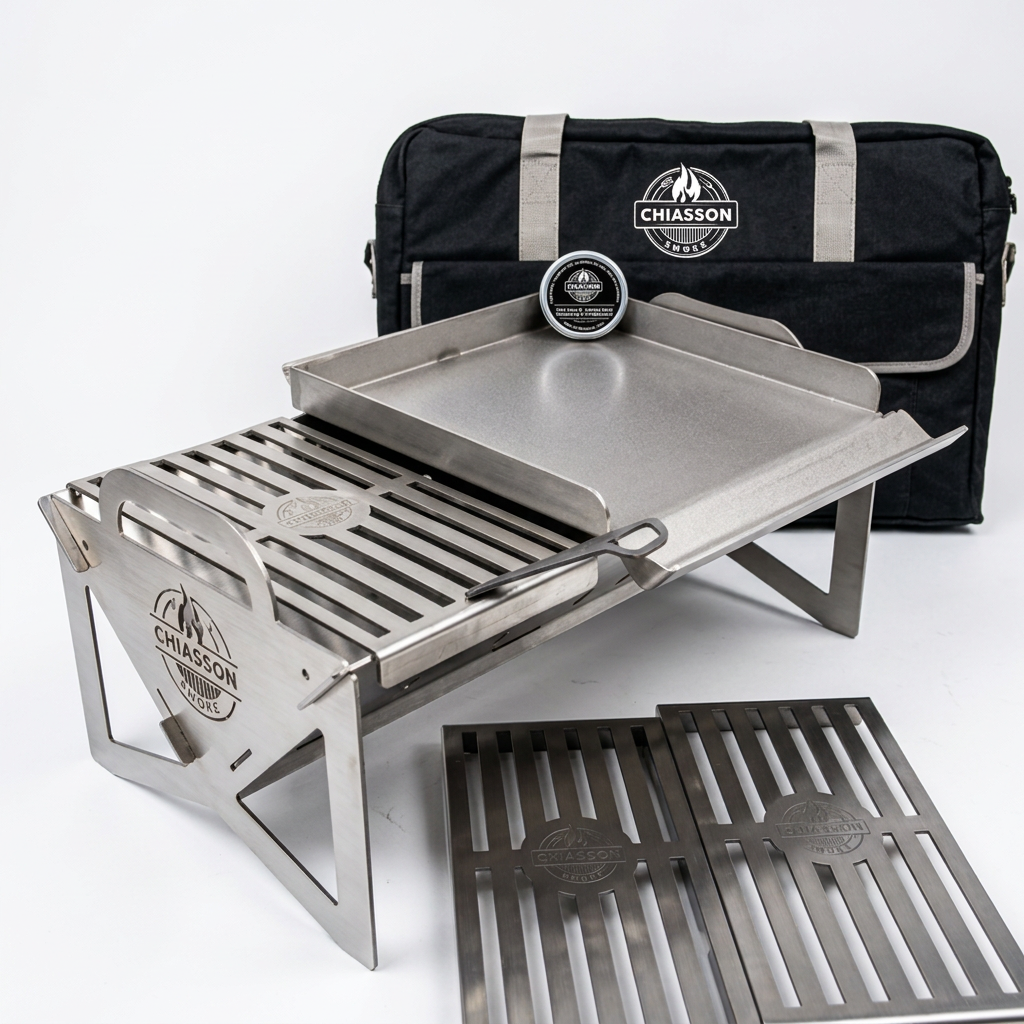
The Hauler Grill was made for people who love cooking outside but don’t want to haul around a big, bulky grill.
Its simple design packs down flat, and when you’re ready to cook, it goes together quickly with no tools needed.
Want even more ways to cook? Add one of our griddle options and make breakfast, smash burgers, fajitas, fried rice, and plenty more.