
Homesteading For Beginners
Homesteading sounds like something from an old story: a cabin, a big garden, and a person in overalls carrying a basket of eggs. That picture can be true, but it is not the whole story.
Today, homesteading can happen in a city apartment, on a suburban lot, or on acres of land. It can look like a few herbs on a sunny windowsill, or it can look like growing most of your food for a whole year. It can be quiet and simple, or busy and full of projects.
If you are new, the biggest question is not, “How do I do everything?” It is, “What is the next right step for me?”
This guide is here to help you start with smart choices, real expectations, and skills that grow over time. You do not need to be perfect. You do not need fancy gear. You do not need to move to the countryside. You just need a plan, a little patience, and the willingness to learn.
What Is Homesteading?
Homesteading is a lifestyle where you make more of what you need at home. You grow food, preserve it, cook from scratch, fix things, care for animals, and learn practical skills. The goal is to rely less on stores and systems that can change fast.
Homesteading is also a way of thinking. You learn to solve problems. You use what you have. You keep trying when the first attempt fails.
What Homesteading Is Not
Homesteading is not a contest to see who can do the most. It is not a perfect life where nothing goes wrong. It is not a promise that you will never need a grocery store again.
It is also not always cheaper right away. Some projects save money over time, but many need an upfront cost, plus learning time.
Homesteading is not about doing everything alone, either. Strong homesteaders often have strong communities. They trade knowledge, share tools, and help each other when problems show up.
How Homesteading Can Look Today
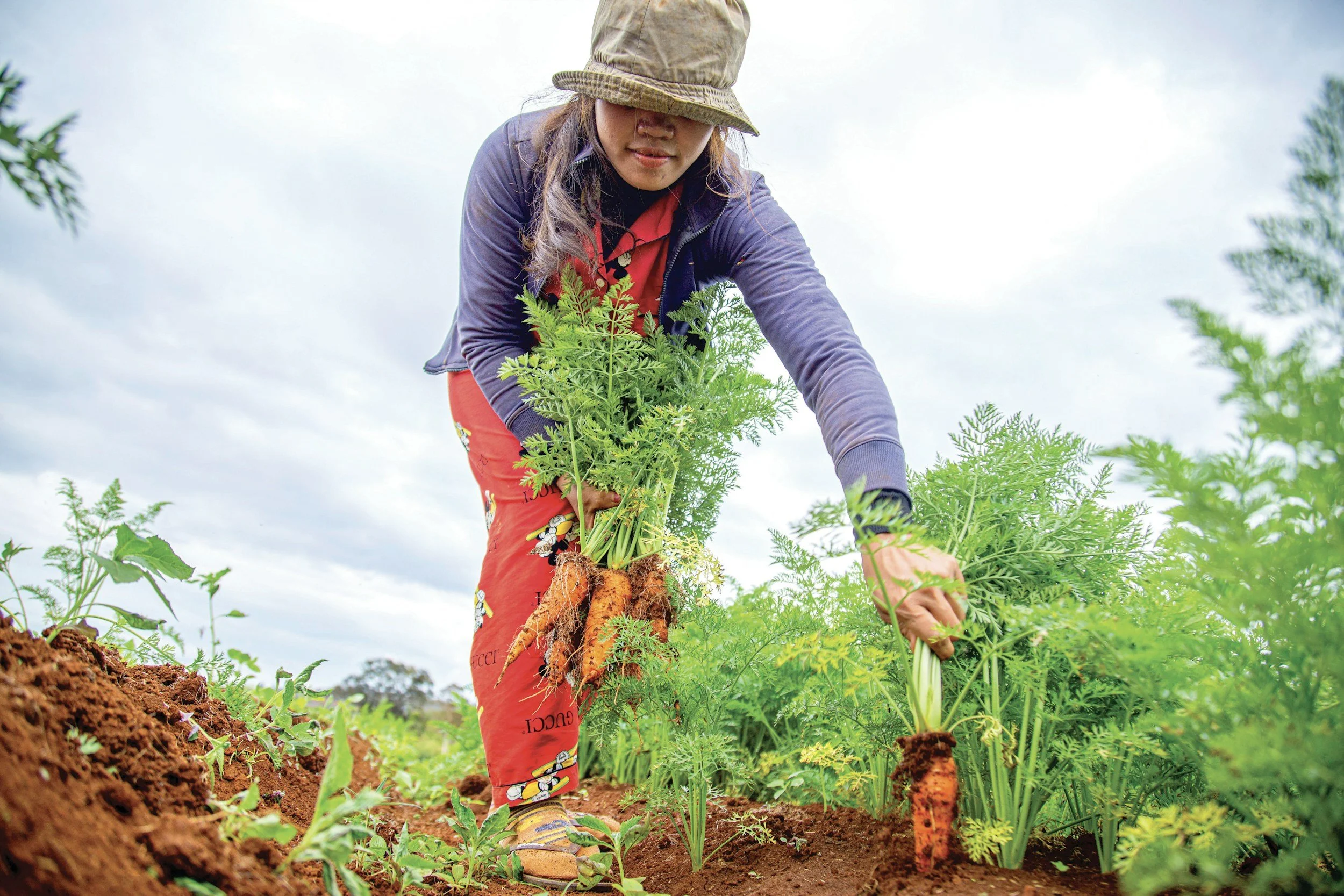
Homesteading can be:
A balcony garden with tomatoes and basil.
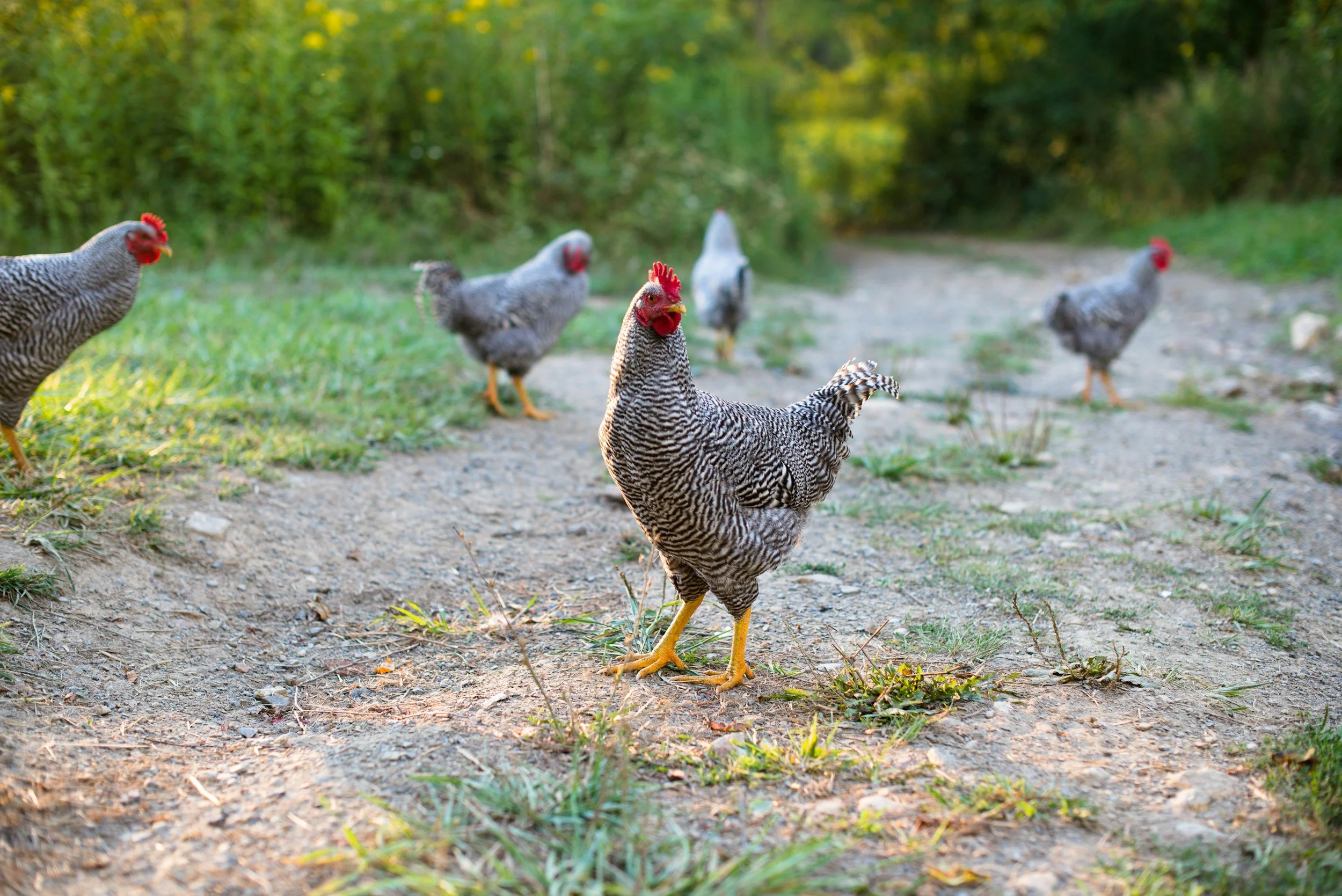
A suburban backyard with raised beds, compost, and a small flock of hens.
A rural place with a big garden, fruit trees, and animals like goats.
A family that bakes bread, makes soup, and freezes extra meals.
A person who learns to sew buttons back on and fix a leaky faucet.
All of these count. Homesteading is not one exact shape. It is a path.
Why People Choose This Lifestyle
People choose homesteading for many reasons. Most of them have nothing to do with looking a certain way. They have to do with feeling a certain way.
Self-Reliance
When you learn to grow food, cook it, and store it, you feel more capable. If a store is out of something, it is not the end of the world. You can switch plans. You can make do. That feeling is powerful.
Healthier Food
When you cook at home, you control what goes in your food. When you grow even a little, you learn what fresh really means. A tomato from your own plant tastes different because it is picked ripe, not early.
Homesteading does not guarantee perfect health, but it often leads to more whole foods and fewer mystery ingredients.
Resilience
Life has surprises. A job can change. A storm can knock out power. Prices can rise. Homesteading builds a kind of steady strength. You learn to prepare without panic. You learn to adapt.

Saving Money
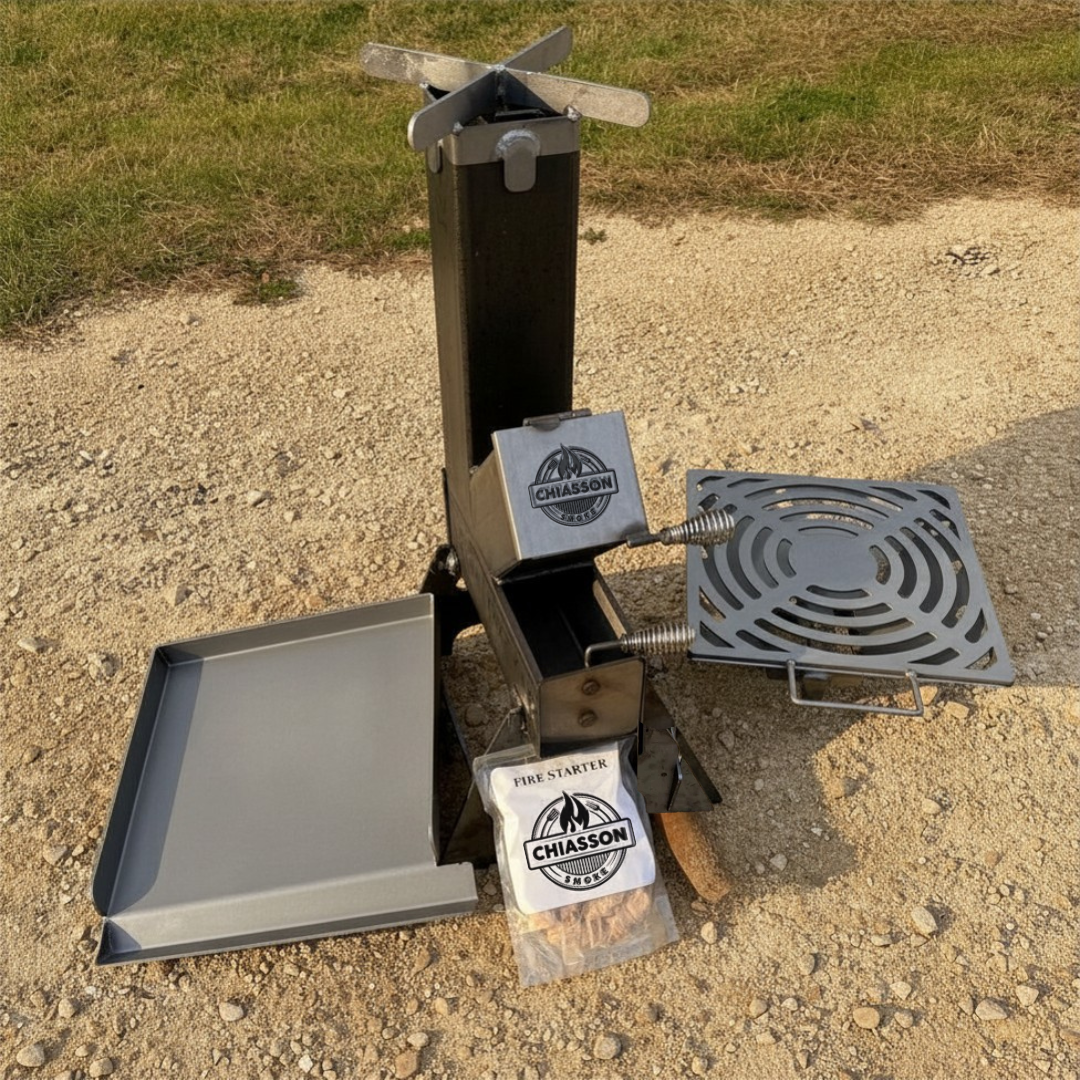
This one needs honesty. Homesteading can save money, but usually after you get better at it. Beginners often spend money on tools, soil, seeds, or animal supplies. Over time, skills can lower costs. A rocket stove to cook meals without paying for fuel, a deep freezer full of garden food, a pantry of canned soup, or eggs from your hens can make a real difference.
Simplicity
Homesteading can make life feel less noisy. You spend time on real things: meals, soil, seasons, and home projects. That does not mean life is easy, but it can feel more grounded.
Building A Legacy
Some people homestead because they want to pass skills to their kids. Others want to care for land. Others want to leave a home that is more useful and more prepared. A legacy can be a garden bed, a fruit tree, or a family recipe that becomes a tradition.
Is Homesteading Worth It?
The honest answer is: it depends on your goals, your health, your time, and your budget. Homesteading is worth it for many people, but it is not magic. It is a trade.
Potential Benefits
Homesteading builds skills that stack up. That means one skill makes the next one easier.
If you learn to cook from scratch, you waste less food. If you garden, you learn seasons and planning. If you preserve food, your garden harvest becomes winter meals.
Many beginners also find unexpected benefits:
You feel more independent.
You appreciate food more because you see the work behind it.
You get outside more.
You build community by trading and sharing.
You may save money in the long run, especially if you stick with projects that fit your life.
Homesteading can also bring deep fulfillment. A jar of peaches you preserved or a loaf of bread you baked can feel like a small victory. Those small wins add up.
Real Costs
Homesteading costs time. It costs attention. It costs energy.
There is a learning curve. Plants die. Seeds do not sprout. A recipe fails. A tool breaks. Weather changes plans. Pests show up like they got an invitation.
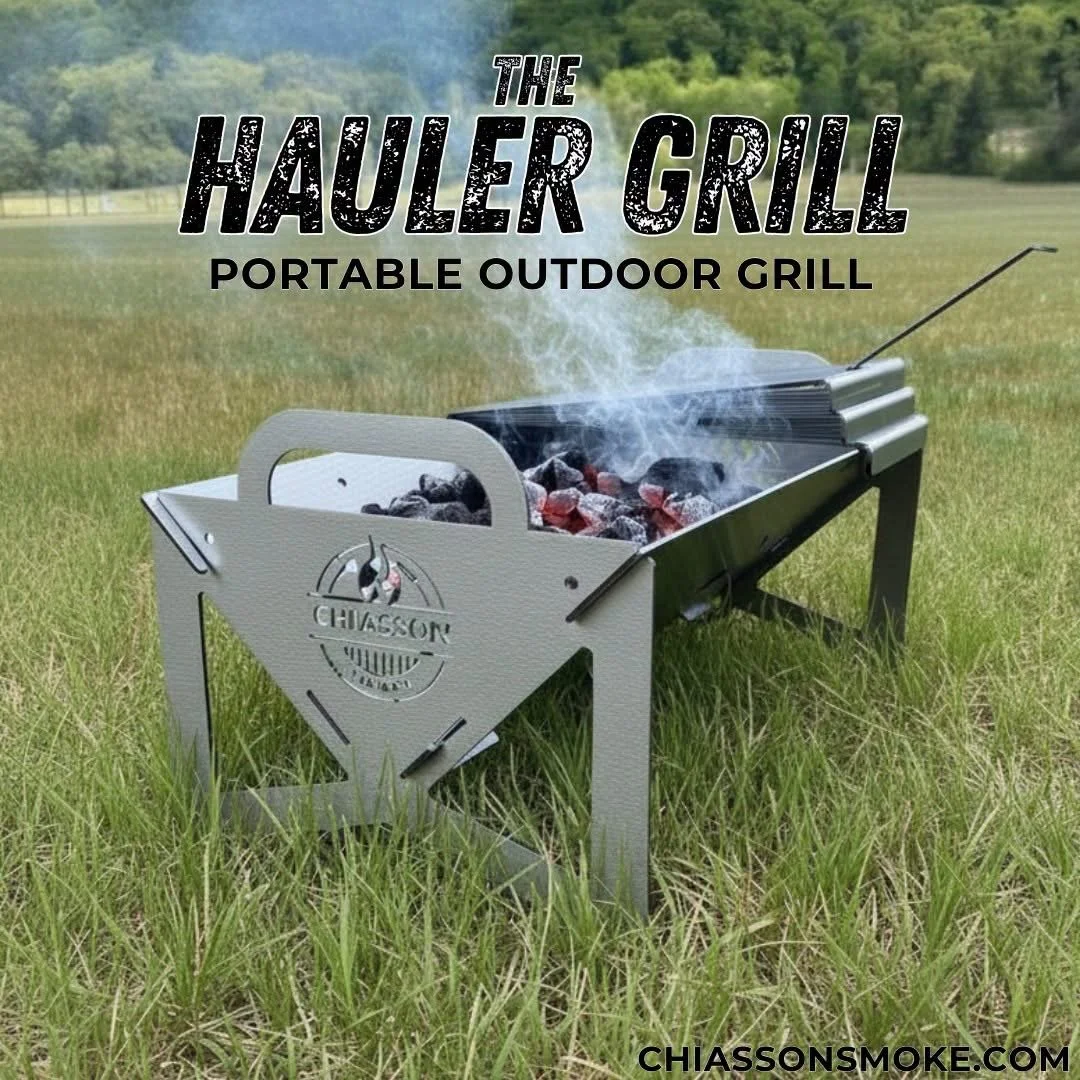
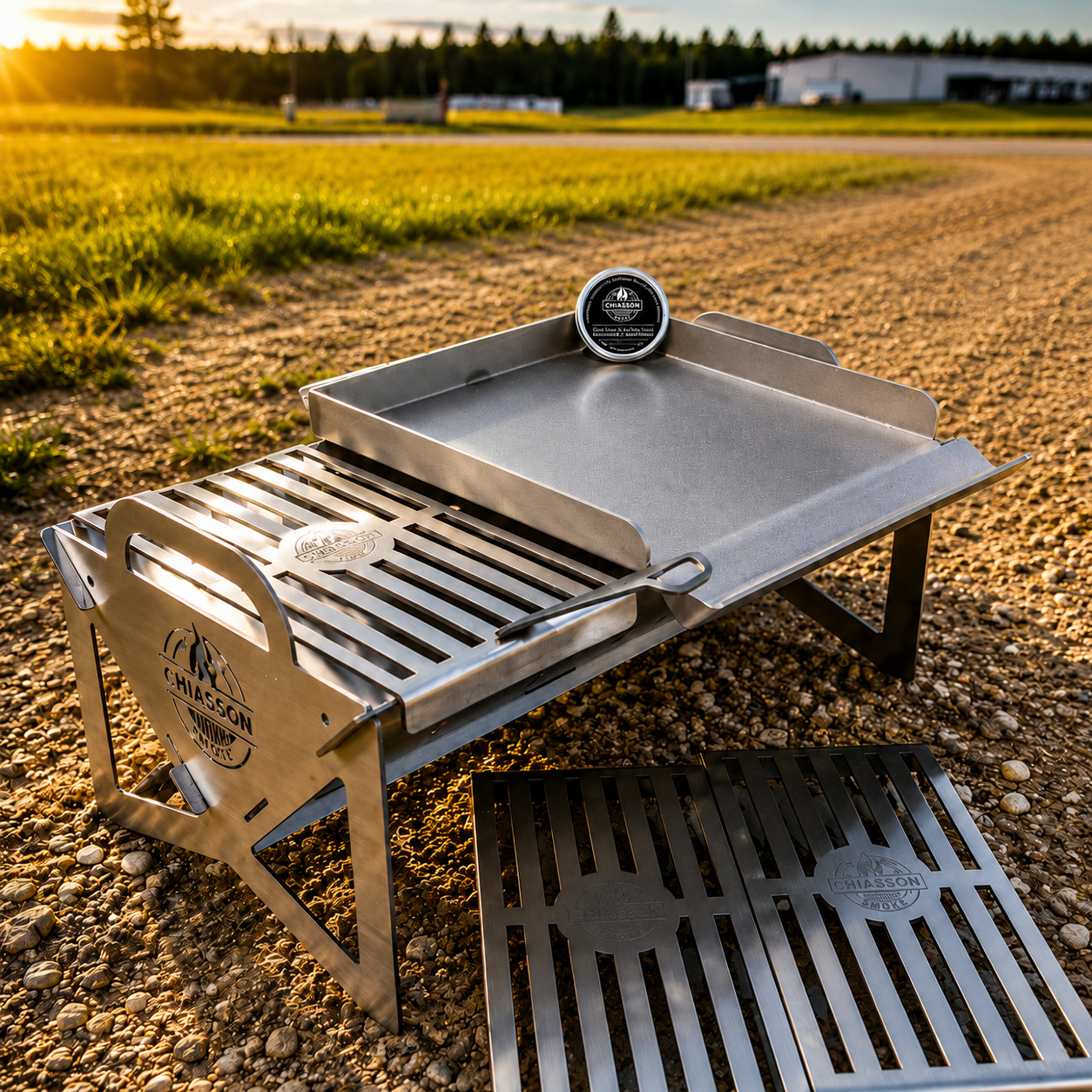
There are also upfront costs. Even a small garden can require soil, containers, or mulch. Chickens need a safe coop, feed, and bedding. Food preservation needs jars, lids, or freezer space. Cooking efficiently can mean investing in a high quality grill or rocket stove.
Daily responsibility is another cost. Some projects can wait a day. Animals cannot. If you get chickens, you are agreeing to daily care, even on weekends and holidays.

How To Decide If It Fits You
Ask yourself a few plain questions.
What do I want most from homesteading?
More food from my own space?
Lower grocery bills?
A hobby that gets me outside?
Emergency readiness?
A calmer lifestyle?
Now ask:
How much time do I truly have each week?
What does my health allow me to do safely?
What can I afford without stress?
What rules do I need to follow where I live?
Homesteading works best when it fits your real life, not an imagined life.
Homesteading Can Be Small-Scale
You do not need a barn and a tractor to start.
Apartment, Suburban, Or Rural
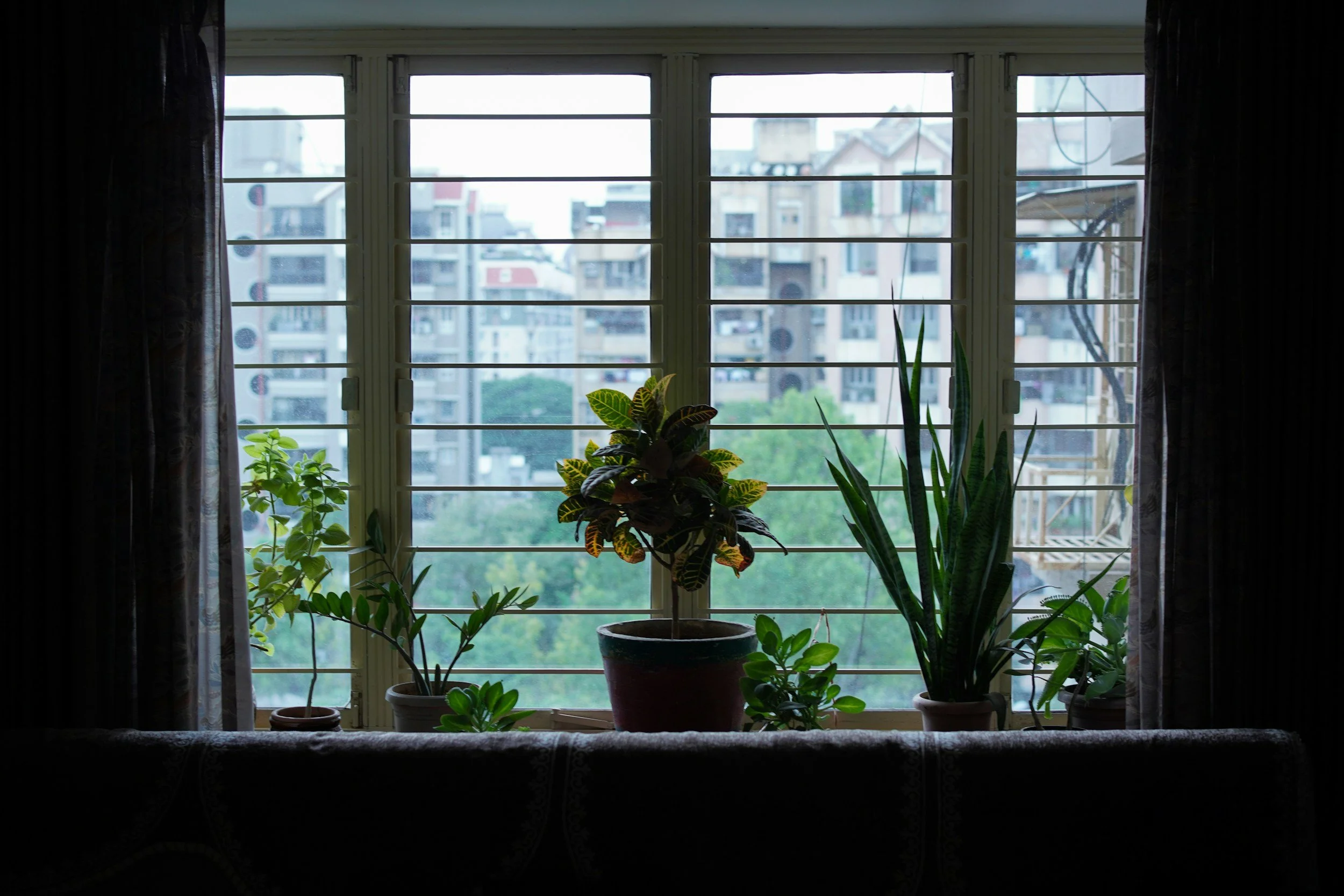
If you live in an apartment, you might focus on:
Indoor herbs, sprouts, or microgreens.
Cooking from scratch and reducing food waste.
Freezing and dehydrating.
Learning simple repairs and sewing.
If you live in a suburb, you might add:
Raised beds or containers.
Compost bins.
Rain barrels if allowed.
Chickens if local rules permit.
If you live in a rural area, you might have space for:
Bigger gardens and orchards.
A larger compost system.
More storage.
Animals, if you are ready for the daily work.
Each version is real homesteading if it builds skills and reduces dependence.
Realistic Expectations
A beginner garden might not feed you all year. That is normal.
Your first bread loaf might be flat. Your first batch of pickles might be too salty. Your first compost pile might smell weird because it is too wet.
Homesteading is a lot like learning a sport or an instrument. You improve by doing it, not by reading about it forever.
Start Small And Match Your Space
If you only have a small area, choose projects with high impact.
A few pots of herbs can change your cooking every day.
A small tomato plant can teach you about watering and pests.
A single raised bed can teach you soil, spacing, and harvest timing.
Small-scale homesteading is not a lesser kind. It is often the smartest way to begin.
The Homesteader’s Mindset
Skills matter, but mindset is what keeps you going when things go wrong.
Lifelong Learning
Homesteading is not a finish line. It is a long path of learning.
Each season teaches something new. Even experienced homesteaders try new varieties, new methods, and new systems. The goal is progress, not perfection.
Record Keeping
Writing things down feels boring until it saves you.
Keep simple notes like:
What you planted and when.
How much you harvested.
Which tomato did best.
How much chicken feed you used in a month.
What you spent on garden supplies.
What meals your family actually ate.
You do not need fancy spreadsheets. A notebook works. Records help you repeat what worked and stop repeating what did not.
Flexibility
Weather does not care about your plans. Pests do not care about your schedule. Illness can show up at the worst time.
Good homesteaders adjust without quitting. If your seedlings fail, buy starts. If your garden bed floods, move containers to higher ground. If you cannot do it all this year, choose one project and do it well.
Pacing Yourself
Homesteading can turn into clutter and chaos if you start too many projects.
It can also turn into burnout if every weekend becomes a list of chores.
A good pace feels steady. You have routines, but you also have rest. You aim for simple systems, not endless projects.
Minimalism can help here. Before you buy something, ask if it solves a real problem or just makes you feel like a homesteader.
Commitment And Your “Why”
Your “why” is the reason you do this when it is hot, buggy, or tiring.
Maybe your why is feeding your family better food.
Maybe it is saving money over time.
Maybe it is learning skills you never got to learn.
Write your why down. When you feel stuck, read it. A clear why makes discipline easier.
Skills Over Stuff
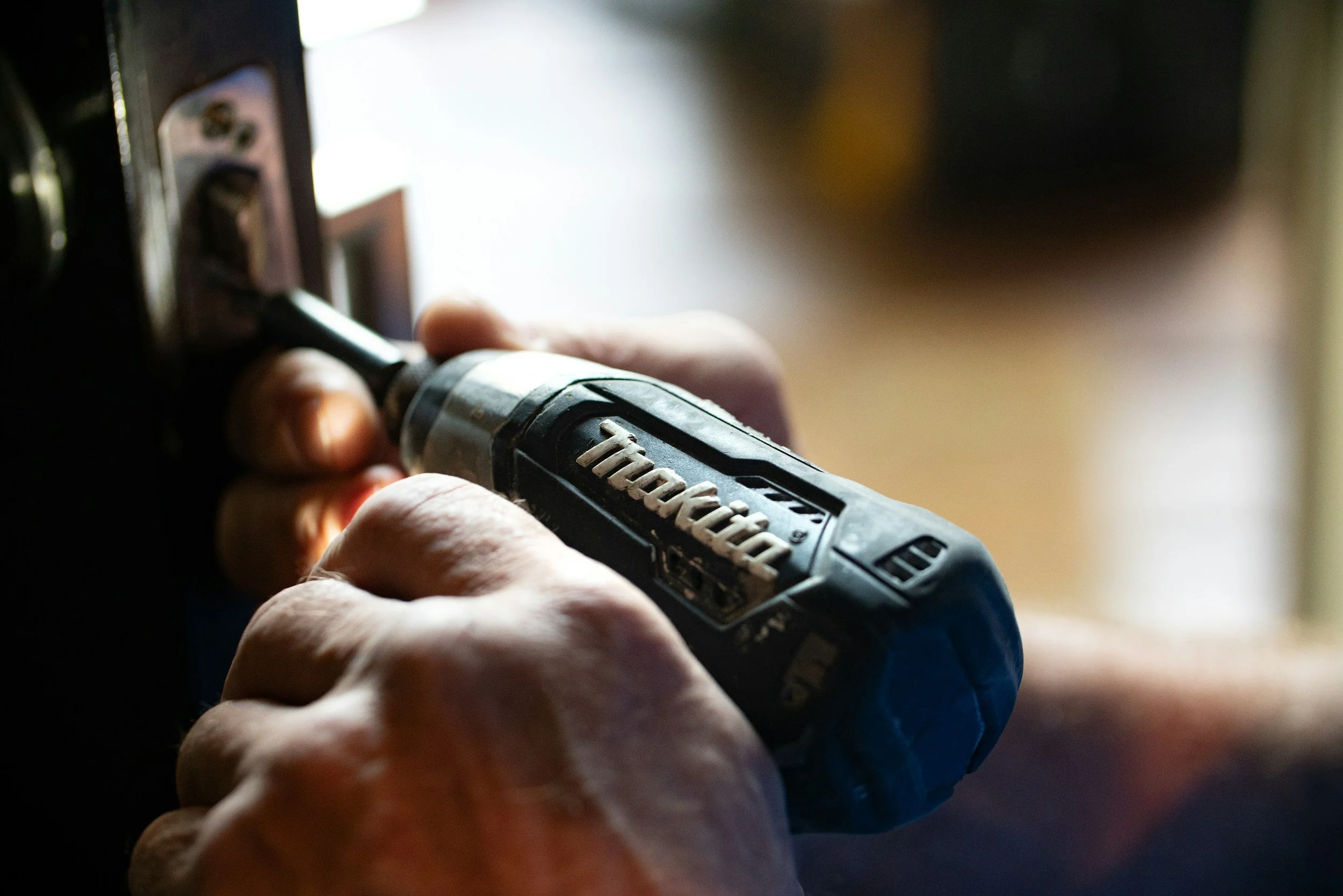
It is easy to think homesteading is about buying the right tools. But competence matters more than equipment.
A person with strong skills can do a lot with simple tools. A person with fancy tools but no practice often feels frustrated.
Choose Tools After You Understand The Process
If you want a garden, learn the basics of soil, sun, and watering first. Then buy tools that support what you are already doing.
If you want to preserve food, start with freezing. Then add dehydrating. Then consider canning when you are ready to follow tested safety rules.
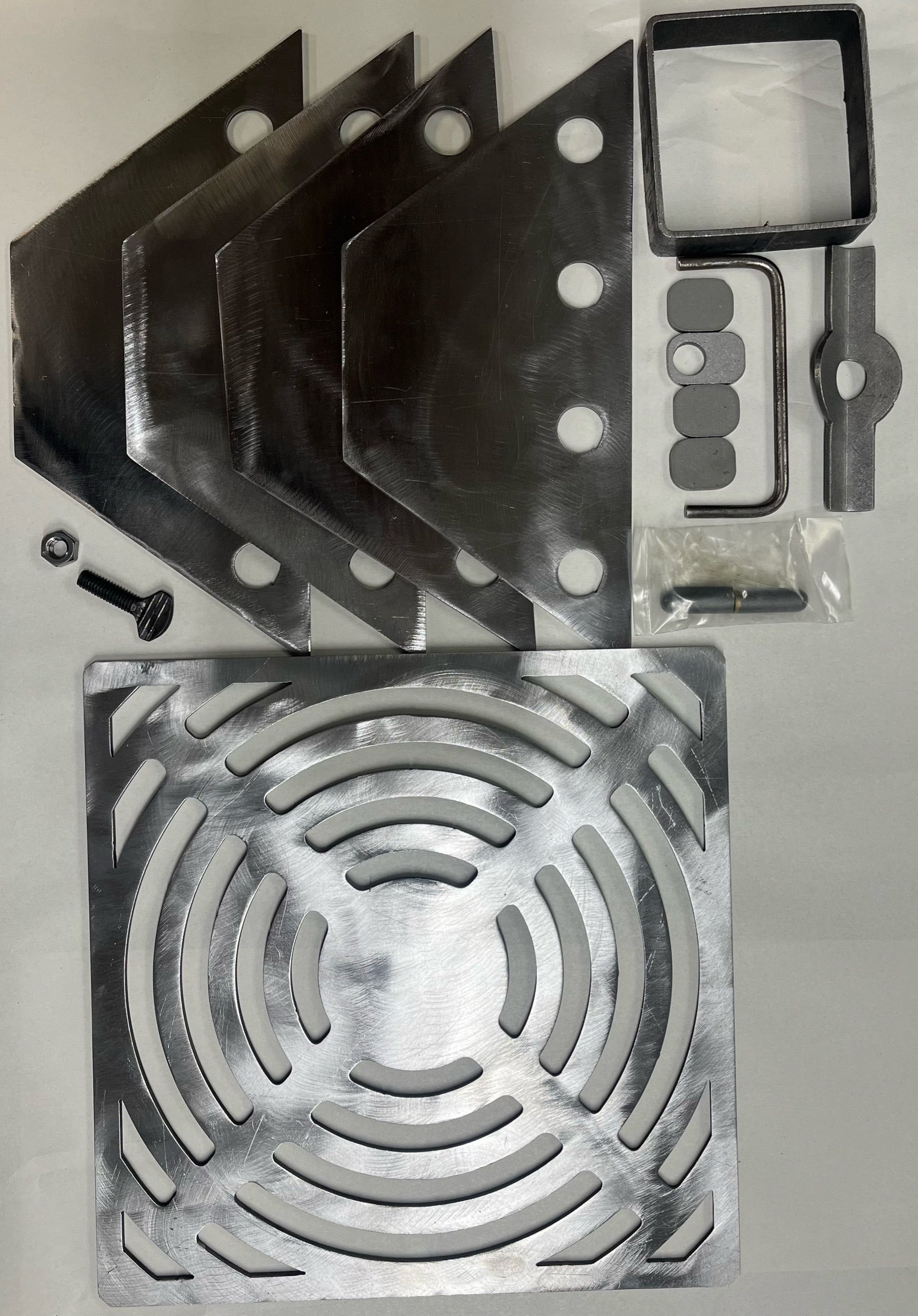
If you want to cook without electricity or gas, invest in a rocket stove.
Tools should match your current skill level and your real needs.
Build Confidence Through Repetition
Confidence comes from doing the same useful thing many times.
Cook a pot of beans every week until it feels normal.
Plant lettuce in spring for two years in a row.
Practice sharpening a knife safely.
Make one type of jam or sauce until you can do it without stress.
Simple systems beat complicated ones. The goal is not to impress anyone. The goal is to build a life that works.
How To Start Homesteading Step By Step
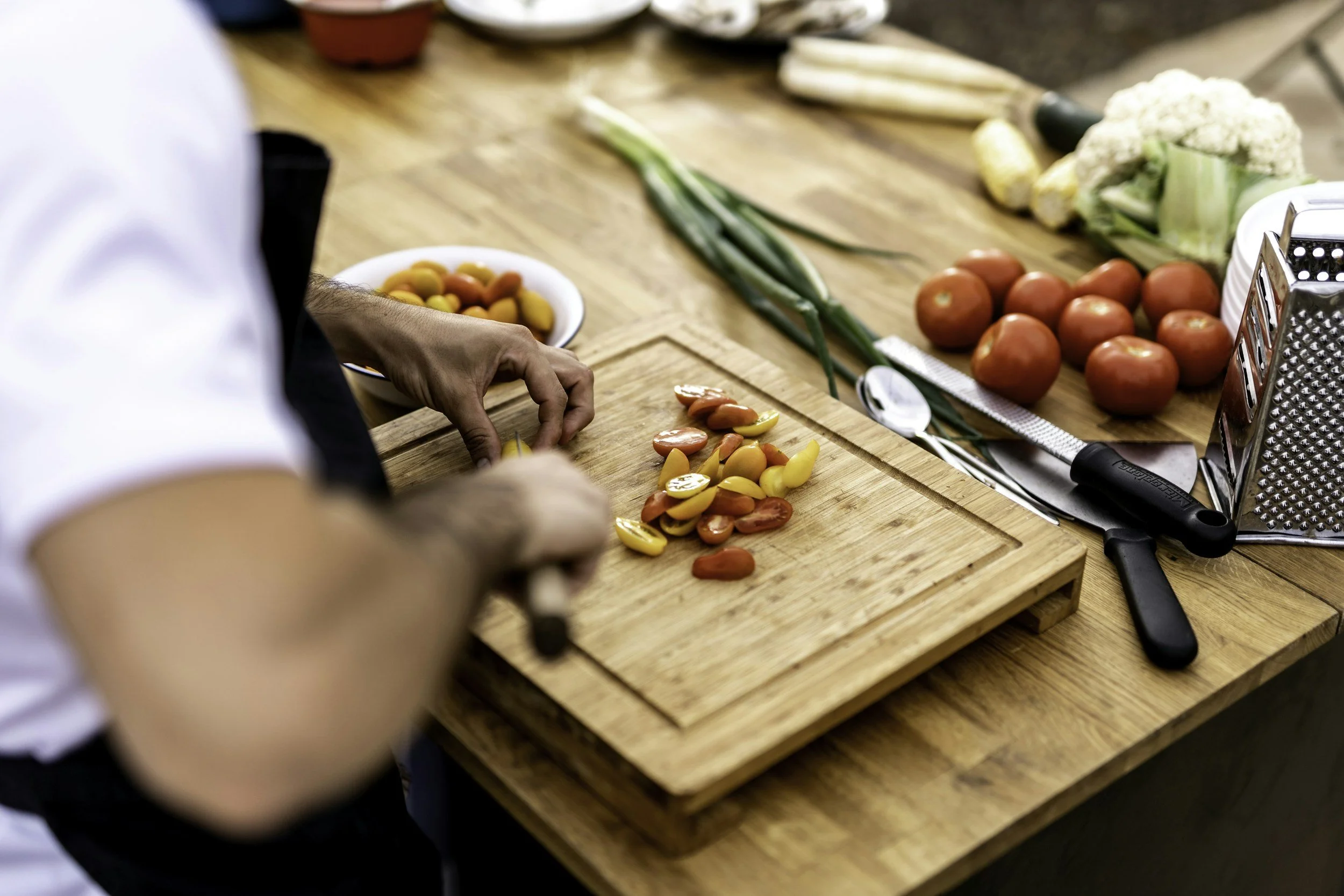
Starting is easier when you treat it like building a small house out of blocks. You set one block down, then the next.
Clarify Your Goals
Pick your main reason for starting. You can have more than one, but choose a top goal.
Food: growing and cooking more at home.
Savings: lowering grocery bills over time.
Preparedness: being ready for storms or supply problems.
Sustainability: reducing waste and using resources wisely.
Lifestyle: slowing down and building skills.
A clear goal helps you choose projects. If your goal is saving money, you will choose different projects than someone whose goal is a fun hobby.
Assess Your Constraints
Constraints are not bad. They help you plan.
Consider your:
Space: yard, balcony, windows, storage areas.
Water: how you will water plants, and how much it costs.
Sunlight: most vegetables need strong light, so notice where the sun hits.
Local laws or HOA rules: some places limit chickens, compost, or front yard gardens.
Time: be honest about your schedule.
Physical limits: choose projects you can do safely.
Constraints help you avoid projects that will become stressful.
Start With One Or Two High-Impact Projects
A high-impact project gives big results for the effort.
For many beginners, that looks like:
Cooking from scratch a few nights a week.
A small garden bed with easy crops.
A simple compost system.
Freezing extra food and labeling it well.
Pick one or two. Do not pick six.
Build A Starter Budget
Homesteading works better when money is planned.
Start by listing essentials. For a garden, essentials might be soil, seeds, and a watering plan. For cooking, essentials might be basic pantry staples and a good knife.
Then decide what you can spend without stress. If the budget is small, start smaller. Skill is not expensive. Mistakes can be.
Create A Simple Seasonal Plan
Homesteading follows seasons, even indoors.
A seasonal plan can be simple:
Spring: start seeds, prep beds, plant cool crops.
Summer: water, weed, harvest, freeze extras.
Fall: plant garlic, clean beds, preserve.
Winter: plan next year, fix tools, practice cooking.
You do not need a perfect calendar. You need a basic rhythm.
Create Weekly Routines
Routines keep things from piling up.
A weekly routine might include:
One day to check garden needs.
One day to do a batch cooking session.
One day to tidy storage areas.
Short, regular work usually beats long, exhausting work.
Learn Local Growing Conditions And Sourcing
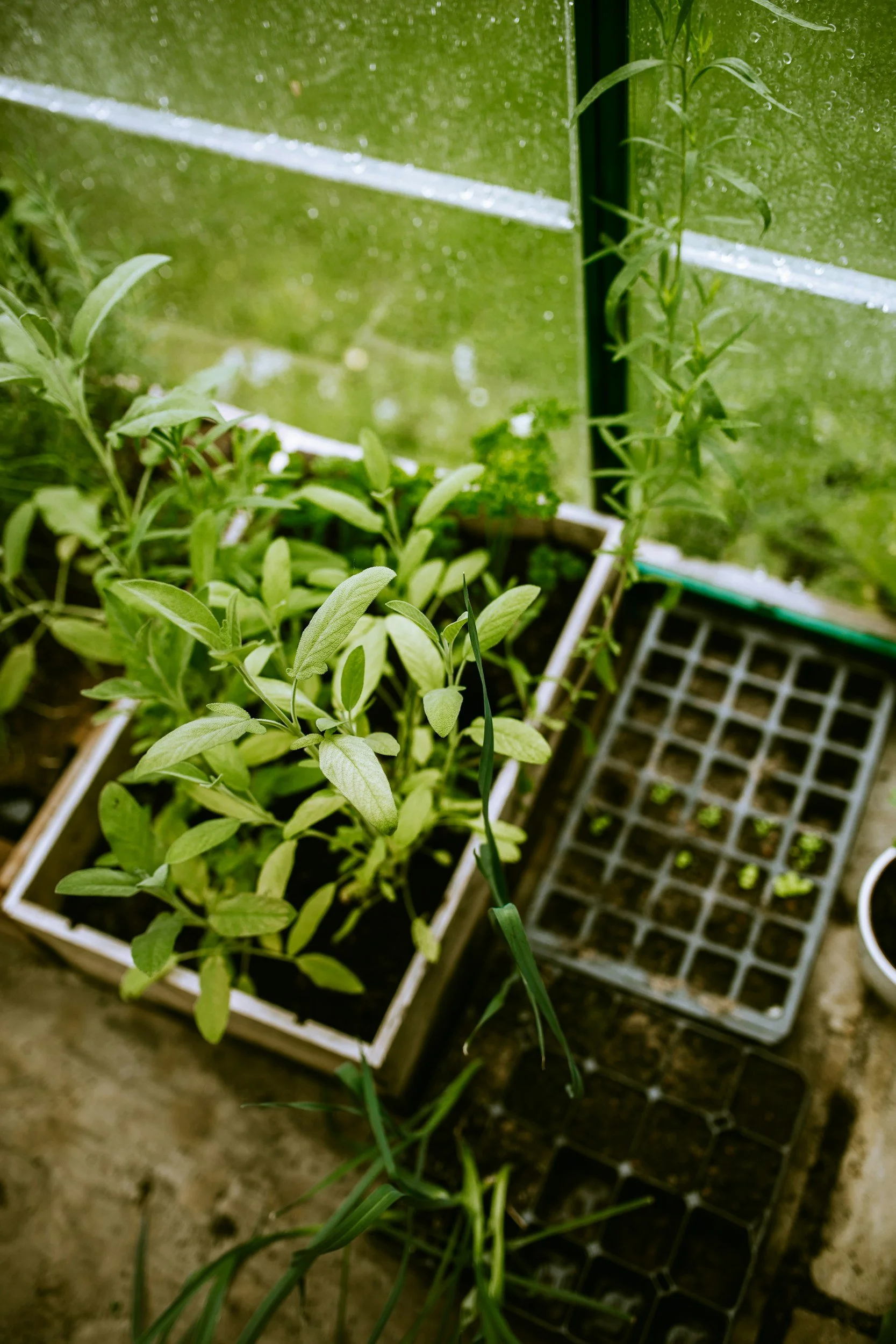
Your local conditions matter more than internet advice.
Learn your area’s last frost and first frost dates, so you know your growing season length. Many regions have local extension services and garden groups that share this information. You can also learn by asking neighbors who garden.
Also learn where to get:
Mulch and compost inputs.
Seedlings and seeds that do well locally.
Animal feed, if you plan animals.
Knowing your sources saves time and reduces stress.
Set Up Basic Storage And Organization
A homestead produces stuff: jars, lids, soil bags, tools, feed, and food.
If you skip storage, you get clutter fast.
Start with basic organization:
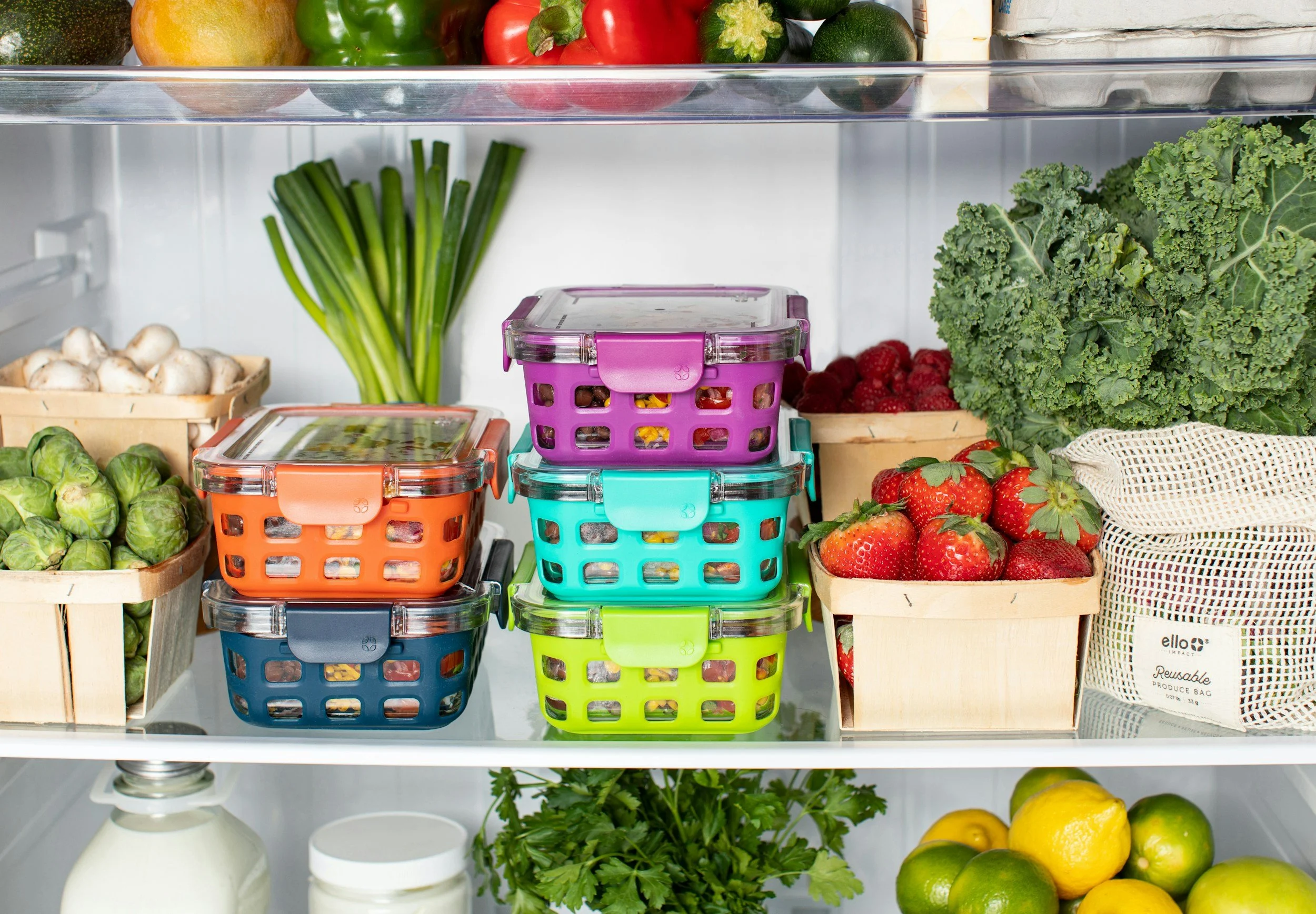
A shelf for jars and pantry goods.
A bin for garden supplies.
A safe, dry place for animal feed and firewood.
Clear labels on preserved food.
A little organization early prevents big messes later.
Add Complexity Gradually
Once one project feels steady, you can expand.
You might:
Add another garden bed.
Grow a second season crop.
Try dehydrating herbs.
Increase how much you preserve.
Add animals only when you can handle the daily work.
Homesteading is a staircase. You climb it step by step.
Picking Your First Skill To Learn
If you are stuck, choose your first skill with clear rules.
What Makes A Good First Skill?
A good first skill is:
Fast payoff: you see results soon.
Low risk: mistakes do not cause big losses.
Repeatable: you can practice often.
Good fit: it works in your climate and schedule.
The best beginner skill is the one you can actually keep doing.
First Wins For Most Beginners
Cooking from scratch is often the best first win because you can do it anywhere. You can learn to make soups, rice bowls, roasted veggies, and simple breads.
A small garden is also a strong first win if you have light and a little space. Even a container with herbs can boost your meals.
Freezing food is an easy preservation start. It teaches you planning and labeling without special equipment.
Composting can be a good first win if you have outdoor space. It turns scraps into soil help over time.
Pick one and practice it until it feels normal.
Core Beginner Skill Set
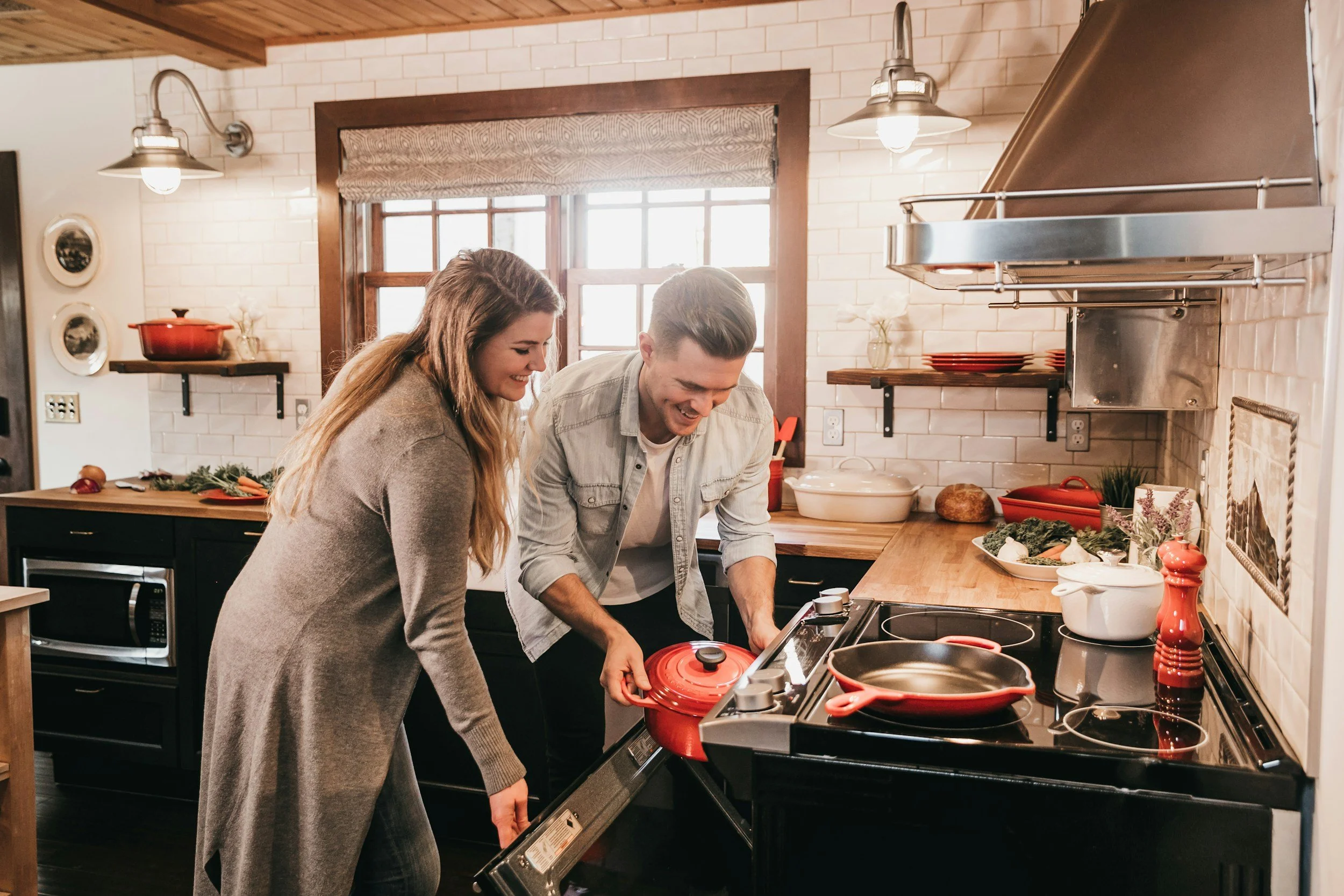
Homesteading is a big word, but the core skills are simple. You build them one by one.
Cooking From Scratch
Cooking from scratch does not mean you never use a shortcut. It means you know how to turn basic ingredients into meals.
Start with staples like:
Eggs, rice, beans, potatoes, oats, and simple vegetables.
Learn a few basic meals you can repeat. Repeating meals is not boring when you make small changes. One pot of beans can become tacos, soup, or a rice bowl.
Meal planning helps reduce food waste. When you plan meals, you use what you buy. When you use what you buy, your grocery budget gets happier.
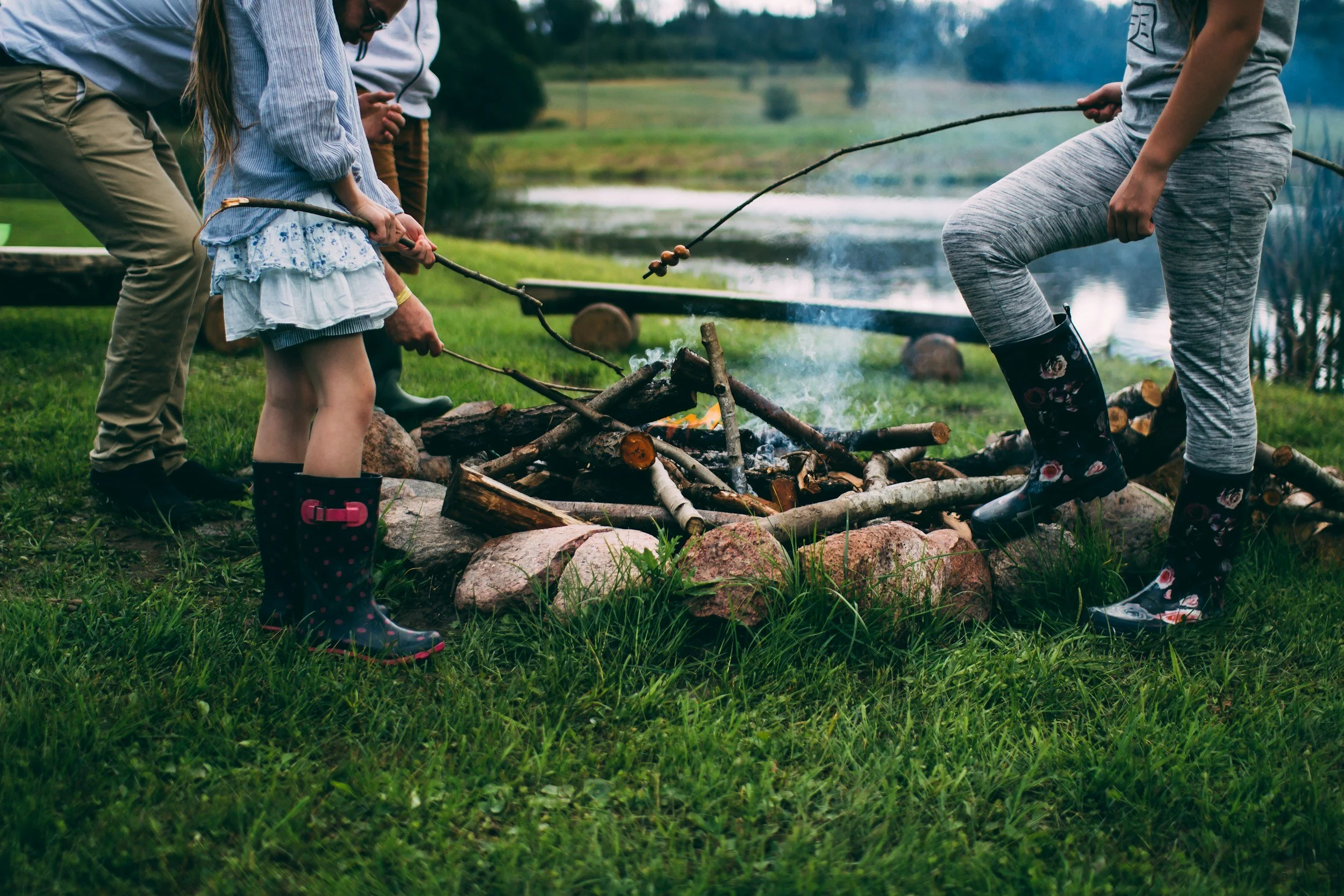
If you want to increase your efficiency, you can cook with firewood as fuel using a fire pit, or a rocket stove if you want the get more bang for your buck.
Gardening Basics At Any Scale
Gardening is mostly about three things: sun, soil, and water.
Sun: Many vegetables do best with lots of direct light. Leafy greens can handle less.
Soil: Plants grow better in soil that drains well and has organic matter.
Water: Deep, steady watering is usually better than a tiny sprinkle every day.
Start with easy crops. Many beginners have success with lettuce, radishes, green beans, herbs, and cherry tomatoes. Choose what you will actually eat.
Succession planting is also helpful. That means planting small amounts every couple of weeks so harvest lasts longer, instead of everything ripening at once.
Preserving Food
Preserving turns a good harvest into future meals.
Freezing is simple and safe for many foods. Use freezer bags or containers, remove extra air, label clearly, and rotate older food forward.
Dehydrating removes moisture, which helps food store longer. Many people start with herbs, apple slices, or tomatoes.
Canning has two common methods: water-bath canning for high-acid foods like many jams and pickles, and pressure canning for low-acid foods. Canning safety matters because the wrong method can allow harmful bacteria to grow. If you want to can, use tested recipes and follow trusted instructions from reliable sources like extension services and established canning guides.
You do not need to start with canning. You can build up to it.
Practical Herbal Use In The Kitchen
Herbs are one of the easiest ways to begin homesteading, even indoors.
You can grow basil, parsley, chives, mint, and oregano in pots if you have light. You can dry them for later. You can make simple teas from herbs you know are safe and correctly identified.
Be careful with foraging. If you are not fully sure what a plant is, do not use it. Safe sourcing matters.
A simple herbal habit is making infused honey or infused oil with a common culinary herb, used in cooking. Keep it simple and food-focused as you learn.
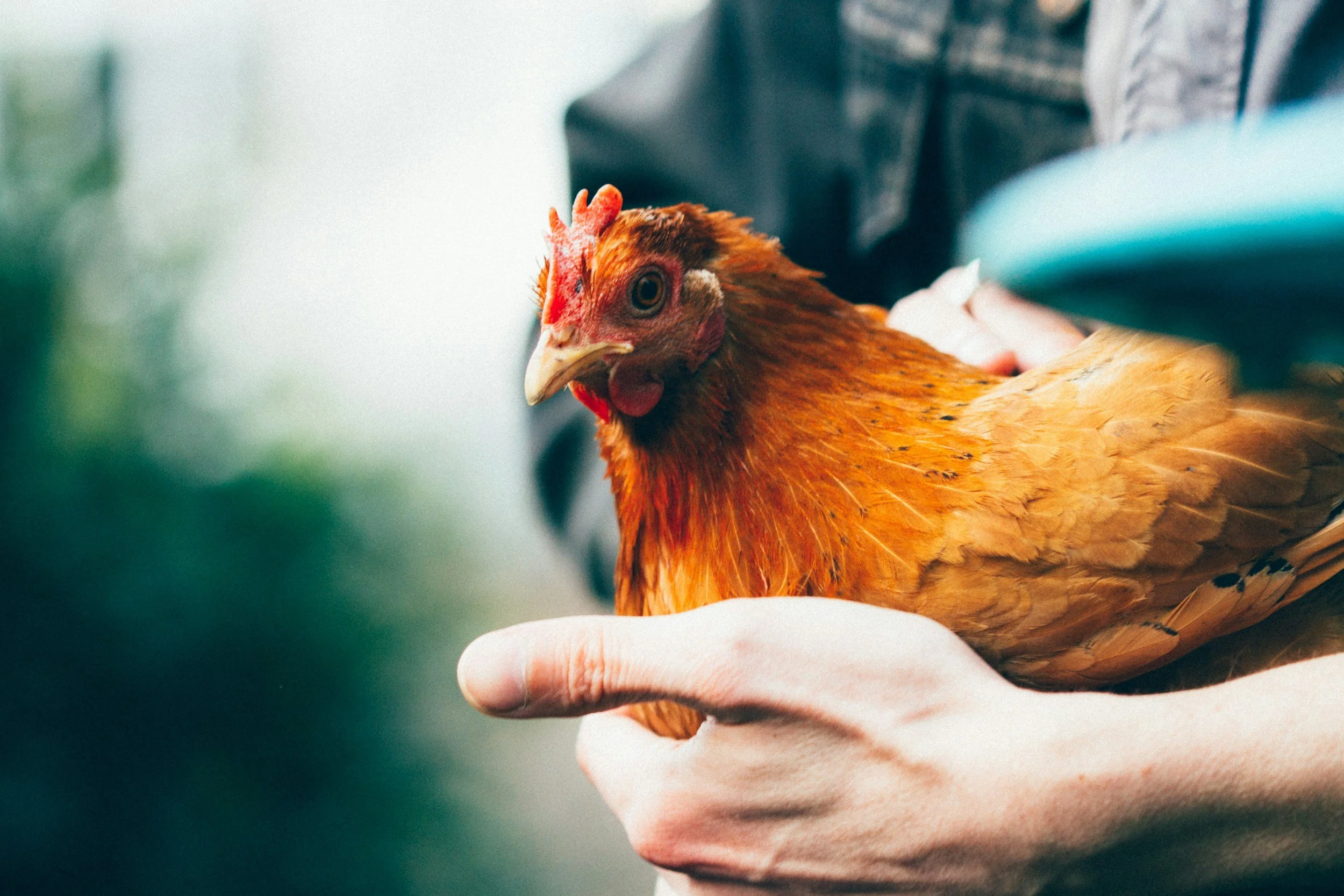
Keeping Chickens For Eggs
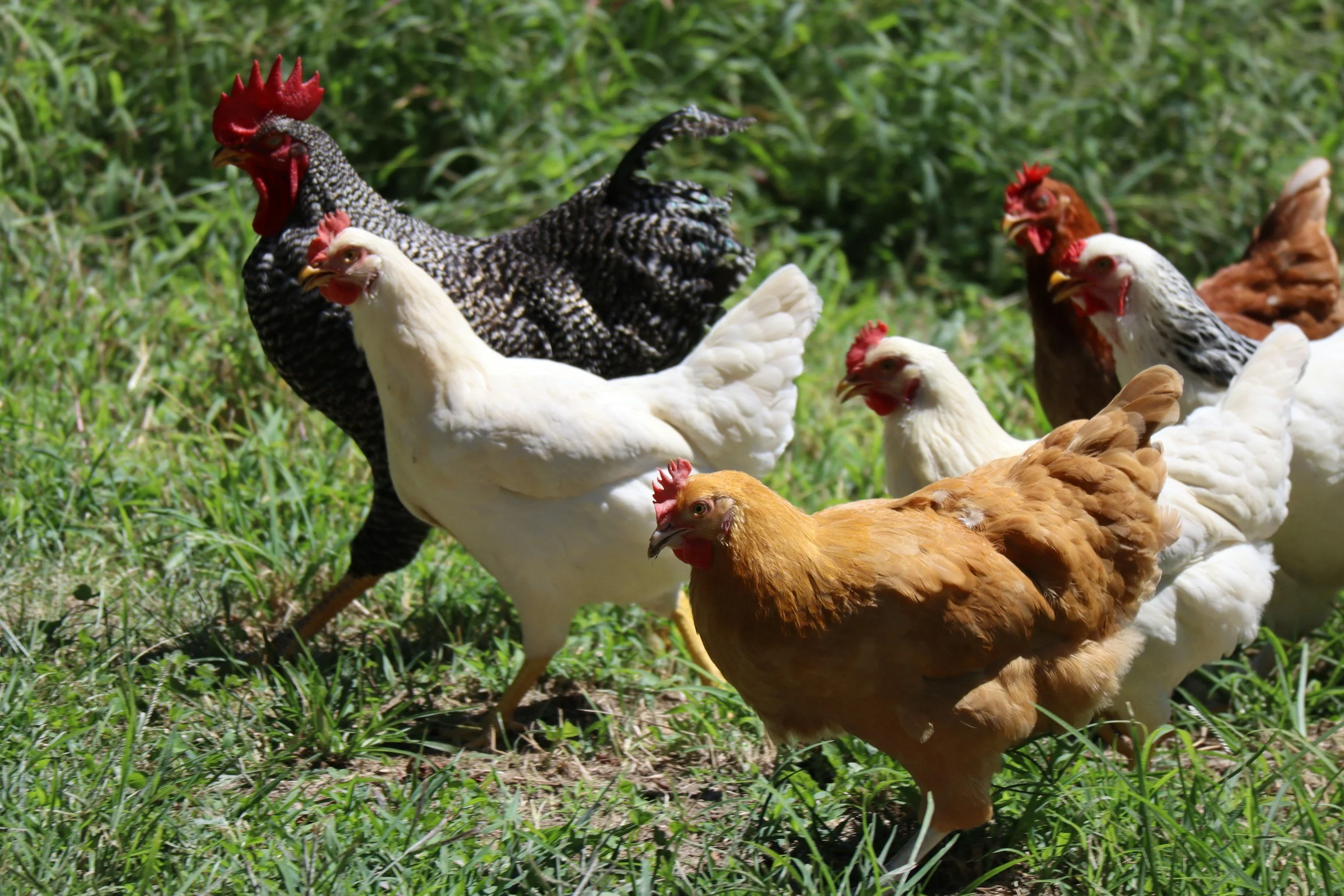
Chickens are popular because eggs are useful and tasty, and chickens can be friendly pets too. But chickens are not “easy” if you are not ready.
They need:
Safe housing that stays dry and ventilated.
Protection from predators.
Clean water daily.
Balanced feed.
Regular cleaning.
Egg handling basics include gathering eggs often, keeping them clean, and storing them properly. If you get chickens, learn local rules first, and plan for care when you travel.
Also remember that egg laying is not always steady all year. Chickens often lay less during shorter daylight seasons. That is normal biology.
Intro Animal Care Fundamentals
If you care for any animal, the basics are the same.
Daily checks are key. Look for changes in behavior, appetite, movement, and breathing. Make sure water is clean and available. Confirm shelter is safe.
Have a plan for heat, cold, storms, and emergencies. Animals depend on you, so start animals only when your routines are ready.
Making Household Staples
Some homesteaders like making cleaners, pantry mixes, or simple personal care items.
This can save money, but it can also become a hobby rabbit hole. Start with one useful item.
For example, you might make a simple all-purpose cleaning solution using well-known ingredients, or bake a basic sandwich bread each week instead of buying it.
Choose what you will actually use.
Composting And Building Soil
Composting is a long game. You turn scraps and yard waste into dark, crumbly compost that helps soil hold water and nutrients.
A compost pile needs a balance of different types of material and some airflow. If it smells bad, it may be too wet or packed. If it is not breaking down, it may be too dry or lacking certain inputs.
You can start small with a bin or a simple pile. Over time, compost becomes one of the most valuable things you make.
Basic Repairs And DIY Maintenance
Homesteading includes caring for your home, not just your garden.
Start with small fixes:
Tighten a loose handle.
Patch a tiny hole in a screen.
Learn how to shut off your water.
Keep tools clean and stored safely.
Safety matters. Wear eye protection when needed. Unplug things before working on them. When a repair is beyond your skill, call a pro and watch what they do so you learn.


Seasonal Planning
Seasonal planning keeps you from feeling surprised every month.
In warm seasons, you plant, water, weed, and harvest.
In cold seasons, you plan, clean, repair, and practice indoor skills like cooking and organizing.
Planning also includes winter prep, like protecting outdoor spigots from freezing in cold climates, storing tools, and making sure you have what you need before storms.
Beginner How-To Guidance For Starter Projects
You can read a hundred tips, but it helps to see a simple path.
Setting Up A Homestead Garden
Start by choosing the easiest growing spot you have.
A spot with good sunlight and easy access to water is worth more than a spot that looks cute but is hard to reach.
Decide between containers and beds.
Containers work well for herbs, peppers, and some tomatoes. They dry out faster, so you must watch watering.
Beds, including raised beds, can be easier to manage long-term because they hold moisture better and give roots more room.
Soil matters more than almost anything. Many garden problems are really soil problems. If your soil is poor, you can build it over time with compost and organic matter.
Plan your watering before you plant. Will you hand water? Use a soaker hose? If you travel, who will water?
Start with a few reliable crops you like to eat. Then plant them at the right time for your area. Cool-season crops do best when it is cooler. Warm-season crops like tomatoes and peppers need warmth.
As you grow, pay attention. Leaves tell stories. Wilting can mean thirst, but it can also mean too much water. Holes can mean pests. Yellowing can mean many things, including nutrient issues or stress.
A garden teaches you by doing.
Food Preservation Workflow
Preservation works best when it is a system, not a scramble.
When you bring food in, sort it. Use the most fragile items first.
Batching helps. That means doing one kind of task at a time. Wash all the berries, then freeze. Chop all the peppers, then freeze. This saves energy.
Label everything with the food name and date. Future you will be thankful when you are staring at mystery containers.
Choose storage spots that make sense. Keep older items in front so you use them first. Try to use preserved food in regular meals, not only “someday.”
For canning, follow safety rules closely. Use recipes that are tested for the method you are using. Use the right equipment in good condition. If something seems off, do not take chances.
Chicken-Raising Basics
If you decide to keep chickens, start before you bring birds home.
Build or buy a coop that is secure. Predators can dig, climb, and squeeze through small gaps. Use strong materials and secure latches. Make sure ventilation is good, because damp air can cause health issues, especially in cold weather.
Plan the daily routine. Chickens need fresh water and feed, plus a quick check. Their living space needs regular cleaning to control odor and pests.
Expect egg production to rise and fall. Hens usually do not lay at the same rate forever. Stress, heat, cold, and daylight changes can affect laying.
Also plan for what you will do if a chicken gets sick. It is not fun, but it is part of animal care. Responsible ownership includes planning for health problems.
Community And Support Systems
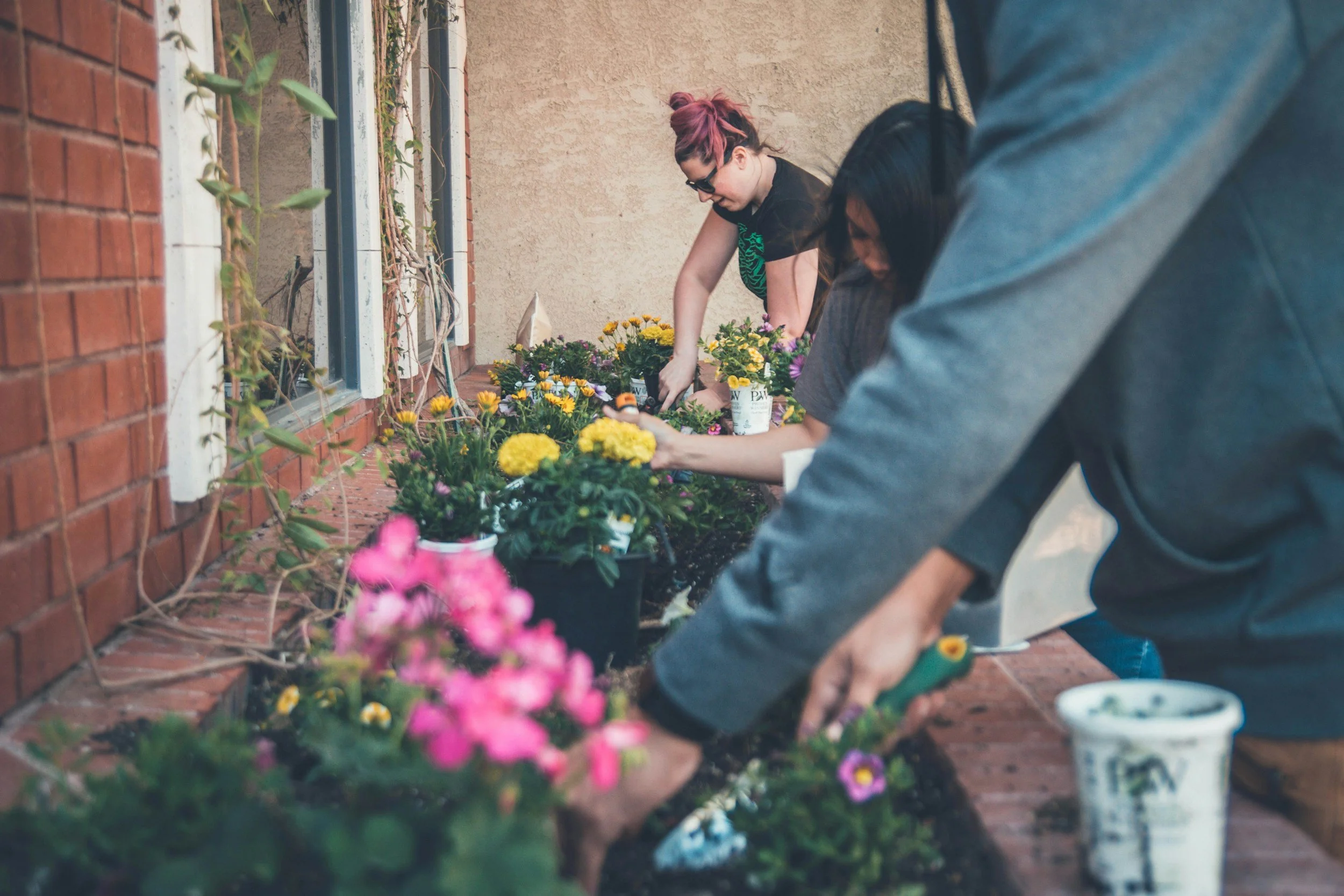
Homesteading is easier when you do not do it alone.
Local Mentors And Extension Services
Many areas have agricultural extension services tied to universities or local programs. They often offer science-based advice on gardening, soil testing, pests, food preservation, and local conditions. They may also offer workshops or publications.
Local garden clubs, farm supply stores, and community gardens can also connect you with people who know what grows well where you live.
A good mentor does not just give answers. They help you think.
Bartering And Sharing
Not everyone needs to own every tool.
You can share tools with neighbors, borrow equipment, or trade skills. One person might have a pressure canner. Another might have a tiller. Someone else might know how to fix a fence.
Seed swaps and plant swaps can also cut costs and build friendships.
Co-ops can be helpful too, depending on your area. Some co-ops make it easier to buy quality food in bulk.
Relationships For Emergencies
Community matters most when things go wrong.
If you get sick, someone might water your garden.
If a storm hits, someone might check on your animals.
If you have extra zucchini, you might trade it for eggs or honey.
Homesteading is about resilience, and relationships are part of that.
Common Beginner Pitfalls And How To Avoid Them
Mistakes are normal, but some mistakes are common enough that you can avoid them with planning.
Doing Too Much At Once
This is the biggest trap. New homesteaders get excited and start a garden, buy chickens, begin sourdough, try canning, and start compost all in the same month.
Then life gets busy. Things fall behind. Projects feel heavy instead of fun.
Avoid this by choosing one or two projects per season. Make them steady. Then add more.
Buying Animals Before You Are Ready
Animals are living beings, not decorations.
Before you get animals, have:
Housing fully set up.
Feed and water systems ready.
A daily routine that fits your schedule.
A plan for travel.
A plan for emergencies.
If you are still figuring out your mornings, start with plants and cooking first.
Underestimating Ongoing Costs
Some costs are not obvious at first.
Chickens need feed and bedding. Coops need repairs. Gardens need soil improvements. Freezers use electricity. Tools wear out.
A simple budget can help you see what is truly affordable.
Skipping Records
Without notes, you repeat mistakes.
You forget which seeds did well. You forget how much you spent. You forget when you planted.
Records do not have to be fancy. A notebook on the counter works.
Poor Planning For Storage And Pests
A garden can fail because pests eat everything. Food can spoil because storage is messy. Chickens can be harmed because predators find a weak spot.
Plan for these early.
Store animal feed in secure containers.
Use garden protection when needed, like row covers for certain pests.
Keep preserved food in stable conditions.
Think ahead instead of reacting every time.
Ignoring Local Regulations
Some places restrict chickens, roosters, or certain structures. Some limit compost or rainwater systems. Some have rules about fences.
Check before you build or buy. It is much easier to plan than to undo.
Also consider neighbors. A good relationship is worth more than a perfect homestead setup. Keep things tidy, control odors, and communicate when needed.
Keeping It Sustainable Long-Term
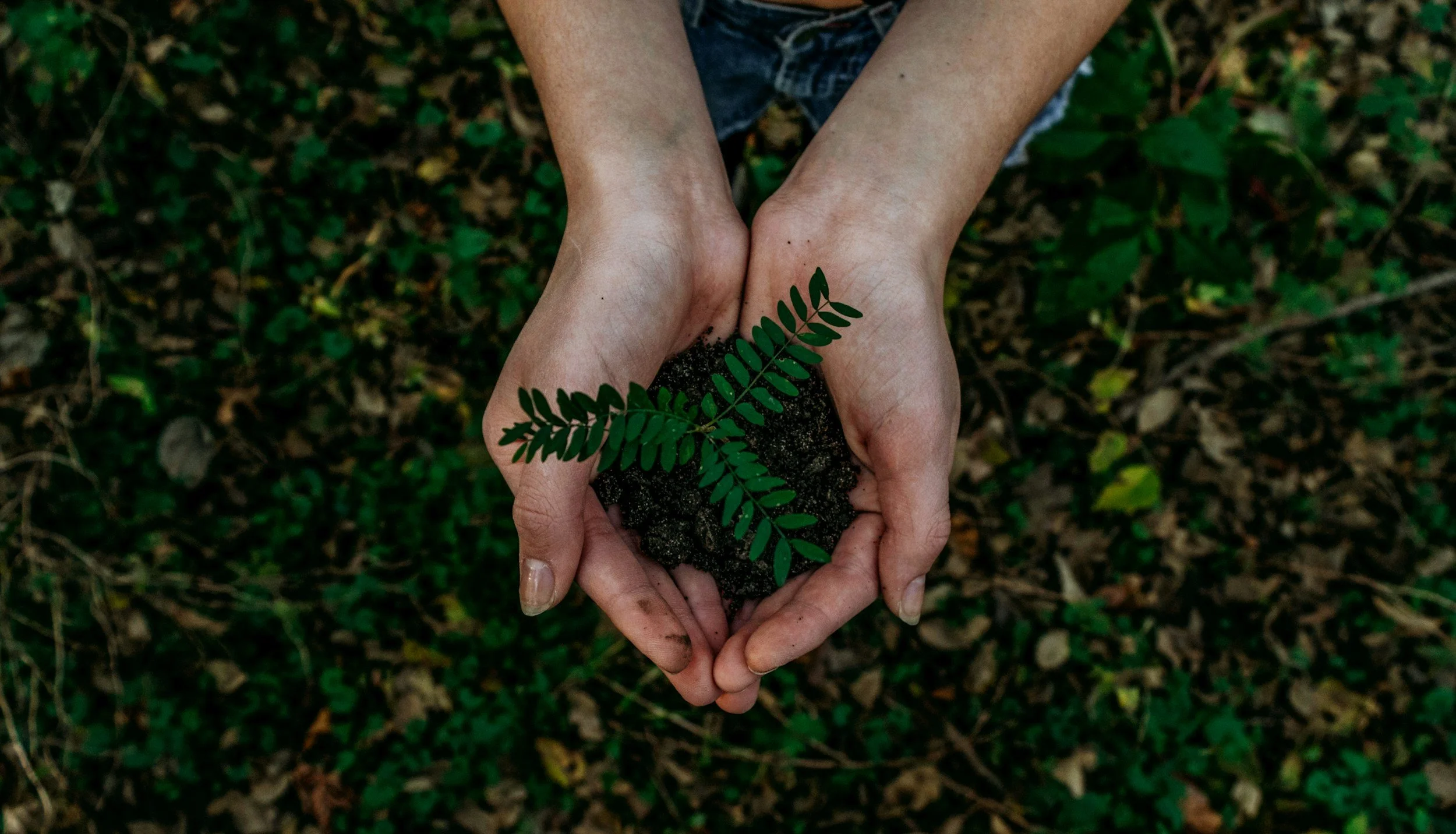
A homestead should support your life, not take it over.
Build Routines That Reduce Work
Systems save energy.
A watering system can save time.
A regular cleaning schedule keeps coops or storage areas from becoming overwhelming.
A weekly meal plan reduces last-minute stress.
A harvest routine, like picking every evening, can prevent food from going bad on the plant.
Small routines keep things from becoming huge chores.
Scale Up Responsibly
It is tempting to expand fast when you get a little success. But expansion adds work.
Before you expand, ask:
Do I have time for more?
Do I have storage for more?
Do I have the budget for more?
Do I have the skills to manage more?
Sometimes the best move is to simplify. A smaller garden that you manage well can feed you more than a big garden full of weeds.
Measure Progress
Progress is not only how much food you grow.
Measure:
Yields: how much you harvested.
Costs: how much you spent and saved.
Skills gained: what you can do now that you could not do before.
Quality of life: are you calmer, healthier, and more prepared?
A good homestead improves life. If it makes life miserable, something needs to change.
Learning Resources And Ongoing Education Options
You can learn homesteading in many ways, and you do not have to learn it all at once.
Books can help with gardening, cooking, preserving, and animal care. Local workshops can give hands-on practice. Online courses can be useful if they come from credible instructors with real experience and safe methods. Audio learning, like podcasts, can help you stay motivated while you work.
The best learning combines reading with doing.
Hands-On Practice Plans
If you want to build competence, try small challenges.
Cook three meals from scratch each week for a month.
Grow one easy crop and track how it goes.
Freeze ten portions of ready-to-eat meals and label them.
Start a compost bin and learn what makes it smell good or bad.
Learn one basic repair and do it safely.
Small challenges build real ability. Ability builds confidence. Confidence makes you want to keep going.
Closing Plan For Success
Homesteading for beginners should feel like opening a door, not carrying a mountain.
Start small. Choose projects that fit your life. Build skills before buying lots of stuff. Keep simple records. Expect setbacks, and treat them like lessons, not failures.
Celebrate small wins. A pot of soup, a handful of herbs, a single jar of tomato sauce, a tidy shelf of supplies, a garden bed that stays weeded for two weeks in a row. These wins are how a homestead is built.
Stay consistent, adjust as you learn, and let your homestead become a real part of your life, one steady step at a time.

⚠️Ships out within 1 - 2 weeks
Introducing The Ultimate Package, designed to bring luxury and convenience to your outdoor cooking experience. This premium package includes a 6-inch rocket stove that comes with smooth-rolling casters for effortless mobility, a 16-inch grill top, and a 16-inch griddle top. It also comes with a custom-fit grill cover to protect your stove when not in use, along with a fire starter kit to make lighting your fire quick and easy. The Ultimate Package has everything you need to cook in style and comfort. Save $100 when you buy the ultimate package, worth $1,000!!