
River and Stream Fishing Basics
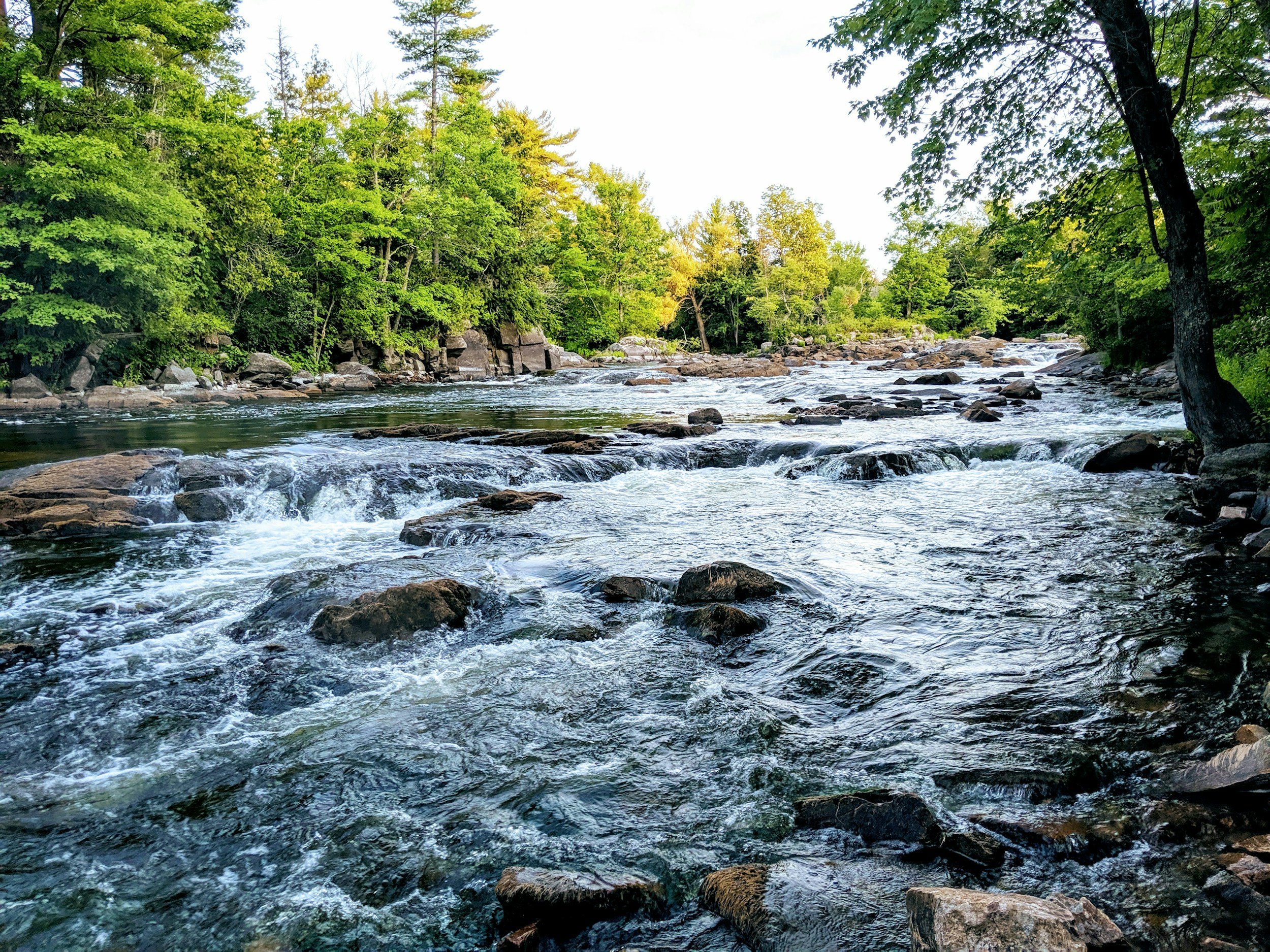
Unlike lakes, where the water sits still, rivers and streams are always changing. This makes fishing more exciting, but also a little more tricky.
If you are new to fishing in moving water, don’t worry. You don’t need fancy gear or years of skill to get started. You just need to understand how fish behave in currents and where they like to hide. Once you learn that, everything begins to make sense.
Fishing rivers and streams is like solving a puzzle. Every bend, rock, and ripple tells a story. The more you pay attention, the better you will get.
Understanding How Fish Think
Fish in rivers and streams do not swim around without purpose. They are always trying to do three things. They want to eat, stay safe, and use as little energy as possible.
Moving water makes this harder for them. If a fish swims in fast current all day, it will get tired quickly. So fish look for places where the water slows down. These spots let them rest while still being close to food.
Food in rivers comes from upstream. Bugs, small fish, and other things drift with the current. Fish will often sit in a calm spot and wait for food to come to them instead of chasing it.
This is the key idea to remember. Fish like calm water near fast water. That is where you should focus your efforts.
Reading the Water
Before you even cast your line, take a moment to watch the water. This is called reading the water. It is one of the most important skills in river and stream fishing.
Look for changes in the surface. Smooth water often means slow current. Choppy water usually means faster flow. Dark areas can mean deeper water, while light areas are often shallow.
Pay attention to how the water moves around objects. Rocks, logs, and bends in the river all change the flow. These changes create the perfect places for fish to hide.
You are not just fishing. You are studying the water like a map.
Best Places to Find Fish
Some spots in rivers and streams hold more fish than others. Once you know these places, you will have a much better chance of success.
Behind Rocks
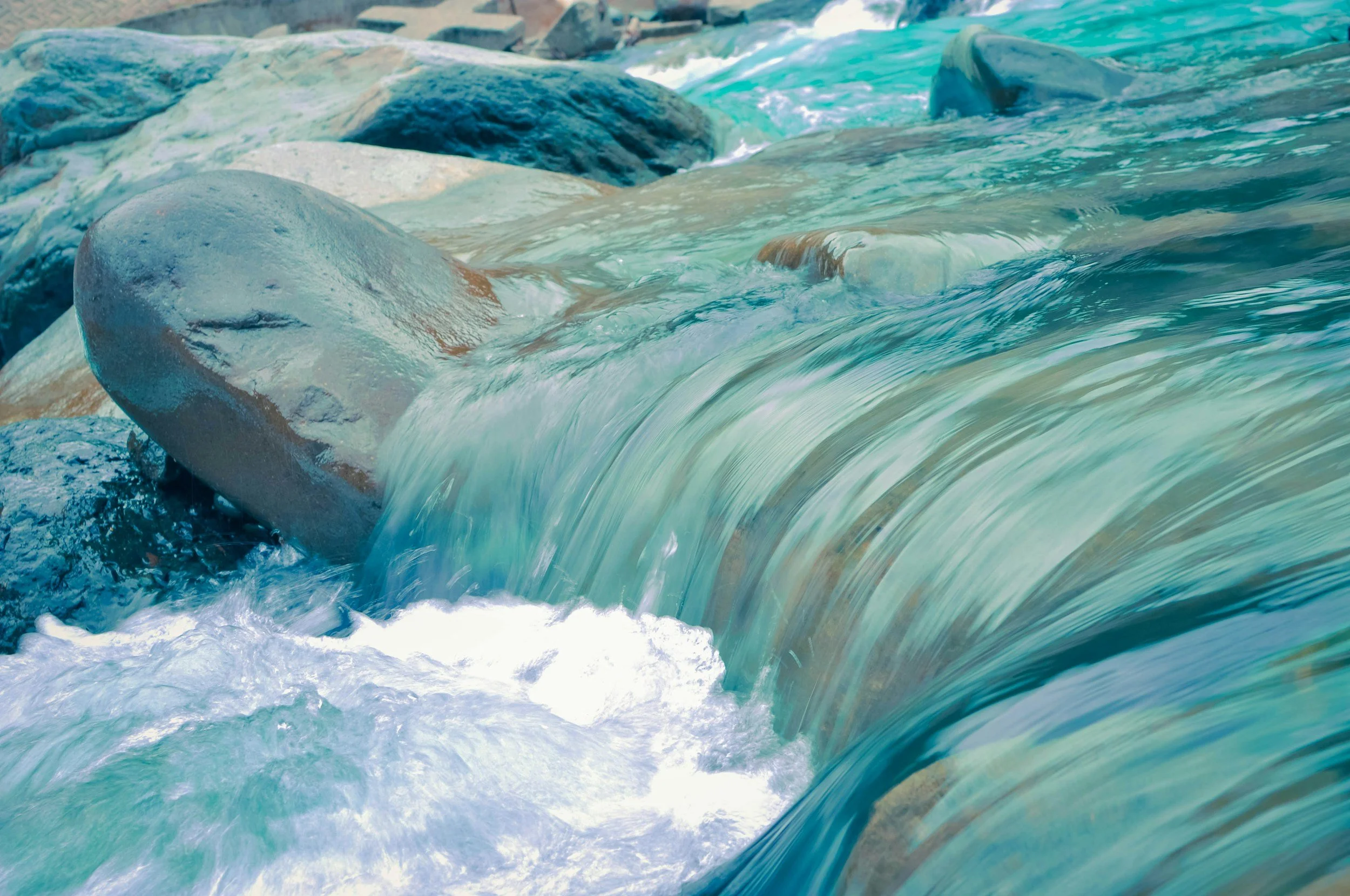
When water hits a rock, it splits and flows around it. Right behind the rock, the water becomes calm. Fish love to sit here. They can rest while watching food drift by.
Cast your line just upstream of the rock and let it drift naturally past it.
Along the Banks
The edges of a river often have slower water. Overhanging trees and plants also provide shade and cover. Fish feel safer here.
Be careful when approaching these spots. Fish near the bank can be easily scared by noise or movement.
In Pools
Pools are deeper sections where the water slows down. These areas often hold larger fish. The deeper water gives them protection and comfort.
Look for pools below fast sections of water. Food gets pushed into these areas, making them great feeding spots.
At Bends
When a river curves, the outside edge is usually deeper and slower. The inside edge is often shallow and faster.
Fish tend to gather on the deeper outside bend. This is where they can rest and wait for food.
Where Fast Meets Slow
This is one of the best places to fish. When fast water meets slow water, it creates a line called a seam. Fish will sit right along this seam.
They stay in the calm side while watching food drift down the fast side. It is like a buffet line for them.
Choosing the Right Gear
You do not need expensive equipment to fish rivers and streams. Simple gear works just fine.
A light to medium rod is a good choice. It gives you enough control without being too heavy. Pair it with a basic spinning reel, and you are ready to go.
Fishing line should not be too thick. A lighter line is harder for fish to see and works better in moving water.
Hooks, sinkers, and floats are all useful, but you do not need a lot. Start simple and add more as you learn.
The goal is not to carry everything. The goal is to understand what you are doing.
Picking the Right Bait
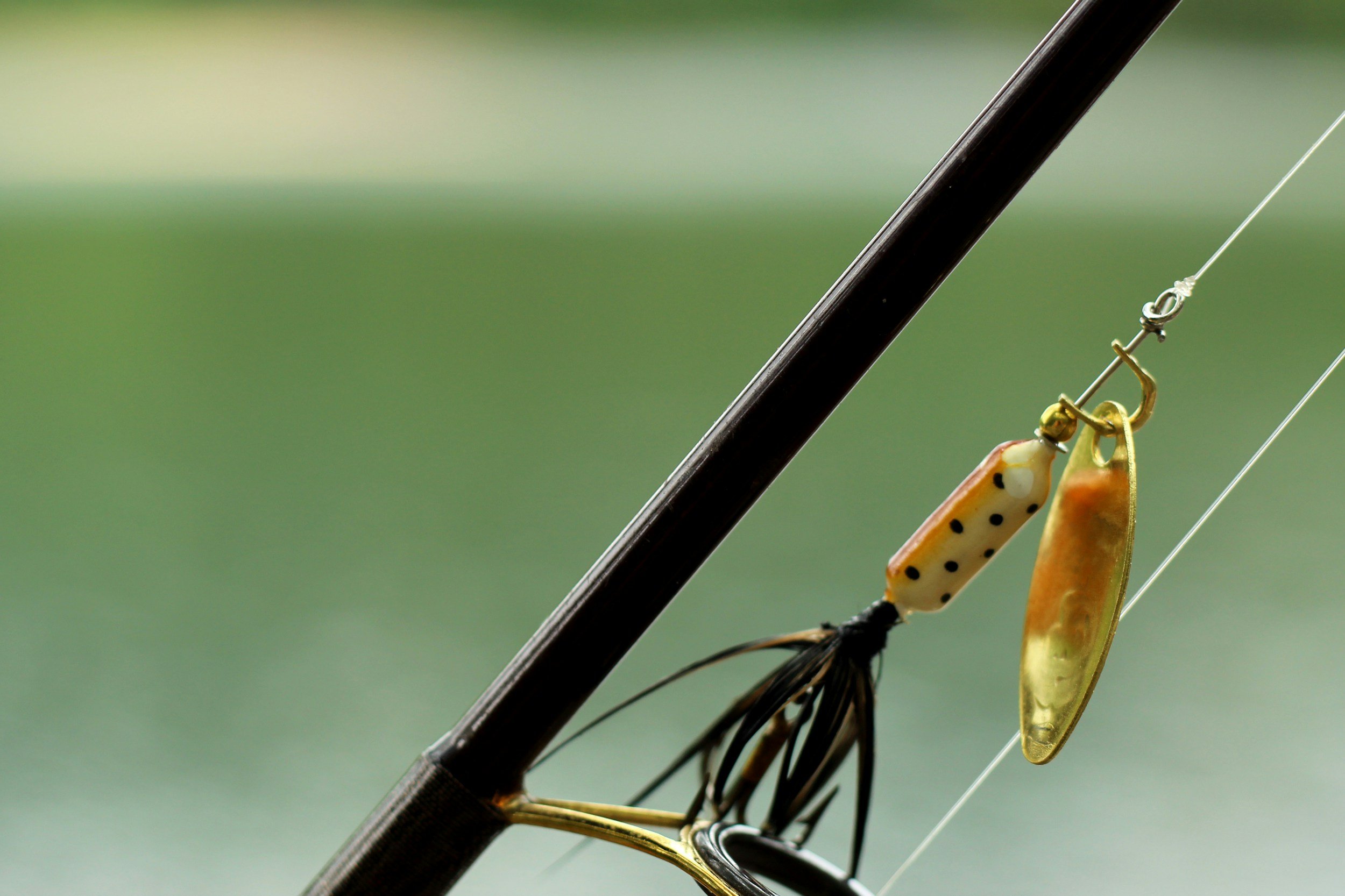
Fish in rivers eat what the water brings them. This means natural bait often works best.
Worms are a great choice. They are easy to find and attract many types of fish. Insects like grasshoppers and crickets can also work well.
If you prefer artificial lures, choose ones that move naturally in the water. Small spinners and soft plastics are popular choices.
The key is to match what fish are already eating. Look around. If you see bugs on the water, try to use something similar.
Casting in Moving Water
Casting in a river is different from casting in a lake. You are not just throwing your line out and waiting. You are working with the current.
One common method is to cast upstream. As your bait drifts down, it looks more natural to the fish. They are used to food coming from that direction.
Let your bait move with the water. Do not pull it too fast. A natural drift is very important.
You can also cast across the current and let your bait swing through the water. This works well with lures.
Practice makes a big difference here. The more you try, the better you will get.
See also: Freshwater vs. Saltwater Fishing
Moving Quietly and Staying Hidden
Fish in rivers can be very aware of their surroundings. Loud steps, shadows, and sudden movements can scare them away.
Walk slowly and softly along the bank. Try to stay low if possible. Avoid casting a shadow over the water.
If the water is clear, fish can see you easily. Take your time and approach carefully.
Sometimes the difference between catching fish and going home empty is how quiet you are.
Understanding the Seasons
Fishing changes with the seasons. Water temperature and flow affect fish behavior.
In spring, rivers often run high and fast. Fish may stay closer to the edges where the current is weaker.
In summer, water levels drop and fish can be found in deeper pools. Early morning and late evening are the best times to fish.
In fall, fish become more active as they prepare for colder months. This can be a great time to catch larger fish.
In winter, fishing can be slower, but not impossible. Fish move less and stay in deeper water.
Knowing the season helps you adjust your approach.
Safety Around Water
Rivers and streams can be beautiful, but they can also be dangerous. Always be aware of your surroundings.
Wear shoes with good grip if you are walking in the water. Rocks can be slippery.
Never underestimate the strength of moving water. Even a shallow current can knock you off balance.
If you are fishing alone, let someone know where you are going. It is always better to be safe.
Take your time and respect the water.

Patience and Practice
Fishing is not always about catching fish. Sometimes it is about learning and enjoying the moment.
You might not catch anything on your first trip. That is okay. Every time you go out, you learn something new.
Pay attention to what works and what does not. Try different spots, baits, and techniques.
Over time, things will start to click. You will begin to see patterns. You will understand the water better.
And when you finally catch that fish, it will feel even more rewarding.
The Joy of the Experience
River and stream fishing is more than just a hobby. It is a way to connect with nature. The sound of water, the fresh air, and the quiet moments all come together.
You do not need to rush. You do not need to compete. Just being there is part of the reward.
Every trip is different. Every river has its own story. And every fish you catch adds to your own.
So grab your gear, find a stream, and give it a try. The water is always moving, and there is always something new to discover.

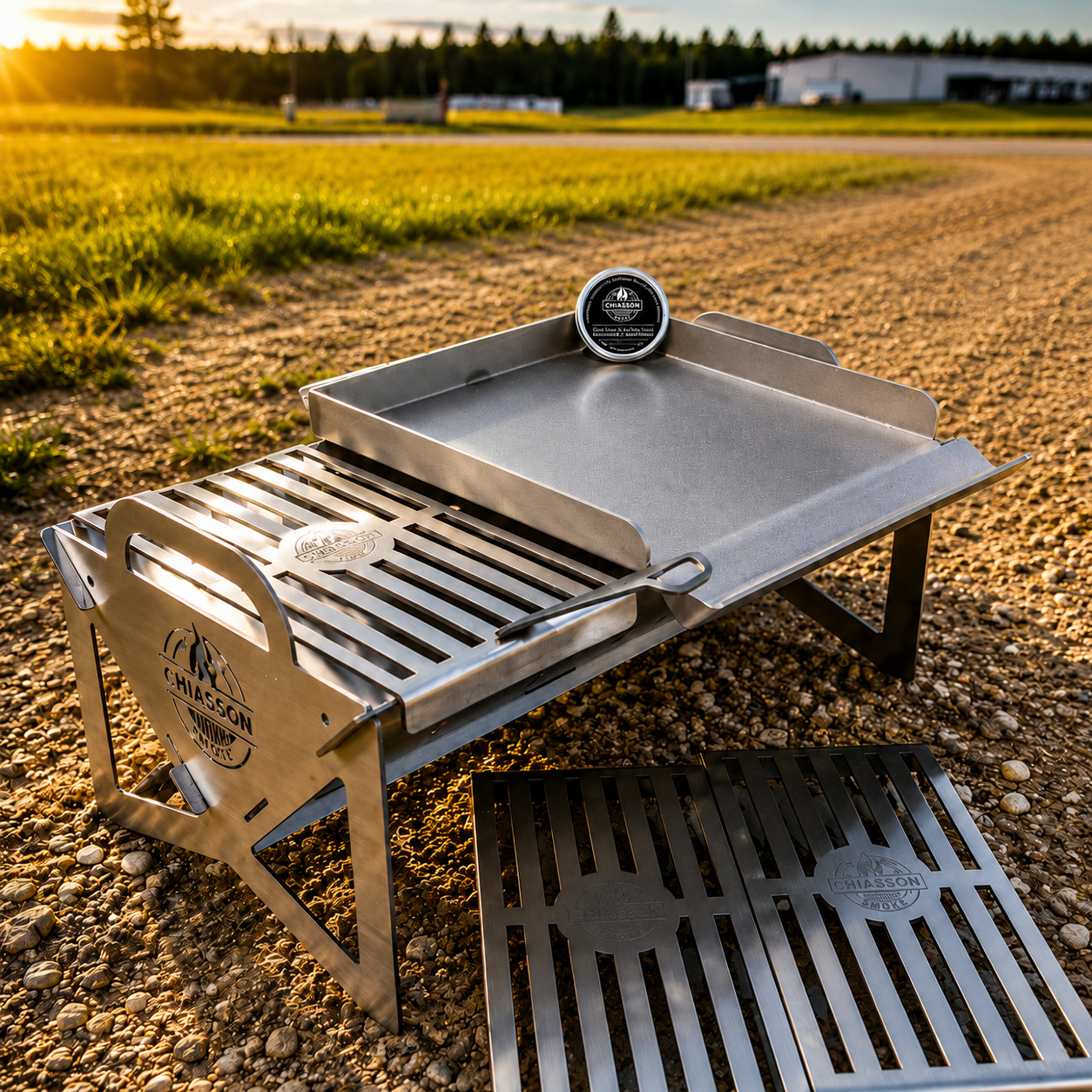
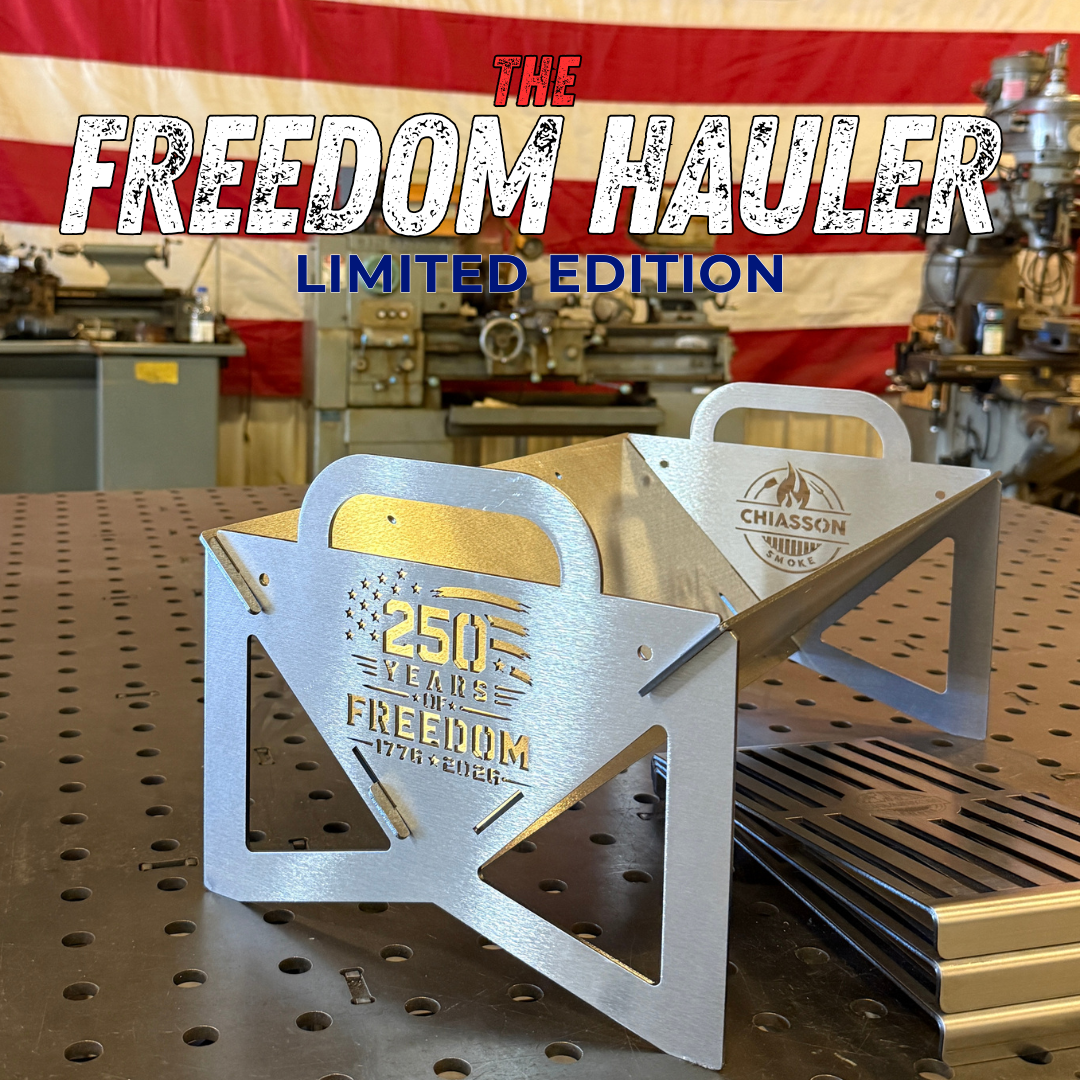
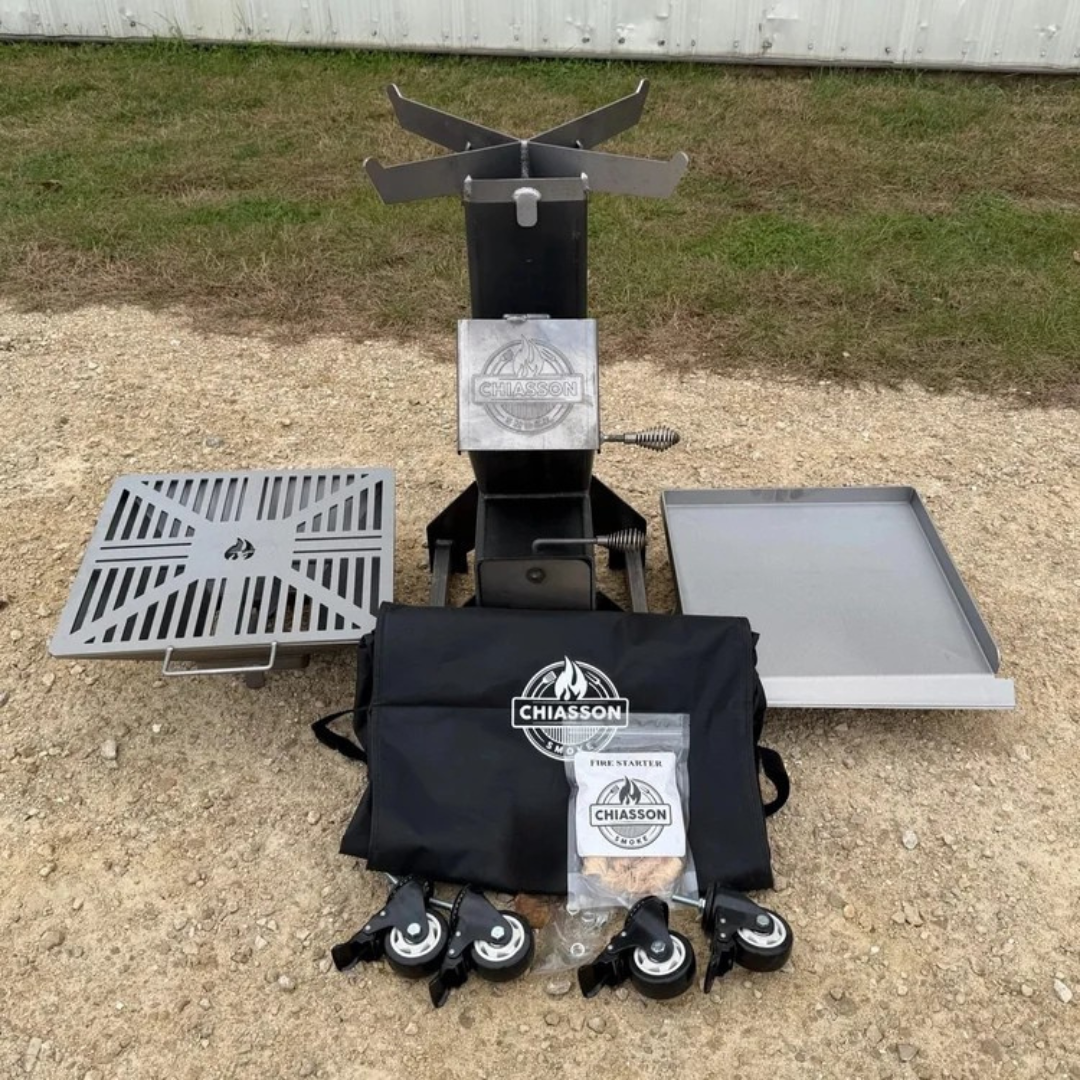
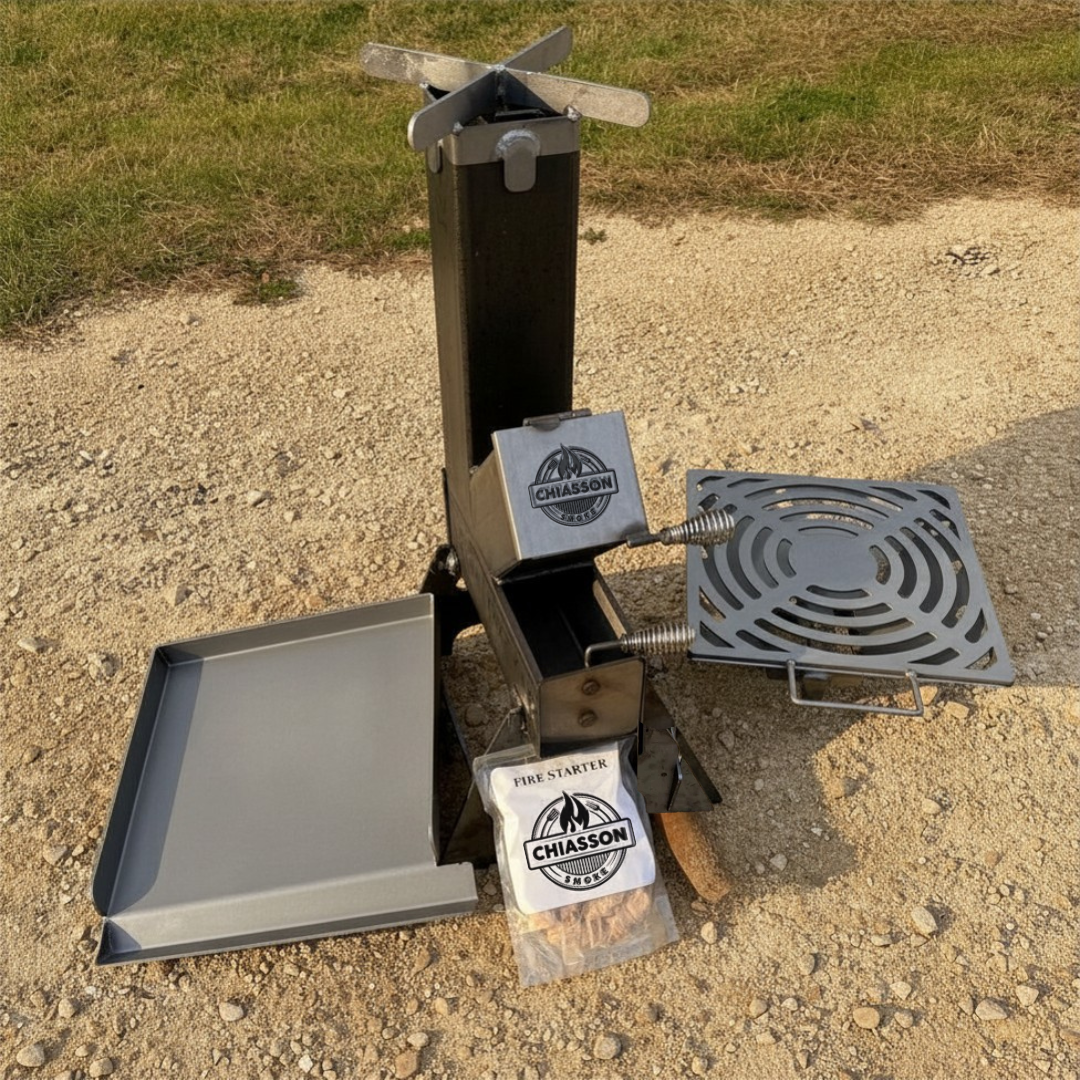
The Hauler Grill was made for people who love cooking outside but don’t want to haul around a big, bulky grill.
Its simple design packs down flat, and when you’re ready to cook, it goes together quickly with no tools needed.
Want even more ways to cook? Add one of our griddle options and make breakfast, smash burgers, fajitas, fried rice, and plenty more.