
Urban Homesteading 101

Urban homesteading is a simple idea. It means living a more self-reliant life, even in a city. You do not need a big farm. You do not need acres of land. You can start right where you are, even in a small apartment or a tiny backyard.
It is about growing food, saving money, and using what you have. It is also about slowing down and doing things with care. You learn to make things instead of buying them. You learn to fix things instead of throwing them away.
Urban homesteading is not about being perfect. It is about doing your best with what you have. Every small step matters.
Why People Are Turning to Urban Homesteading
Life in the city can feel fast and busy. Stores are full, but many people feel disconnected from where their food comes from. Urban homesteading brings things back to basics.
People enjoy growing their own food because it feels good. Watching something you planted yourself turn into something you can eat is exciting. It gives a sense of pride that is hard to find elsewhere.
It also helps save money. Grocery bills can be high, but growing herbs, vegetables, and fruits at home can cut costs over time.
There is also peace in it. Taking care of plants, cooking from scratch, and working with your hands can calm the mind.
Starting Small Is the Key
Many people think they need a lot of space or tools to begin. That is not true. The best way to start is small.
You can begin with a few pots on a windowsill. Herbs like basil, mint, and parsley grow well indoors. They do not need much space, and they grow fast.
Once you feel comfortable, you can try growing vegetables like tomatoes, peppers, or lettuce. Even a balcony can become a small garden.
The goal is not to do everything at once. It is to learn step by step.
Growing Food in Small Spaces
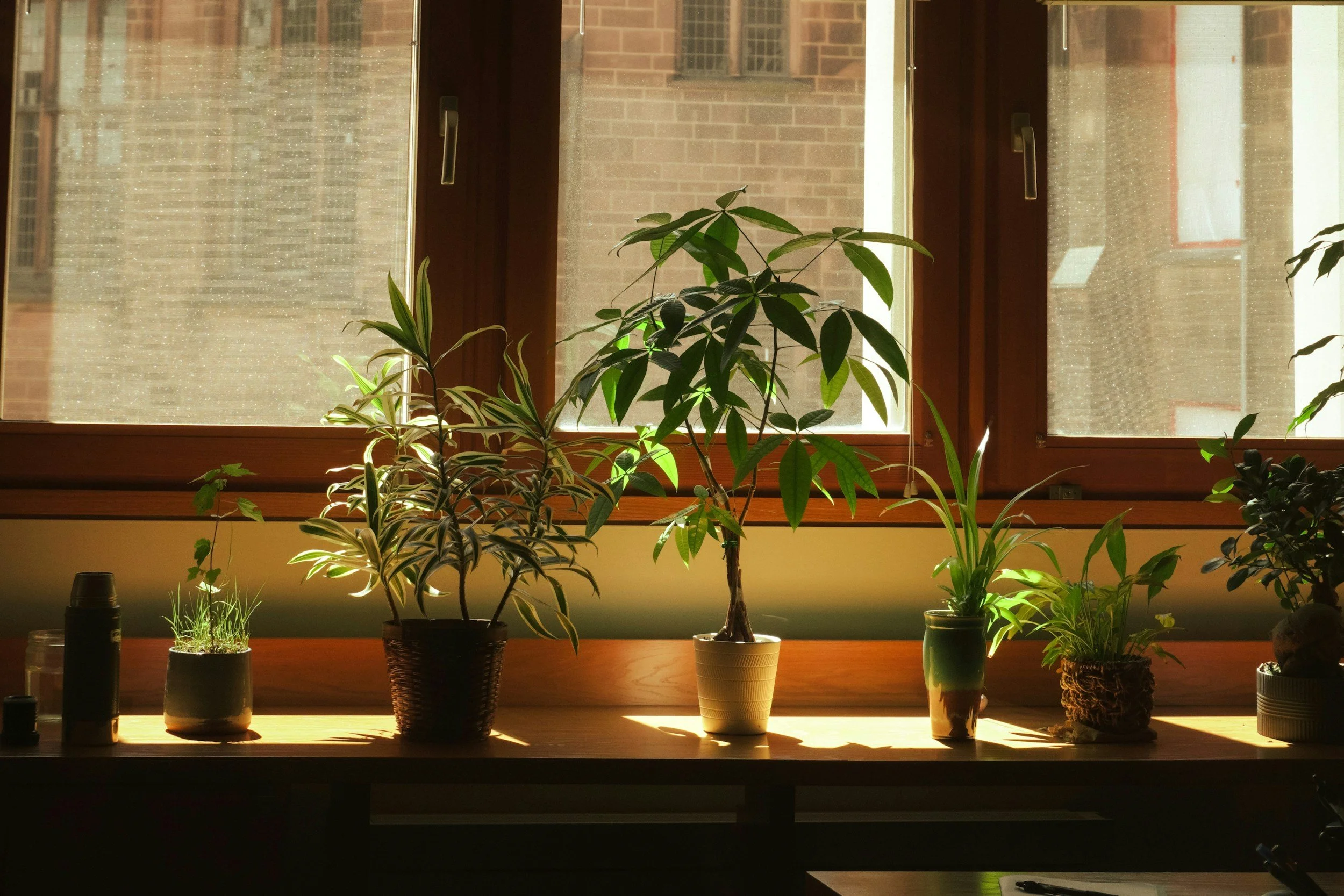
Space is often the biggest challenge in cities. But there are many ways to grow food without much room.
Containers are very useful. You can grow plants in buckets, boxes, or even old containers you already have. As long as there is good soil and drainage, plants can grow.
Vertical gardening is another smart idea. You can use walls, shelves, or hanging pots to grow upward instead of outward. This saves space and looks great too.
Some people use window boxes or small raised beds. Others grow plants indoors under lights.
No matter the space, there is always a way to grow something.
Foods to Grow
Lettuce is one of the easiest options since it grows quickly, does not need deep soil, and can even be harvested a little at a time.
Cherry tomatoes are also a great choice because they grow well in containers and produce a lot with basic care and sunlight.
Green onions are very low effort and can even regrow from scraps in a small container.
Radishes are another simple crop since they grow fast and do not take up much space.
Herbs are one of the easiest things to grow. They do not need much space, and they grow quickly.
Basil is great for cooking and smells amazing. Mint grows fast and can be used for tea or fresh drinks. Parsley and cilantro are also easy and useful.
You can grow herbs indoors or outside. They are a great way to start your urban homesteading journey.
Once you start using fresh herbs in your cooking, it is hard to go back.

Soil Matters More Than You Think
Good soil is the base of any garden. Even the best seeds will struggle in poor soil.
Healthy soil is full of life. It holds water, gives nutrients, and helps roots grow strong. You can buy soil, but you can also improve it yourself.
Composting is a big part of this. It means turning food scraps into rich soil. Things like fruit peels, vegetable scraps, and coffee grounds can all be used.
Over time, compost makes your soil better and reduces waste at the same time.
Watering the Right Way
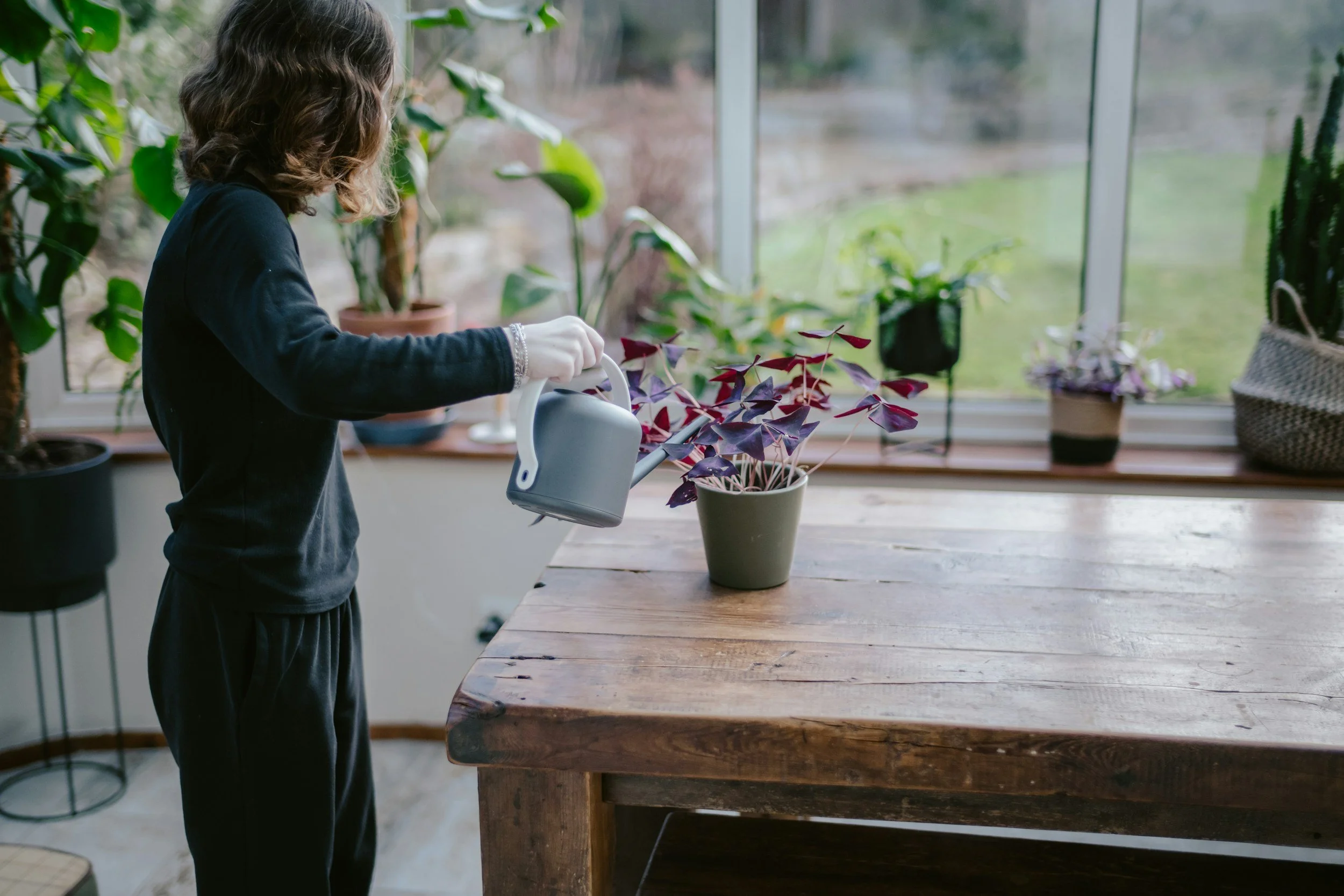
Plants need water, but too much or too little can cause problems.
It is better to water deeply and less often than to water a little every day. This helps roots grow strong.
Morning is the best time to water. The sun is not too strong, and plants can take in the water before the heat of the day.
You can also collect rainwater if possible. It is free and great for plants.
Raising Small Animals in the City
Some cities allow small animals like chickens or rabbits. If your area allows it, this can be a great step.
Chickens can provide fresh eggs. Rabbits can be raised for meat or simply as part of a homestead system.
But this is not for everyone. Animals need care, time, and space. You must also check local rules before starting.
If animals are not an option, that is okay. There are many other ways to homestead.
Cooking From Scratch
Urban homesteading is not just about growing food. It is also about how you use it.
Cooking from scratch is a big part of the lifestyle. It means using simple ingredients and making meals at home.
You can bake bread, make soups, or cook meals using what you grow. Even simple dishes taste better when you make them yourself.
Cooking this way also helps you know exactly what goes into your food.
Preserving What You Grow
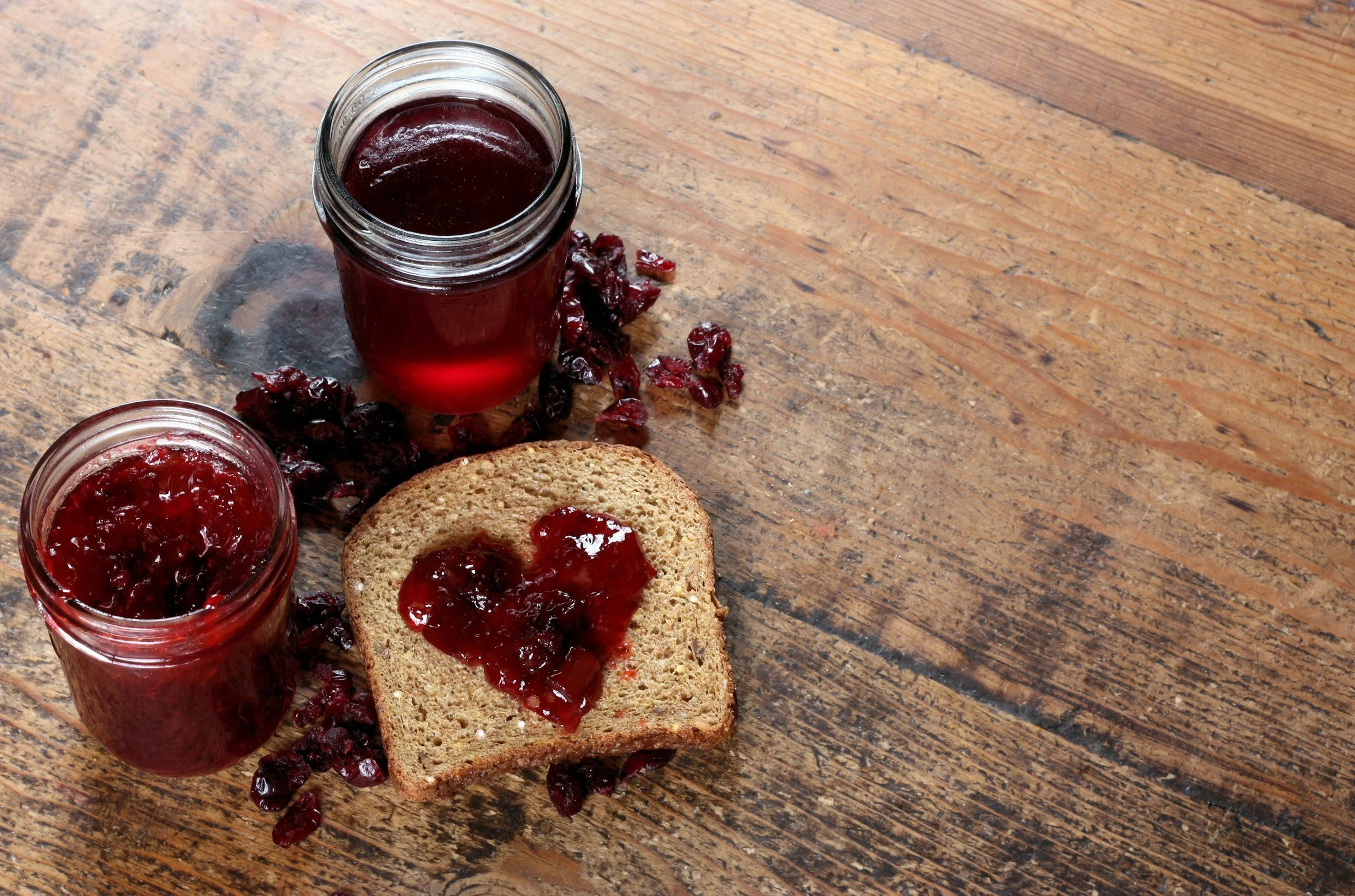
When your garden starts producing more than you can eat, it is time to preserve it.
There are many ways to do this. You can freeze vegetables, dry herbs, or make simple jams.
Canning is another option, though it takes some practice. It allows you to store food for a long time.
Preserving food means less waste and more savings.
Reducing Waste at Home
Urban homesteading also means using less and wasting less.
Instead of throwing things away, you find ways to reuse them. Old jars can be used for storage. Scraps can be composted.
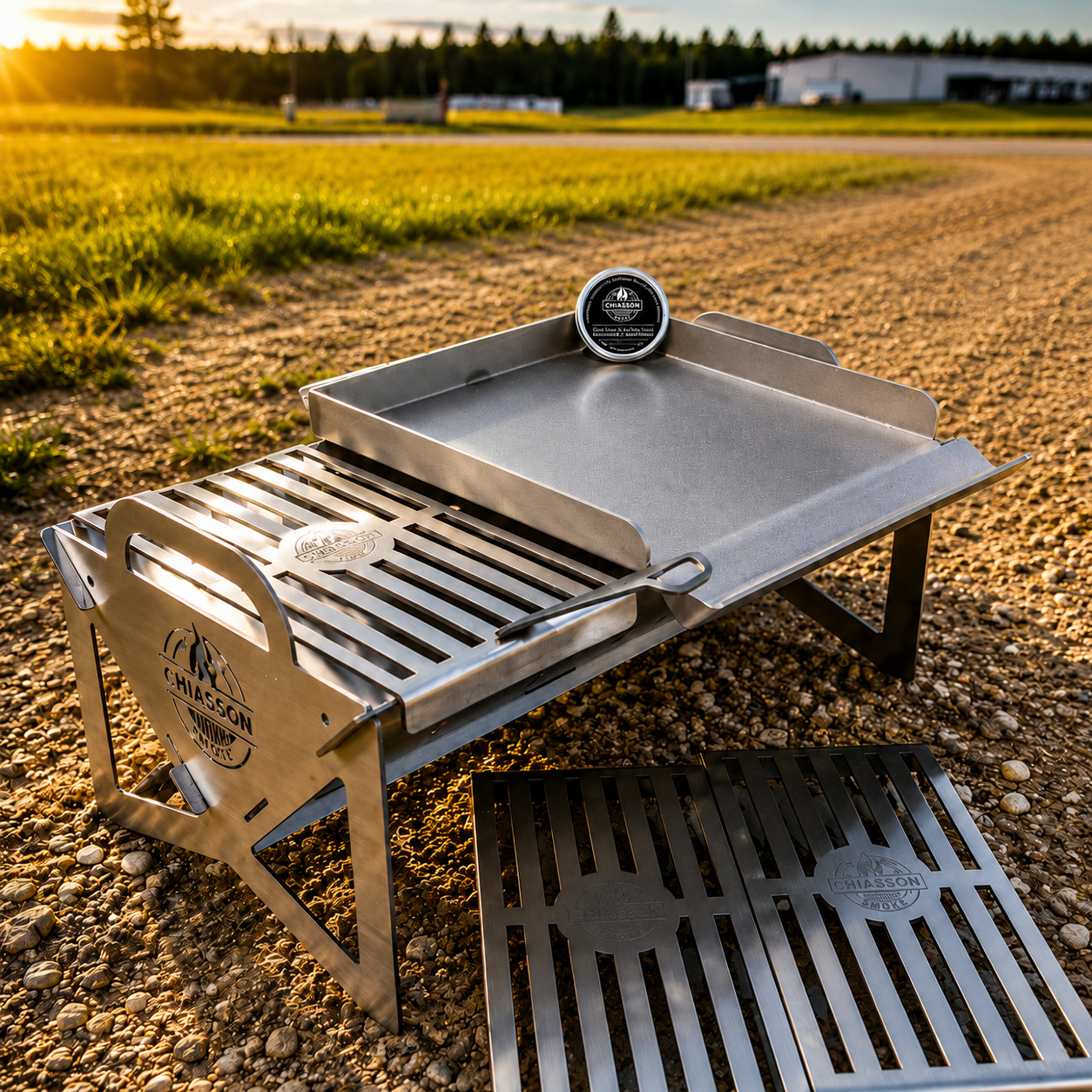
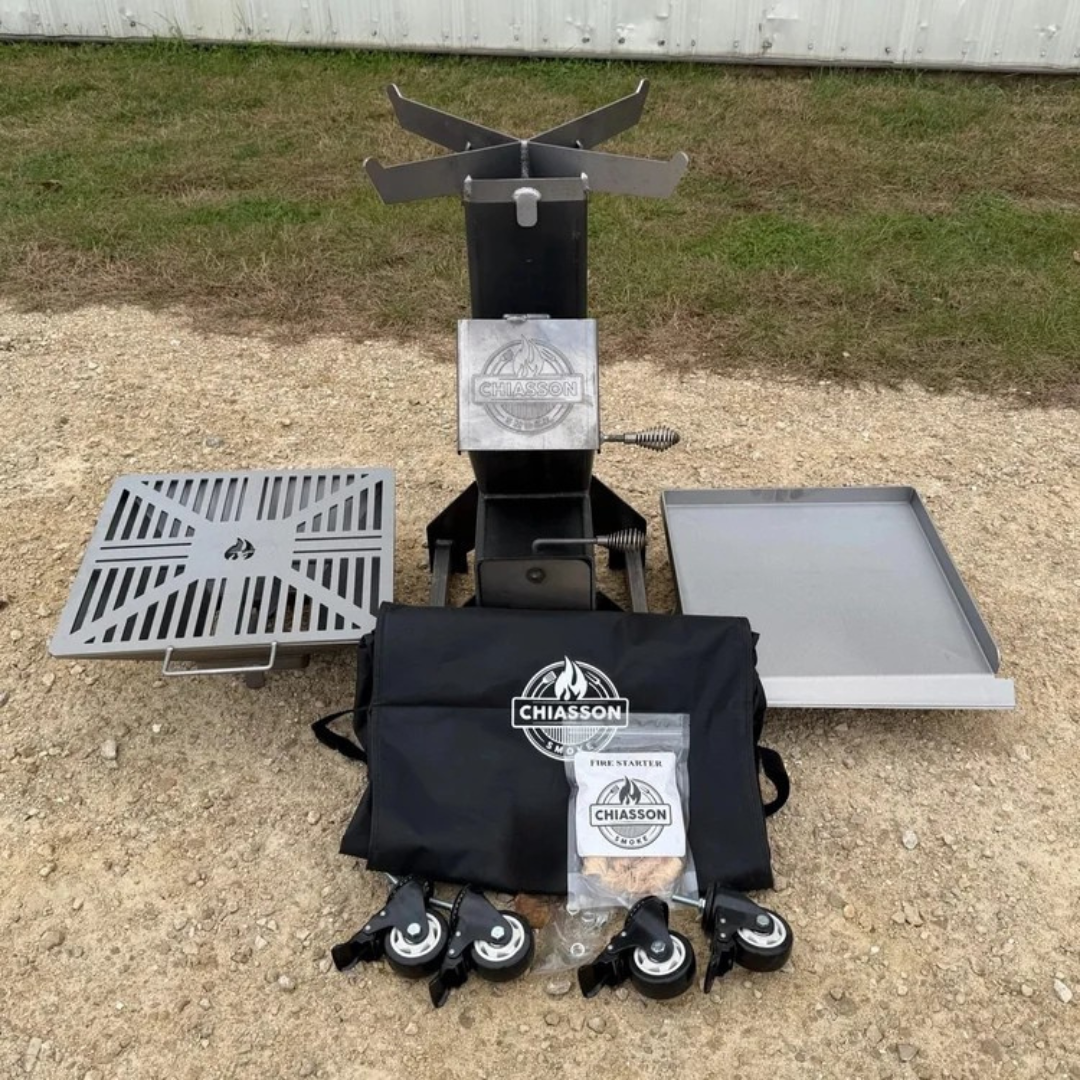
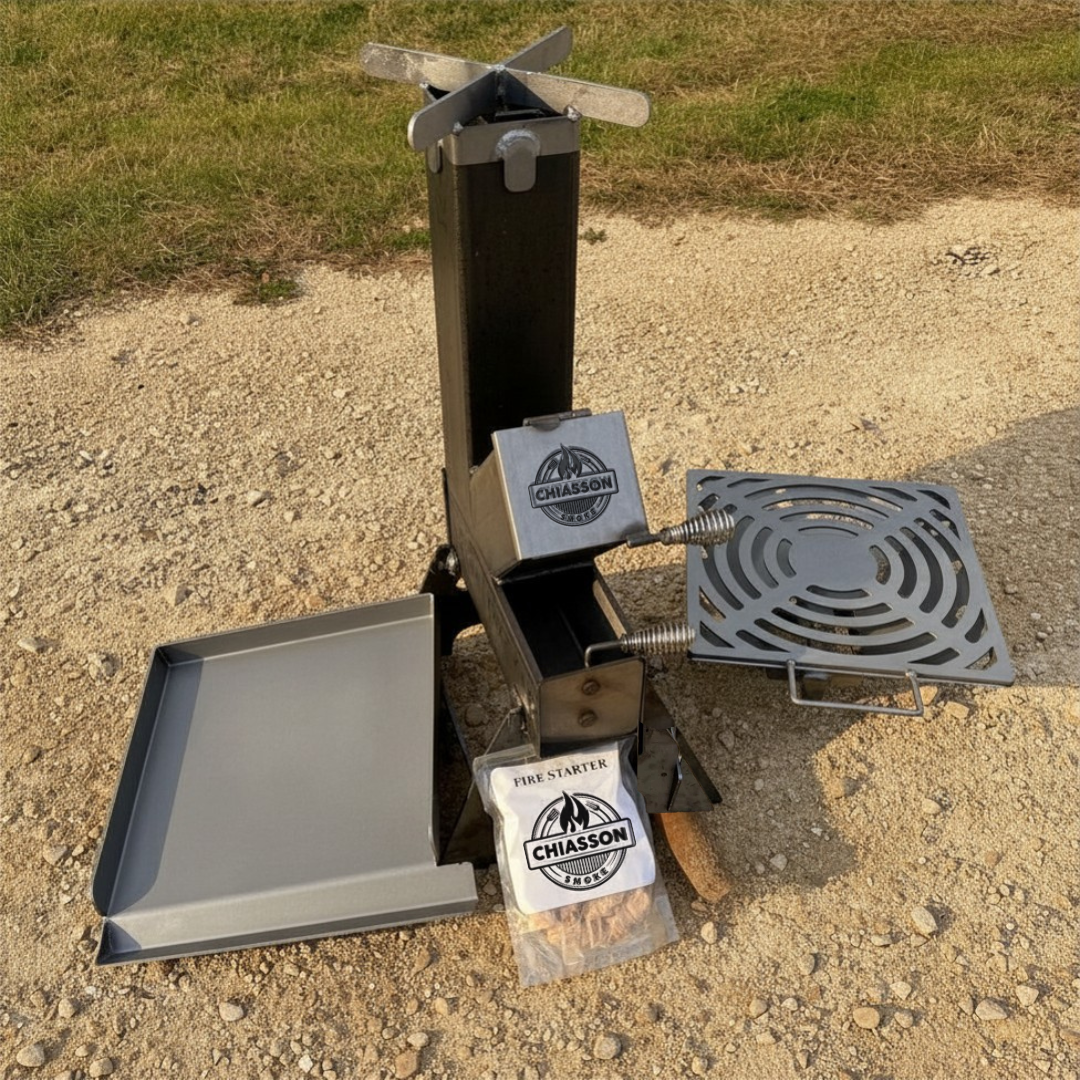
If you have an outdoor space for a rocket stove, you can also recycle scrap wood by using it as fuel to cook full meals.
Even small changes can make a big difference over time.
It is not about being perfect. It is about being mindful.

Making Your Own Household Items
Many everyday items can be made at home. This can save money and reduce chemicals in your home.
You can make simple cleaners using vinegar and baking soda. You can make soaps, candles, and even simple lotions.
These projects are fun and give you more control over what you use.
The Power of Simple Skills
Urban homesteading teaches useful skills. These skills make life easier and more independent.
You learn how to grow food, cook, fix things, and create what you need.
These skills build confidence. You start to rely less on stores and more on yourself.
Over time, this becomes a way of life.
Building a Routine That Works
Consistency is important. Plants need care. Projects take time.
But it does not have to be hard. A simple routine can help.
Check your plants each day. Water them when needed. Spend a little time each week learning something new.
Small actions add up over time.
Connecting With Others
Even though it is called homesteading, you do not have to do it alone.
Many people in cities are doing the same thing. There are local groups, online communities, and neighbors who share the same interests.
You can trade plants, share tips, or even swap food.
This sense of community makes the journey more enjoyable.
Dealing With Challenges
Urban homesteading is not always easy. Space is limited. Time can be tight. Regulations exist. Things do not always go as planned.
Plants may die. Projects may fail. That is part of the process.
Each mistake is a chance to learn. Over time, you get better.
The goal is progress, not perfection.
Turning Your Home Into a Homestead
Your home does not need to look like a farm. It just needs to work for you.
A few plants in the kitchen, a small compost bin, and a habit of cooking from scratch can turn any space into a homestead.
It is about how you live, not where you live.
A Simple Way Forward
Urban homesteading is not about going backward. It is about moving forward in a smarter way.
It helps you live with intention. It helps you use what you have. It brings you closer to your food and your home.
Anyone can start. You do not need much. Just a little space, a little time, and a willingness to learn.
That is all it takes to begin.

The Hauler Grill was made for people who love cooking outside but don’t want to haul around a big, bulky grill.
Its simple design packs down flat, and when you’re ready to cook, it goes together quickly with no tools needed.
Want even more ways to cook? Add one of our griddle options and make breakfast, smash burgers, fajitas, fried rice, and plenty more.