
How to Store Cooked Fish
Cooked fish is one of those foods that feels simple, but it can turn tricky fast if you do not handle it right. One minute it tastes fresh, soft, and full of flavor. The next minute it smells off, dries out, or becomes something you do not want to eat. If you have ever opened the fridge and wondered if that leftover fish is still safe, you are not alone.
Learning how to store cooked fish the right way can save you money, cut down on waste, and keep your meals tasting great. It is not hard, but it does take a little care and attention. Fish is delicate, and it does not last as long as many other foods. That means you need to treat it with respect from the moment it comes off the heat.
In this guide, you will learn how to cool, store, and reheat cooked fish so it stays safe and tasty. You will also learn how to tell when it has gone bad, and how to make the most of your leftovers.
Why Cooked Fish Needs Special Care
Fish is different from beef or chicken. It has a softer texture and a lighter structure. That is part of what makes it so good to eat, but it also means it breaks down faster.
When fish is cooked, its proteins change. This makes it easier to digest, but it also makes it more open to bacteria if it is not stored properly. Fish also has natural oils that can spoil and create strong smells.
Because of this, cooked fish has a shorter window of safety. You cannot leave it sitting out for long, and you cannot keep it in the fridge for too many days. If you follow the right steps, though, you can keep it fresh and enjoyable.
Let It Cool, But Not Too Long
After cooking fish, your first instinct might be to leave it out until it cools all the way down. That seems safe, but it can actually cause problems.
Bacteria grow fastest at room temperature. So while you do want your fish to cool a bit before storing it, you do not want to leave it out for hours.
A good rule is to let the fish cool for about 20 to 30 minutes. It should stop steaming and feel warm instead of hot. At that point, it is ready to go into the fridge.
If you are in a hurry, you can spread the fish out on a plate to help it cool faster. Do not stack pieces on top of each other. Air flow helps remove heat more quickly.
Choose the Right Container
The container you use matters more than you might think. Fish can absorb smells, and it can also give off strong odors that spread to other foods.
Use an airtight container with a tight lid. Glass containers work very well because they do not hold smells the way plastic can. If you use plastic, make sure it is clean and in good shape.
You can also wrap fish in foil or parchment paper, then place it inside a container. This adds an extra layer of protection.
Avoid leaving fish uncovered in the fridge. That will dry it out and make it lose flavor.
Store It in the Right Spot
Not all parts of your fridge are the same. Some areas are colder than others, and that can make a difference.
Place your cooked fish in the coldest part of the fridge. This is usually near the back, not in the door. The door opens often, and the temperature there changes more.
Keep the fridge set at or below 40 degrees Fahrenheit. This slows down bacteria and helps keep your food safe.
If your fridge is packed full, try to make space around the container. Air needs to move to keep things evenly cold.
How Long Cooked Fish Lasts
Cooked fish does not last very long, even when stored well. In most cases, you should eat it within 3 days.
Some fish may still be safe on the fourth day, but the quality will start to drop. The texture may become dry or mushy, and the flavor may fade.
If you know you will not eat the fish within a few days, freezing it is a better option. That can extend its life much longer.
It is always better to use your senses. If something looks, smells, or feels off, it is safer to throw it away.
Freezing Cooked Fish
Freezing is a great way to save cooked fish for later. It stops bacteria growth and keeps the food safe for a longer time.
Before freezing, make sure the fish has cooled properly. Wrap it tightly to prevent freezer burn. You can use plastic wrap, foil, or freezer bags. Try to remove as much air as possible.
Label the package with the date so you know how long it has been stored. Cooked fish is best used within 2 to 3 months in the freezer.
When you are ready to eat it, thaw the fish in the fridge overnight. Do not leave it out on the counter to thaw. Slow thawing keeps the texture better and reduces risk.

Reheating Without Ruining It
Reheating fish can be tricky. If you do it wrong, it can become dry, rubbery, or too strong in smell.
The best way to reheat fish is slowly and gently. Use a low oven or a covered pan on the stove. Adding a small amount of water, broth, or oil can help keep it moist.
Avoid high heat. That will dry out the fish and make it tough.
Microwaving is quick, but it can be uneven. If you use a microwave, cover the fish and heat it in short bursts. Check it often so it does not overcook.
Sometimes, cold fish can taste just as good. Flaked into a salad or added to a sandwich, it can be fresh and light without reheating at all.
Signs That Cooked Fish Has Gone Bad
It is important to know when fish is no longer safe to eat. There are a few clear signs to watch for.
A strong sour or rotten smell is the biggest warning. Fresh cooked fish has a mild scent. If it smells sharp or unpleasant, it is time to throw it out.
Look at the texture. If the fish feels slimy or sticky, that is not a good sign. It should feel firm and slightly moist, not wet or gooey.
Check the color. If it has turned dull or has strange spots, it may have spoiled.
When in doubt, do not take the risk. Food poisoning is not worth saving a small amount of leftovers.
Keeping Flavor and Texture
Storing fish is not just about safety. It is also about keeping it enjoyable to eat.
Moisture is key. Fish dries out quickly, so sealing it well helps lock in its natural juices.
Adding a small splash of oil or a bit of sauce before storing can help protect it. This works especially well for lean fish like cod or tilapia.
Do not mix fish with strong smelling foods in the same container. It can take on those flavors and lose its own.
Gentle handling also matters. Try not to break the fish apart too much before storing. Keeping pieces whole helps them stay moist.
Smart Leftover Ideas
Cooked fish does not have to be eaten the same way it was served the first time. In fact, leftovers can be a chance to try something new.
Flake leftover fish into tacos with fresh toppings. Mix it into rice with herbs and lemon. Add it to pasta for a quick meal.
Fish also works well in soups and stews. Since it is already cooked, you only need to warm it through.
Another simple idea is a fish salad. Mix the fish with a little mayo, mustard, or yogurt, and add herbs or crunchy vegetables. Spread it on bread or serve it with crackers.
Using leftovers in new ways makes them feel fresh again.
Common Mistakes to Avoid
Many people make the same mistakes when storing cooked fish. The good news is they are easy to fix once you know what to look for.
Leaving fish out too long is one of the biggest problems. Always move it to the fridge within a short time.
Using loose or open containers can lead to dry fish and strong fridge smells. Airtight storage makes a big difference.
Reheating too hot or too fast can ruin the texture. Slow and gentle is always better.
Another mistake is keeping fish too long. Even if it looks okay, it is safer to follow the time guidelines.
Paying attention to these small details can help you avoid waste and keep your meals enjoyable.
A Simple Habit That Pays Off
Storing cooked fish the right way is not complicated, but it does require a little thought. Cool it properly, seal it well, keep it cold, and use it within a few days.
These small habits can make a big difference. Your food will taste better, last longer, and stay safe to eat.
Once you get used to it, it becomes second nature. You will open your fridge, see your leftovers, and know exactly what to do.
And when your fish tastes just as good the next day as it did the first time, you will know it was worth the effort.

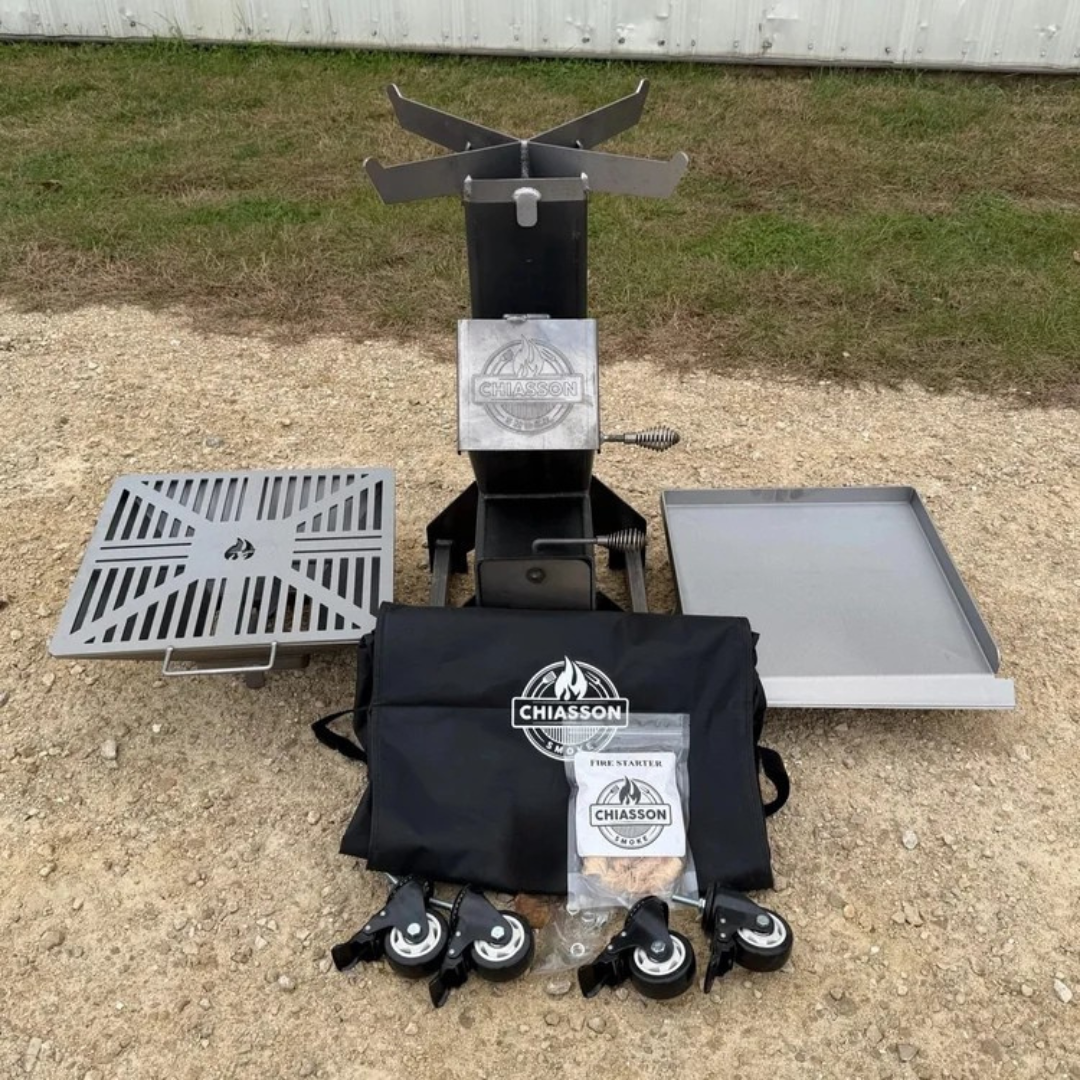
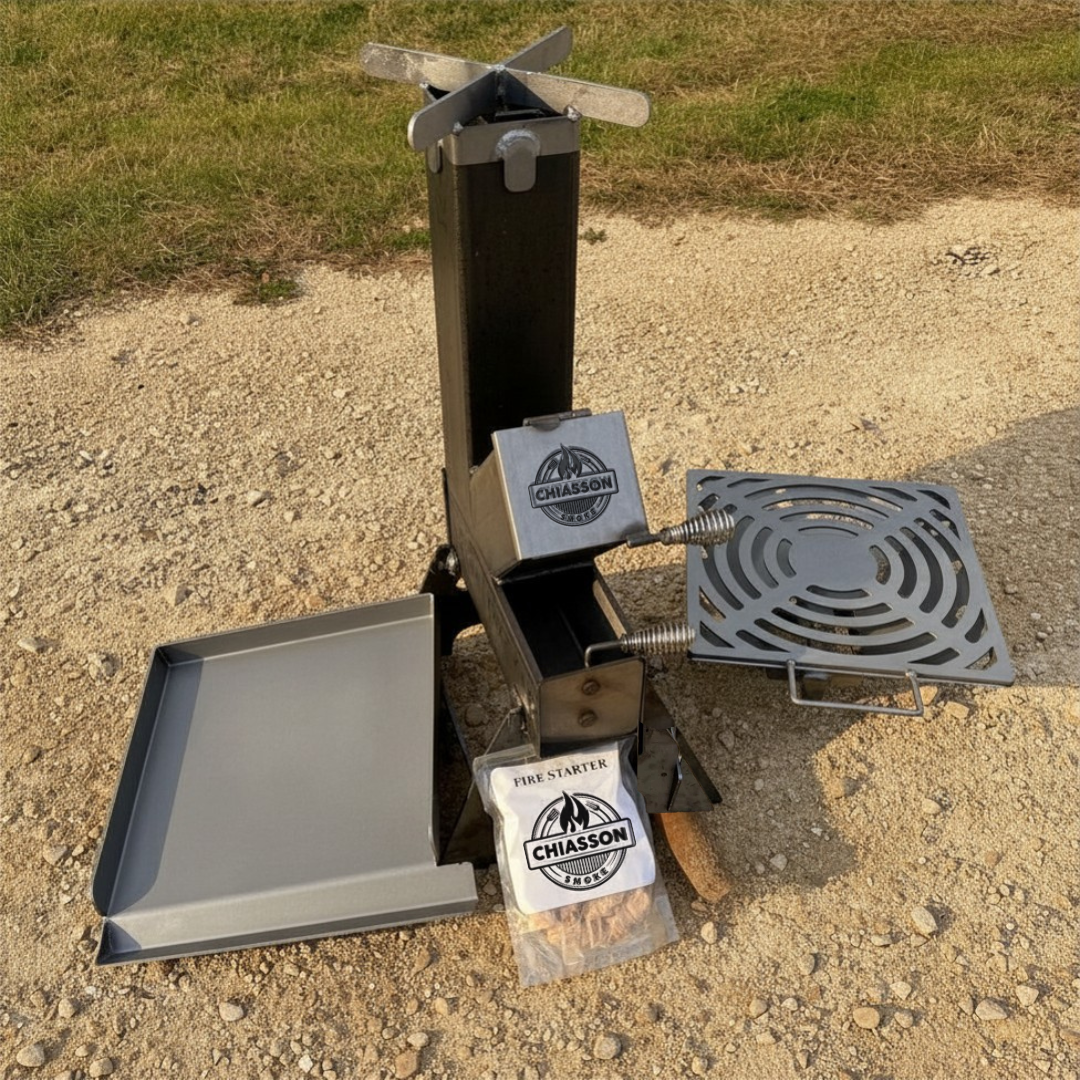
The Hauler Grill was made for people who love cooking outside but don’t want to haul around a big, bulky grill.
Its simple design packs down flat, and when you’re ready to cook, it goes together quickly with no tools needed.
Want even more ways to cook? Add one of our griddle options and make breakfast, smash burgers, fajitas, fried rice, and plenty more.