
When Is Charcoal Ready?
You know the situation: The grill is hot. The food is waiting. Friends are hungry. But the charcoal is still doing its thing. So… when is charcoal ready to cook on? If you rush it, your burgers burn on the outside and stay raw in the middle. If you wait too long, the heat fades and dinner takes forever.
So how do you know when it’s ready?
It is not a guessing game. It is not magic. Charcoal gives you clear signs when it is ready to cook. Once you know what to look for, you will feel like a backyard pro every time you light the grill as long as you use the right amount, and do it safely.
Let’s break it down in a simple way.
Why Timing Matters
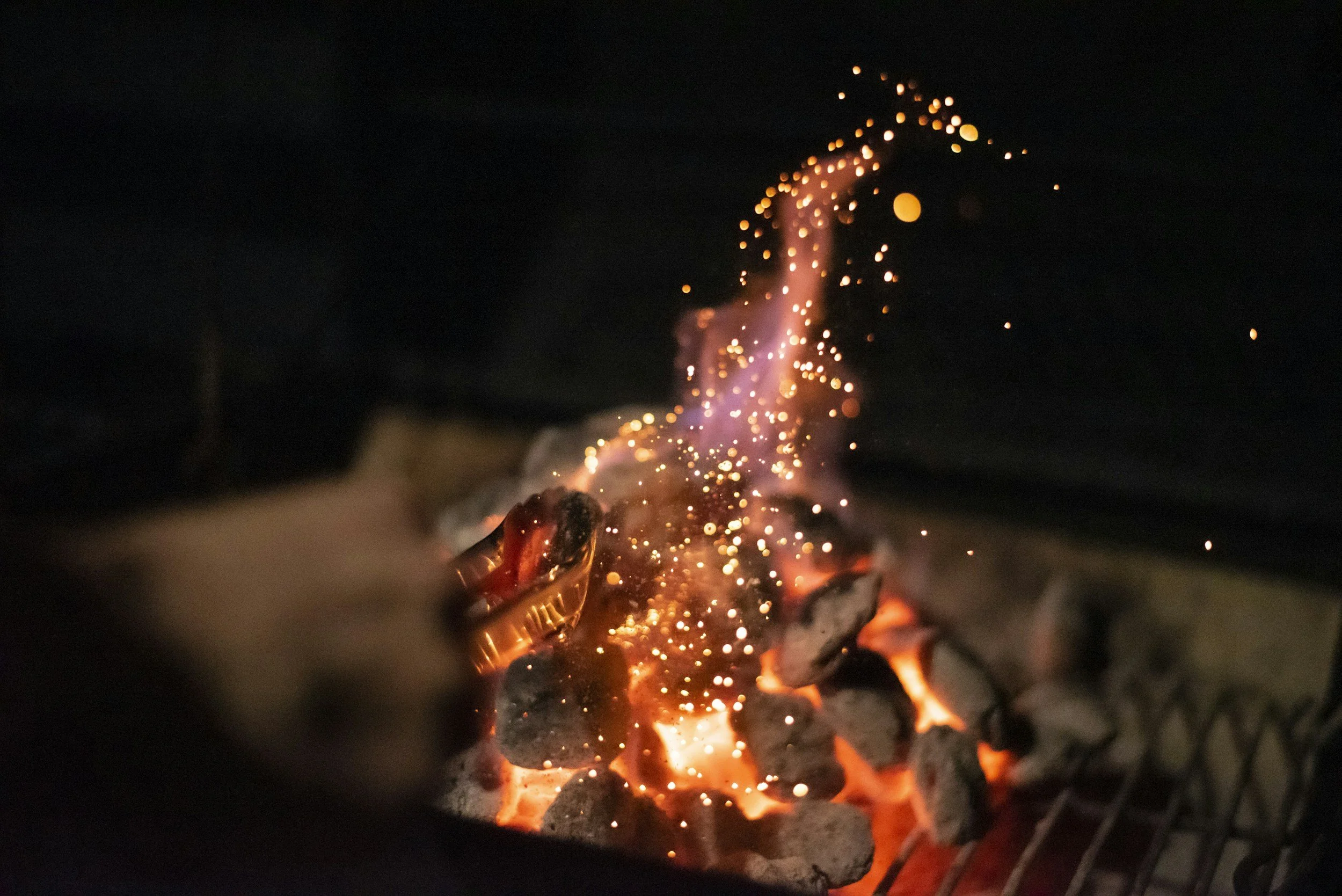
Charcoal does not get hot all at once. When you first light it, the flames are big and wild. The coals are black and smoky. That heat is uneven and hard to control. If you cook now, your food may taste bitter from the smoke, and the outside may char too fast. (There’s a science behind the levels of heat, and timing methods behind cooking.)
As charcoal burns, it changes. The flames calm down. The smoke fades. The coals turn from deep black to a soft gray on the outside. Inside, they glow red and orange.
That glowing stage is what you want.
Cooking over ready charcoal gives you steady heat. It helps you get crispy skin on chicken, perfect grill marks on steak, and a golden crust on burgers. Good timing means better flavor and fewer burnt dinners.
Look at the Color
The easiest way to know charcoal is ready is to look at it.
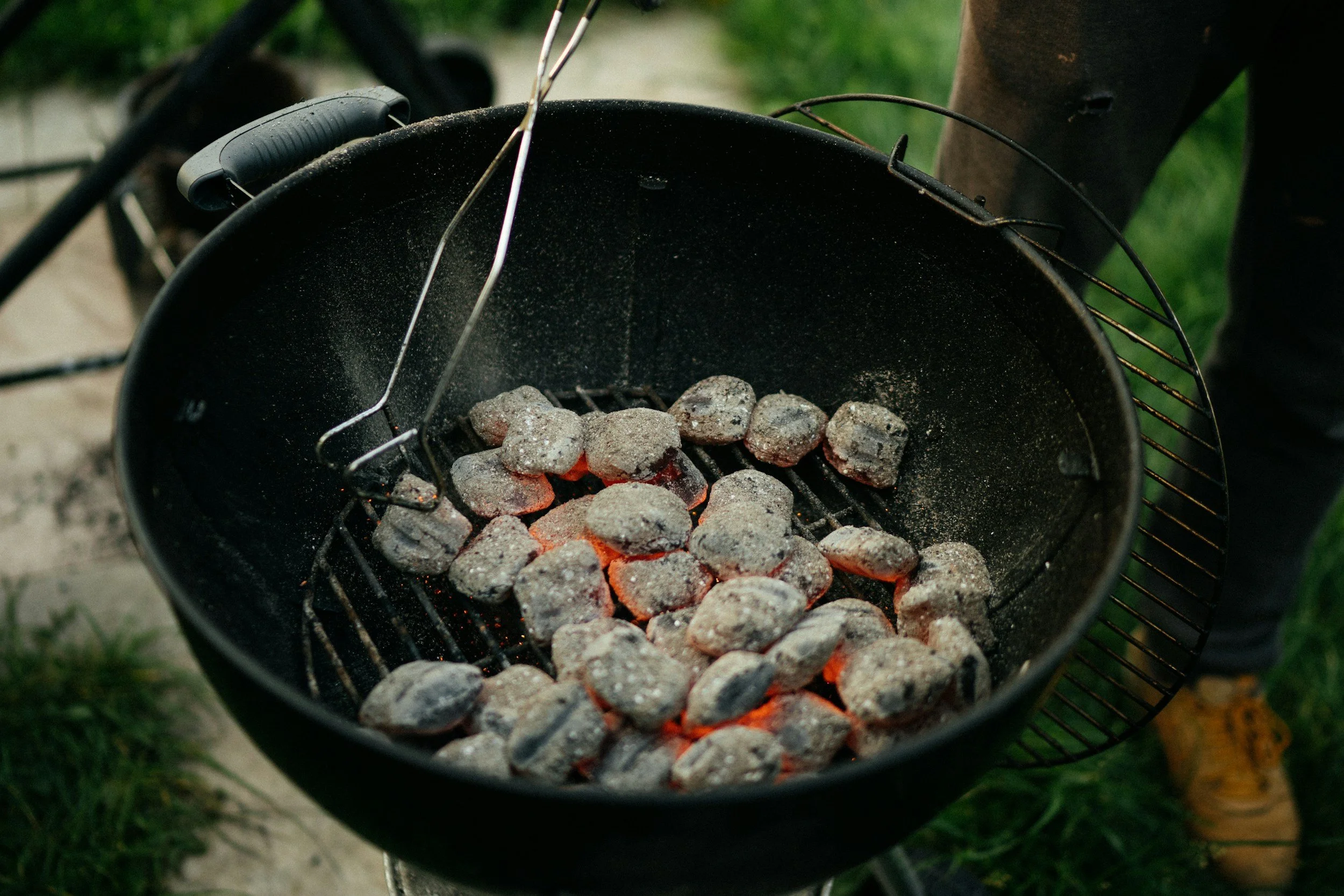
Fresh charcoal is black. As it heats up, the edges turn gray. After about 15 to 25 minutes, most of the pieces should be covered in a light gray or white ash.
When the coals look mostly gray on the outside and are glowing red underneath, they are ready.
If you still see a lot of black pieces with tall flames, give it more time. Those coals are still catching up. Patience here pays off.
Think of it like a campfire. When the wood turns into glowing embers, that is when the real cooking heat begins. Charcoal works the same way.
Watch the Flames
Big flames look exciting, but they are not your friend when you start cooking.
When you first light charcoal, the flames jump high as the fire spreads from piece to piece. This is normal (but you should, of course, always be careful). It is part of the process.
But you do not want to cook over tall, wild flames.
Ready charcoal usually has little to no flame. You may see small flickers here and there, but the fire should look calm. The heat should come from glowing coals, not from roaring flames.
If flames are still dancing across the top, wait a few more minutes. Let the charcoal settle into a steady burn.
Feel the Heat
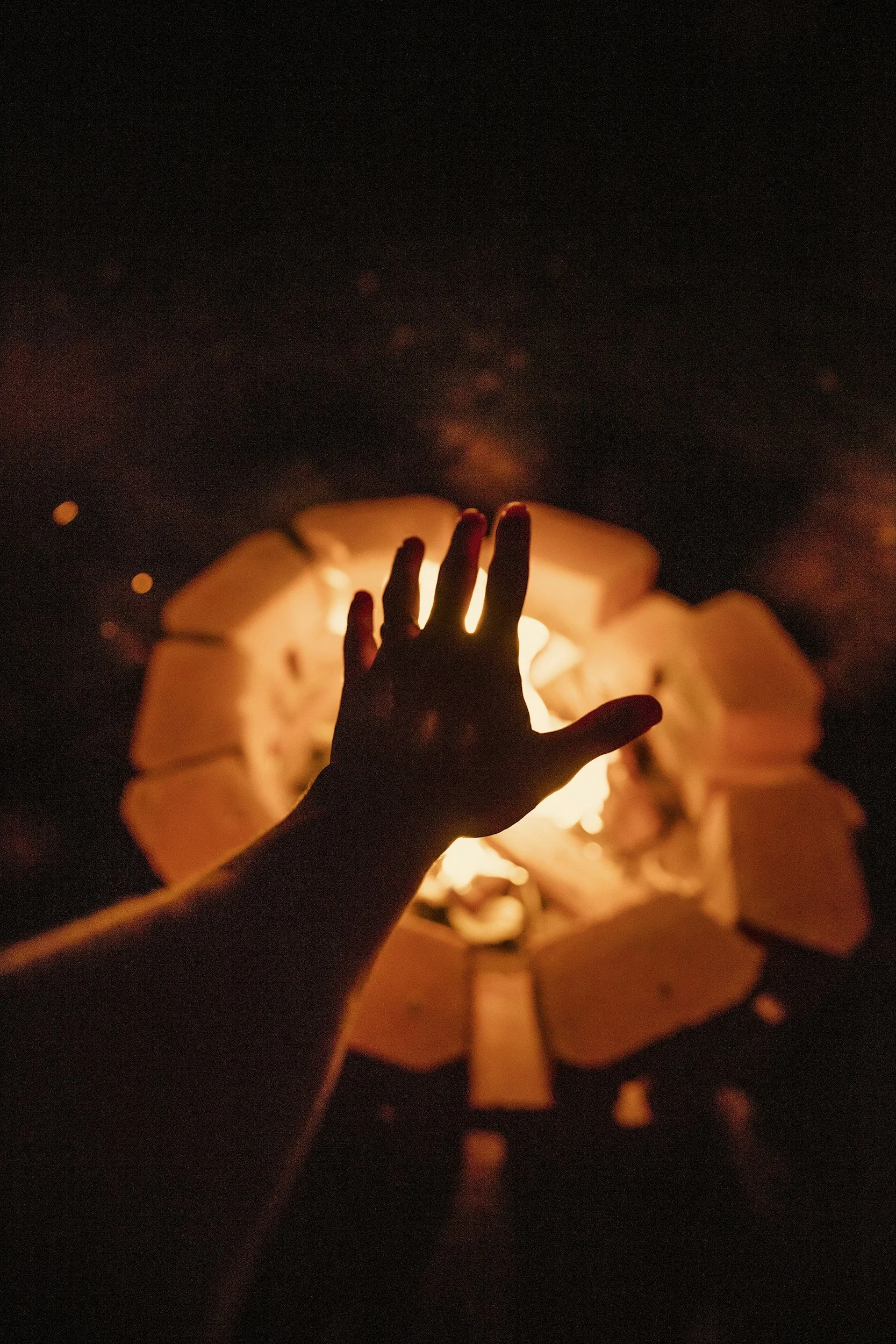
You can also test charcoal with your hand. Be careful and use common sense. Never touch the coals.
Carefully hold your hand over the grill grate, 5-6 inches above. Count how many seconds you can keep it there before it feels too hot and you have to pull away.
If you can hold it for about two to three seconds, the heat is high and great for steaks or burgers.
If you can hold it for four to five seconds, the heat is medium and good for chicken pieces or vegetables.
If you can hold it for six seconds or more, the heat is lower and better for slower cooking.
This simple test tells you not just if the charcoal is ready, but how hot it is. That gives you control.
The Chimney Starter Clue
If you use a chimney starter, the signs are even clearer.
After you light the paper at the bottom, the coals will slowly catch. Smoke will pour out of the top. Then the smoke will thin out. Soon you will see flames at the top layer of charcoal.
When the top coals in the chimney are mostly gray and glowing, the whole batch is ready to pour into your grill.
This usually takes about 15 to 20 minutes, depending on the weather and the charcoal type.
A chimney starter makes it easier to see when everything is ready because the coals heat more evenly. That is, of course, if you’re using it the right way.
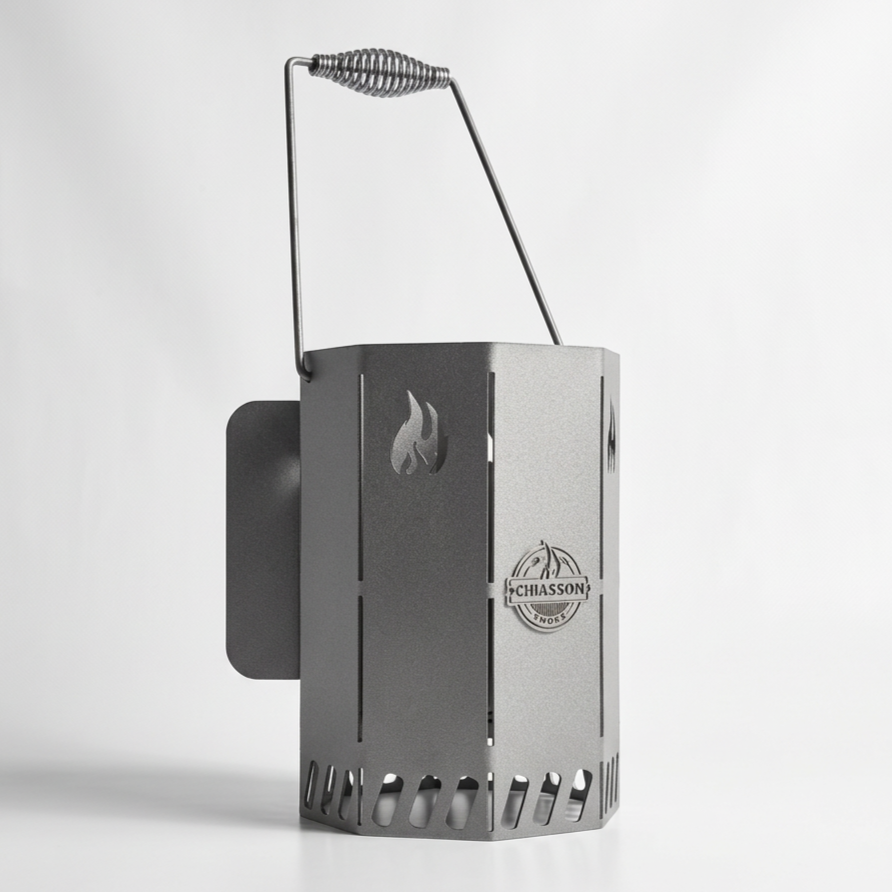
Nice quality, heavy built charcoal chimney! Great gift for your avid charcoal user!
No P.O. Boxes
Made of 14-gauge steel prepped and ready for your seasoning. (no mill scale) Check out our seasoning here
8” octagon x 12” tall
1/2” rod with 6” stainless steel cool touch spring handle
Heat shield between chimney and handle
Riveted Stainless Steel Chiasson Smoke Logo
Weighs 9 pounds
Holds 503 cubic inches or just over 2 gallons (for comparison)
Attention: Canadian Orders 🇨🇦
Please note that additional fees may apply at the border (duties, taxes, or customs charges). These costs are the responsibility of the buyer.
The Smoke Signal
Smoke can tell you a lot.
At first, charcoal gives off thick, white or gray smoke. This is normal while it is lighting. But that heavy smoke can make food taste harsh if you cook too soon. That’s why it’s best to control the level of smoke when possible. (And by the way, rocket stoves are a great way to do this easily!)
As the charcoal settles, the smoke becomes lighter and thinner. Sometimes it almost disappears.
When the thick smoke fades and the coals are gray, that is a strong sign you are ready to cook.
Clean heat gives clean flavor.
Different Charcoal, Different Timing
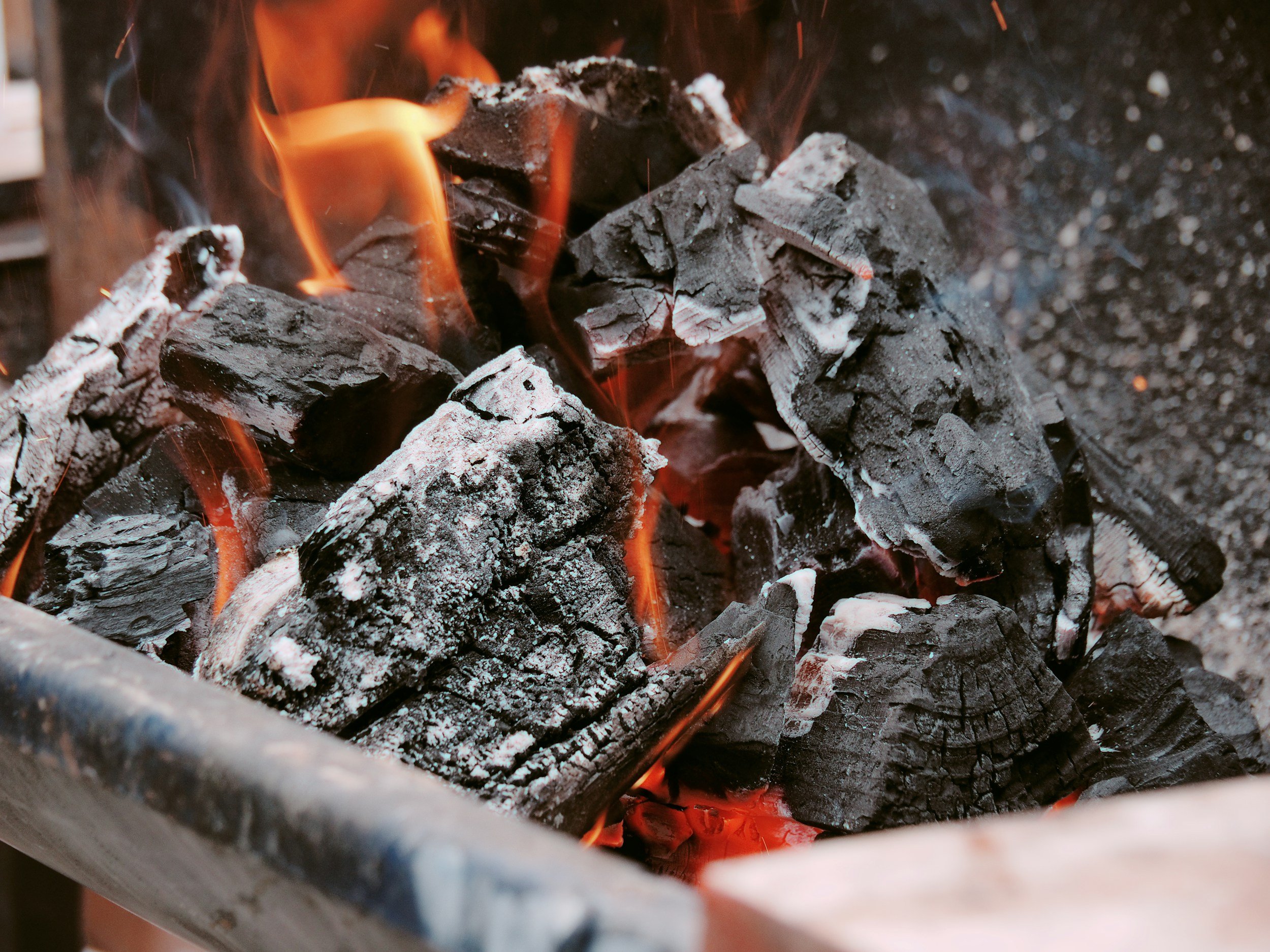
Not all charcoal is the same. Believe it or not, there are a few completely different kinds.
Lump charcoal is made from real pieces of wood. It lights faster and burns hotter. It may be ready in about 15 minutes.
Charcoal briquettes are shaped pieces made from compressed charcoal and other materials. They burn more evenly and last longer, but they can take a little more time to get fully ready.
No matter which kind you use, the signs are similar. Look for gray ash on the outside and a red glow inside.
What Happens If You Start Too Soon
It is tempting to throw food on the grill the moment you see fire. But starting too early can cause problems.
The heat may be uneven. Some spots will be blazing hot while others are still warming up.
The smoke may be thick and strong. This can give your food a bitter taste.
Also, charcoal that is not fully lit can cool down quickly once you add food, especially thick cuts of meat. That can leave you stuck with undercooked dinner and frustrated guests.
Waiting just a few more minutes makes a big difference.
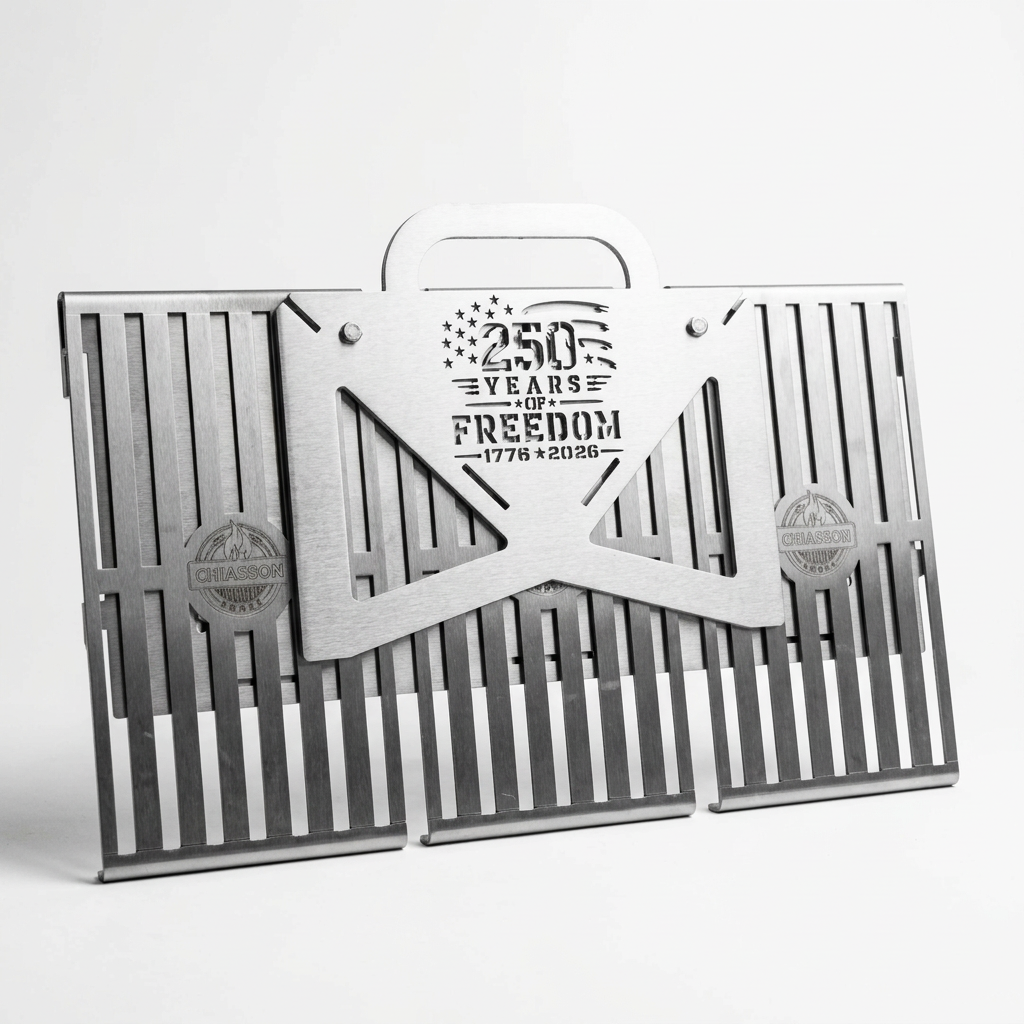
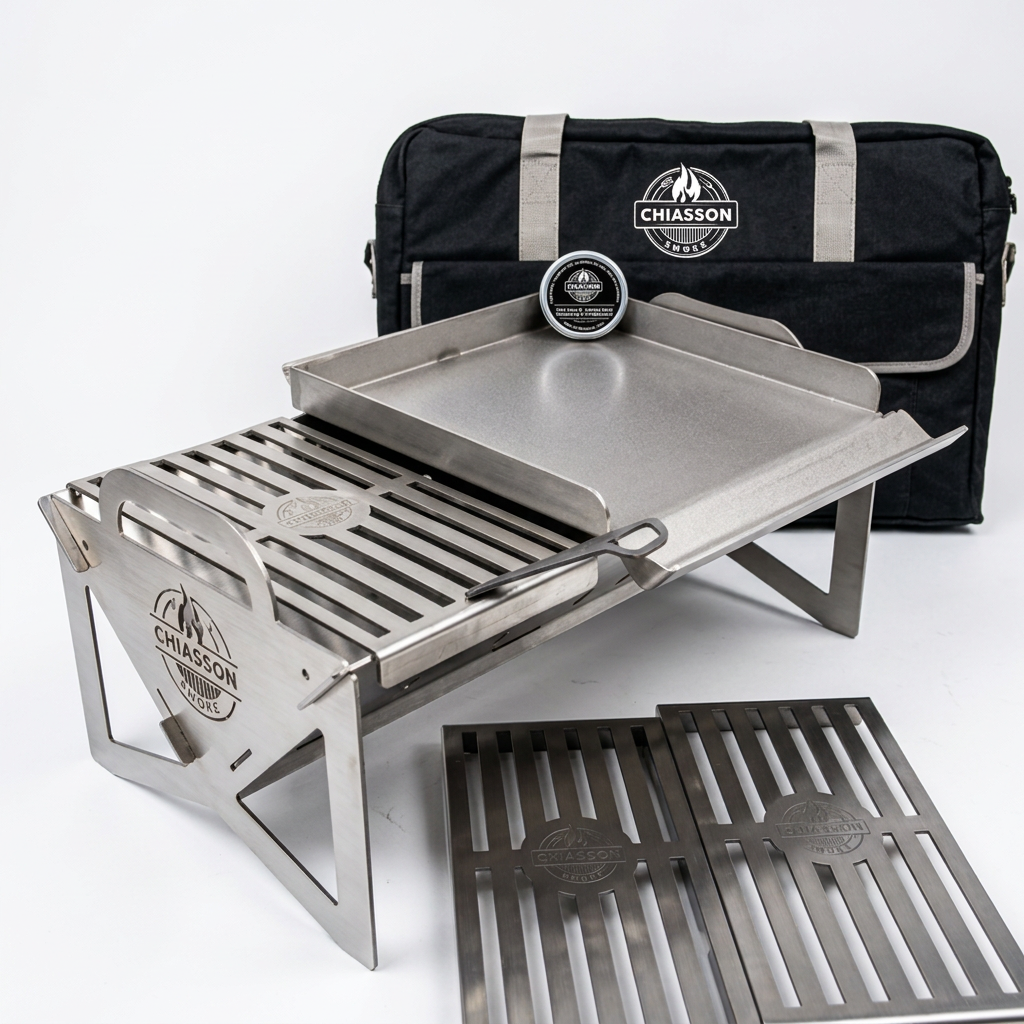
Looking for a setup for your next campsite cookout? Explore our portable grills and compare the available sizes and cooking options.
Building Two Heat Zones
Once your charcoal is ready, you can make your grill even better by setting up two heat zones.
Push most of the hot coals to one side of the grill. The other side should be left with fewer coals.
Now you have two “zones:” a hot one for searing, and a cooler one for slower cooking. If something starts to cook too fast, you can move it to the cooler side.
This trick gives you more control and helps you avoid burning your food.
Trust Your Senses
Grilling is not only about timers and rules. It is about using your senses.
Look at the color of the coals. Watch the flames calm down. Notice the smoke getting lighter. Feel the heat above the grate.
When all these signs come together, you will know.
Charcoal ready to cook has a calm, steady glow. It is mostly gray on the outside, red and orange inside, and giving off strong, even heat with very little smoke.
Once you learn to spot these clues, you will not need to wonder anymore. You will walk up to your grill, take one look, and think, yes, it is time.
And when you place that first burger on the grate and hear the perfect sizzle, you will know you got it right.

The Hauler Grill was made for people who love cooking outside but don’t want to haul around a big, bulky grill.
Its simple design packs down flat, and when you’re ready to cook, it goes together quickly with no tools needed.
Want even more ways to cook? Add one of our griddle options and make breakfast, smash burgers, fajitas, fried rice, and plenty more.