
Why Won’t My Charcoal Grill Stay Lit?
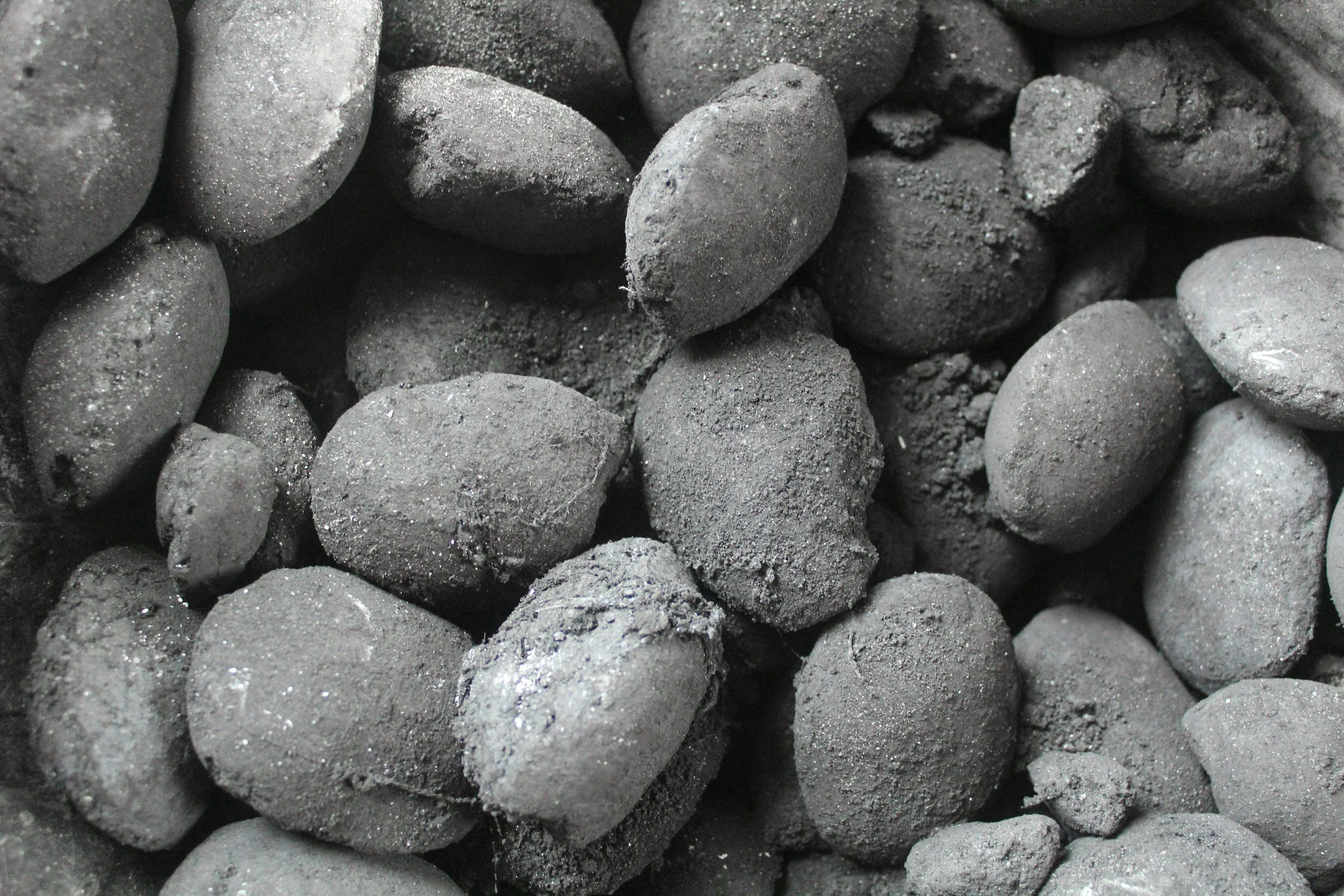
You planned a great cookout. You carried out the food. You got your tools ready. Then your charcoal did the one thing it was not supposed to do: it quit.
If your charcoal grill will not stay lit, you are not alone. A charcoal fire needs three things to keep going: dry fuel, enough air, and enough heat. When one of those gets messed up, the coals fade like a flashlight with weak batteries.
The good news is that most “my grill keeps going out” problems come from a few common causes. Once you know what to look for, you can fix it fast and get back to cooking.
What “Won’t Stay Lit” Really Looks Like
People say “won’t stay lit” but they often mean different things. Let’s name the usual trouble so you can match it to what you see.
It Keeps Going Out
You light the charcoal, you see flames, you feel hopeful, and then the fire slowly turns into sad little orange dots. A few minutes later, it is basically done.
This often points to low airflow, damp charcoal, or not enough lit coals to begin with.
It Never Fully Ignites
You try to light it, but only a few pieces catch. The rest stays black and stubborn. You get smoke, but not much heat.
That can happen with damp fuel, too much ash blocking air, or a lighting method that did not warm the coals long enough.
It Dies After You Close The Lid
With the lid open, you have flames. The moment you close the lid, the fire drops like a rock.
That usually means the vents are not open enough, the grill is not breathing, or you closed the lid before the coals were truly going strong.
It Won’t Hold Temp For Smoking
Grilling burgers is one thing. Smoking a pork shoulder for hours is another. If you try low and slow and the temperature keeps falling, the coals may not have enough fuel mass, the charcoal setup may be too spread out, or you may be adding fuel in a way that cools the fire.
Why Stable Coals Matter
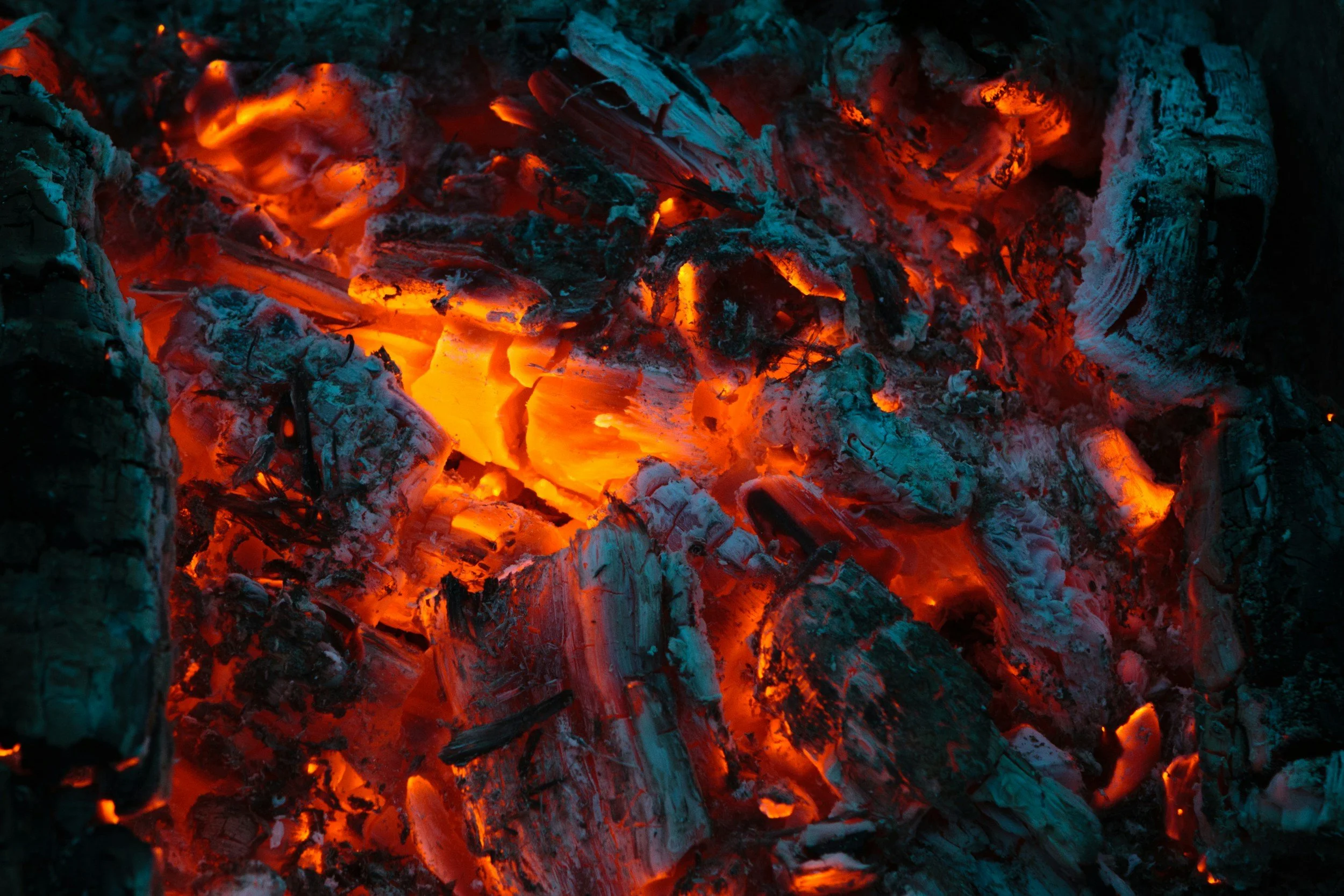
A steady charcoal fire is not just about pride. It changes how your food turns out and how safe your cook is.
When your coals stay stable, your heat stays steady. That makes cook times easier to predict. It also helps you avoid food that is burned outside and raw inside.
Stable heat also helps with flavor. With charcoal cooking, small temperature shifts can change how fats drip and how smoke behaves. If the fire keeps dying and relighting, you can get bitter smoke and uneven browning.
Safety matters too. A dying fire tempts people to do risky things, like adding too much lighter fluid to coals that are already hot, or moving hot charcoal around in a hurry. A calm, steady fire keeps you calm, too.
The Main Reasons Charcoal Keeps Going Out
Charcoal fires are simple, but grills (and griddle grills) add little obstacles. Here are the most common reasons, explained in plain terms.
Fuel Moisture Problems
Charcoal is like a sponge in one way. It can absorb moisture from the air. If it got rained on, sat in a damp garage, or lived in an open bag on the patio, it might be wet enough to cause trouble.
Wet charcoal can still light sometimes, but it burns cooler and can struggle to stay going. It can also make extra smoke while it tries to dry out.
If your charcoal feels a little soft, smells musty, or looks like it has a dusty damp coating, moisture might be your main enemy.
High Outdoor Humidity Or Wet Weather
Even if your charcoal is dry, the air around it might not be. High humidity and rainy weather can slow ignition and reduce burn rate. It is not magic, it is just water in the air making it harder for heat to build and stay strong.
On sticky summer days, charcoal can take longer to get fully hot. On rainy days, wind and water can cool the grill body, which pulls heat away from the coals.
Airflow Is Restricted
Charcoal needs oxygen to burn. If oxygen cannot reach the coals, they fade.
Airflow problems often come from ash blocking the charcoal grate, clogged vents, or charcoal piled in a way that blocks air paths.
Many grills pull air in through the bottom vent, push it up through the coals, and let it exit through the top vent. If either end is blocked, the fire suffers.
Vents Or Dampers Are Mis Set
Sometimes the grill is fine, but the vent settings are not.
If the bottom vent is mostly closed, the coals cannot get enough oxygen. If the top vent is shut too far, smoke and hot air cannot flow well, and the fire can get lazy.
A common mistake is closing vents too much because you want to “save charcoal” or “hold low temperature.” The truth is that a charcoal fire usually needs a steady supply of air to stay clean and stable, even at lower temps.
The Lid Is Smothering The Fire
Closing the lid changes airflow and heat. That is usually good, but not if you do it too soon.
If you close the lid before the coals are truly lit and strong, you can trap cooler air and reduce oxygen enough to stall the fire.
Also, if the lid fits very tightly and your vents are not open enough, the grill can become oxygen starved fast.
The Grill Is Dirty In The Wrong Places
A dirty cooking grate is annoying, but it is not always the reason the fire goes out. The bigger issue is ash and grease in places that block airflow.
Ash buildup under the charcoal grate can choke the fire from below. A clogged charcoal grate can stop air from moving up through the coals. Grease and debris inside the bowl can also mess with circulation.
If your grill has an ash catcher that is overfilled, it can block the bottom vents too.
The Charcoal Arrangement Is Wrong
Charcoal can go out even when it is lit if the pieces are arranged in a way that stops airflow.
If the charcoal is spread too thin, each piece loses heat to the air and to the grill body. A thin layer can burn out fast and may not have enough heat to keep new pieces catching.
If the charcoal is packed too flat and tight, air cannot move through it, and the center can suffocate.
If there is not enough fuel mass, the fire will not have the heat reserve to stay stable when you add food or open the lid.
Make sure your charcoal is placed correctly.
Charcoal Type Mismatch
Charcoal comes in two main types: briquettes and lump charcoal.
Briquettes are usually more uniform in size and shape, which can make them burn more steadily. Lump charcoal is made from pieces of wood turned into charcoal, so the pieces can be different sizes and shapes. Lump often responds faster to airflow changes and can burn hotter, but it can also burn faster, especially if the pieces are small.
If you are trying to smoke for hours, a pile of small lump pieces may burn out quickly. If you are trying to sear steaks, a small amount of briquettes may not give you the quick high heat you want.
Also, tiny pieces and charcoal dust can block airflow, no matter which type you use.
Low Quality Or Old Charcoal
Not all charcoal behaves the same. Some bags have lots of small crumbs and dust. Dust can settle and clog the air gaps between pieces, which makes the fire struggle.
Old charcoal can also pick up moisture over time, especially if it has been stored in a humid spot.
If your charcoal burns unevenly, smells strange, or produces a lot of ash fast, you may be dealing with a lower quality batch.
Lighting Approach Is Flawed
If charcoal keeps going out, sometimes it never truly got going in the first place.
Common lighting problems include:
Not enough starter material, so only a few pieces light.
Using too much lighter fluid, which can cause messy ignition and can leave some coals underheated if you rush.
Not letting the coals preheat long enough. Charcoal needs time to build heat across the pile so it can keep lighting neighboring pieces.
Trying to cook while the fire is still in the early stage, when it is fragile.
Added Fuel Is A Problem
Wood chunks and chips can add great flavor, but they can also cause issues if they are wet or if you add too much at once.
Wet wood has to dry before it burns well. That drying step steals heat from your fire. If your coal bed is already weak, wet wood can push it over the edge.
Adding a big pile of cold charcoal on top of a small lit area can also crash temperatures. New fuel needs heat to ignite. If you bury your fire under cold pieces, you can smother it.
How To Diagnose Quickly
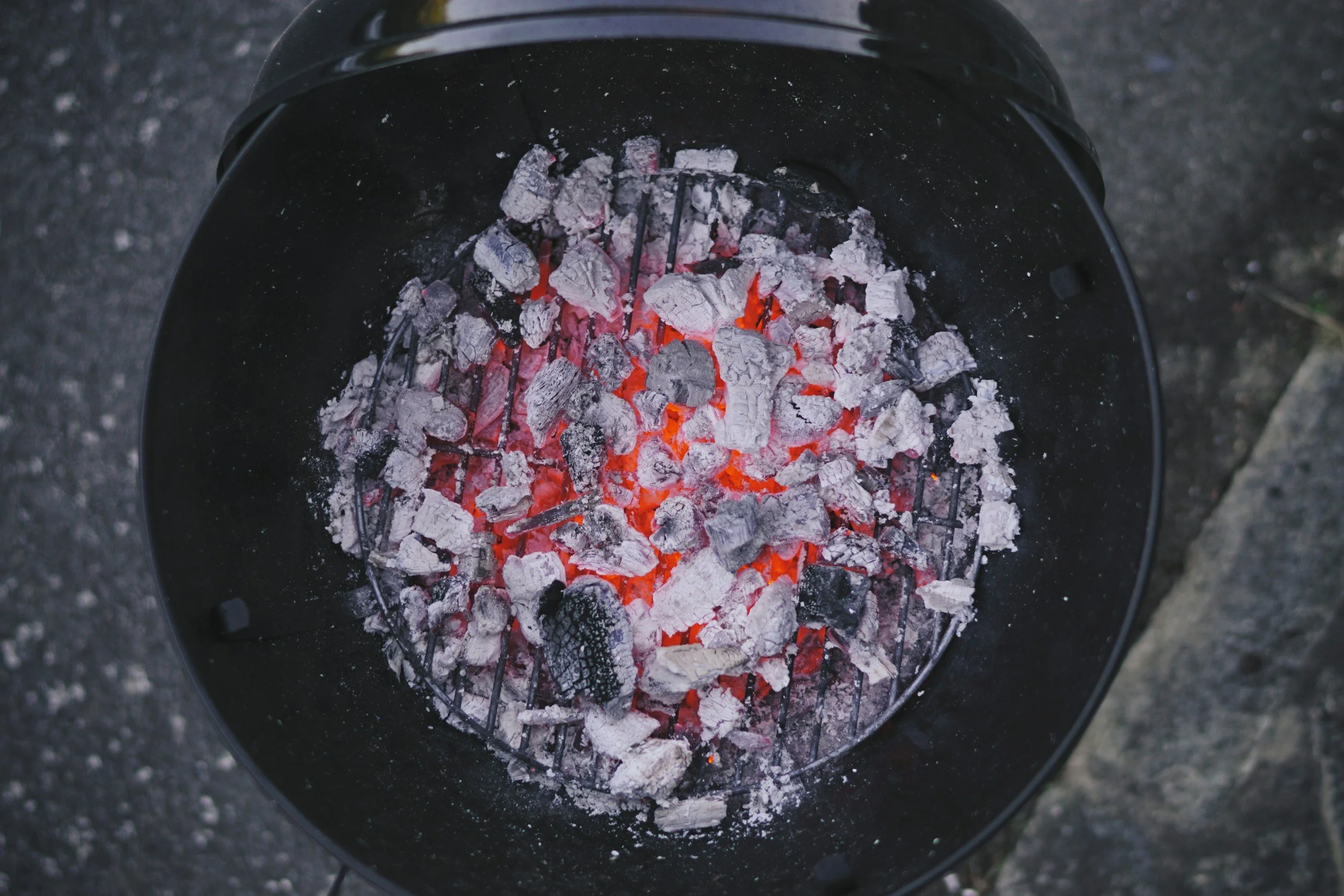
Before you restart everything, do a few fast checks. This can save time and charcoal.
Verify Bottom Vent And Top Vent Positions
Make sure the bottom vent is open enough for startup. Many charcoal grills need a fairly open bottom vent when lighting and when you are trying to build a strong coal bed.
Also check the top vent. If it is almost closed, open it more. A top vent helps keep air moving through the grill, which helps the fire breathe.
Look For Ash Choking The Fire And Clear It
If you have been cooking for a while, ash can build up and block airflow. If the fire suddenly gets weak during a cook, ash is a top suspect.
If your grill has an ash sweep or ash tray, use it carefully. If not, you may need to gently stir the coals to knock ash down, or carefully lift the charcoal grate to clear ash if your grill design allows it. Be safe and slow. Hot ash is still hot.
Inspect Charcoal For Dampness And Dust
Pick up a few pieces. Do they feel heavier than normal? Do they crumble easily? Is there a lot of dust at the bottom of the bag?
Too much dust can pack together and block air. Damp charcoal can smoke a lot and struggle to stay lit.
Confirm You Are Using Enough Charcoal
A tiny pile of charcoal can cook a few hot dogs. It cannot always handle a full grill of cold meat, especially with the lid closed.
Food acts like a heat sponge. When you place cold food over a weak fire, the fire can drop hard. You often need a bigger coal bed than you think, especially for thicker foods.
Check Whether Wood Additions Are Dry And Sized Right
Dry wood chunks are usually easier to manage than a huge pile of chips. If you use chips, a small amount goes a long way.
If the wood is damp or you are adding too much, your fire can cool down. For a weak fire, skip the wood until your coals are strong again.
Consider Wind, Rain, And Humidity
Wind can help a fire by feeding it oxygen, but it can also hurt by stealing heat and blowing ash around. Rain and cold air can cool the grill body and lower your fire’s strength.
If the weather is rough, try moving the grill to a more sheltered spot that is still safe and well ventilated. Never grill in a closed garage or inside a house. Charcoal produces carbon monoxide, which is dangerous.
How To Light Charcoal So It Stays Burning
A strong start makes everything easier. You are not just trying to light charcoal. You are trying to build a heat engine that keeps running.
Chimney Starter Method
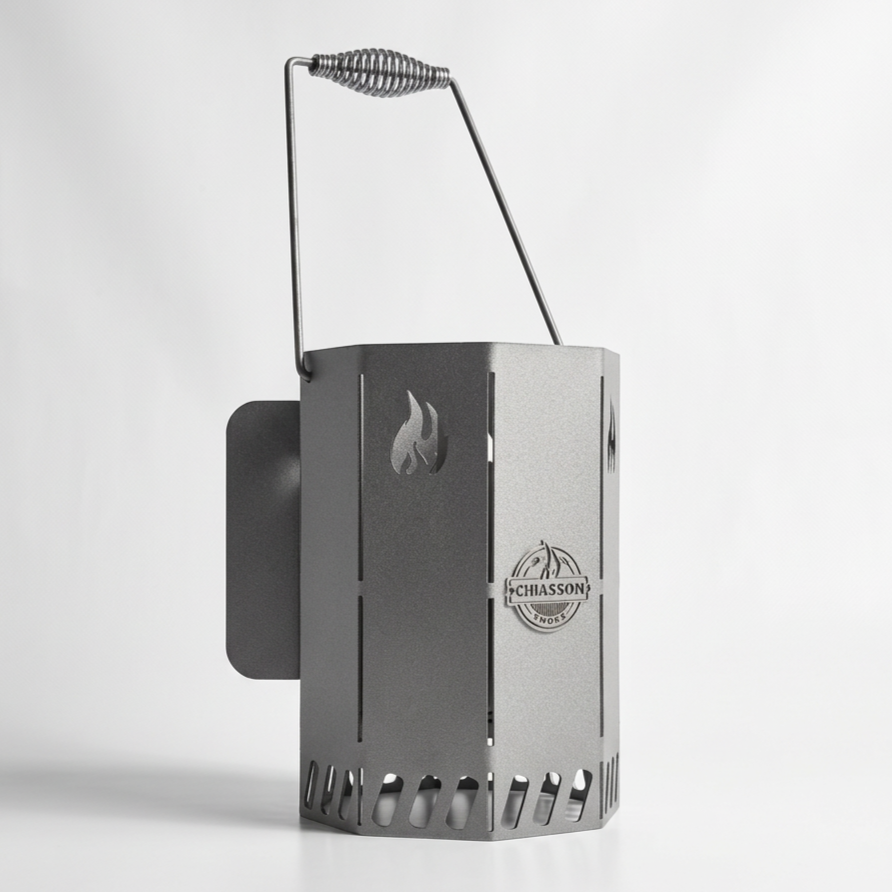
Nice quality, heavy built charcoal chimney! Great gift for your avid charcoal user!
No P.O. Boxes
Made of 14-gauge steel prepped and ready for your seasoning. (no mill scale) Check out our seasoning here
8” octagon x 12” tall
1/2” rod with 6” stainless steel cool touch spring handle
Heat shield between chimney and handle
Riveted Stainless Steel Chiasson Smoke Logo
Weighs 9 pounds
Holds 503 cubic inches or just over 2 gallons (for comparison)
Attention: Canadian Orders 🇨🇦
Please note that additional fees may apply at the border (duties, taxes, or customs charges). These costs are the responsibility of the buyer.
A chimney starter is one of the most dependable tools for charcoal. You load charcoal in the top, place a fire starter or crumpled paper under it, and let the heat rise through the pile.
The key is knowing when it is ready. A common guideline is to wait until the top coals are showing ash and you can see a strong glow in the pile. If you dump too early, you dump a half lit pile that can struggle.
Also, do not overload the chimney if you only need a small fire. But for many cooks, using a full chimney gives you a strong base, and you can spread or bank the coals after dumping.
Fire Starters Or Wax Cubes
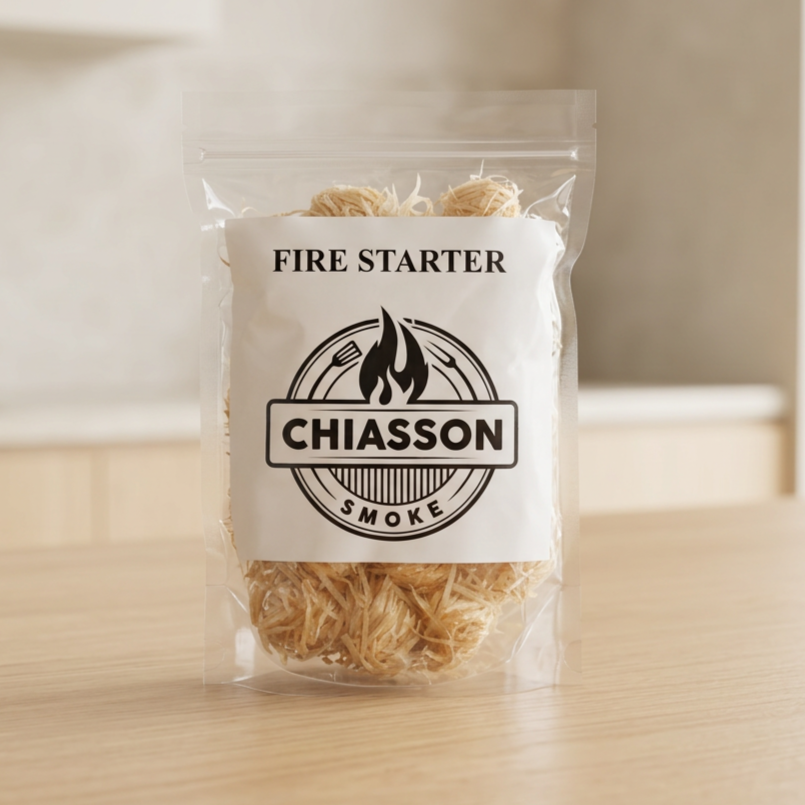
Chiasson Smoke Fire Starters are clean, natural and have no unpleasant odor. Wood wool fire starters are untreated slivers of sustainable wood dipped in food grade wax. Wet and windy weather is no match for our waterproof Naked Flame fire starters. Just one or two will have your outdoor fireplace and campfire wood burning in no time. 100% natural, burning in 8-10 minutes, rocket stove, charcoal chimney, grill, wood/pellet stove, indoor/outdoor, all-weather multi-scene use.
Pack of 12
Ships Free
Fire starter cubes can be simple and steady. Place one or two under the chimney or under a small pile of charcoal with space for air to flow.
Do not bury the starter so deep that it cannot get air. Fire needs oxygen at the starter stage, too.
Let the starter do its job. If you keep moving things around, you can break the heat path that was forming.
Lighter Fluid Basics
If you know our opinion on lighter fluid, you might be wondering why we’ve included it here. Well the thing is, even though it’s not ideal, lighter fluid can work… It’s just easy to misuse.
Use a minimal amount and spread it around the charcoal, then let it soak in briefly before lighting. That helps reduce flare ups and helps more pieces light.
After lighting, let the charcoal burn until the heavy flames die down and the coals begin to ash over. Cooking too early can lead to odd flavors and a weak coal bed.
Never add lighter fluid to coals that are already lit or still hot. That is a serious safety risk.
Letting Coals Properly Catch
This is the part many people rush. A charcoal fire often needs time to move from “a few pieces are on fire” to “the whole pile is hot and stable.”
You want a strong glow and a growing patch of grey ash on many coals, not just one corner. When coals are truly caught, they can handle the lid being closed and they can handle food being added.
If your grill keeps dying, try waiting longer during the startup stage. It can feel slow, but it saves you from restarting later.
Building A Coal Bed That Keeps Itself Alive
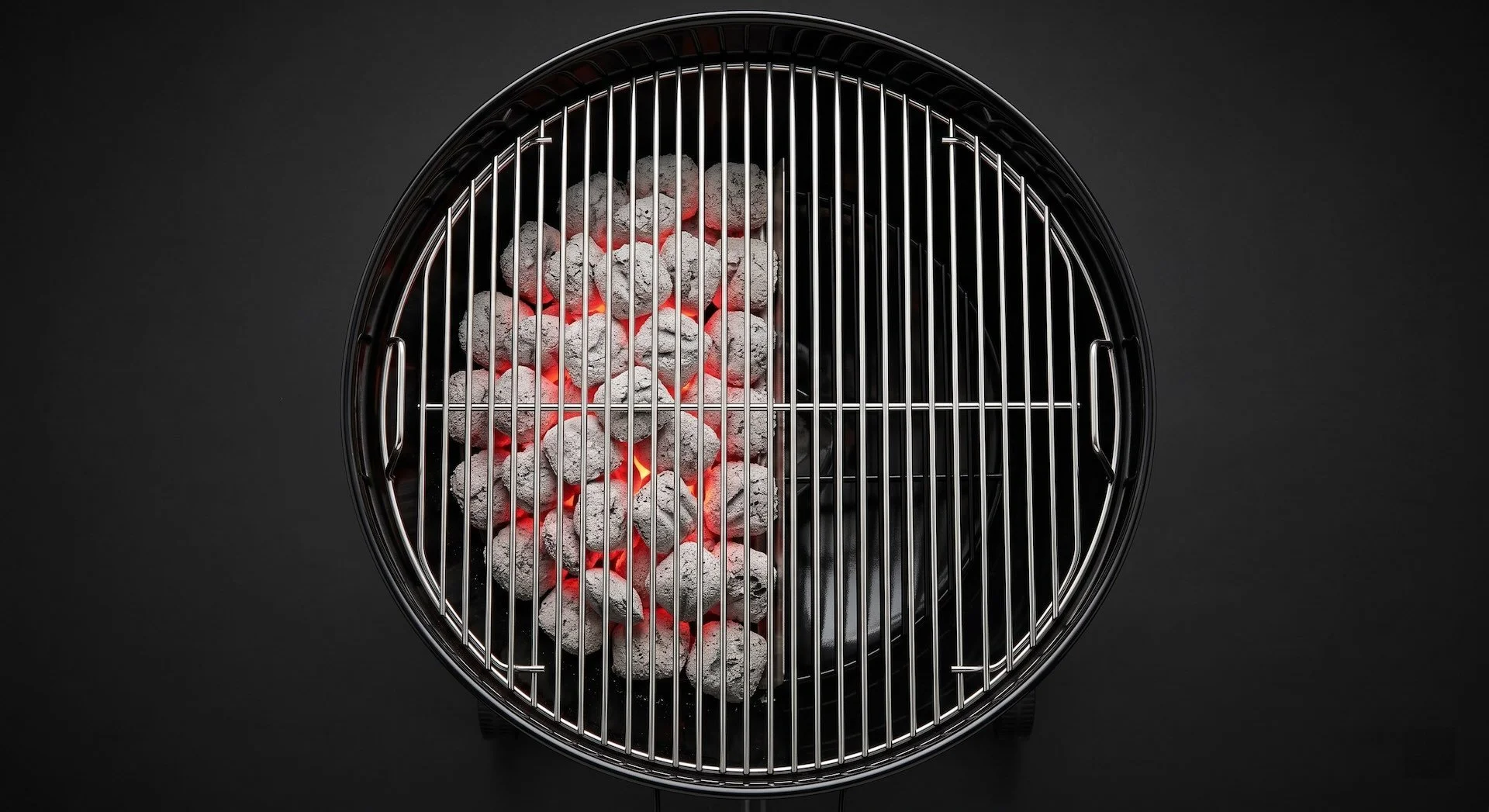
Once the charcoal is lit, the way you arrange it decides if it stays happy.
Arrange For Airflow Channels
Charcoal should not be mashed into a tight flat pancake. It needs gaps for air.
A pile with some space between pieces burns better because oxygen can move. If you notice your pile looks packed and tight, gently rearrange it so it is looser.
Also make sure the charcoal grate itself is not clogged. Even perfect charcoal cannot breathe through a grate covered in ash and tiny crumbs.
Stacking Strategy For Longer Burns
For longer cooking, you often want a deeper pile, not a wider thin layer. A deeper pile holds heat better and lights new coals more steadily.
Many people use a two zone setup: hot coals on one side, less heat on the other side. That gives you control. You can sear on the hot side and move food to the cooler side to finish.
A two zone setup also helps your fire stay alive because the coal mass is concentrated instead of spread too thin.
Adding Unlit Charcoal Correctly For Long Cooks
If you are cooking for hours, you will often add fuel. The trick is to add it in a way that does not smother the lit coals.
Try adding unlit charcoal next to the lit pile, not directly on top of it. That way the lit coals can slowly ignite the new fuel.
If you must add fuel on top, add a small amount at a time and give it time to catch. Dumping a large cold load can cool the fire and block airflow.
Reigniting Sections That Didn’t Catch
Sometimes one side of your pile is hot and the other side is not doing much. You can often fix this without starting over.
You can gently stir and consolidate the coals, bringing lit pieces into contact with unlit ones. You can also open vents a bit to boost airflow for a short time.
If the fire is very weak, you may need to relight using a starter cube or by adding a small chimney of fully lit coals to the existing pile. The goal is to restore a strong core of heat.
Be careful when stirring. Hot ash can puff up. Use long tools and keep your face back.
Air And Heat Management During Cooking
Once you start cooking, your job is to manage air and heat without panicking the fire.
Vent Tuning For Stable Temps
Vents are like the volume knob for your fire. Small changes matter.
A good habit is to make a small vent adjustment, then wait several minutes to see the result. If you keep twisting vents every minute, you will chase the temperature up and down.
In many grills, the bottom vent has a strong effect because it controls how much air enters. The top vent helps maintain airflow and lets smoke and heat exit. Keeping at least some top vent opening usually helps the fire stay cleaner and steadier.
Lid Habits
The lid is a tool. Use it on purpose.
During startup, leaving the lid open too long can let heat drift away, but closing it too soon can starve a weak fire. Once the coals are fully lit and the vents are set, closing the lid helps the grill hold heat.
During cooking, opening the lid often drops temperature because you let heat escape and you change airflow. Try to avoid peeking too much. When you do open it, be ready, do your task, and close it again.
Keeping Ash Under Control Mid Cook
As charcoal burns, it makes ash. Some ash is normal, but too much can block airflow.
If your grill design allows safe ash clearing, do it before the fire gets weak, not after. A gentle shake or ash sweep can keep air moving.
If you are doing a long cook and the fire keeps fading, ash blocking the grate is a likely reason. Clearing ash can bring the fire back without adding more fuel.
Weather And Environment Adjustments

Your grill does not cook in a bubble. Weather can either help you or annoy you.
Wind Management
Wind can feed oxygen to a fire, but strong wind can also pull heat out of the grill and make temperatures swing. It can also blow ash onto food, which is not fun.
If it is windy, set up a windbreak that does not block vents. For example, you can place the grill near a wall or fence with space around it for safety and airflow. Do not wrap the grill in something that can melt or burn.
Cold And Rain Workarounds
Cold air pulls heat from the grill body, and rain can cool the lid and bowl fast. That means your fire has to work harder.
In cold weather, plan for using more fuel and give yourself more preheat time. Start with a stronger coal bed than you would on a warm day.
In rain, keep your charcoal dry and keep the grill as protected as you can while still outdoors and in open air. Wet conditions can also make it harder for new fuel to catch, so avoid adding big loads of cold charcoal at once.
Humidity Mitigation
If you live where the air feels wet, charcoal storage matters even more. But during the cook, you can also help yourself by starting hotter.
That means using enough lit charcoal at the beginning and letting it fully catch before you try to run lower temperatures. A strong start gives you a bigger heat reserve, which helps the fire resist damp air.
Fuel Selection And Storage To Prevent Repeat Problems
A lot of “my grill went out” stories start days before the cook, when the charcoal was stored.
Choosing Briquettes Or Lump
Briquettes are often chosen for steady burns and easier stacking, especially for longer cooks. Their uniform shape can help airflow stay predictable.
Lump charcoal often lights fast and can burn very hot. It can also respond quickly when you open vents. That is great for high heat cooking, but it can mean you need to watch the fire more closely, especially if the bag has many small pieces.
Neither is “always better.” The best choice depends on what you are cooking and how much control you want.
What Quality Charcoal Looks Like
Quality charcoal tends to have pieces that are fairly uniform for that type, with less dust and fewer tiny crumbs. It should not feel damp or smell off.
With briquettes, you want consistent shapes that are not broken into lots of fragments.
With lump, you want a mix of medium and larger pieces, not a bag full of tiny chips. Tiny pieces can burn fast and can clog airflow when they settle.
Proper Storage
Charcoal should be stored in a sealed container if possible, or at least in a closed bag that stays dry. Keep it off the ground, away from damp corners, and away from places where rain can blow in.
If you store charcoal outside, even under a cover, humidity can still sneak in. A lidded bin can make a big difference.
Handling Partially Used Charcoal
You can often reuse leftover charcoal. Many people close vents to extinguish coals after cooking, then reuse what is left next time.
Before reusing, knock off excess ash and remove tiny crumbs if there are lots of them. Also make sure the leftover charcoal stayed dry. Damp leftovers can be frustrating.
When you start a new cook, mix some fresh charcoal with leftover pieces so you have reliable ignition and enough fuel.
Mixing Briquettes And Lump
Mixing can work well if you do it with a plan. For example, briquettes can help with steady burn time, while lump can help boost heat.
But mixing can also complicate control if the lump pieces are very small or if the burn rates feel uneven. If you are struggling with fires going out, simplify first. Use one type, learn its behavior, then experiment later.
Common Failure Patterns And Fixes
Sometimes it helps to match your problem to a pattern, like a doctor matching symptoms.
Coals Never Turn Grey
If your coals never ash over and stay mostly black, they may not be getting enough heat and oxygen.
Check airflow first: bottom vent open, top vent open, ash cleared, charcoal not packed too tight.
Then check fuel: charcoal might be damp, or you may not have enough lit coals to spread heat through the pile.
Also check your patience level. If you dump a chimney early or start cooking while the coals are still weak, you can trap the fire in a half lit state.
Coals Burn Too Fast
If your coals disappear quickly, you might have too much air, too small of a pile, strong wind, or fuel that burns fast.
Try closing vents slightly and giving the grill time to respond. Build a deeper pile instead of spreading the coals thin. Get out of the wind if you can.
Also check the charcoal size. Small pieces burn faster than larger ones, especially with lump.
Temperature Swings During Smoking
Smoking asks for steady heat over time. Big swings often come from adding fuel in a way that is too sudden, opening the lid too often, or making large vent changes too quickly.
For longer cooks, focus on a stable charcoal layout and gradual fuel additions. Add a small amount of unlit charcoal next to the lit pile, not smothering it. Be careful with wood chunks too. A little goes a long way, and wet wood can cool the fire.
Vent discipline helps most of all. Make small changes and wait.
FAQs
Specific Tips For Lump Charcoal That Burns Hotter And Faster
Use larger pieces when you can, and avoid relying on a bag that is mostly small fragments. Build a deeper pile so it has heat reserve. If your grill is very airy, you may need to close vents a little more than you would with briquettes, because lump can respond quickly to extra oxygen.
Also expect lump to ignite unevenly at first because pieces are different sizes. That is normal. Give it time to even out before you start chasing temperature.
How Much Charcoal Do Different Cooks Need?
It depends on your grill size, the weather, and what you are cooking, so there is no single perfect number. But the general idea is simple.
Quick grilling like burgers, hot dogs, thin chicken pieces, and veggies usually works with a smaller coal bed, as long as it is fully lit and spread for the heat level you want.
Low and slow cooking usually needs more fuel ready to go, plus a setup that lets unlit charcoal catch gradually over time. If you try to smoke with a tiny pile, it may start fine but fade before the food is done.
When in doubt, start with more charcoal than you think you need. It is easier to control a strong fire down than to rescue a weak fire up.
Is It Safe To Use Damp Charcoal?
Damp charcoal is mainly a performance problem. It can be hard to light, it can burn cooler, and it can struggle to stay lit. It can also make more smoke while it dries out.
If charcoal is only slightly damp, you might be able to get it going with a chimney starter and extra time. If it is soaked or falling apart, it is often better to replace it. Charcoal that turns to mush or crumbles heavily is not going to give you a stable fire.
Can You Reuse Leftover Charcoal?
Yes, often you can. If you shut down the grill by closing vents and the charcoal went out, the leftover pieces can be used again.
Before you reuse it, shake off ash and remove a pile of tiny crumbs if there are lots of them. Store the leftover charcoal in a dry place. Next time, light some fresh charcoal and then add the leftover pieces so the fire stays strong.
What If You Meant A Gas Grill Problem?
If your gas grill will not stay lit, the causes are different. Common issues include a bad igniter, dirty burner ports, a faulty regulator, or a gas supply problem. If you smell gas and the grill will not light, stop and follow the grill’s safety steps. If you are not sure, contact a professional or the manufacturer for service advice. Gas problems are not the place to guess.
Final Wrap Up
If your charcoal grill will not stay lit, stop treating it like a mystery and treat it like a simple system. You need dry fuel, good airflow, and enough heat mass.
Do this every time for a fire that will not quit: start with dry charcoal, light it in a chimney or with a solid starter, wait until it is truly glowing and ashed over, dump it into a pile that has space for air, open the vents enough to keep it breathing, and only then settle into cooking.
When the fire fades mid cook, check vents, clear ash, and look for anything wet or smothering the coals before you add more fuel. Most of the time, the fix is not more fire magic. It is more air, more patience, or drier charcoal.

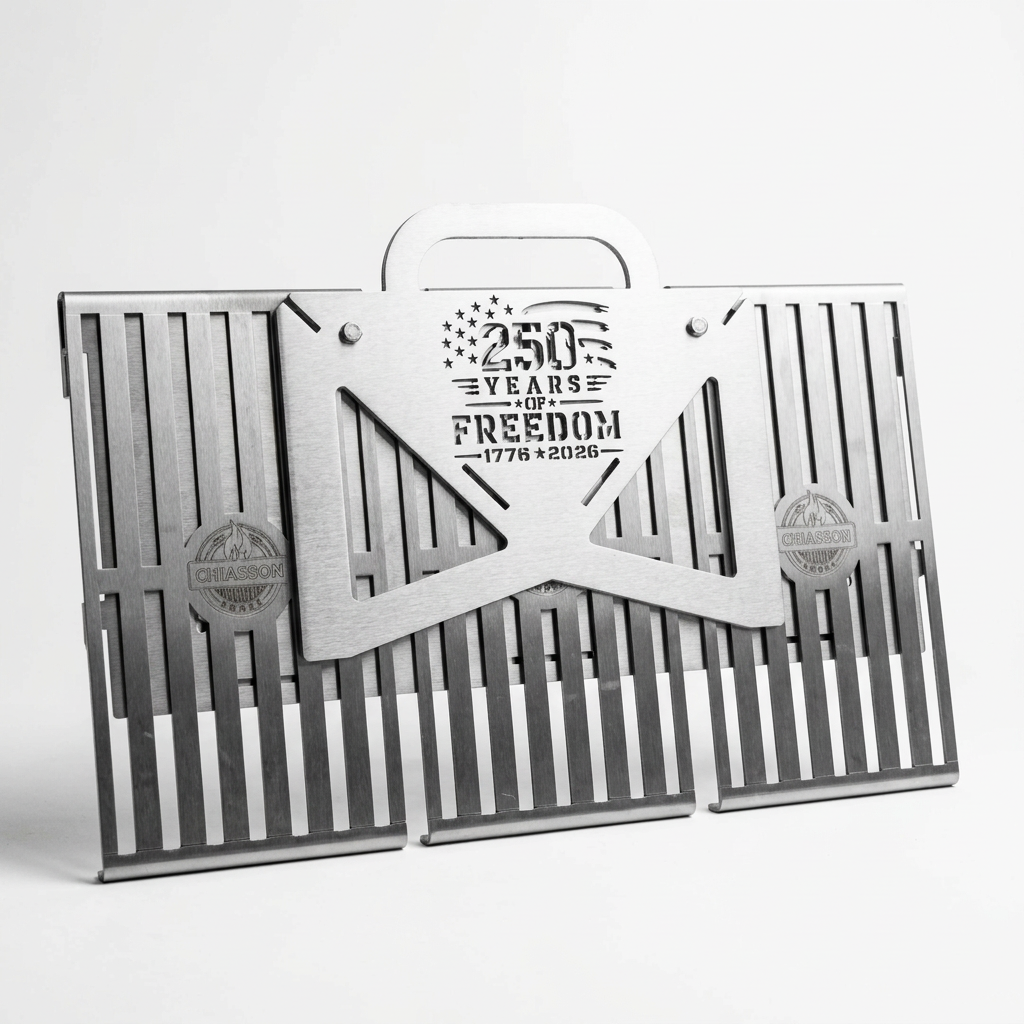
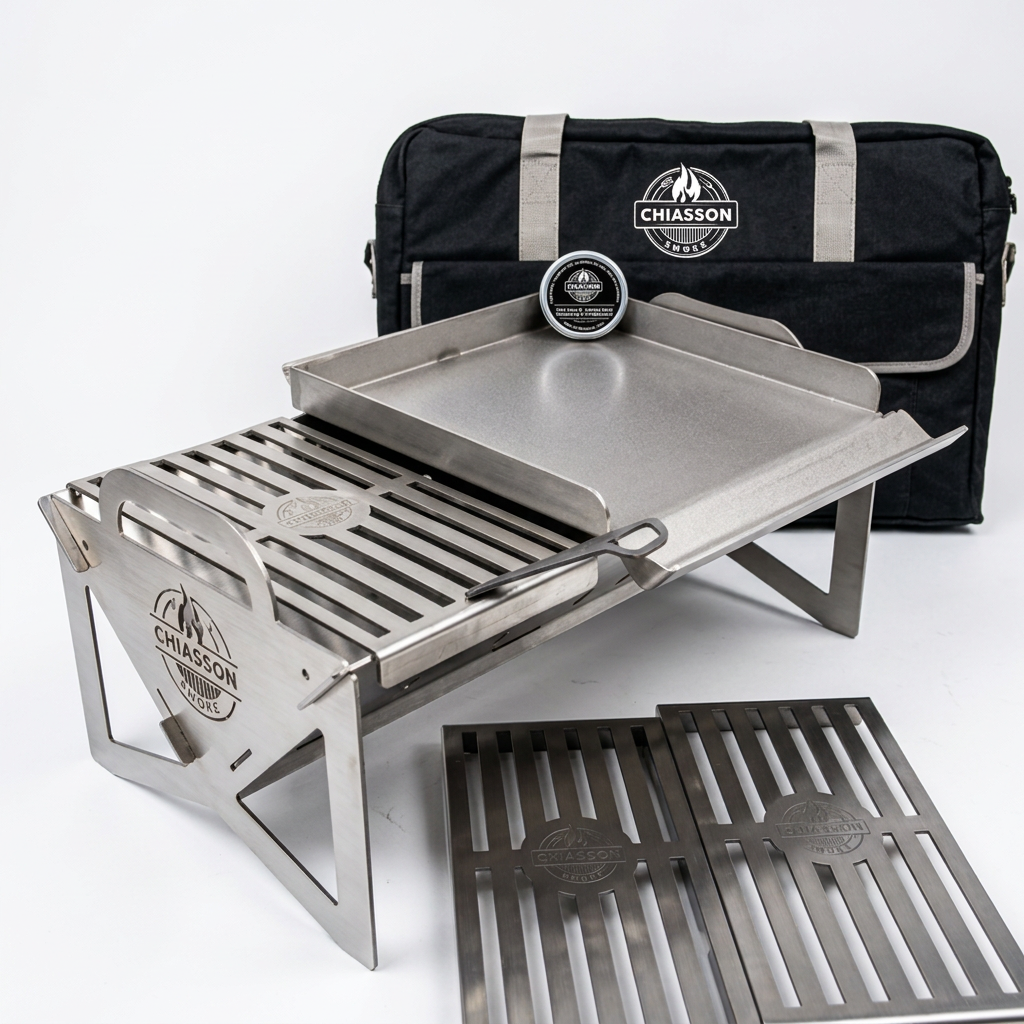
The Hauler Grill was made for people who love cooking outside but don’t want to haul around a big, bulky grill.
Its simple design packs down flat, and when you’re ready to cook, it goes together quickly with no tools needed.
Want even more ways to cook? Add one of our griddle options and make breakfast, smash burgers, fajitas, fried rice, and plenty more.