
Best U.S. States For Homesteading
What Do You Want From A Homestead?
Before you pick a state, pick your “why.” If you skip this step, you might buy land that looks pretty but does not match your real life.
Food Production
If your main goal is to grow food, you will care about soil, frost dates, and water. A longer growing season helps, but it is not everything. Some places with short summers grow amazing food if the soil is rich and the days are long.
Also think about what “food” means to you. A big garden? An orchard? Chickens for eggs? Goats for milk? Beef cattle? Each one has different land and fencing needs.
Off-Grid Living
Off-grid can mean many levels. Some people want solar and a well, but still like internet and a paved road. Others want to be far out, with no neighbors in sight.
If you want off-grid, you will care about sun exposure, winter temperatures, road access for deliveries, and local rules about septic systems, cabins, and power hookups.
Hunting And Fishing
If hunting and fishing are a big part of your food plan, you will want to learn about public land, game populations, seasons, and tags. In many parts of the U.S., being close to large areas of public land can be a huge boost, especially if your own land is small.
Fishing can also be a major food source, but it depends on clean water access and local rules.

Privacy And Space
If privacy is your top goal, you will care about population density, land prices, and how fast an area is growing. A place that feels empty today can fill up fast if it becomes popular.
Privacy also comes from land shape, tree cover, and where a house sits on the property.
Community And Services
Some homesteaders want distance. Others want neighbors who trade skills, lend tools, and show up when something breaks.
Community can also mean access to a hospital, a feed store, a hardware store, and a good mechanic. If you have kids, it can mean schools, sports, and friends nearby.
Income Opportunities
Even the toughest, most independent homesteader usually needs some income. Property taxes do not care how good your tomatoes taste.
You might want a local job, remote work with strong internet, a farm stand, a small nursery, eggs, meat sales, or a craft business. Where you live can make these options easy or nearly impossible.
Location Elements That Make Or Break A Homestead
A great homestead is built on good choices. These location elements are the ones that most often make people say, “I wish we knew that before we bought.”
Water Reliability
Water is life on a homestead. You can fix bad fencing. You can improve soil. You cannot garden without water.
Look at average rainfall, but do not stop there. A place can get decent rain and still have problems because of drought patterns or local water rules.
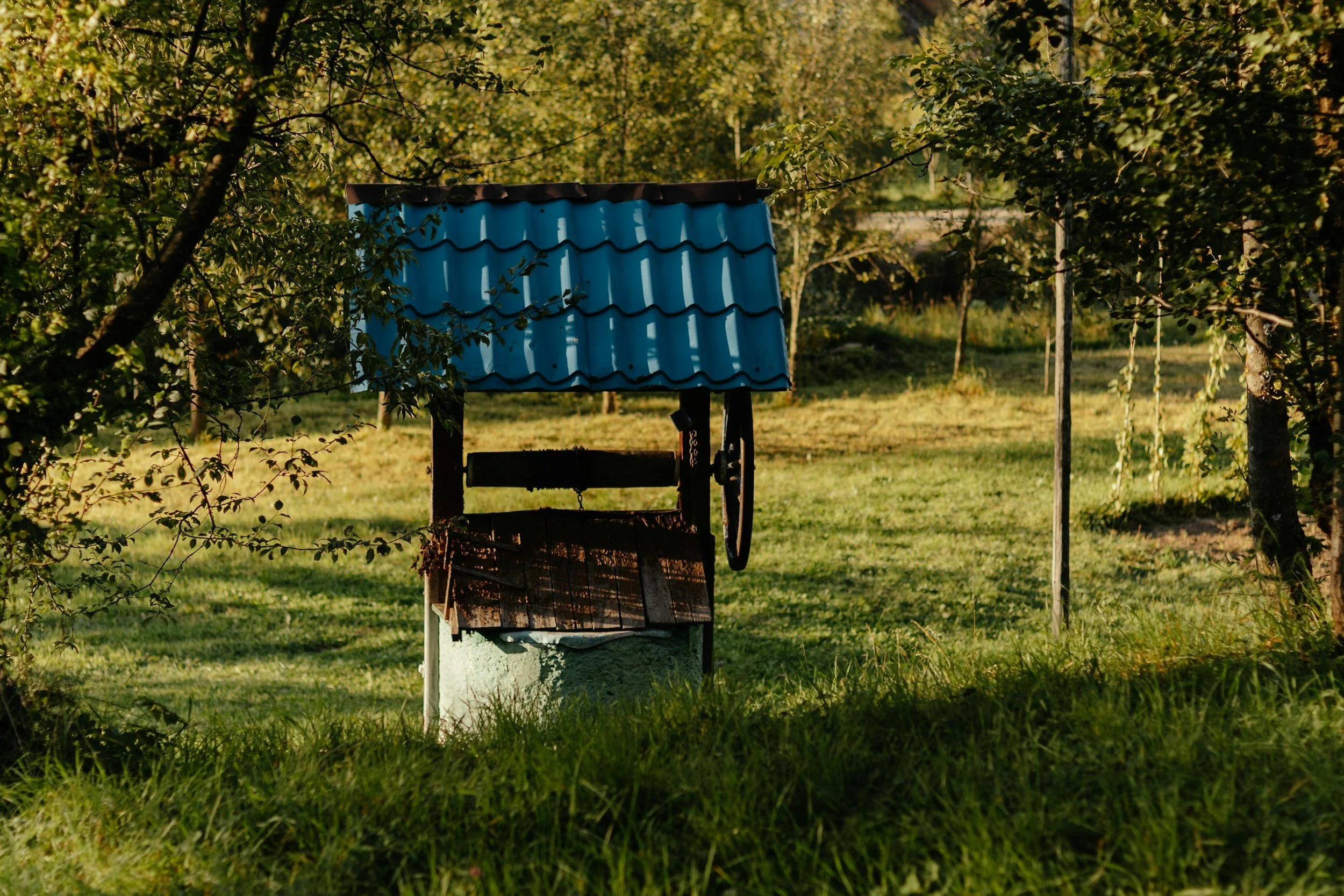
Wells matter too. How deep are wells in the area? Do neighbors have reliable wells? What is the water quality like? In some regions, well drilling can be expensive, and some wells run low in dry years.
Surface water is great, but it comes with questions. Is the creek seasonal? Does the pond dry up? Are there any rules about using that water for irrigation? Do you need to keep an extra supply available for emergencies?
Water rights are a serious topic in many western states. If you are new to that idea, it can be a surprise. In some places, having water on your land does not automatically mean you can use it any way you want. That is not a reason to avoid the West, but it is a reason to do careful homework.
Climate And Season Length
Weather decides what you can grow, what animals you can raise, and how hard your winters will be.
Mild winters can make chores easier and lower heating costs. But hot summers can bring their own problems, like water stress on gardens, heat stress on animals, and higher wildfire risk.
Storms matter too. Hurricanes, tornadoes, ice storms, and heavy snow all change how you build and how you prepare. If your road becomes a mess every spring, that matters. If your area has smoke seasons from wildfires, that matters too.
Soil Quality And Growing Potential
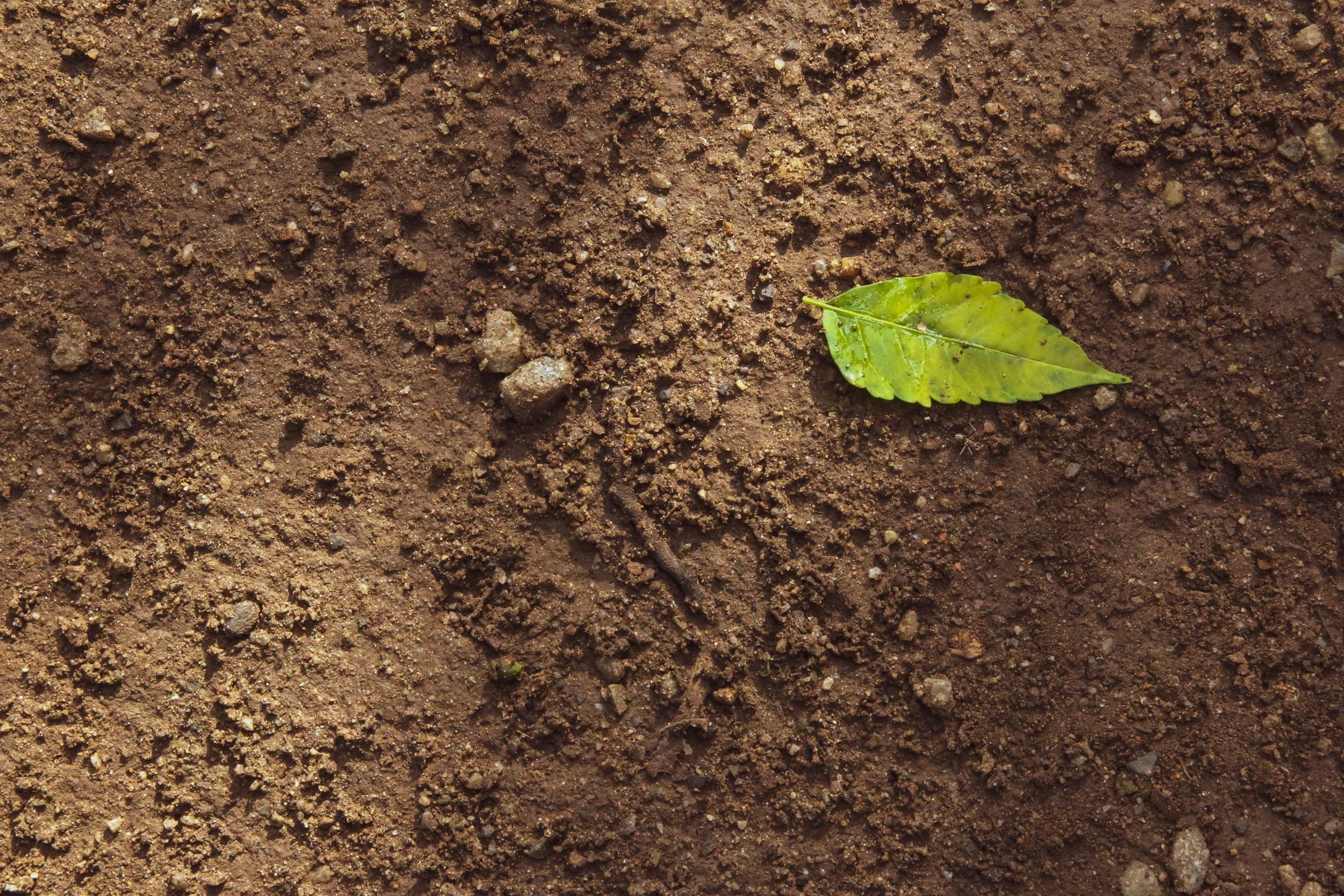
Soil is not just dirt. It is a living system.
Some land looks great in photos but has thin topsoil, heavy clay that stays wet, or sandy soil that dries out too fast. Drainage matters for gardens and for foundations. Contamination matters too, especially near older industrial areas or places with heavy past pesticide use.
Native vegetation gives clues. Thick grasses can suggest good pasture. Certain weeds can suggest compacted soil or poor fertility. Forest can be a good sign, but it can also mean you will spend money clearing space for gardens and pasture.
A soil test is one of the smartest, cheapest things you can do before you buy.
Land Characteristics
Acreage needs depend on your plan. You can grow a lot of food on a small space if you are organized. Livestock usually pushes you toward more acres, more fencing, and more water.
Slope matters. Flat land is easier for gardens, buildings, and moving equipment. Some slope is fine, and it can help with drainage. Too much slope can make everything harder and can limit where you can build.
Timber can be an asset if you want firewood, building material, or privacy. Pasture can save you years of work if you want animals.
Access roads matter more than most people think. Is it a county road? A private road? Who maintains it? In winter, will you be able to get out?
Flood zones are another big deal. A little creek can turn into a problem in heavy rain. Checking flood maps and walking the land after rain can save you from big regrets.
Regulations And Local Governance
Two properties in the same state can feel like different worlds because of county and town rules.
Zoning can decide if you can have livestock, build a second dwelling, or run a home business. Building permits can be simple in one place and a long, costly process in another. Septic rules can limit where you can build based on soil type.
Also watch for HOA rules. An HOA can tell you what your house looks like, where you can park, and whether you can keep animals. Many homesteaders avoid HOAs for good reason.

Taxes And Long-Term Costs
Disclaimer: Nothing on this page or entire website is tax advice. Consult a tax advisor.
The purchase price is not the whole cost.
Property tax varies a lot by state and county. Insurance costs can change based on wildfire risk, hurricane risk, or distance from a fire station. Utilities can be cheap in one place and expensive in another.
Income tax and sales tax also affect your budget. Even if you live simply, you still buy tools, feed, fencing, and building materials.
Market Access And Jobs
Even if you are mostly self-reliant, you will still need supplies. It is nice to have a feed store within a reasonable drive. It is also nice to have a mechanic who can work on your truck or tractor.
If you plan to sell anything, market access matters. A farmers market can be a great place to sell eggs, plants, soap, honey, or produce, but you need enough people nearby who want to buy.
Remote work is a game changer for many homesteaders, but only if the internet is real. “High speed internet available” in a listing does not always mean you can get good service at that address.
Safety And Social Fit
Safety is not only about crime, but crime does matter. It can vary a lot by region and even by neighborhood.
Social fit also matters. Are neighbors helpful? Do people mind chickens? Are folks friendly to newcomers? Is it the kind of place where people respect privacy?
It is smart to visit local stores, diners, and feed shops and just talk to people. You can learn a lot by listening.
Hunting, Fishing, And Foraging Potential
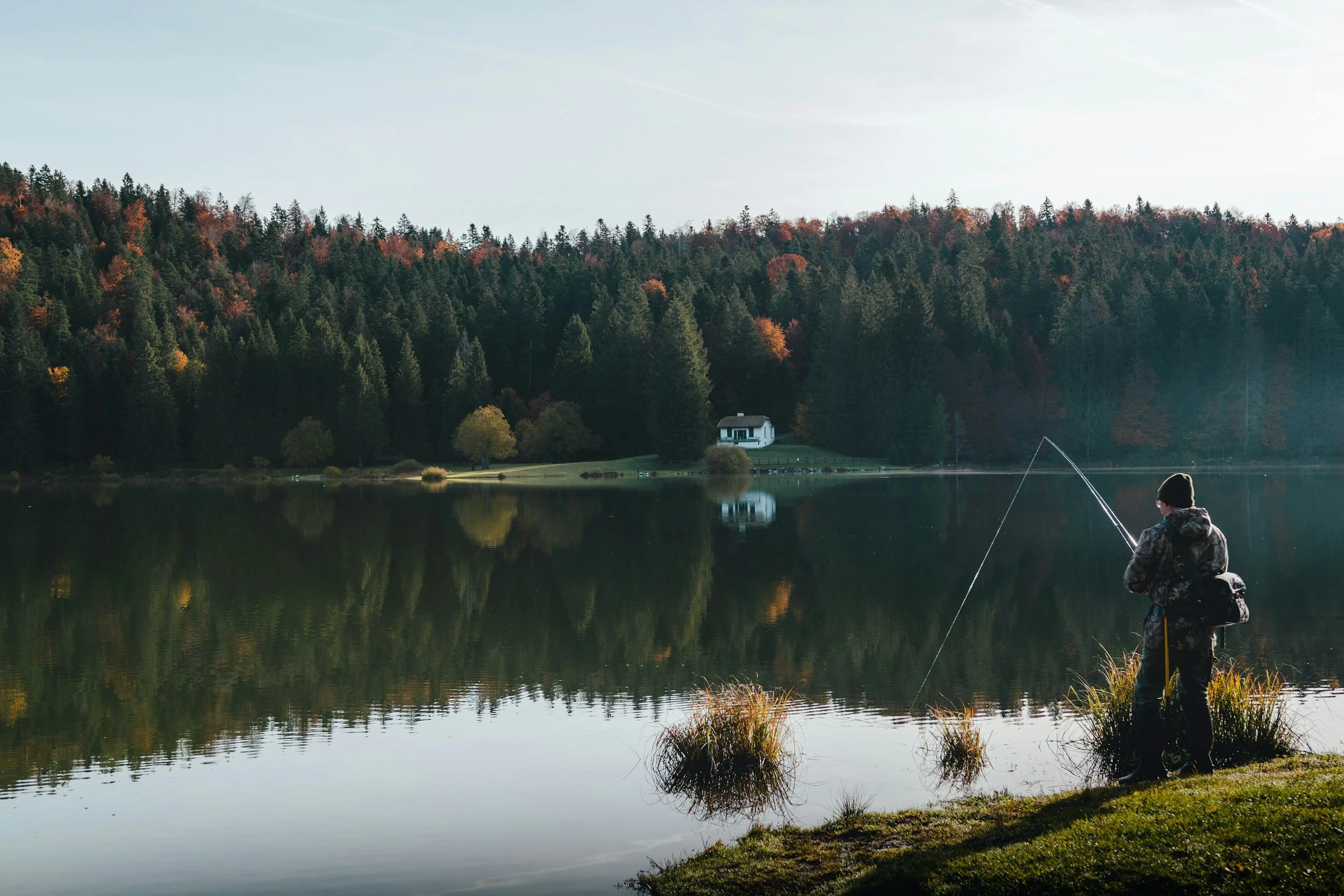
If wild food is part of your plan, look for places with abundant game and strong public land access. Also look at seasons and limits so you understand what is realistic.
Foraging depends on local plants and forests, but it also depends on whether you have access to clean, safe areas. Some regions have great mushrooms, berries, and nuts. Others have less variety.
Self-Defense Considerations
Self-defense is personal. Some homesteaders feel safer with firearms and want to live where laws make it easier for law-abiding adults to own and carry them. Others prefer different tools and training.
Either way, it is wise to understand state and local rules before you move, and to think about response times in rural areas. In many remote places, help may not arrive quickly, so prevention, awareness, and solid home security matter a lot.
Practical Checklist Before You Buy
A dream property can hide real problems. This checklist is meant to keep you from falling in love too fast.
Visit In More Than One Season
A sunny day in June is not the whole story. If you can, visit in winter and during a rainy time. See how the road behaves. See where water sits. Feel the wind.
If you cannot visit in every season, talk to neighbors and ask blunt questions about mud season, snow, heat, and smoke.
Verify Utilities And Infrastructure
Do not guess about electric service, broadband, and cell coverage. Check what is actually available at the property. A neighbor having internet does not guarantee you can get it.
Also ask about road maintenance. Who plows? Who grades? Who pays?
Confirm Water And Test It
If there is a well, ask for well records if available and test the water for quality. If there is no well, learn typical well depths nearby and get quotes from local drillers.
If you plan to use surface water, learn if it is seasonal and whether you can legally use it the way you want.
Soil Test And Garden Plans
A basic soil test can tell you pH and key nutrients. It can also guide you on what amendments you might need.
Walk the land and imagine where gardens, pasture, and buildings would go. Watch for shade patterns and drainage.
Review County Rules
Call the county planning or zoning office. Ask about livestock, building permits, accessory dwellings, and home businesses. Ask what permits you need for a driveway, septic, or well.
The goal is not to argue with rules. The goal is to know what you are buying into.
Estimate Full Cost Of Ownership
Add up more than the land price.
Think about driveway work, fencing, a well, septic, a tractor or mower, outbuildings, tools, and ongoing taxes. A cheaper property can cost more if it needs major development.
Finding Land And Evaluating Listings
Online listings can save time, but they can also hide problems behind pretty photos.
Using LandWatch
LandWatch is one popular site people use to browse rural land listings. It can help you filter by state, county, acreage, and price range. It can also help you spot patterns, like which areas have lots of listings and which areas are tight.
Even if you do not buy through a site like that, it can be a useful research tool.
What To Scrutinize In Listings
Look closely at access. Does the property have legal road access? Is there an easement in writing? If access crosses someone else’s land, you need to understand the terms.
Mineral rights are another big topic in some regions. Sometimes mineral rights have been separated from surface rights. That can matter if there is future drilling or mining. This is a legal issue where a local real estate attorney can be worth every penny.
Also check for restrictions. Some land has covenants that limit building types, livestock, or business use.
Flood and fire risk are worth checking too using official maps and local knowledge. A listing may not mention that a place is in a high-risk wildfire zone or a floodplain.
What “Best” Can Mean By Lifestyle Type
There is no single best state for every homesteader. There are best matches for different goals.
Low Regulation Priority
If you want fewer hoops for animals, building, and land use, you will likely focus on rural counties in states known for more hands-off local government. Still, remember that rules are often county-by-county.
Long Growing Season Priority
If you want to grow food for more months each year, look for milder winters and enough water to keep plants alive through heat. A long season is powerful, but it can come with pests and disease pressure too.
Hunting And Public Land Priority
If you love hunting and want lots of places to explore, look for states with large areas of public land. In many western states, public land access is a huge advantage for homesteaders who also hunt and fish.
Budget Land Priority
If your budget is tight, you may look for states and regions where land prices are lower. The tradeoff can be fewer jobs, longer drives, or harsher weather.
Off-Grid And Remote Priority
If you want to be far out, you need to think about winter access, medical distance, supply runs, and communications. Remote living can be peaceful, but it demands planning.
10 Best States For Homesteading
The states below are often discussed by homesteaders because they offer strong options for land, lifestyle, and self-reliance. None are perfect. The key is knowing what to watch for.
Arizona
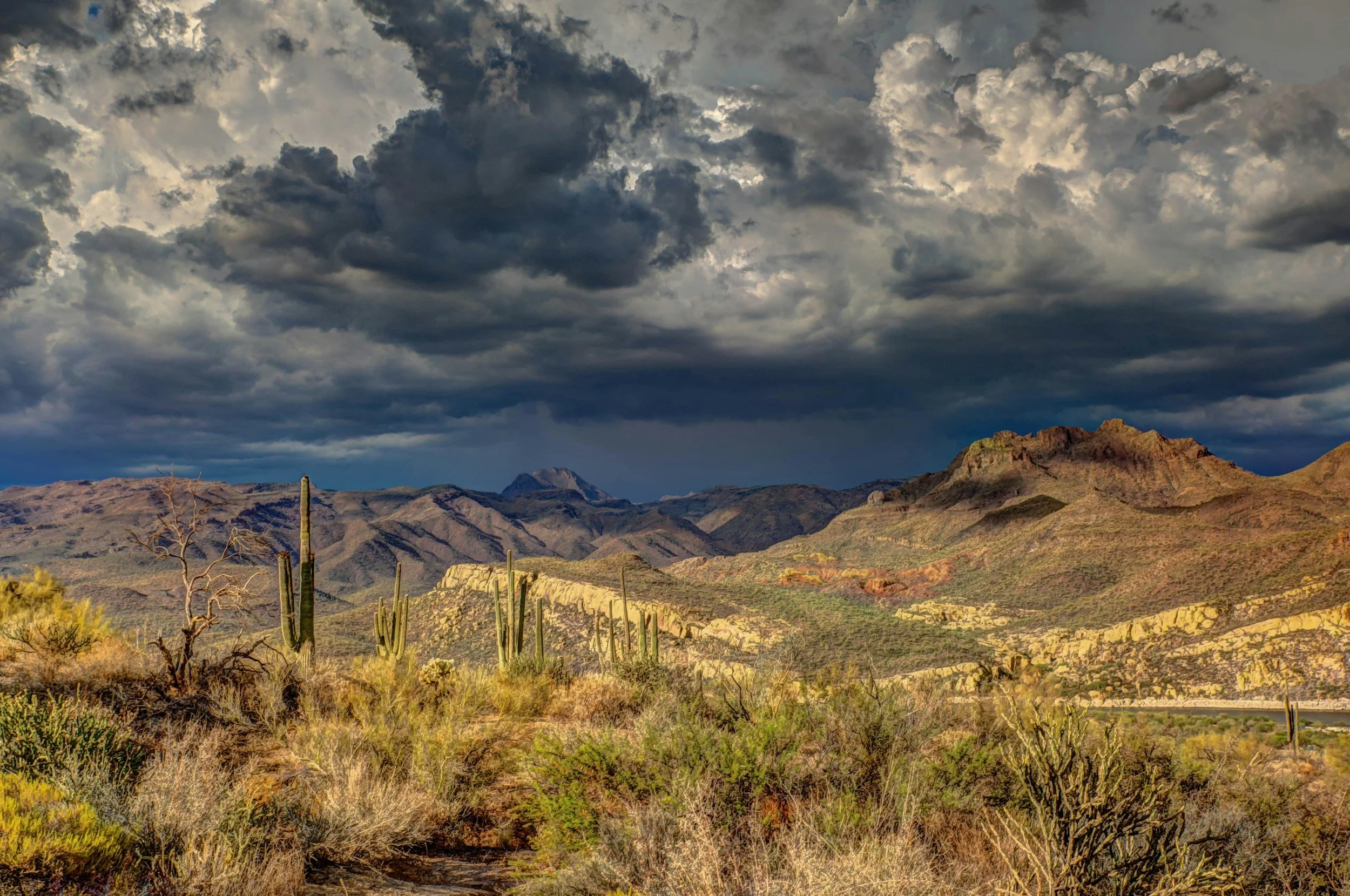
Arizona can be a surprising homesteading state because it has big differences depending on where you are.
Southern and lower desert areas can be very hot, and water planning is not optional. Heat changes everything, from animal shade needs to how you store food and water. If you are drawn to the desert life, you will want to learn smart water harvesting, strong irrigation habits, and heat-safe building design.
Higher elevation areas can be cooler, sometimes with snow, and can have a different growing season. Arizona also attracts off-grid folks, partly because solar power can work well in many places due to sunny days. Still, solar is only one piece. Water is the main piece.
What to watch for: long-term water reliability, well depth and refill rates, wildfire risk in dry areas, and the reality of summer heat. A property that feels fine in spring can feel harsh in July.
Wyoming
Wyoming is the state for people who want space and do not mind being tough.
It has a very low population and wide open land in many areas. That can mean privacy and quiet, which many homesteaders love. It can also mean long drives to stores, doctors, and building supplies.
Winters can be long and cold. Wind is also a major factor in parts of Wyoming, and it can affect livestock shelter, heating needs, and even your mood if you are not used to it.
What to watch for: winter access, distance to services, and wind exposure. Also pay close attention to water, because some areas are dry and wells can be deep.
Alaska
Alaska is not for casual homesteading. It is for people who want a true edge-of-the-map lifestyle.
There are real subsistence traditions in Alaska, and many people hunt, fish, and gather food as a normal part of life. But the climate can be extreme, and the growing season is short in many areas. That does not mean you cannot garden. It means you will likely use greenhouses, cold frames, and careful planning.
Logistics matter more in Alaska than in most states. Shipping can be expensive. Winter can isolate you. Emergency planning is a bigger deal.
What to watch for: access to the property, fuel and supply costs, winter darkness in some regions, and the learning curve of local conditions. Make sure you understand how you will get materials in and food out.
Montana
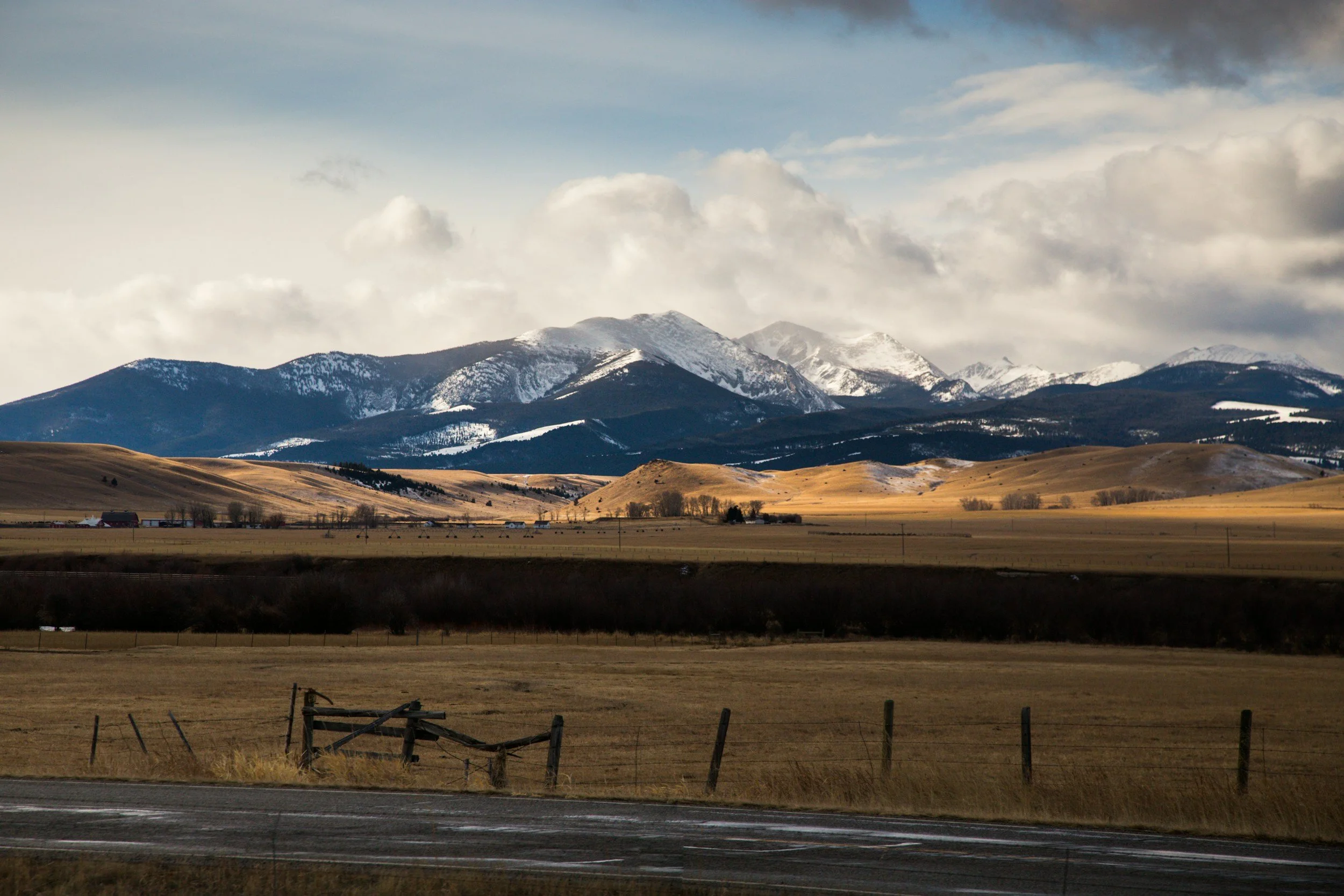
Montana is often seen as a homesteader’s dream because of its big skies, strong outdoor culture, and access to public lands in many regions.
It can be a great place for livestock, hay, hunting, and a rugged kind of self-reliant life. The tradeoff is winter. Many areas have long, cold seasons. Wildfire risk can also be a factor, especially in dry summers and forested regions.
Costs can vary a lot. Some parts of Montana have become more expensive, while other areas remain more affordable.
What to watch for: wildfire planning, winter heating needs, and local land prices. Also pay attention to how close you are to a town with the services you need.
Connecticut
Connecticut may seem like an odd pick if you picture homesteading as a cabin in the wilderness. But many people want small-scale homesteading with strong market access.
Connecticut has a lot of people nearby, which can be great if you want to sell products, keep a day job, or have quick access to doctors and stores. The tradeoff is cost. Land can be pricey, and regulations can be more involved than in many rural states.
Homesteading in Connecticut often looks like smart use of a smaller property: gardens, chickens where allowed, fruit trees, and maybe a few small animals, plus skills like canning and food storage.
What to watch for: zoning rules, animal limits, and property costs. Make sure your town allows what you want to do.
Michigan
Michigan has something homesteaders love: water. With the Great Lakes and many inland lakes and rivers, water access can be a strong point in many areas. Michigan also offers a true four-season life, which many people enjoy.
Soils vary. Some areas have rich farmland, while others have sandier soils that need more work. Winters can be snowy, especially in certain regions, and heating costs matter.
Taxes can vary by area, and local rules vary too. Still, Michigan remains a popular pick for people who want land, water, and a strong outdoor lifestyle.
What to watch for: soil type, winter weather, and local property tax patterns. Also think about lake-effect snow in some regions.
Disclaimer: Nothing on this page or entire website is tax advice. Consult a tax advisor.
Maine
Maine is for the person who wants trees, privacy, and a quieter pace.
Many parts of Maine are heavily forested, which can provide firewood, building material, and natural privacy. It can also mean you will be clearing land if you want big gardens or pasture.
Winters can be long and cold. The growing season is shorter than in warmer states, but summer gardens can be beautiful, and cool weather can reduce some pest pressure.
Rural access can be a challenge in mud season or winter, and some areas feel far from major services.
What to watch for: winter access, heating plans, and how far you are from a hospital and a real hardware store. Also think about how much land you want to clear versus keep wooded.
Oregon
Oregon can be a homesteading wonderland in the right region, but it is not one single climate.
Some areas have mild, wet conditions that support gardens and orchards. Other areas are much drier. Oregon also has regions where land prices are high, especially closer to major cities or popular areas.
Rules and policies can differ by county, and it is smart to learn what is allowed before buying. Many homesteaders love Oregon for its growing potential in certain zones and for access to forests and outdoor recreation.
What to watch for: local regulations, wildfire risk in dry seasons, and price hotspots. Oregon can be amazing, but you need to pick the right pocket.
Idaho
Idaho is often chosen by homesteaders who want public land access, hunting, fishing, and a mix of mountains and valleys.
Climate varies a lot by region and elevation. Some areas have cold winters and short growing seasons. Others have better season length. Water and irrigation can be important, especially in drier zones.
Some parts of Idaho have seen fast growth and rising costs. That does not mean Idaho is off the list. It means you need to shop carefully and think about where you can still find the balance you want.
What to watch for: growth pressure, water planning, and winter weather. Also pay attention to how far you are from good medical care if you choose a remote spot.
Tennessee
Tennessee is a favorite for many homesteaders because it can offer a mild climate, decent rainfall, and still some affordable areas.
A longer growing season gives you more time for gardens, pasture, and food projects. Water is often available, but you still need to check each property carefully for wells, springs, and drainage.
Rules can vary by county, so do not assume the whole state works the same way. Some places are very friendly to small farms and home-based businesses, and some have more limits.
What to watch for: county-by-county rules, land that floods in heavy rain, and the balance between being rural and being too far from jobs.
Additional State Examples
Some states do not make every “top ten” list, but they still fit many homesteaders very well.
Oklahoma
Oklahoma can be a strong option for people who want a practical homestead without paying top dollar for land.
It has a mix of landscapes, and many areas have a deep farming and ranching culture. That can mean you can find feed stores, livestock auctions, and people who understand country life.
Weather is the tradeoff in some regions. Severe storms and tornado risk are a real part of life for many Oklahomans, and hot summers can push water use up.
Why it can work: affordability in many areas, agriculture-friendly culture, and access to needed services in a lot of small towns.
Typical tradeoffs: storm planning, heat, and making sure you have a solid shelter plan for severe weather days.
Washington
Washington can be great for gardens in some regions, with plenty of rain and mild temperatures. It also offers strong outdoor recreation, forests, and access to markets in more populated areas.
Costs can be higher in many places, especially near major job centers. Political and cultural considerations matter too, because Washington can feel very different depending on which side of the state you are on. For some people, that is fine. For others, it affects the sense of fit.
Benefits: strong growing potential in many areas, long garden seasons in certain regions, and access to buyers if you sell products.
Tradeoffs: higher land and housing costs in many areas, and the need to research county rules carefully.
Beyond Climate: How To Weigh States
A good homesteading state is not just about sunny days and green grass. Some of the biggest issues are money, safety, and legal details.
Cost Of Land And Housing
Land prices can vary wildly inside one state. A popular valley near a growing city can cost far more than a quiet county a few hours away.
When comparing, look at not only acres per dollar, but also what the land includes. Fencing, a well, a septic, and usable pasture can save you a huge amount of money later.
Tax Burden Overview
Disclaimer: Nothing on this page or entire website is tax advice. Consult a tax advisor.
Taxes are not simple, and they are not the same for every household.
Property tax matters for homesteaders because you pay it every year. Income tax matters if you work a job or run a business. Sales tax matters because homesteading uses lots of supplies. Also consider vehicle taxes and fees, which can surprise people after a move.
The smart move is to look at state-level taxes, then zoom in to the county level, because local differences can matter.
Crime And Safety By Region
Crime rates vary by city and rural area, and even rural areas can have issues like theft. Visit the area, talk to locals, and look at how people secure equipment.
Also think about emergency services. How far is the nearest fire station? How long does it take an ambulance to reach your road? These are not fun questions, but they are important.
Legal Issues That Affect Homesteads
Homesteads often include animals, water use, buildings, and sometimes sales.
Common issues include limits on livestock numbers, rooster rules, permit needs for sheds and cabins, and health department rules if you sell food. Water laws can also affect irrigation, ponds, and wells in some states.
If you want to run a farm stand or sell eggs, honey, or baked goods, check state and county rules early so you can build your plan around what is realistic.
Choosing The Right State For Your Plan
Picking a state is not a popularity contest. It is a matching process.
Match Priorities To A Short List
Start by ranking what matters most to you. If water is your number one, that should push your list. If a long growing season is your number one, that changes things. If hunting on public land is your number one, that changes things too.
Try to narrow it down to three to five states, then focus on specific counties or regions.
Create A Scoring System
A simple scoring system can help you stay calm when a listing has pretty photos.
You can score categories like water, soil, rules, taxes, access to town, internet, and land price. Give each category a weight based on how important it is to you. Then compare areas with your real priorities, not just your feelings.
After that, do final due diligence: water tests, soil tests, rule checks, and careful review of access and rights.
Bottom Line
The best state for homesteading is the one that supports your plan without draining your energy every day.
If you want a long growing season and mild winters, you might lean toward places like Tennessee or certain regions of Oregon. If you want deep privacy and timber, Maine can be a fit. If you want wide open space and do not mind winter toughness, Wyoming and Montana can be strong options. If you want small-scale homesteading near big markets, Connecticut can work if you are ready for higher costs and more rules.
The win is not picking a famous state. The win is picking a place where water, soil, weather, rules, and budget all line up well enough that you can build a steady life.

⚠️Ships out within 1 - 2 weeks
Introducing The Ultimate Package, designed to bring luxury and convenience to your outdoor cooking experience. This premium package includes a 6-inch rocket stove that comes with smooth-rolling casters for effortless mobility, a 16-inch grill top, and a 16-inch griddle top. It also comes with a custom-fit grill cover to protect your stove when not in use, along with a fire starter kit to make lighting your fire quick and easy. The Ultimate Package has everything you need to cook in style and comfort. Save $100 when you buy the ultimate package, worth $1,000!!