
Minimalist Camping Gear Checklist
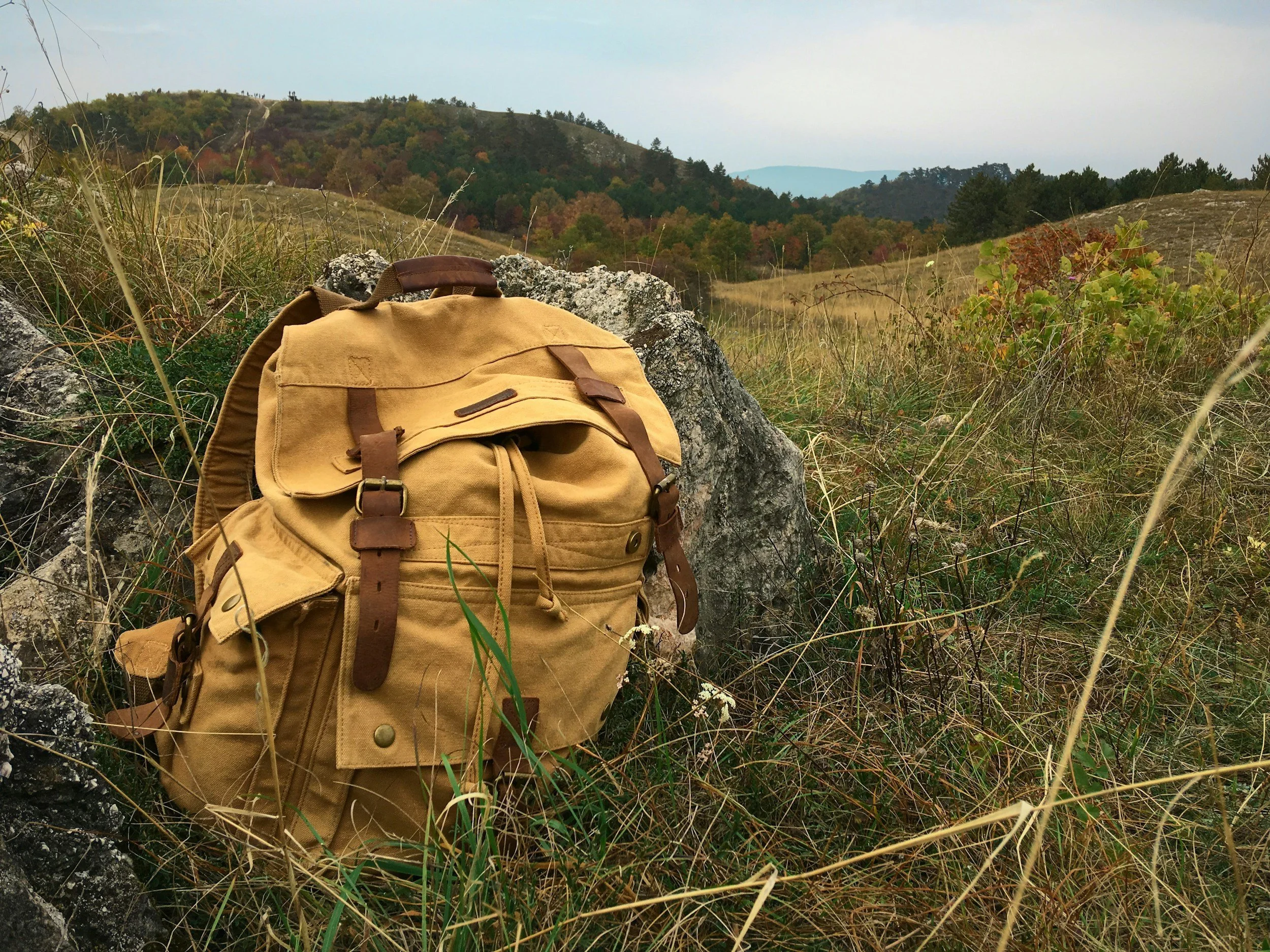
Camping does not have to mean hauling half your house into the woods. In fact, the less you bring, the better camping often feels. Minimalist camping is about freedom. Fewer choices. Fewer items to lose. Fewer things to clean up when you get home. It is not about suffering or skipping comfort. It is about bringing only what matters and knowing how to use it well.
This checklist is not a rigid rulebook. It is a mindset. You will learn what gear earns its place in your pack and what gear stays home. Over time, your own list will get shorter and smarter. That is the real goal of minimalist camping.
What Minimalist Camping Really Means
Minimalist camping is not about counting every ounce or bragging about how little you packed. It is about intention. Every item you bring should have a clear purpose. Some items can serve more than one job. Others might feel nice but are not truly needed.
When you pack light, everything changes. You walk easier. You set up camp faster. You notice more of the sounds and smells around you. You spend less time digging through bags and more time enjoying where you are.
Minimalist camping works for backpacking, car camping, and even family trips. The core idea stays the same. Bring what you need. Skip what you do not.
Shelter That Does the Job Without Extra Fuss
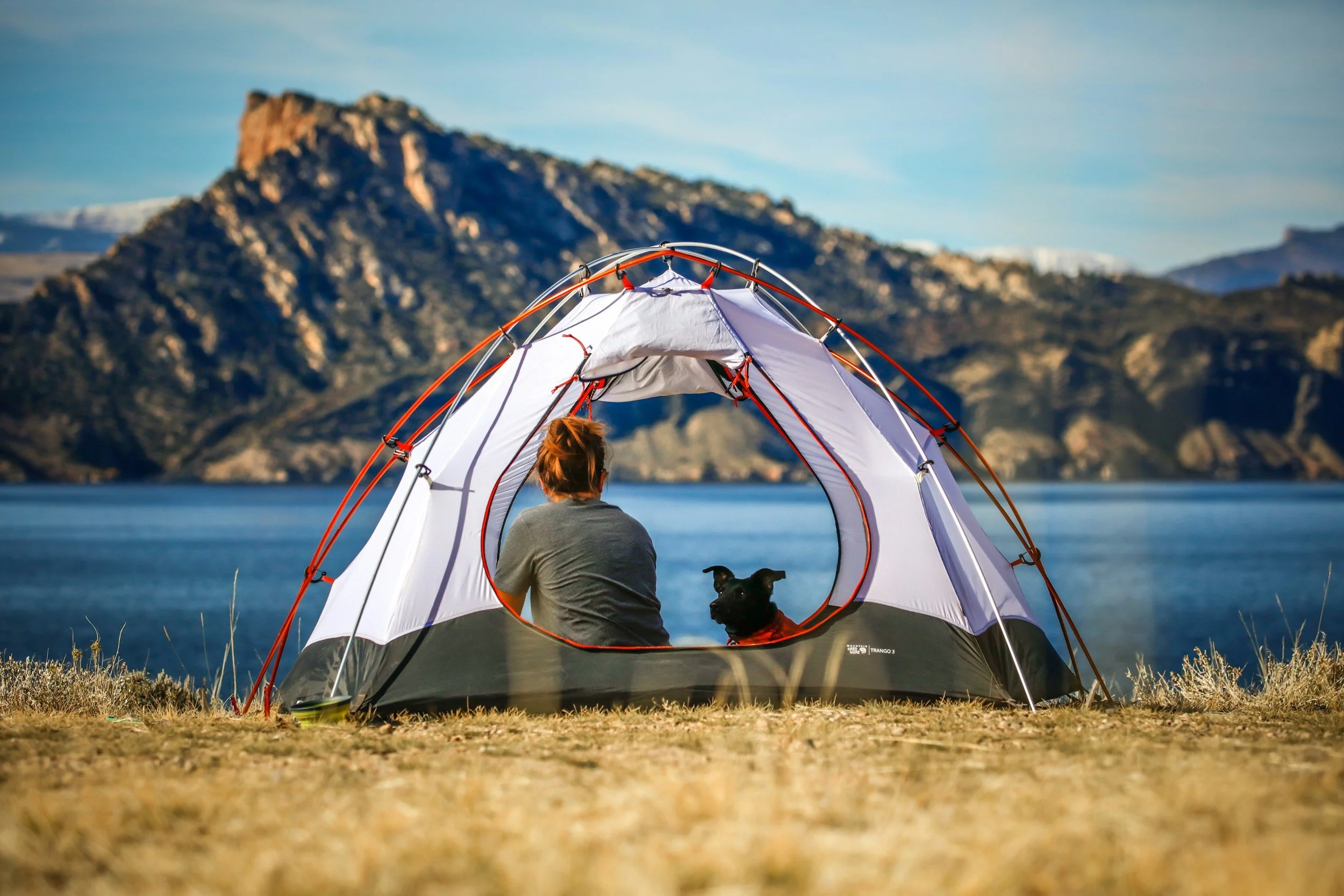
Shelter is one of the most important parts of camping. You need protection from weather, bugs, and cold nights. Minimalist shelter focuses on simple designs that are easy to set up and easy to carry.
A lightweight tent is the most common choice. Look for one that balances space and weight. You do not need a huge palace. You just need enough room to sleep and store a few items. Freestanding tents are popular because they pitch quickly and work on many surfaces.
Some campers choose a tarp or bivy instead of a tent. These options are lighter and simpler but require more skill. If you are new to minimalist camping, a basic tent is often the best place to start.
Bring only the stakes and lines the shelter actually needs. Extra hardware adds weight and clutter without adding value.
A Sleep System That Keeps You Warm and Rested
Good sleep makes every camping trip better. Minimalist camping does not mean poor sleep. It means choosing the right pieces and leaving the extras behind.
A sleeping bag rated for the season is essential. You do not need a heavy winter bag for warm summer nights. Down bags pack smaller and weigh less, while synthetic bags handle moisture better. Pick what fits your climate and style of camping.
A sleeping pad is not optional. It provides comfort and insulation from the ground. Many new campers underestimate how cold the ground can be, even on mild nights. A lightweight inflatable or foam pad usually does the job.
Pillows are optional. A stuff sack filled with clothes works well and saves space. Some campers bring a small inflatable pillow, but that is a comfort choice, not a requirement.
Clothing That Works Together Instead of Against You
Minimalist clothing is about layers, not outfits. You do not need a fresh look for every day. You need clothing that dries fast, stays warm, and feels comfortable when worn for long periods.
Start with one main set of clothes for hiking and camp life. Add one warm layer like a fleece or insulated jacket. Bring a rain layer even if the forecast looks perfect. Weather changes quickly outdoors.
One extra pair of socks is often enough. Dry socks can fix a bad mood faster than most people expect. Sleep clothes can double as backup layers if temperatures drop.
Avoid cotton when possible. It holds moisture and dries slowly, which can make you cold and uncomfortable.
A Simple Cooking Setup That Actually Gets Used
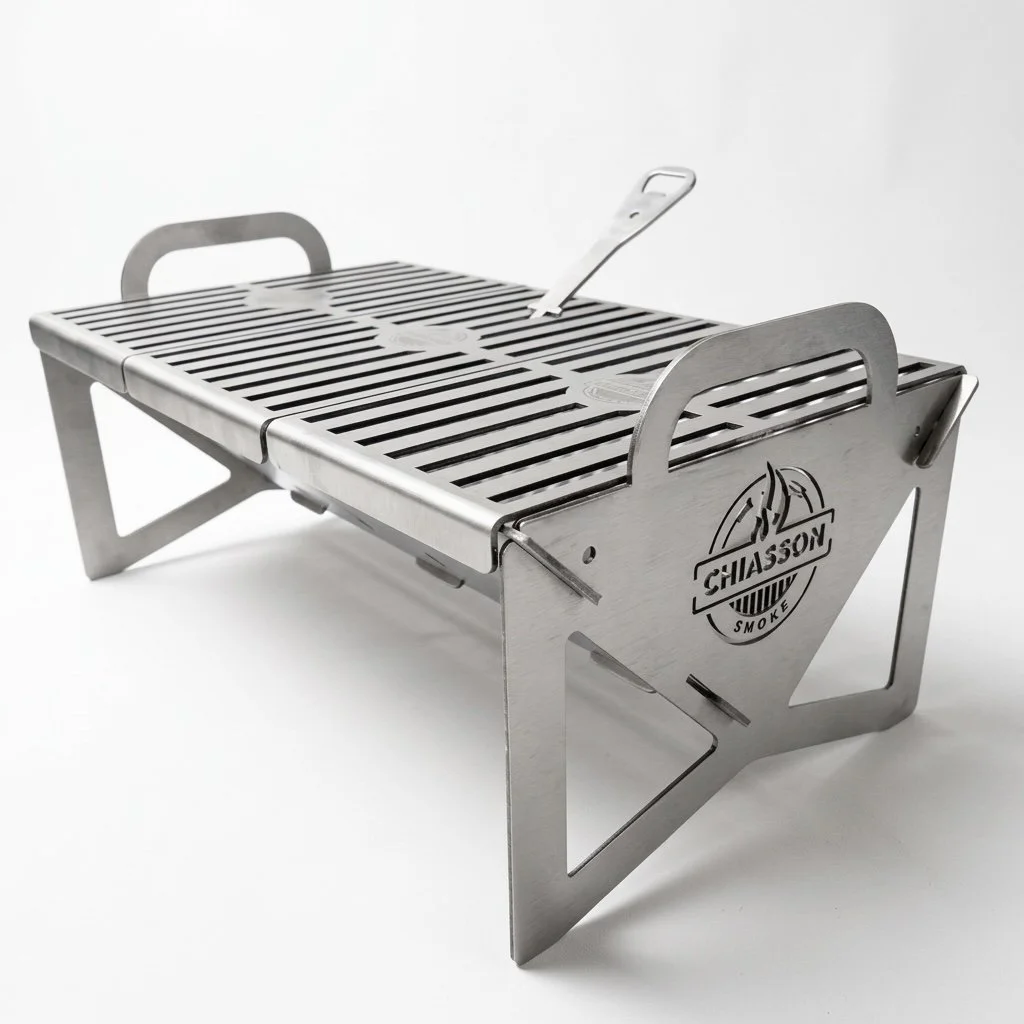
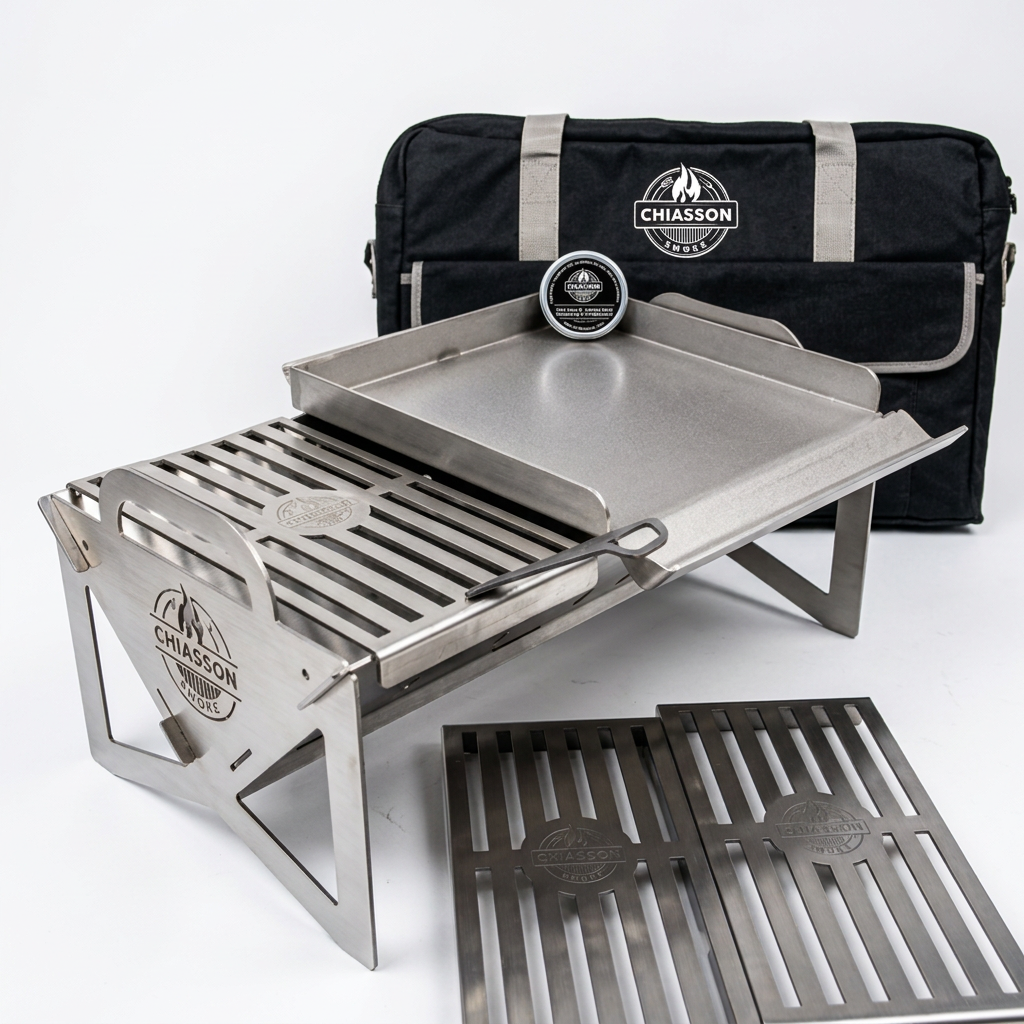
The Hauler Grill was made for people who love cooking outside but don’t want to haul around a big, bulky grill.
Its simple design packs down flat, and when you’re ready to cook, it goes together quickly with no tools needed.
Want even more ways to cook? Add one of our griddle options and make breakfast, smash burgers, fajitas, fried rice, and plenty more.
Food tastes better outside, even when it is basic. Minimalist cooking gear focuses on efficiency and ease rather than variety.
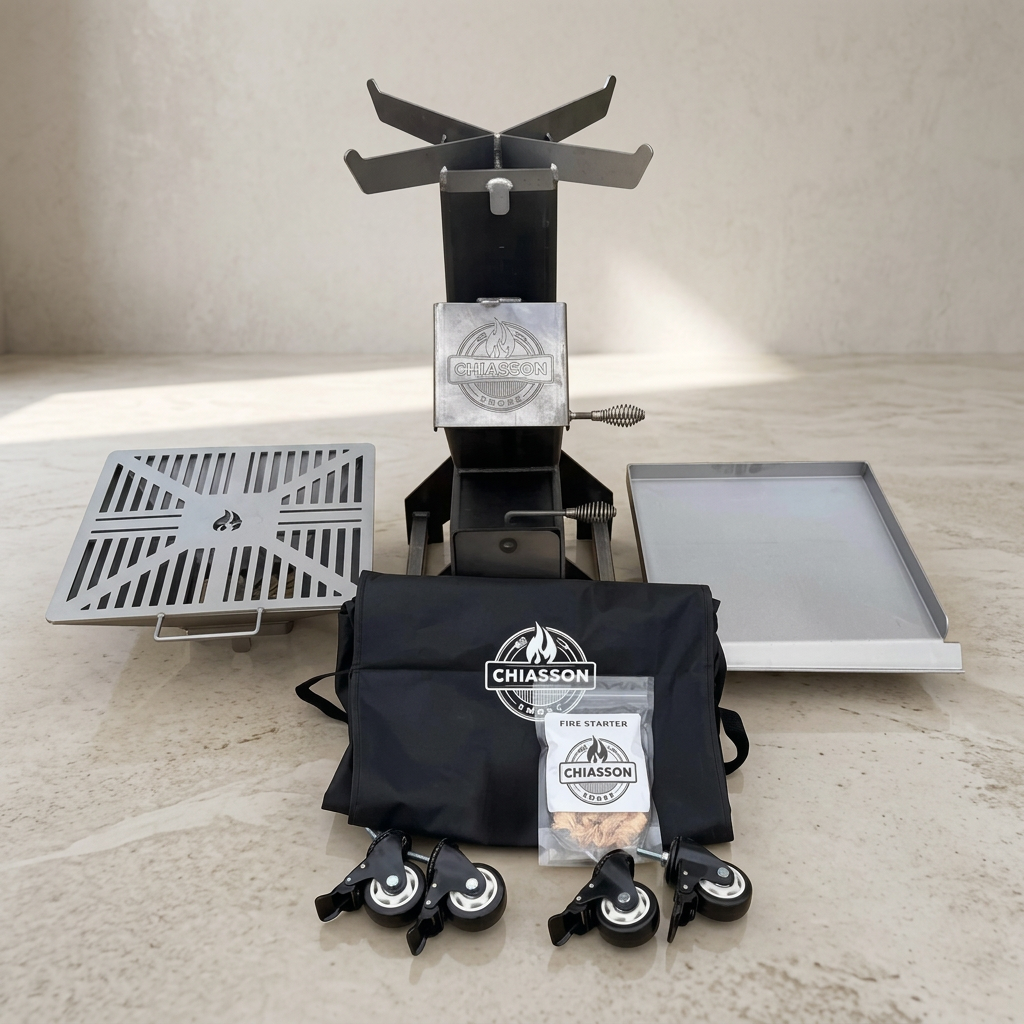
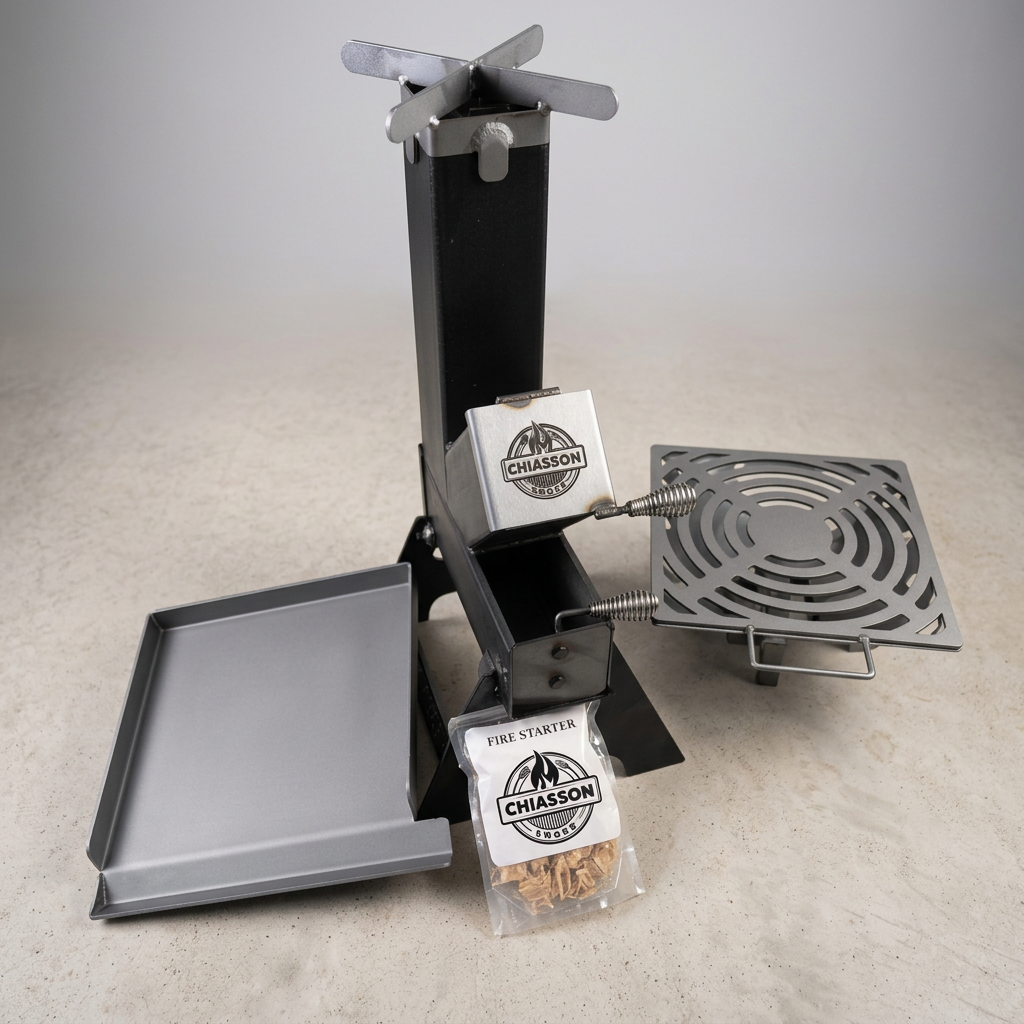
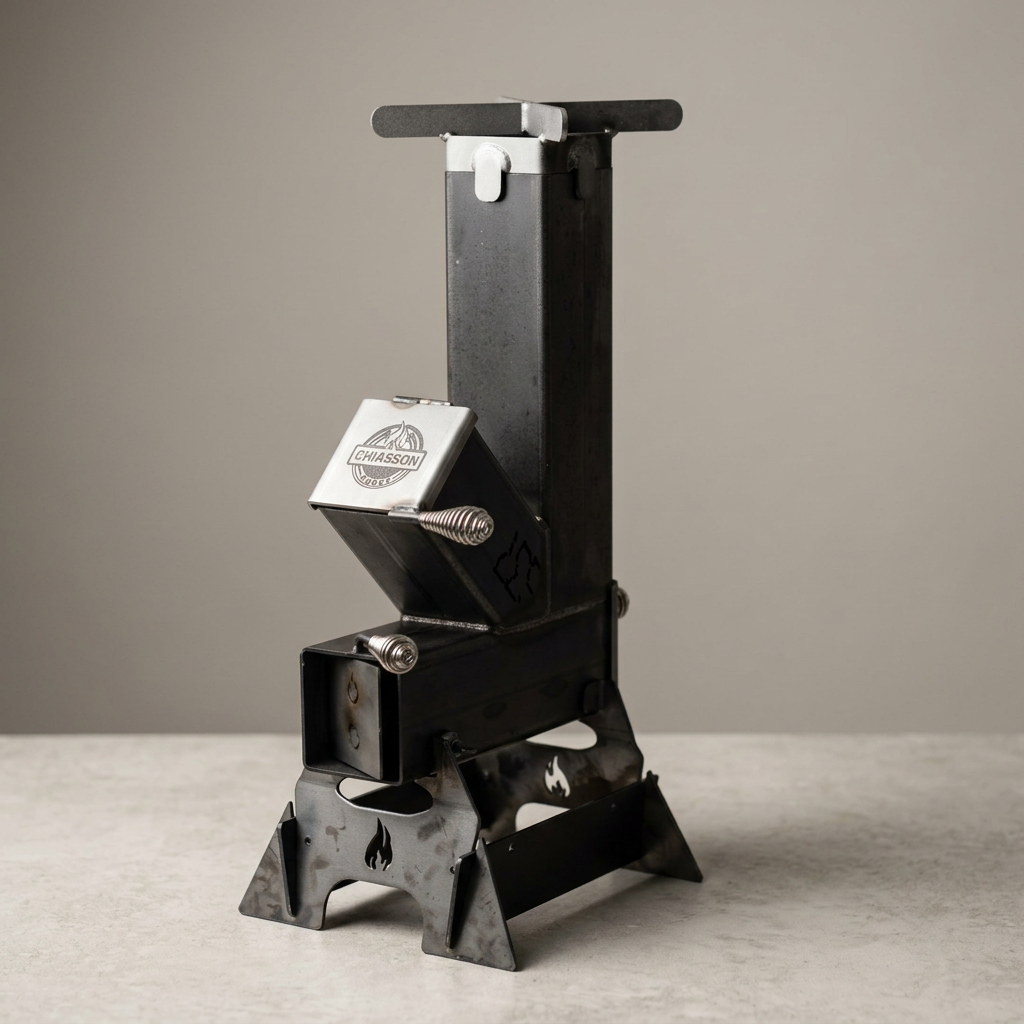
A small stove or grill and fuel canister handle most meals. One pot (or one pan) is usually enough to boil water, cook food, and eat from. Choose a size that matches your meals and packs easily.
Bring one utensil that can do everything. Many campers rely on a single spoon or spork. Extra cups, plates, and tools often go unused.
Plan meals that match your gear. Simple food means less equipment and less cleanup. Oatmeal, instant rice, dehydrated meals, and pasta are popular because they are easy and filling.
Water and Staying Hydrated in a Smart Way
Water is not optional. Minimalist camping still treats hydration as a top priority.
Carry enough water for travel and camp, but avoid hauling extra weight if refill spots are available. A reusable bottle or hydration bladder works well.
A water filter or purification tablets are essential if you plan to use natural water sources. Filters are faster and easier for regular use. Tablets are lighter and good as backups.
Remember that cooking and cleaning also use water. Plan your supply with that in mind.
Safety Items That Always Earn Their Place
Minimalist does not mean careless. A few safety items belong in every pack.
A compact first aid kit should match the length of your trip and the size of your group. Focus on basics like bandages, blister care, pain relief, and personal medications.
A small knife or multitool helps with food prep, repairs, and general camp tasks. It does not need to be large or heavy to be useful.
Fire starting tools are essential even if you use a stove. A lighter or matches can provide warmth, light, or help in an emergency.
Food Planning That Keeps Weight Down and Energy Up
Food weight adds up fast, but hunger ruins trips even faster.
Plan meals before you pack. Portion food carefully so you have enough without excess. Bring food you know you enjoy and can prepare easily.
Snacks should be calorie dense and simple. Nuts, bars, jerky, and dried fruit work well. Avoid food that needs lots of prep or creates a big mess.
Store food properly to avoid attracting animals. This protects both your trip and local wildlife.
Leave No Trace and Packing With Purpose
Minimalist camping fits naturally with Leave No Trace principles. Less gear usually means less impact.
Pack out all trash, including food scraps. Use soap sparingly and keep it away from water sources.
Choose gear that lasts. Cheap items that break easily create waste and frustration. Durable gear supports both minimalism and sustainability.
Packing smart also means knowing where everything goes. A well organized pack saves time and reduces stress.
Minimalist Camping Is About the Experience
At its core, minimalist camping is not about gear. It is about experience.
When you carry less, you notice more. The sound of wind in the trees. The way light shifts at sunset. The quiet moments that get lost when you are busy managing equipment.
A minimalist checklist is just a guide. The real reward is feeling capable, present, and free.
Bring what you need. Trust yourself. Let the rest stay home.

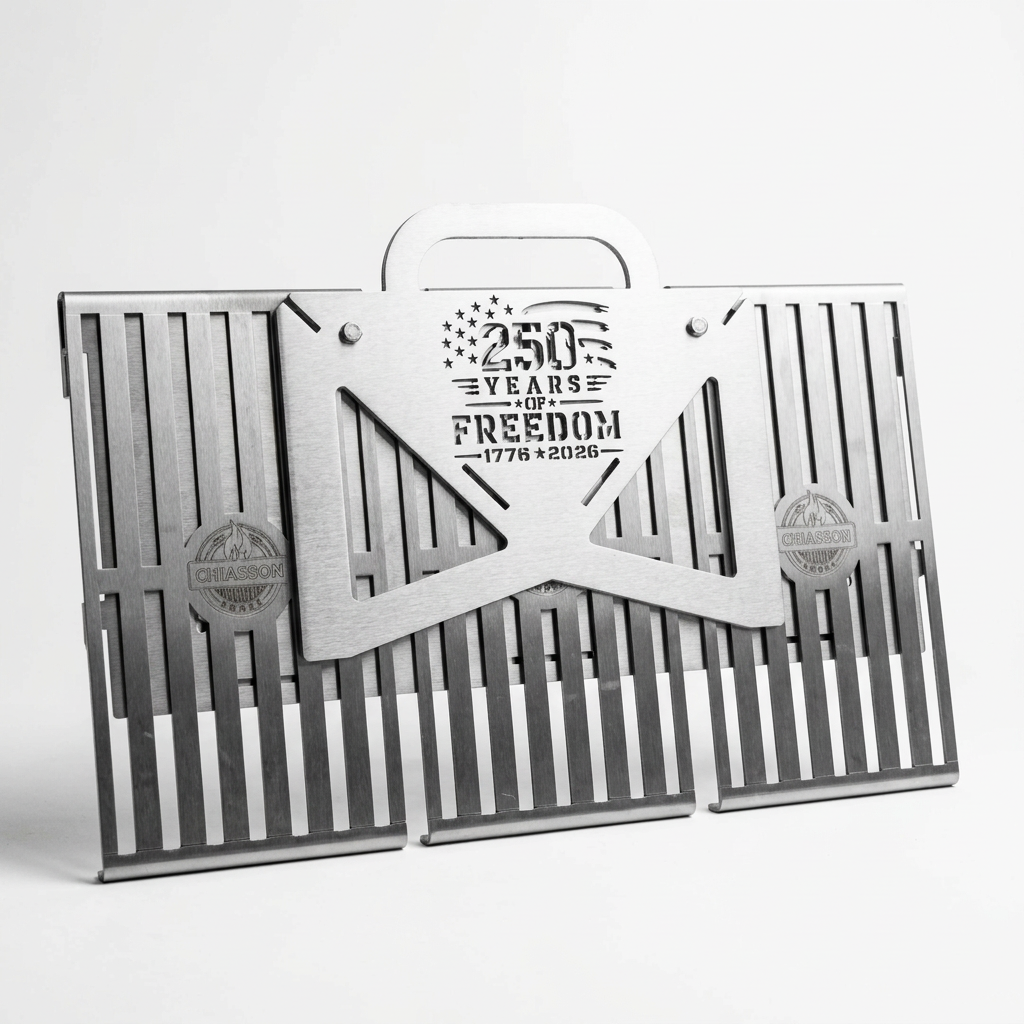
The Hauler Grill was made for people who love cooking outside but don’t want to haul around a big, bulky grill.
Its simple design packs down flat, and when you’re ready to cook, it goes together quickly with no tools needed.
Want even more ways to cook? Add one of our griddle options and make breakfast, smash burgers, fajitas, fried rice, and plenty more.