
Easy No-Cook Camping Meals
As you may know, here at Chiasson Smoke, we’re all about the outdoors. And we love whipping up some good food on the grill just as much as the next guy.
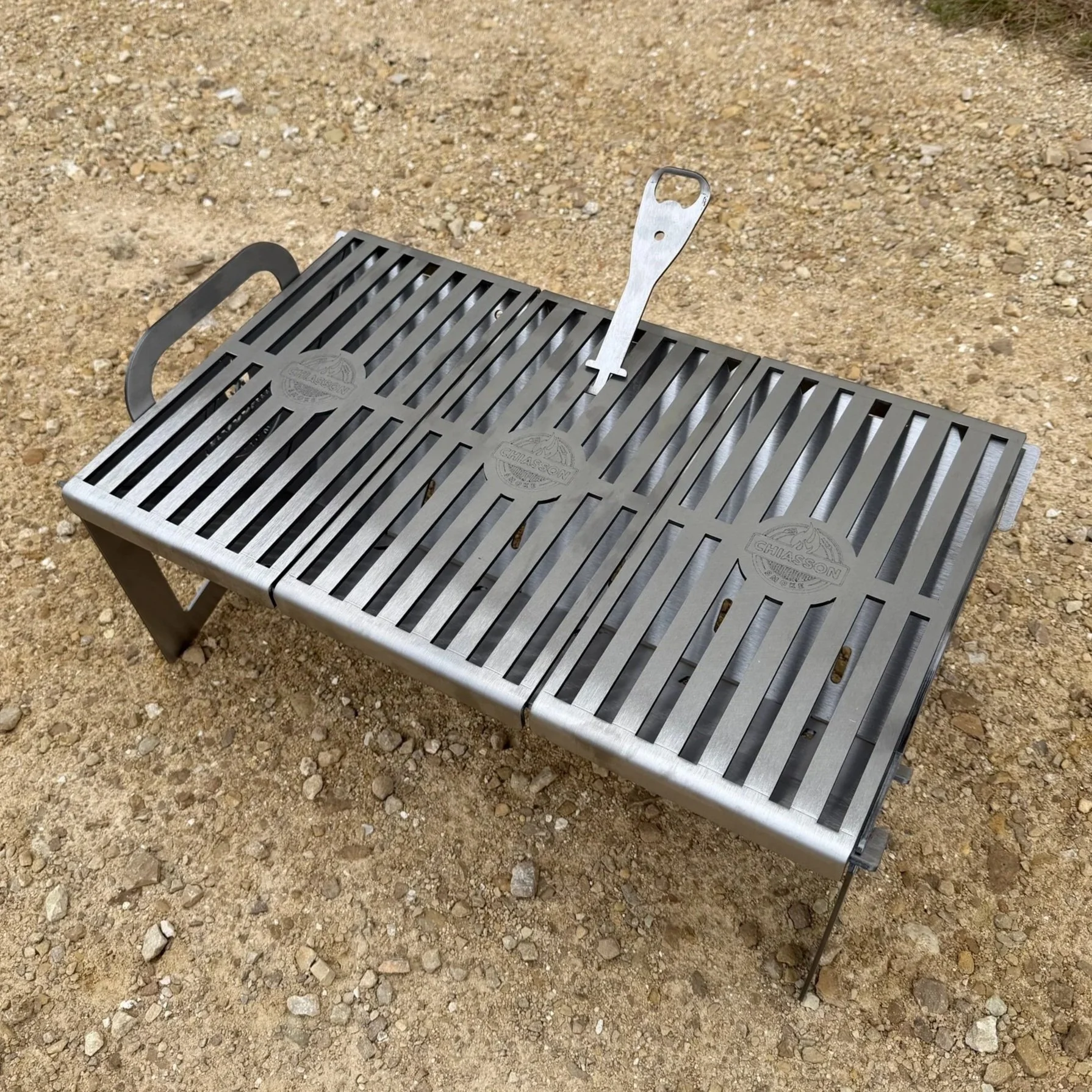
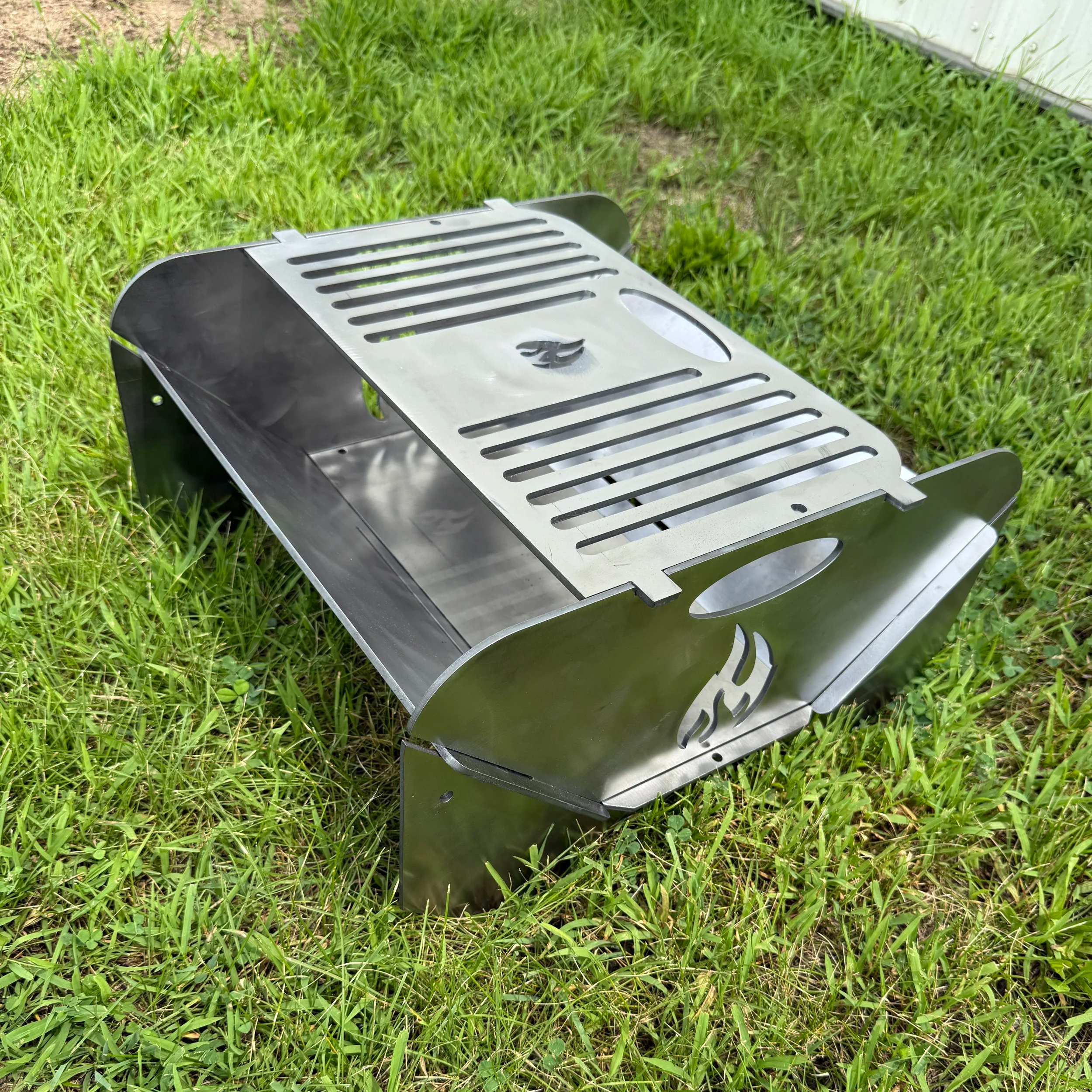
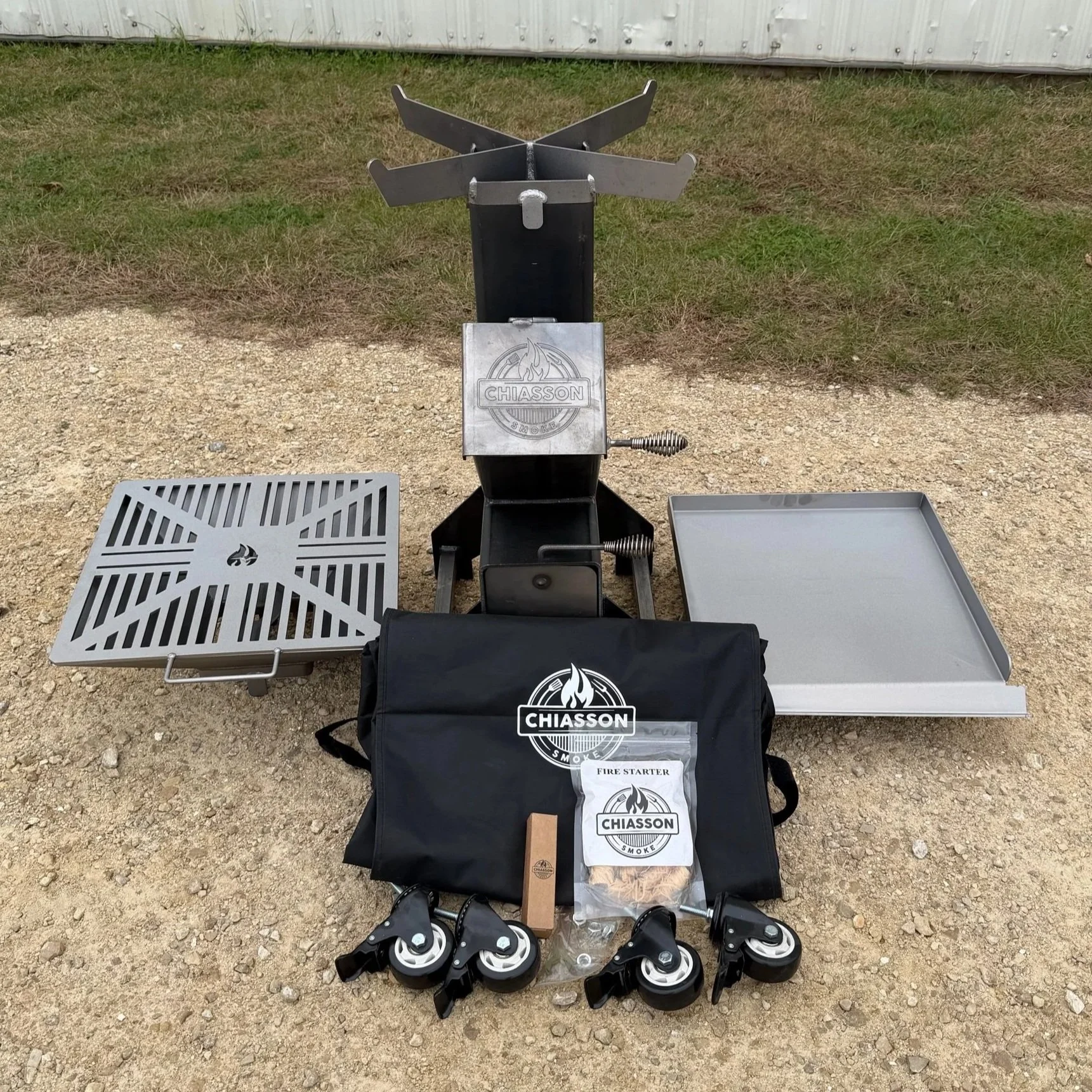
But even though cooking on a fire pit is quick and easy (especially with a Hauler grill)… There are times when you’re really crunched on time, and cooking in any form just isn’t convenient.
This guide will walk you through how to plan easy no-cook camping meals, what foods work best, and how to turn simple ingredients into meals you actually look forward to eating.
Smart Planning Makes Everything Easier
The secret to good no-cook camping meals is planning ahead. You cannot just grab random snacks and hope for the best. A little thought before the trip makes meals feel complete and satisfying.
Start by thinking about how many meals you need. Count breakfasts, lunches, dinners, and snacks. Then think about what will keep well without cooking. Some foods need a cooler, while others are fine in a dry bin.
Balance matters too. Try to include protein, carbs, and fats in each meal. This helps you feel full and keeps your energy up. A meal with just chips might taste good, but it will not last long.
No-Cook Breakfasts That Start the Day Right
Mornings at camp should be slow and peaceful. No-cook breakfasts help keep that feeling.
One easy option is overnight oats. You mix oats, milk or milk alternatives, and toppings in a jar before bed. By morning, it is soft and ready to eat. You can add fruit, nuts, seeds, or a little honey.
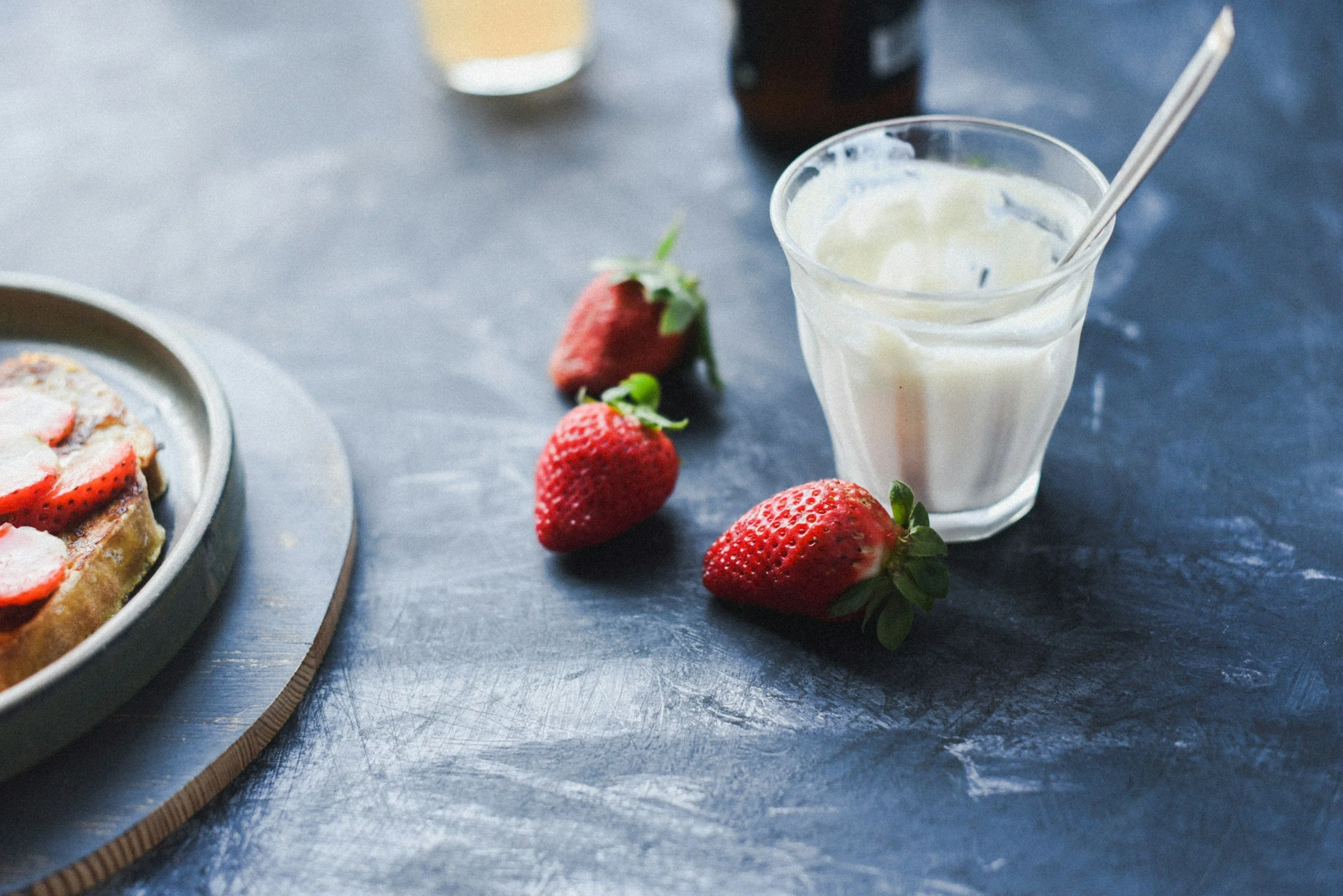
Yogurt is another great choice. Pair it with granola and fruit for a filling breakfast. Greek yogurt adds extra protein, which is helpful if you plan to hike or paddle later.
Nut butter with bread or tortillas works well too. Add sliced bananas or apples for extra flavor and crunch. This kind of breakfast is quick and easy to eat even if you are packing up camp.
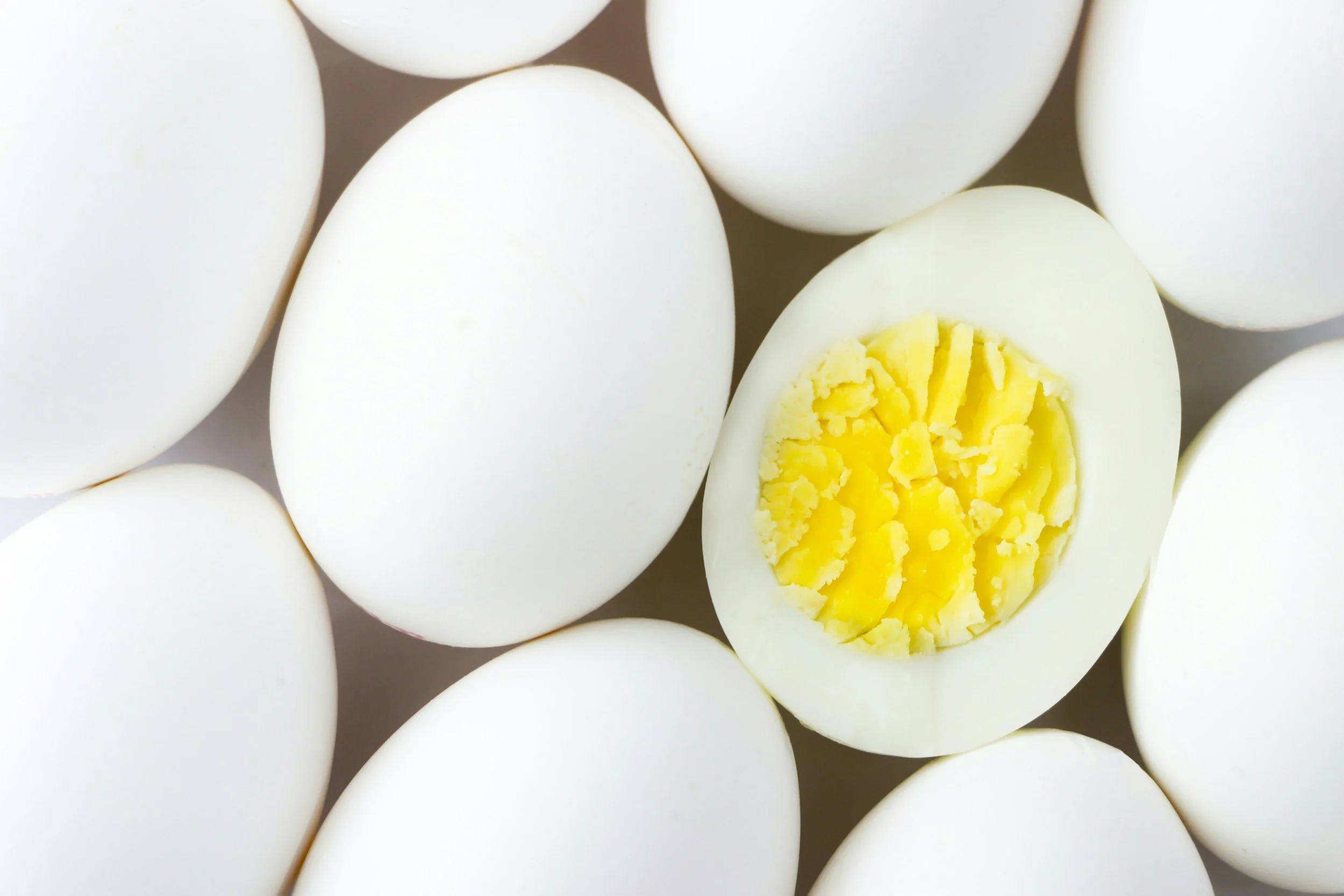
For campers who like savory food, try hard boiled eggs made at home. They keep well in a cooler and pair nicely with cheese and crackers.
Easy No-Cook Lunches for Busy Days
Lunch at camp is often eaten between activities. No-cook lunches should be simple and portable.
Wraps are a top choice. Use tortillas and fill them with deli meat, cheese, hummus, or tuna packets. Add veggies like spinach, peppers, or shredded carrots for crunch. Wraps are easy to hold and do not fall apart as easily as sandwiches.
Cold pasta salad also works well. Make it at home with cooked pasta, veggies, and dressing. It tastes even better after sitting in a cooler for a day. Pasta salad is filling and easy to scoop into bowls.
Another simple lunch idea is a snack plate. Combine cheese, cured meat, crackers, fruit, and nuts. This kind of meal feels fun and relaxed, like a picnic.
If you want something lighter, try bean salads. Canned beans mixed with olive oil, lemon juice, and spices make a protein-packed meal with no cooking needed.
No-Cook Dinners That Feel Like Real Meals
Dinner is when many campers miss hot food the most. The good news is that no-cook dinners can still feel hearty.
Cold rotisserie chicken from the store can be a lifesaver. It is fully cooked and easy to add to wraps, salads, or snack plates. Just keep it cold and eat it within a day or two.
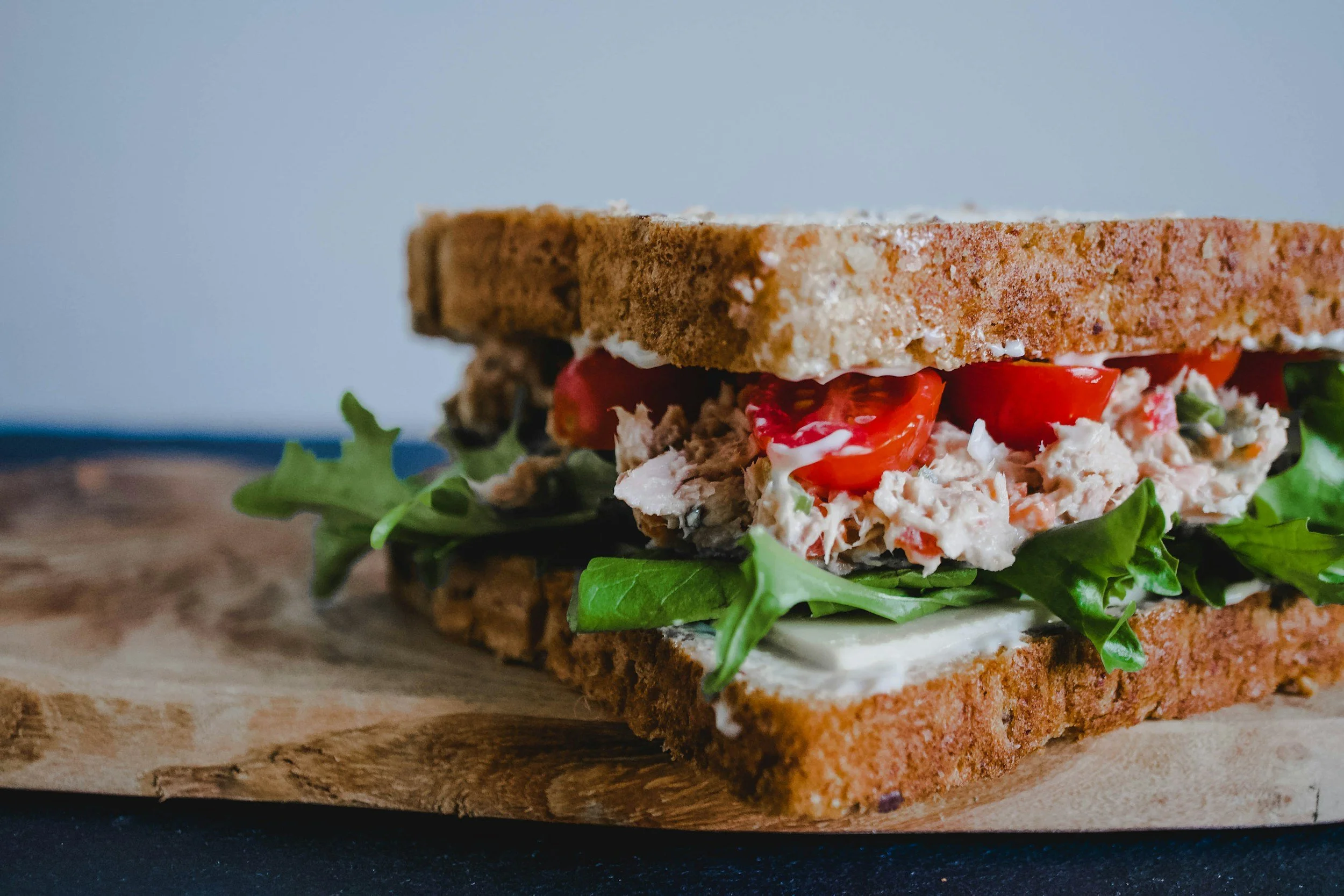
Tuna and chicken packets are also great for dinner. Mix them with mayo, mustard, or relish and eat with crackers or bread. You can even turn them into wraps for a bigger meal.
Pre-made salads from the grocery store are another easy option. Pasta salads, grain bowls, and chopped salads require no work at camp. Just open and serve.
For something different, try cold soba noodle salad. Make it at home with cooked noodles, sesame dressing, and veggies. It tastes refreshing after a warm day outside.
Snacks That Keep Energy High
Snacks are just as important as meals when camping. They help keep everyone happy between meals.
Fresh fruit like apples, oranges, and grapes are easy to pack and eat. They add hydration and natural sweetness. Dried fruit works well too and takes up less space.
Trail mix is a classic for a reason. A mix of nuts, seeds, dried fruit, and chocolate gives quick energy. You can make your own to control flavors and portions.
Protein bars and granola bars are convenient, especially on hikes. Just check labels and choose ones with good ingredients and enough protein.
Cheese sticks, jerky, and roasted chickpeas are great savory snacks that travel well and help fight hunger.
Food Safety Tips for No-Cook Camping
Food safety matters even more when you are not cooking. Keep cold foods cold and dry foods dry.
Use a good cooler with plenty of ice or ice packs. Keep it in the shade and avoid opening it too often. Pack foods you will eat first on top.
Separate raw and ready-to-eat foods at home before packing. Even though you are not cooking, you still want to avoid cross-contamination.
Wash hands or use wipes before eating. This small step goes a long way in preventing sickness.


Final Thoughts
No-cook camping meals are about freedom. Freedom from stoves, dishes, and stress. They let you spend more time hiking, relaxing, and enjoying nature.
With a little planning and creativity, you can eat well without cooking at all. From simple breakfasts to filling dinners, no-cook meals can handle it all.
The next time you pack for a trip, consider leaving the stove behind. You might find that eating cold meals under the open sky tastes better than you expected.
