
Snacks That Don’t Melt or Spoil on the Trail
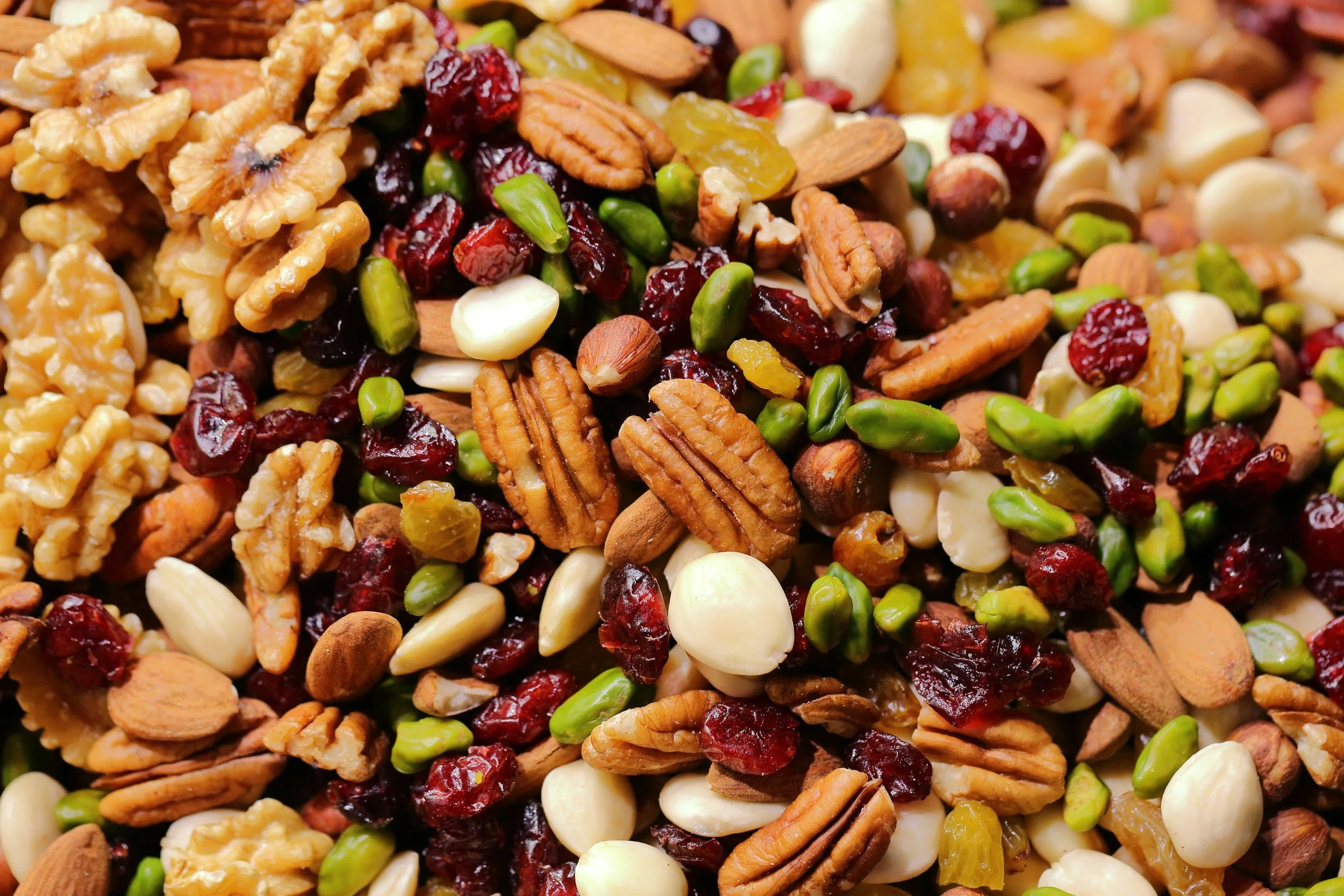
When you are out on the trail, food is more than something tasty to munch on. It is fuel. It keeps your legs moving, your brain sharp, and your mood steady when the miles start to stack up. A bad snack choice can turn a great hike into a sticky, smelly, or disappointing mess. Melted chocolate, crushed bread, or food gone sour in the heat can ruin your appetite and waste space in your pack.
The best trail snacks are tough. They can handle heat, cold, bumps, and time. They do not need a fridge. They do not turn into soup in your pocket. They also taste good enough that you actually want to eat them when you are tired and hungry. Finding that balance is the secret to happy hiking.
This article walks through snack ideas that hold up on the trail and still feel like a reward. These foods are simple, reliable, and made for real adventures.
What Makes a Snack Trail Safe
Before talking about specific foods, it helps to know what makes a snack work outdoors. Trail safe snacks usually share a few key traits.
First, they are low in moisture. Foods with lots of water spoil faster because bacteria love moisture. Dry foods last longer and weigh less too.
Second, they are stable in heat. A snack that melts at warm temperatures is a gamble unless you enjoy cleaning goo out of your bag. Heat stable foods stay solid and pleasant even on hot days.
Third, they are sturdy. Trail snacks get squished. They sit at the bottom of packs. They get leaned on during breaks. A good snack can survive all of that.
Finally, they are filling. Snacks with protein, fat, or fiber keep you going longer than pure sugar. A steady burn beats a fast spike when you are miles from the car.
With those ideas in mind, choosing snacks becomes much easier.
Nuts and Seeds That Go the Distance
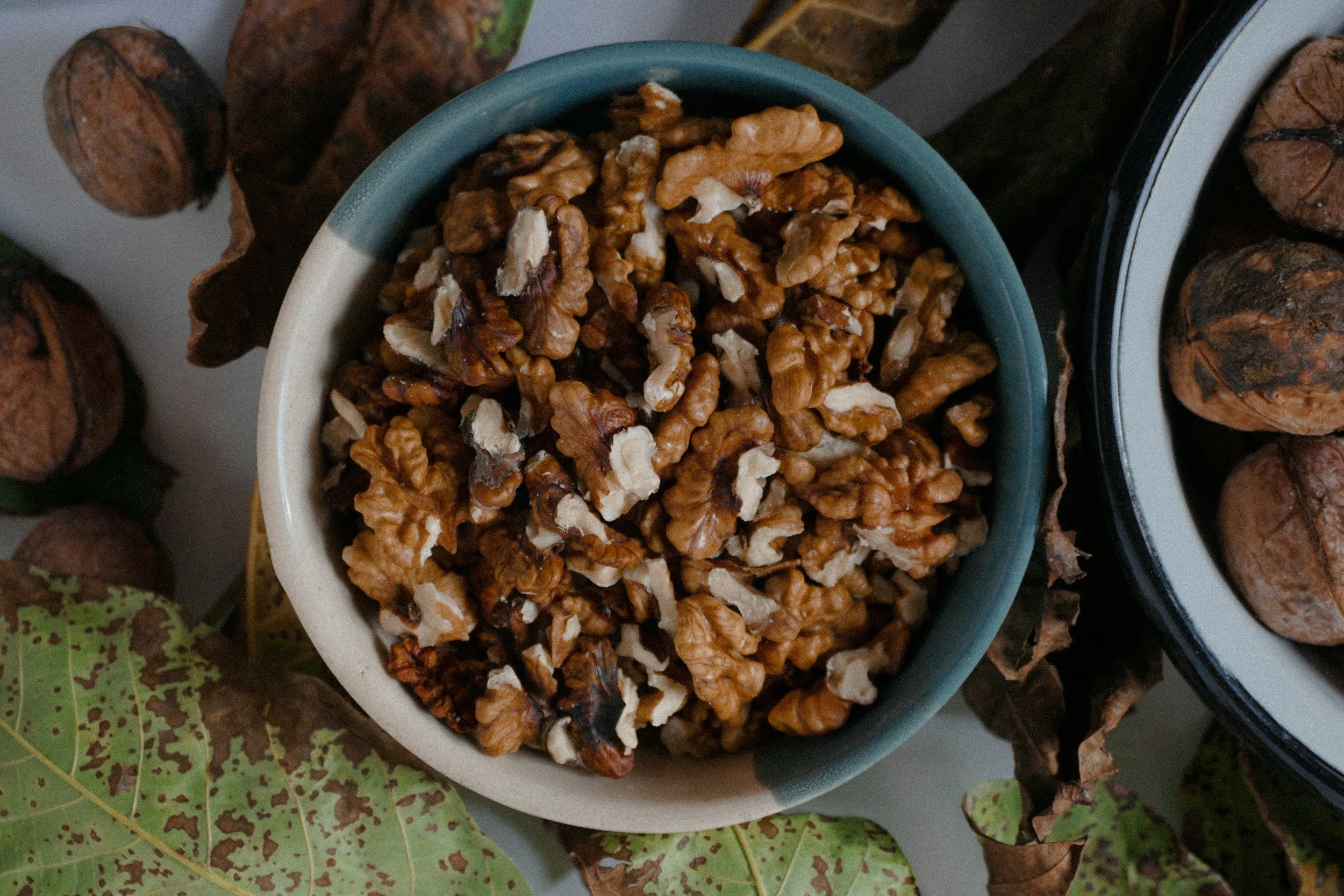
Nuts and seeds are trail classics for a reason. They are dry, compact, and packed with energy. Almonds, peanuts, cashews, walnuts, and pecans all hold up well in most conditions. Seeds like pumpkin, sunflower, and sesame add variety and crunch.
Roasted nuts last longer than raw ones and taste richer too. Lightly salted versions help replace salt lost through sweat. Just avoid nuts coated in chocolate or yogurt because those coatings melt fast.
Trail mix made with plain nuts, seeds, and maybe some dried fruit is one of the most reliable snacks you can carry. It does not care if it is hot or cold. It does not crush easily. It can be eaten by the handful without stopping your stride.
Dried Fruit
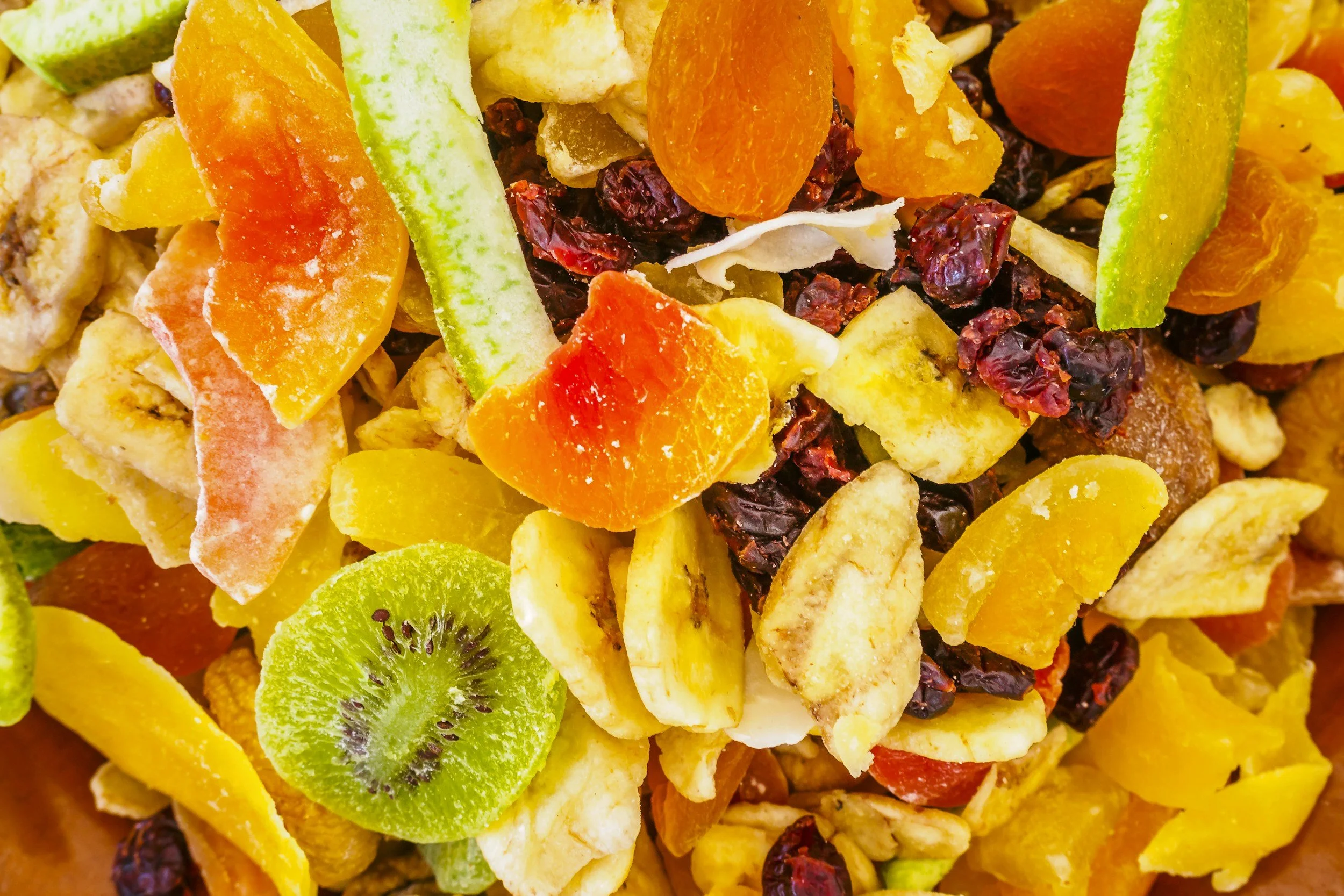
Fresh fruit is refreshing, but it bruises and spoils quickly. Dried fruit solves that problem. Apples, bananas, mangoes, pineapple, apricots, and raisins all travel well when dried.
Dried fruit is naturally sweet and gives quick energy. It also pairs well with nuts to balance sugar with fat and fiber. Look for dried fruit without added sugar or sticky syrups. Simple is better on the trail.
Some dried fruits are chewier than others, which can be a bonus. Chewing slows you down just enough to enjoy the snack and feel full. Just remember to drink water since dried fruit has little moisture.
Jerky and Meat
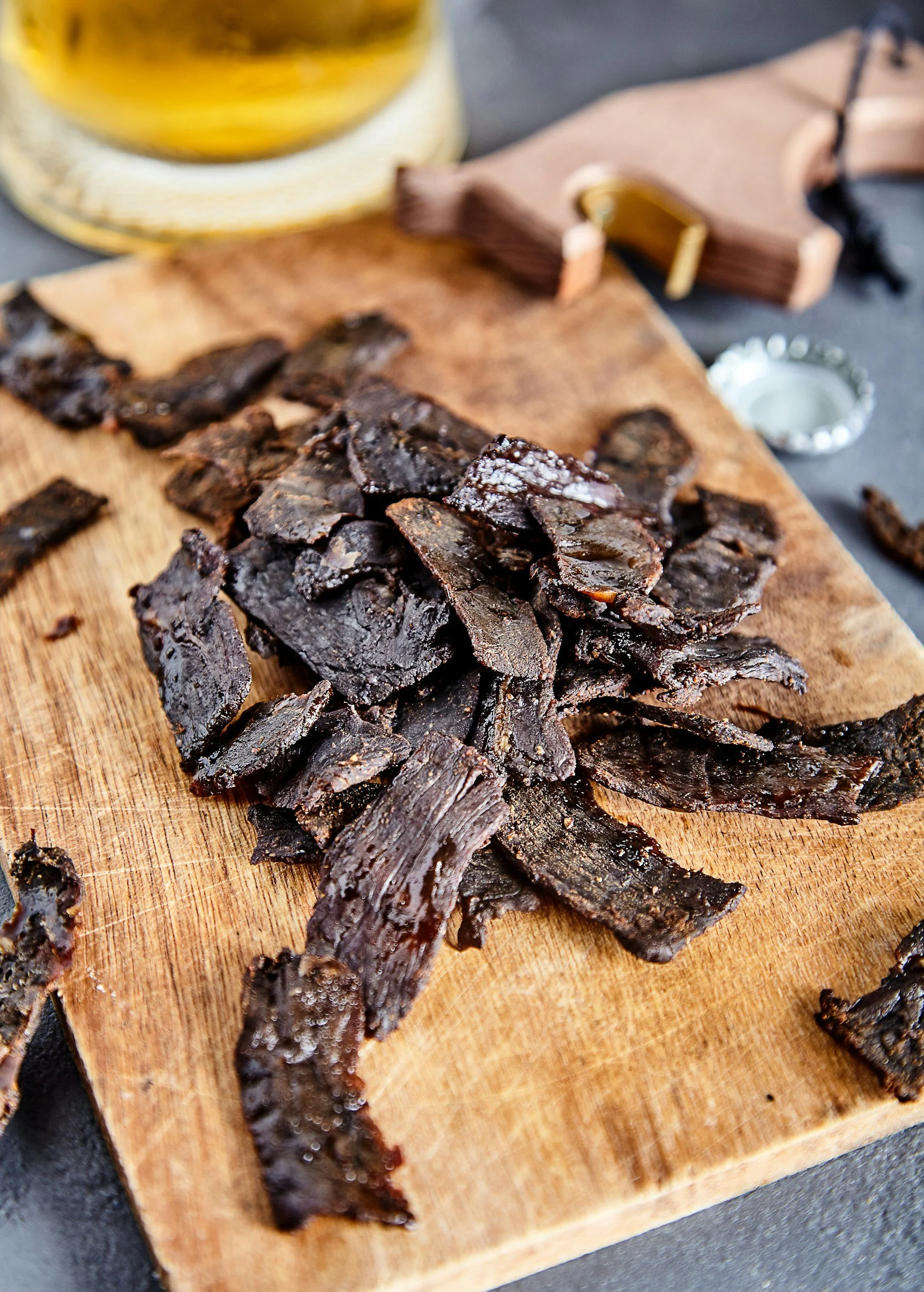
Jerky is one of the toughest snacks around. Beef, turkey, bison, and even salmon jerky can last for days without refrigeration when properly dried. It does not melt. It does not crumble. It delivers protein that helps muscles recover and keeps hunger away.
Modern jerky comes in many flavors, from smoky to spicy to sweet. Choose versions with lower sugar if possible, especially in hot weather. Sugar can get sticky when warm.
Meat sticks and dried sausages are another solid option. Many are shelf stable and wrapped tightly to keep air out. They are easy to eat during breaks and feel like a real meal when you need one.
Crackers
Not all crackers survive the trail, but some do very well. Dense crackers made from whole grains tend to hold up better than thin, flaky ones. Rye crackers, flatbreads, and crispbreads are strong and filling.
These snacks are great on their own or paired with nut butter packets or hard cheese. They give that satisfying crunch that many hikers miss when living on soft foods.
Keep crackers in a firm container or slide them between flat items in your pack to protect them. Even if a few break, they are still tasty and usable.
Hard Cheeses
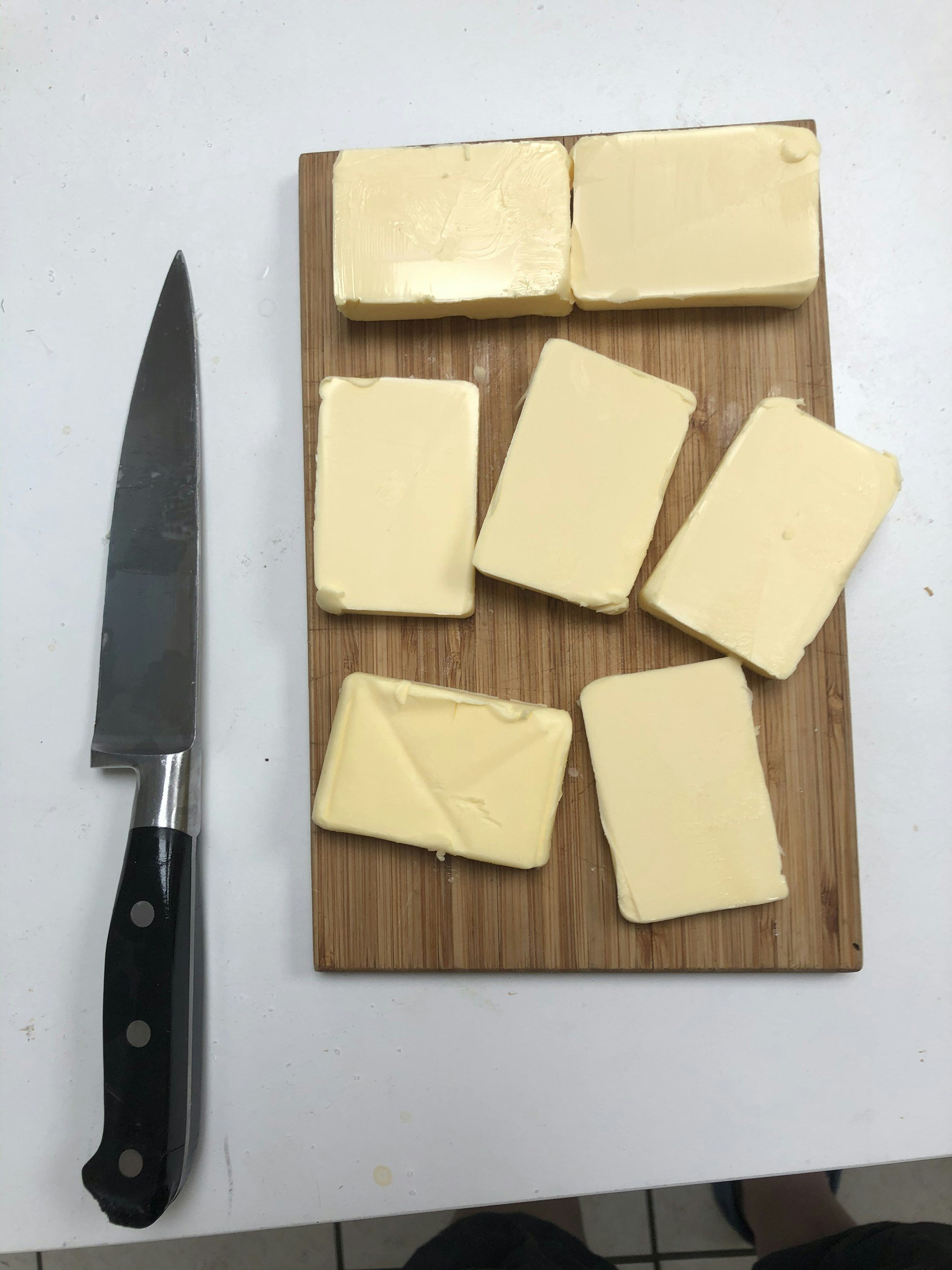
It might surprise you, but some cheeses do fine without refrigeration for a while. Hard cheeses like cheddar, parmesan, gouda, and manchego are low in moisture and salt cured. That makes them more stable than soft cheeses.
Wrapped tightly and kept out of direct sun, hard cheese can last a full day or more on the trail. It may sweat a little in the heat, but it stays safe and delicious.
Cheese adds fat and protein, making snacks feel more satisfying. Pair it with crackers or nuts for a simple trail feast that feels fancy compared to bars and mixes.
Energy Bars
Not all energy bars are created equal. Some turn into goo when warm. Others get rock hard in cold weather. The best trail bars are balanced and simple.
Look for bars without chocolate coatings or soft fillings. Bars based on oats, nuts, and seeds tend to hold their shape better. Protein bars designed for heat stability are also a good choice.
Test bars at home before relying on them. Leave one in a warm place for a few hours and see what happens. If it survives that, it will probably survive your hike.
Roasted Chickpeas and Crunchy Beans
Roasted chickpeas, lentils, and other beans are rising stars in the snack world. They are crunchy, savory, and full of protein and fiber. Most are roasted until dry, which makes them shelf stable and sturdy.
These snacks do not melt or spoil easily and add variety to trail food. They feel different from nuts while offering similar benefits. Spiced versions can be especially satisfying on long days.
Just check packaging to make sure they are fully dried and not lightly roasted. Crunchy is the goal.
Tortillas
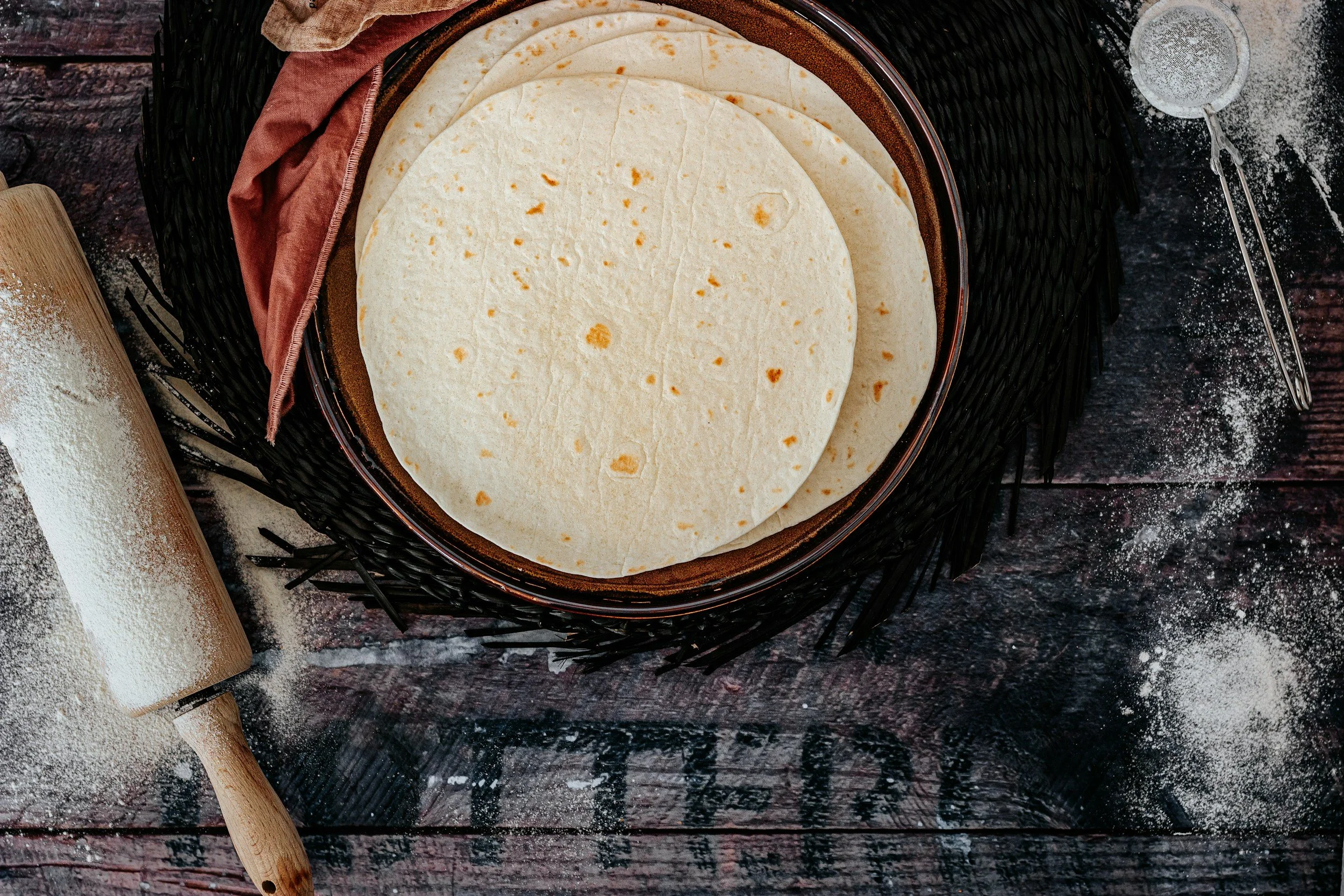
Bread is tricky on the trail. It squishes and dries out. Tortillas are a better option. Flour tortillas in particular are tough and flexible.
They can wrap around nut butter, cheese, or jerky to create quick trail meals. They do not crumble like crackers and take up little space.
Corn tortillas are more fragile, but thicker ones can work if packed carefully. Either way, tortillas give you options beyond handful snacks.
Chocolate
Chocolate lovers know the struggle of melted bars in warm weather. While dark chocolate melts at a higher temperature than milk chocolate, it can still turn soft. That’s great if you’re making dessert, but it’s not ideal while hiking.
One option is chocolate flavored snacks that use cocoa powder without a solid chocolate base. Cocoa dusted nuts or snack clusters can satisfy cravings with less mess.
Another option is to save chocolate for cooler hikes and choose other treats when it is hot. Sometimes the best trail snack is the one that does not stress you out.
Instant Foods That Only Need Water
Some snacks are not ready to eat but still work well on the trail. Instant oatmeal packets, instant soup, and dehydrated hummus just need water.
These foods do not spoil because the moisture is removed. They are light and compact. If you have a stove or cold soak container, they turn into warm or filling snacks with little effort.
These options are especially helpful on longer trips where variety keeps morale high.
How to Pack Snacks So They Last
Even the best snacks need smart packing. Heat and pressure are the main enemies. Use resealable bags or small containers to keep foods dry and clean.
Store snacks you will eat later deeper in your pack, away from direct sun. Keep daily snacks accessible so you are not digging around and crushing things.
Rotate snacks often. Eat older items first and refresh your supply regularly. Trail snacks may last a long time, but fresher always tastes better.
Listening to Your Body on the Trail
The perfect snack list means nothing if it does not work for you. Everyone’s body responds differently to food. Some people need more salt. Others need more protein. Some prefer frequent small snacks, while others like fewer, bigger ones.
Pay attention to how you feel after eating certain foods. If something leaves you sluggish or thirsty, adjust next time. Trail nutrition is personal, and experience is the best teacher.
Trying new snacks on short hikes helps avoid surprises on longer trips. What works at home may feel different when you are climbing hills all day.
Simple Snacks Make Better Adventures
Trail snacks do not need to be fancy. The best ones are simple, tough, and satisfying. They survive heat, bumps, and time without turning into a mess. They give steady energy and something to look forward to during breaks.
By choosing snacks that do not melt or spoil, you spend less time worrying about food and more time enjoying the trail. Whether you are hiking for an hour or a week, good snacks keep the adventure moving forward.
The next time you pack your bag, think like the trail. Choose foods that can handle whatever the day brings. Your future self, hungry and miles from anywhere, will thank you.

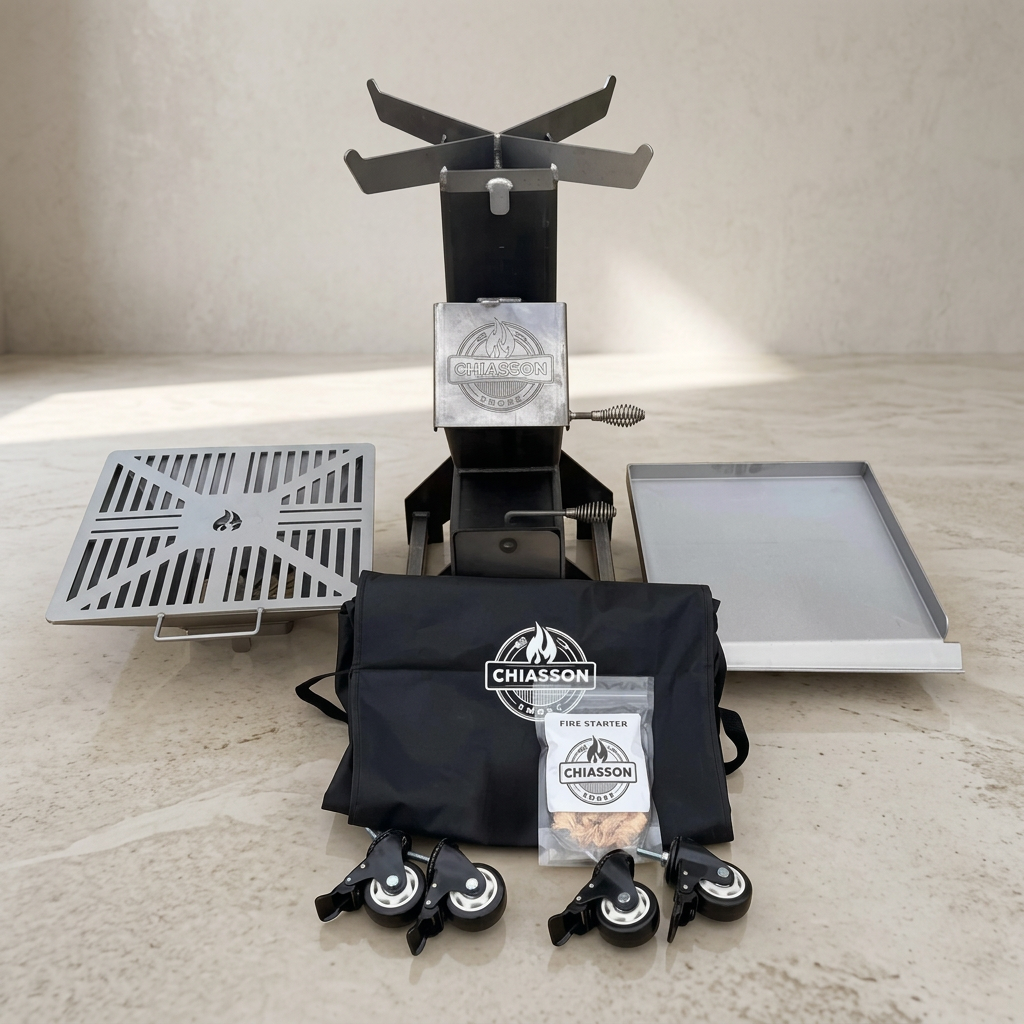
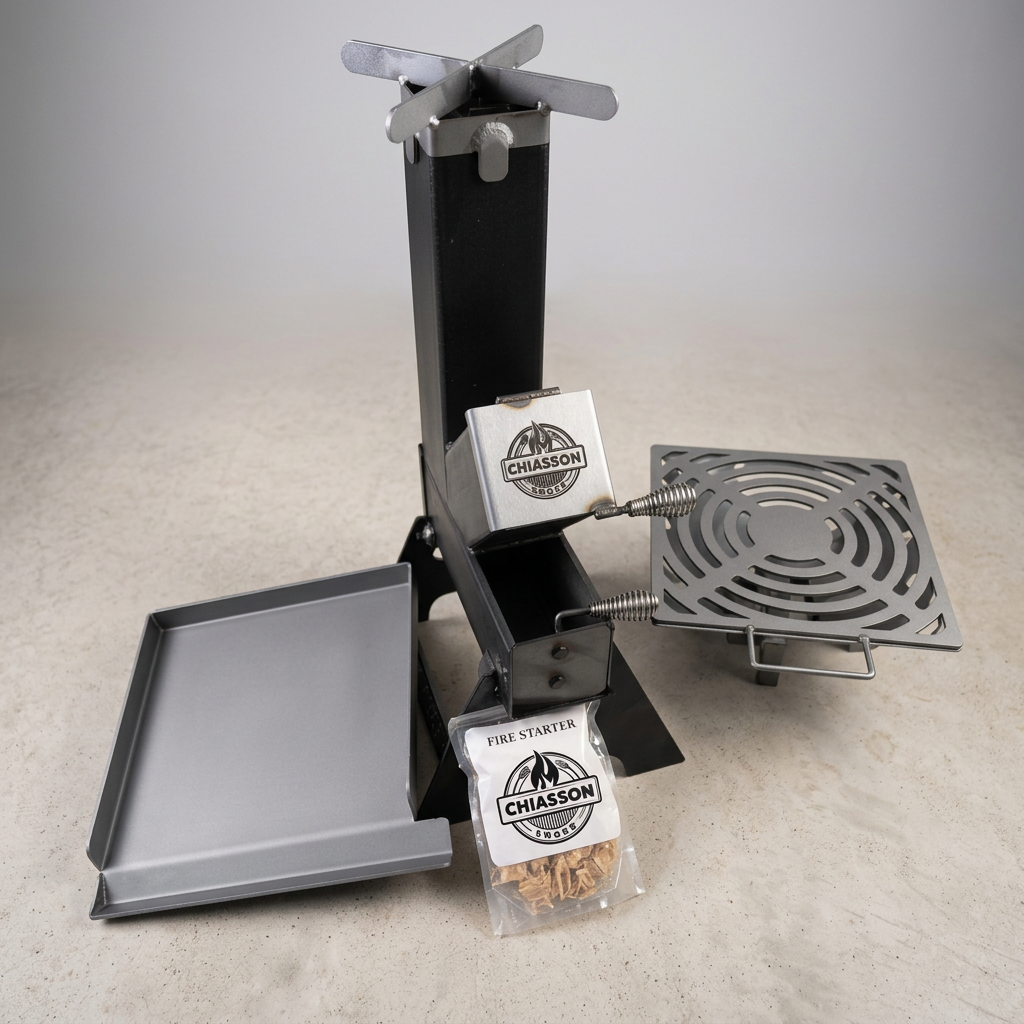
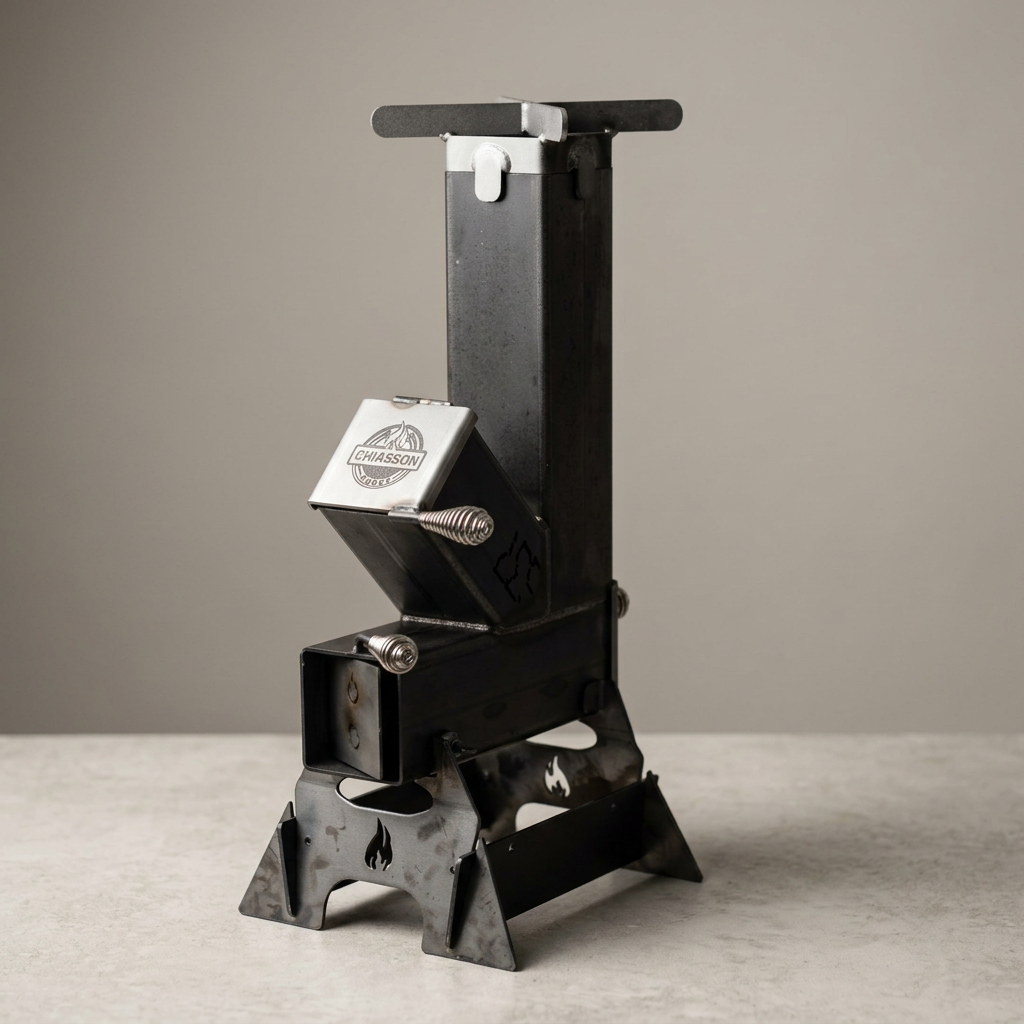
The Hauler Grill was made for people who love cooking outside but don’t want to haul around a big, bulky grill.
Its simple design packs down flat, and when you’re ready to cook, it goes together quickly with no tools needed.
Want even more ways to cook? Add one of our griddle options and make breakfast, smash burgers, fajitas, fried rice, and plenty more.