
How to Keep Food Safe While Camping
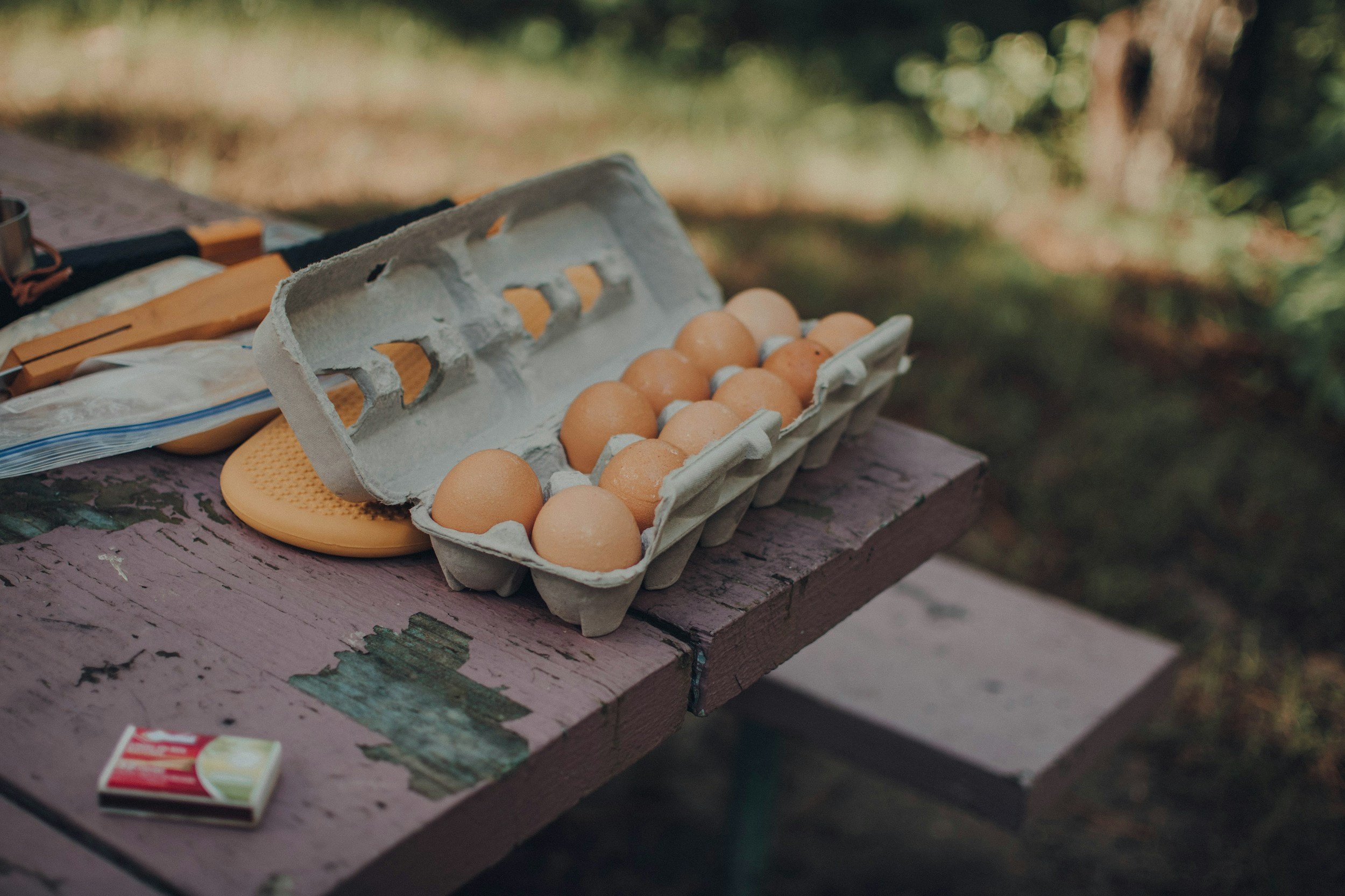
Let’s be honest—nothing can ruin a good camping trip faster than a bad case of food poisoning. Out in the wild, you don’t have a fridge humming in the background or a sink full of hot soapy water waiting for dirty dishes.
Still, keeping your food safe while camping isn’t as hard as it sounds. With a little planning and some smart habits, you can enjoy every meal without worrying about making yourself—or anyone else—sick.
The Basics: Why Food Safety Matters Outdoors
When you’re at home, you have a lot of safety nets: clean counters, a working refrigerator, and maybe even a dishwasher. Out in nature, those safety nets are gone. Bacteria that cause foodborne illnesses—like salmonella, E. coli, and listeria—grow fastest in warm, moist environments, which describes most campgrounds in summer.
That’s why being careful isn’t just about being neat; it’s about keeping everyone healthy. You don’t want to spend your weekend in a tent feeling miserable because the chicken sat out too long.
Think of food safety and clean cookware as part of your camping checklist—just as important as bug spray or a sleeping bag.
Plan Before You Pack
Good food safety starts before you ever leave the driveway. Planning your meals ahead of time saves space, cuts down on waste, and helps you stay organized. Plus, it gives you a chance to think about which foods travel best and which ones need extra care.
Start by making a list. Group your foods into three categories: perishable (like meat, eggs, and dairy), semi-perishable (like fruits and vegetables), and nonperishable (like canned goods, nuts, and pasta). Then plan how you’ll store each one.
If your trip is short—say, one or two nights—you can safely pack a few more perishable items. For longer trips, rely more on foods that don’t need refrigeration. You can also prep meals at home before you go. Chop vegetables, marinate meat, or cook pasta ahead of time and store them in airtight containers or vacuum-sealed bags. The less handling you do at camp, the safer your meals will be.
Pack Smart, Not Just Full
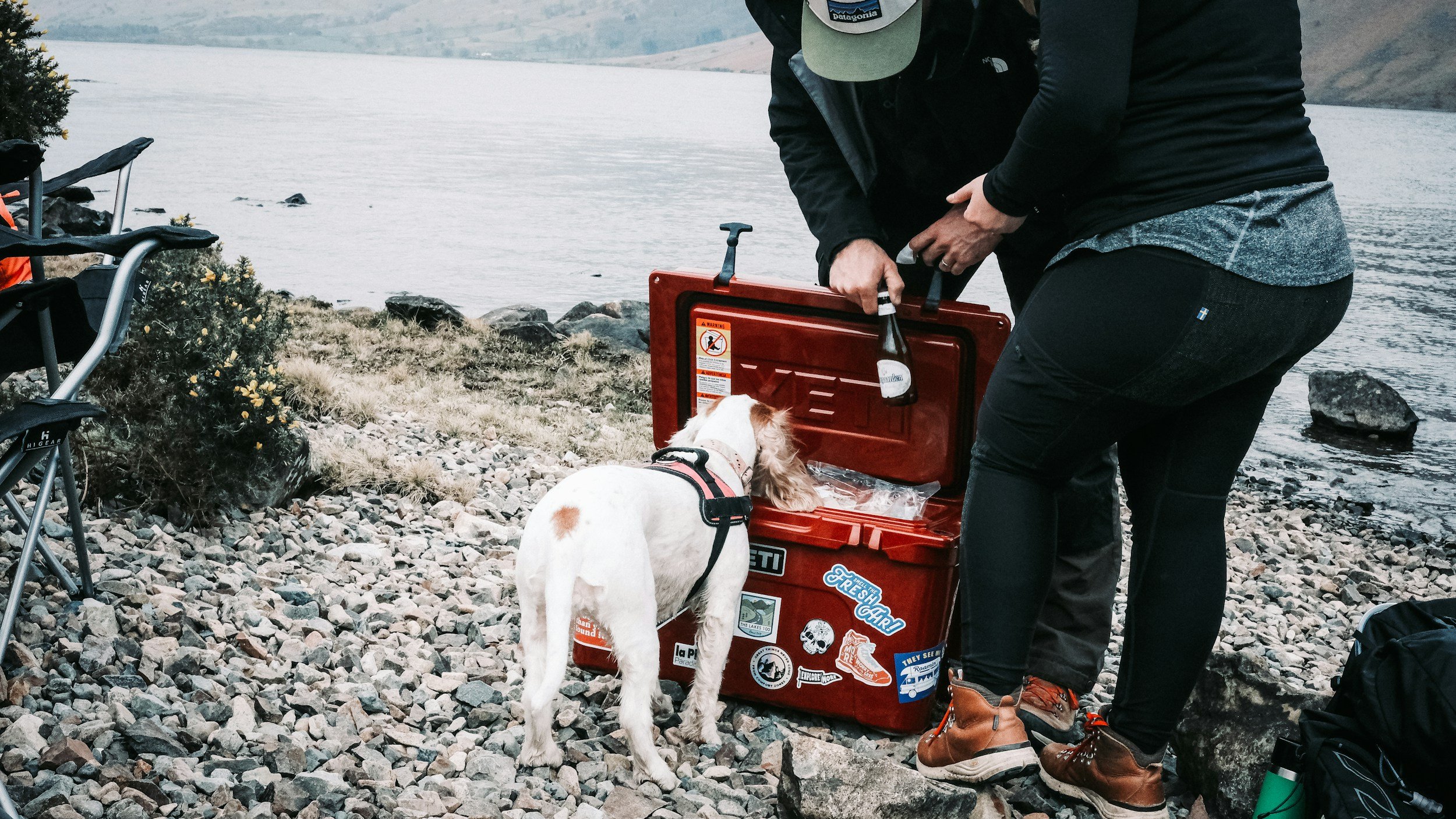
How you pack your cooler can make or break your camping kitchen. You want your cold food to stay below 40°F the entire time. That means using enough ice—and packing it the right way.
Start with a clean cooler. Wash it out with warm, soapy water and rinse it well before adding food. Then, create layers. Put a block of ice or frozen water bottles at the bottom. Frozen bottles are great because they keep food cold and double as drinking water once they melt. Next, add raw meats in sealed bags or containers so their juices can’t leak onto anything else. Above that, pack your ready-to-eat items like cheese, fruit, and condiments.
Try not to open the cooler too often. Every time you lift the lid, warm air rushes in. Keep drinks in a separate cooler so your food cooler stays cold longer. And when you arrive at your campsite, store your coolers in the shade or under a picnic table—not in direct sunlight.
Keep It Clean
Cleanliness might not sound exciting when you’re talking about camping, but it’s one of the most important parts of keeping your food safe. Even if you’re surrounded by dirt and leaves, your hands and cooking tools shouldn’t be.
Always wash your hands before preparing or eating food. If you don’t have access to running water, bring hand sanitizer or use a jug of clean water and biodegradable soap. Paper towels are your best friend—easy to use, easy to toss.
Keep one cutting board for raw meat and another for fruits, vegetables, or cooked food. Never reuse the same utensils or plates for cooked and raw items. Cross-contamination is sneaky—it’s how bacteria from raw meat ends up on your sandwich without you realizing it.
You can also pack a small wash station: two tubs, one with soapy water and one with clean rinse water. It’s simple, and it keeps your gear from turning into a science experiment.
Always make sure to keep your outdoor area clean. Even if it means a little extra work, you’ll save yourself a lot of trouble in the long run!
Cook Like a Pro (Even Outdoors)
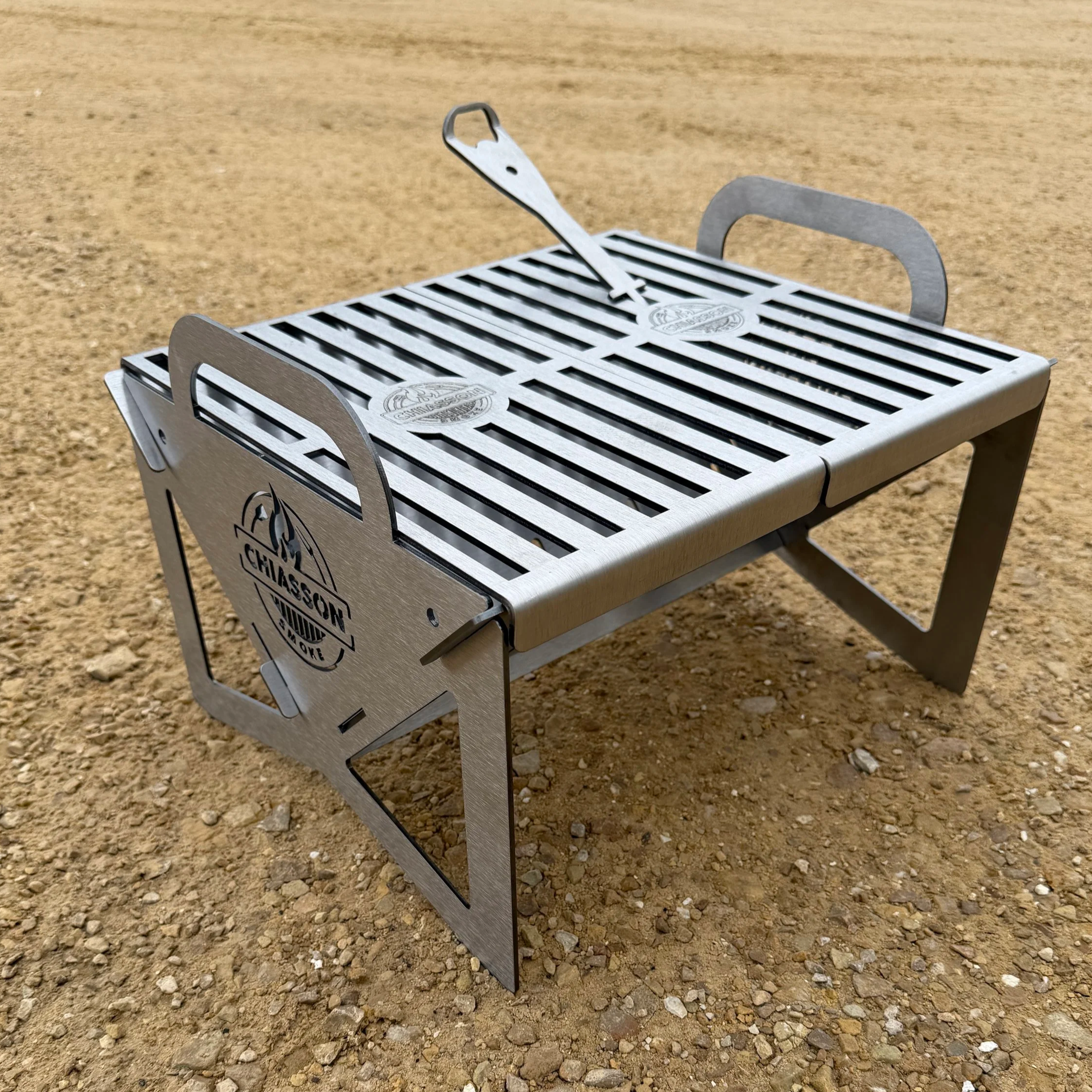
Cooking in the great outdoors doesn’t mean guessing whether your food is done. Just because it looks brown or smells good doesn’t mean it’s safe. Use a food thermometer if possible. They’re small, lightweight, and they take the guesswork out of cooking.
Here are a few safe temperatures to remember:
Chicken: 165°F
Ground beef: 160°F
Whole cuts of beef, pork, or lamb: 145°F (and let it rest for a few minutes)
Fish: 145°F
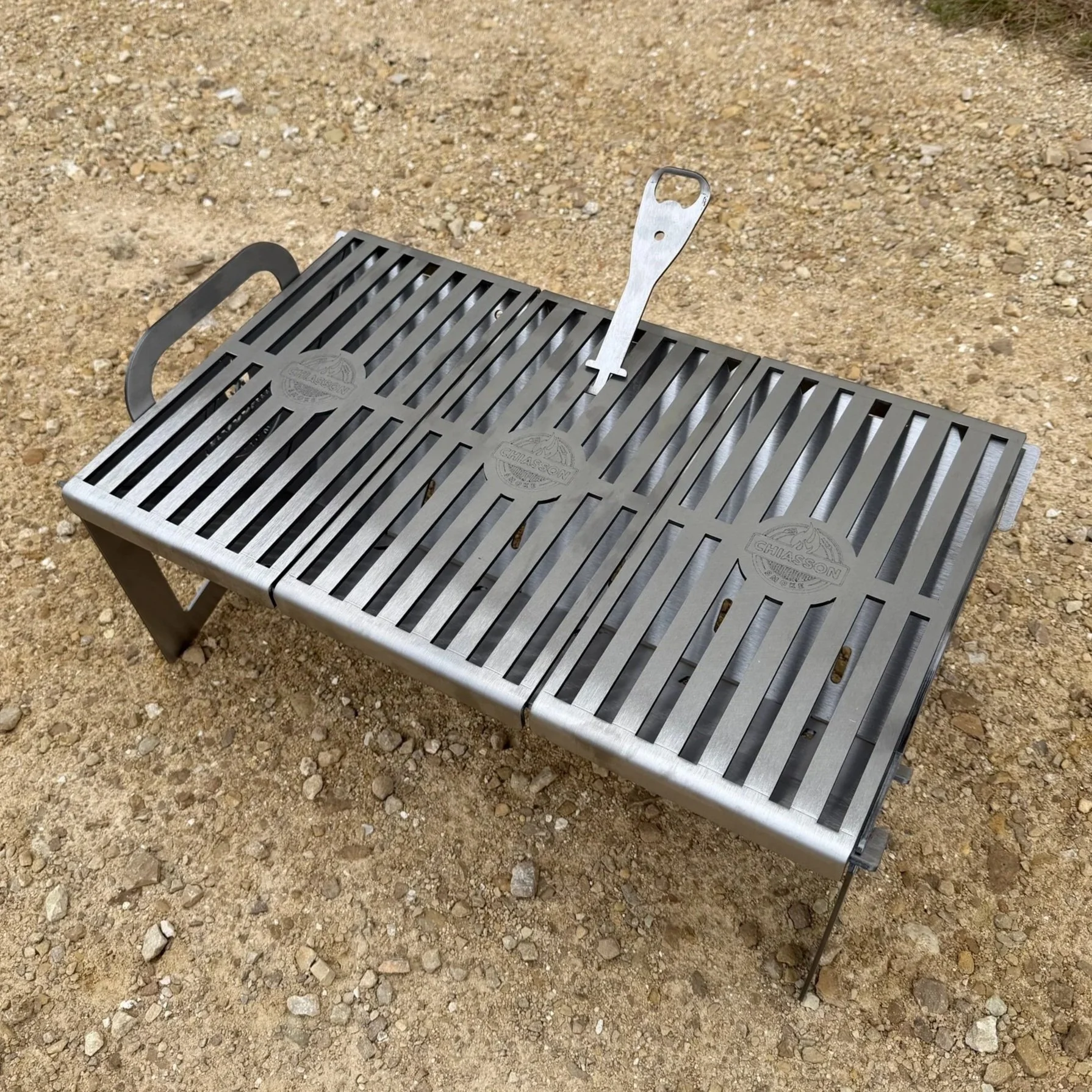
When grilling, make sure the heat is evenly distributed. Flip food often so it cooks thoroughly. And never partially cook food at home and finish it later at the campsite—bacteria can grow in that in-between time.
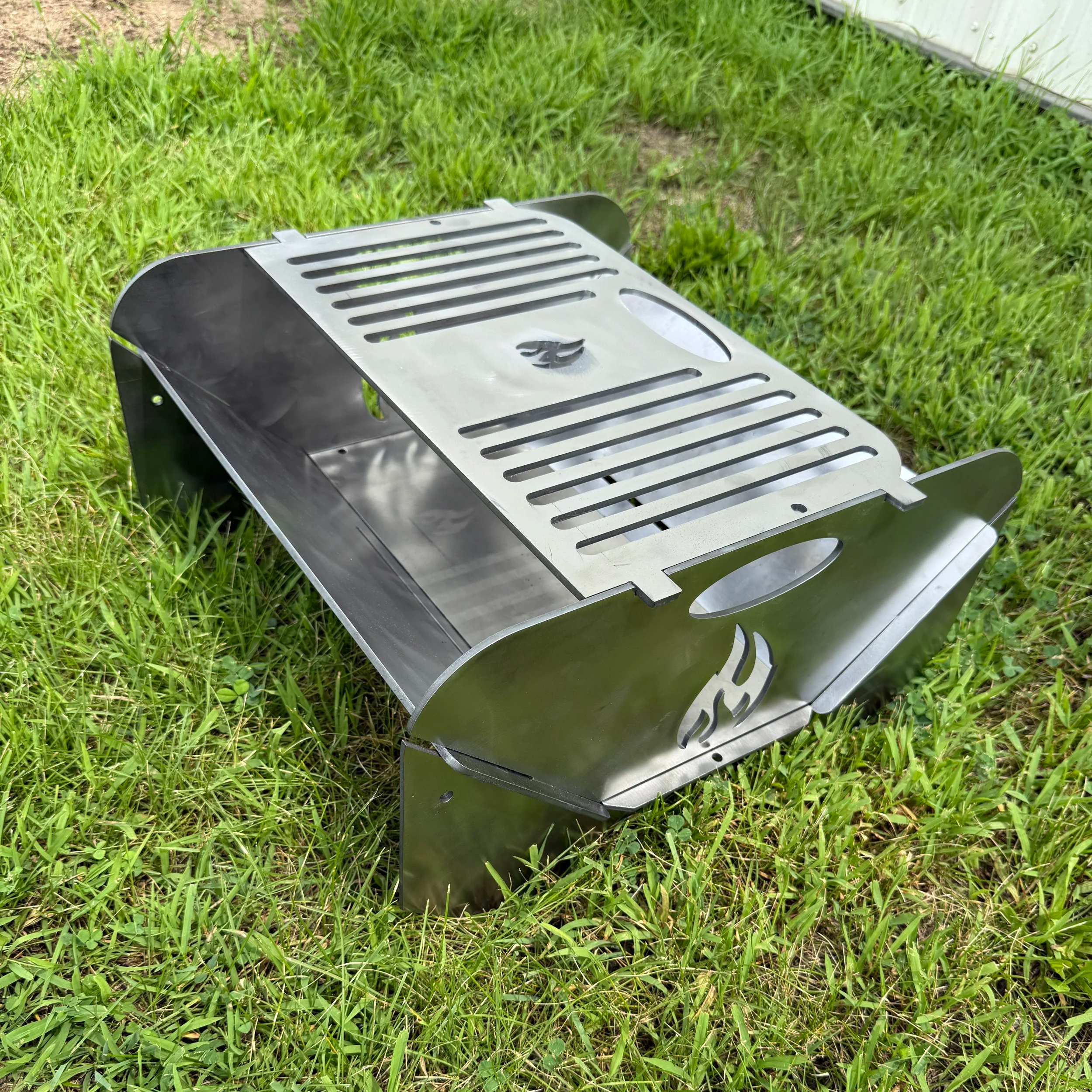
If you’re cooking over a campfire, pay attention to where your food sits. Flames can make the outside look done while the inside is still raw. Keep the heat steady by using coals rather than open flames when possible.
If you don’t have access to a thermometer, there are a few tricks you can use to tell if the food is fully cooked. Take a look at our writeup on the topic.
Store Leftovers Carefully
Leftovers can be a great way to save food and money, but only if you handle them safely. Food shouldn’t sit out for more than two hours—or just one hour if the temperature is above 90°F. That’s not long, so plan ahead.
As soon as everyone’s done eating, pack up what’s left in airtight containers and return it to the cooler. If you’re unsure how long something’s been sitting out, play it safe and toss it. It’s better to waste a little food than to spend the night regretting it.
When in doubt, use the old rule: “Keep it cold, keep it hot, or throw it out.”
Beware of Wild Guests
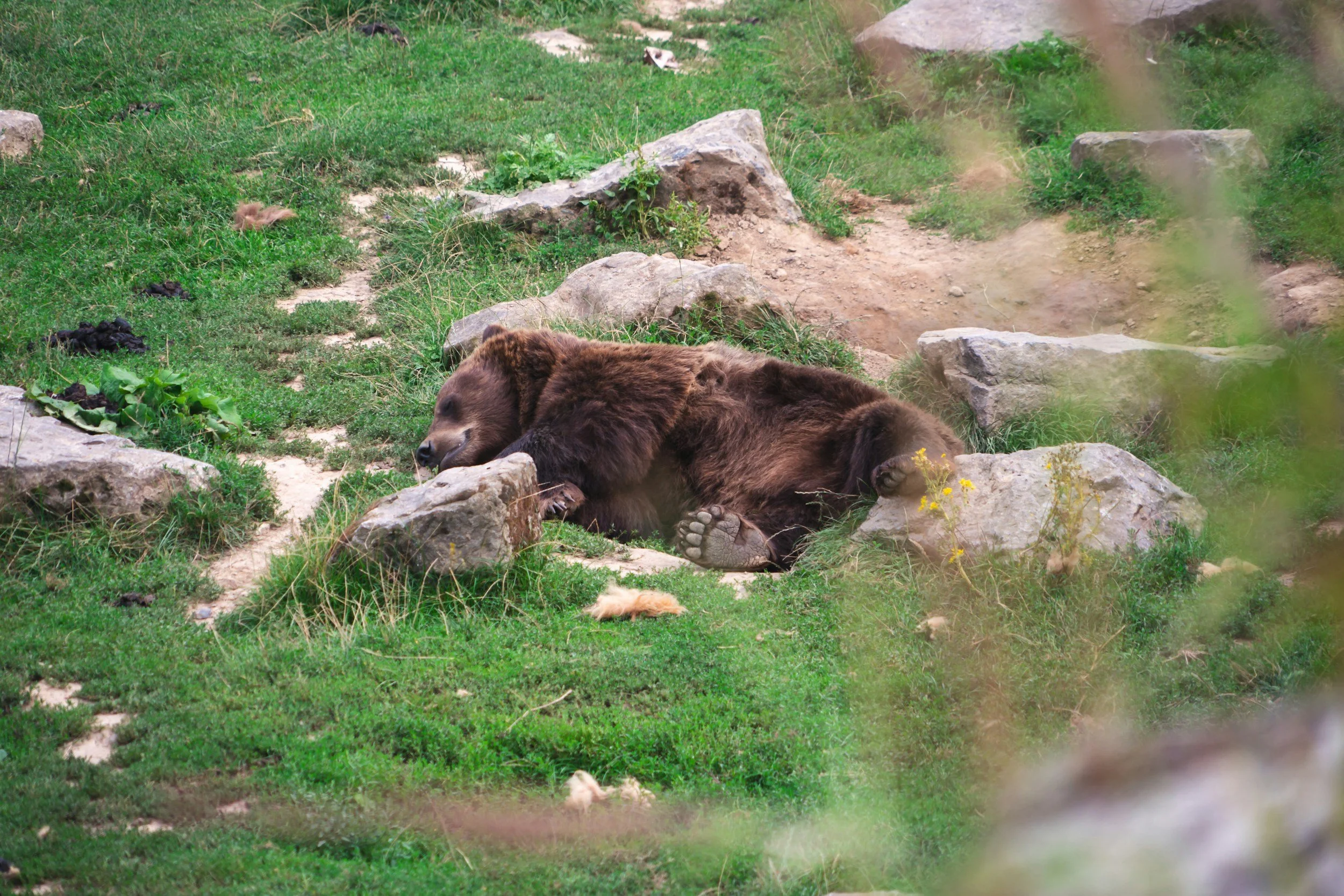
Nature is full of curious animals—and your food smells like an invitation. Keeping food safe isn’t just about preventing bacteria; it’s also about keeping wildlife out of your supplies.
Store all food and trash in sealed containers. Never leave coolers or snacks unattended, even for a few minutes. At night, lock your food in your vehicle or use a bear-proof box if the campground provides one. If you’re backpacking in bear country, hang your food in a bear bag 10 feet off the ground– ideally more– and keep it 4 feet away from any tree trunk.
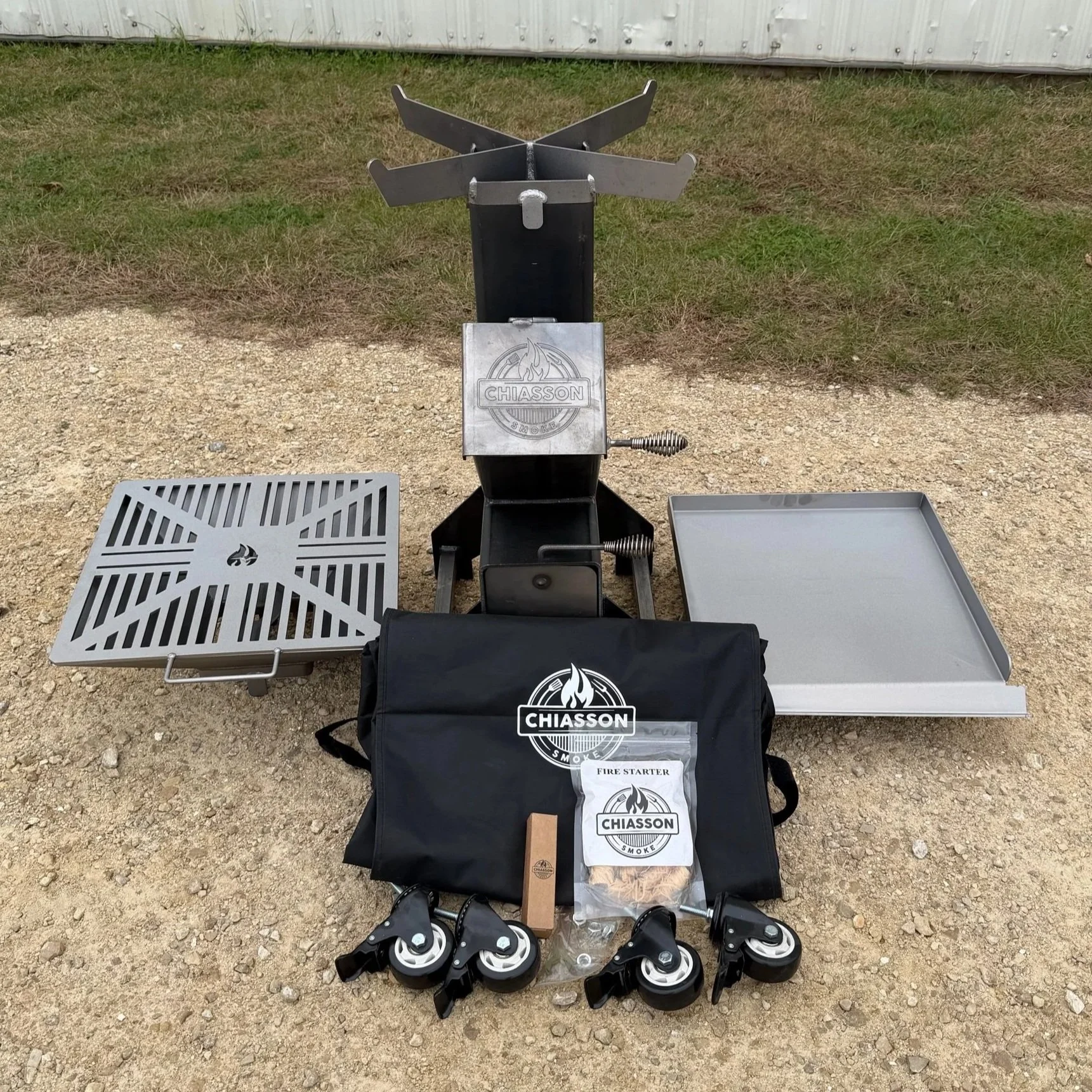
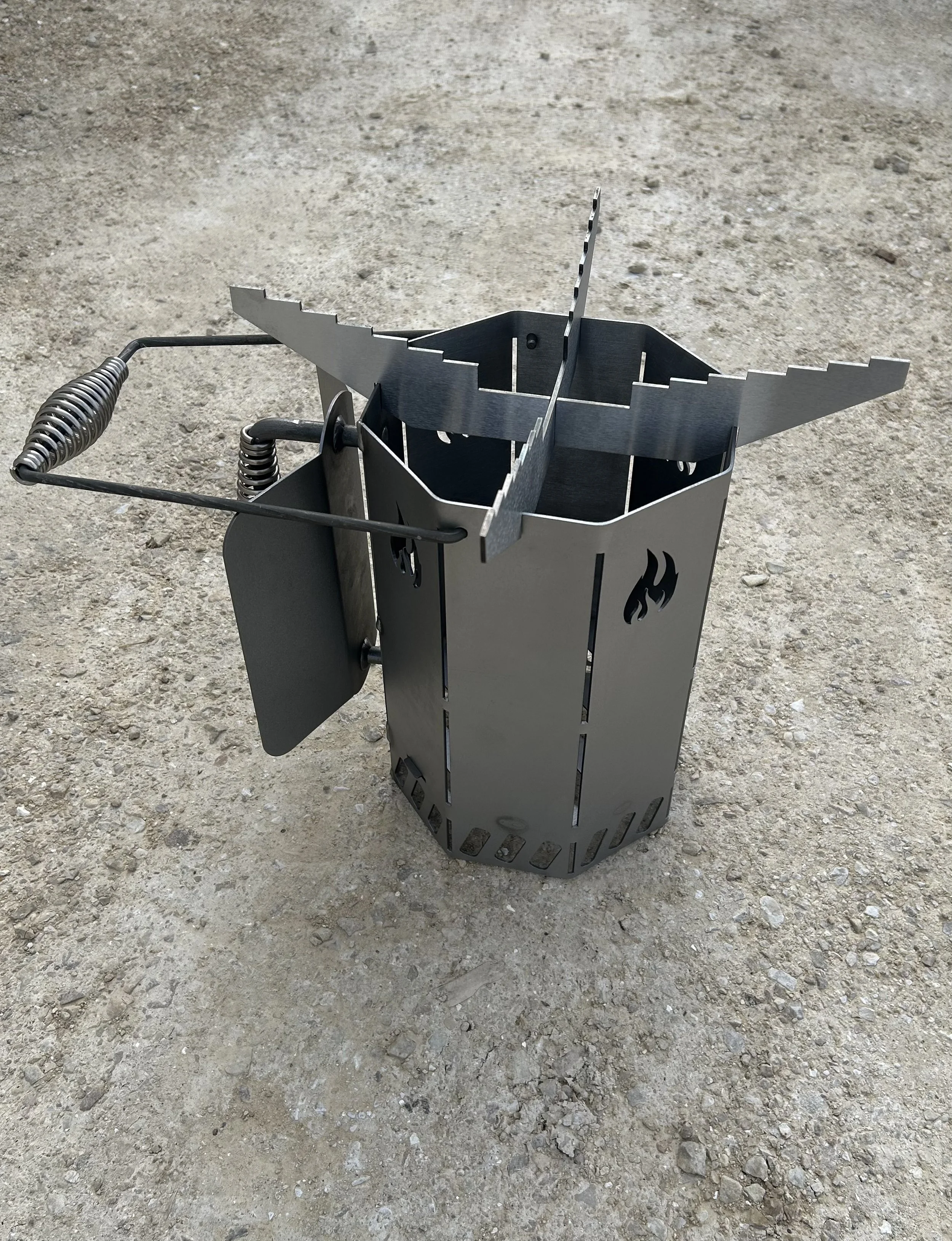
Animals have a strong sense of smell, and even a little crumb can attract unwanted visitors. Now imagine how many more unwanted visitors you’ll attract by the smell of freshly cooked bacon from the rocket stove! Keep your campsite tidy, and you’ll have fewer problems.
Mind the Water
Clean water is something most campers take for granted—until it’s gone. Using unsafe water for cooking or washing can undo all your careful planning. Always bring plenty of drinking water from home or use a reliable filter or purification tablets before using stream or lake water. (This isn’t just a good tip for camping– it’s a good tip for basic prepping, too.)
If you’re using natural water sources, boil the water for at least one full minute (or three minutes at higher elevations) before using it for drinking, cooking, or washing dishes. Even clear mountain streams can contain microscopic organisms that make you sick.
Handling Snacks and Trail Food
Snacks like jerky, granola bars, fruit, and trail mix are perfect for camping because they don’t spoil easily. Still, don’t assume “shelf-stable” means “invincible.” Keep your snacks sealed and out of the sun. Nuts and dried fruits can go rancid if they get too warm for too long, and chocolate can melt into a gooey mess.
If you’re hiking away from your campsite, pack snacks in resealable bags to keep them dry and bug-free. Always store trash from snacks back in your pack until you can dispose of it properly.


Dealing with Trash the Right Way
Speaking of trash—don’t ignore it. Food scraps and packaging can quickly attract bugs and animals. Always seal your garbage in a bag and tie it tightly. If you’re camping somewhere remote, pack your trash out with you. Leaving waste behind isn’t just messy; it’s unsafe for wildlife and other campers.
You can even minimize trash by planning meals that use fewer disposable items. For example, cook meals that use similar ingredients, or bring reusable utensils and plates instead of paper ones.
Know the Signs of Spoilage
Sometimes food goes bad even if you’ve done everything right. Maybe ice melted faster than expected or a container leaked without you noticing. Trust your senses: if something looks slimy, smells sour, or feels sticky, it’s probably unsafe. Don’t taste it to check—just throw it away.
Spoiled food can carry bacteria that you can’t see or smell. The safest thing you can do is to be cautious. No camping meal is worth getting sick over.
Making Food Safety Fun
Let’s face it—talking about bacteria isn’t the most thrilling campfire topic. But keeping food safe can actually be fun, especially if you involve everyone. Kids love helping out, and it’s a great chance to teach them simple habits that stick for life. Make a game of handwashing, have them “guard” the cooler, or let them help organize the food bins.
Food safety doesn’t have to be boring—it just has to be consistent.

The Bottom Line
Keeping food safe while camping isn’t about following strict rules or being paranoid. It’s about taking simple steps to protect yourself and others so you can relax and enjoy the adventure. Plan your meals, pack carefully, stay clean, and keep cold things cold.
When you do, your reward is delicious campfire meals, happy campers, and memories that last long after the tent comes down. Because the only thing that should be wild on your camping trip is the scenery—not your stomach.
