
How to Purify Water While Camping
Understanding What Makes Water Unsafe
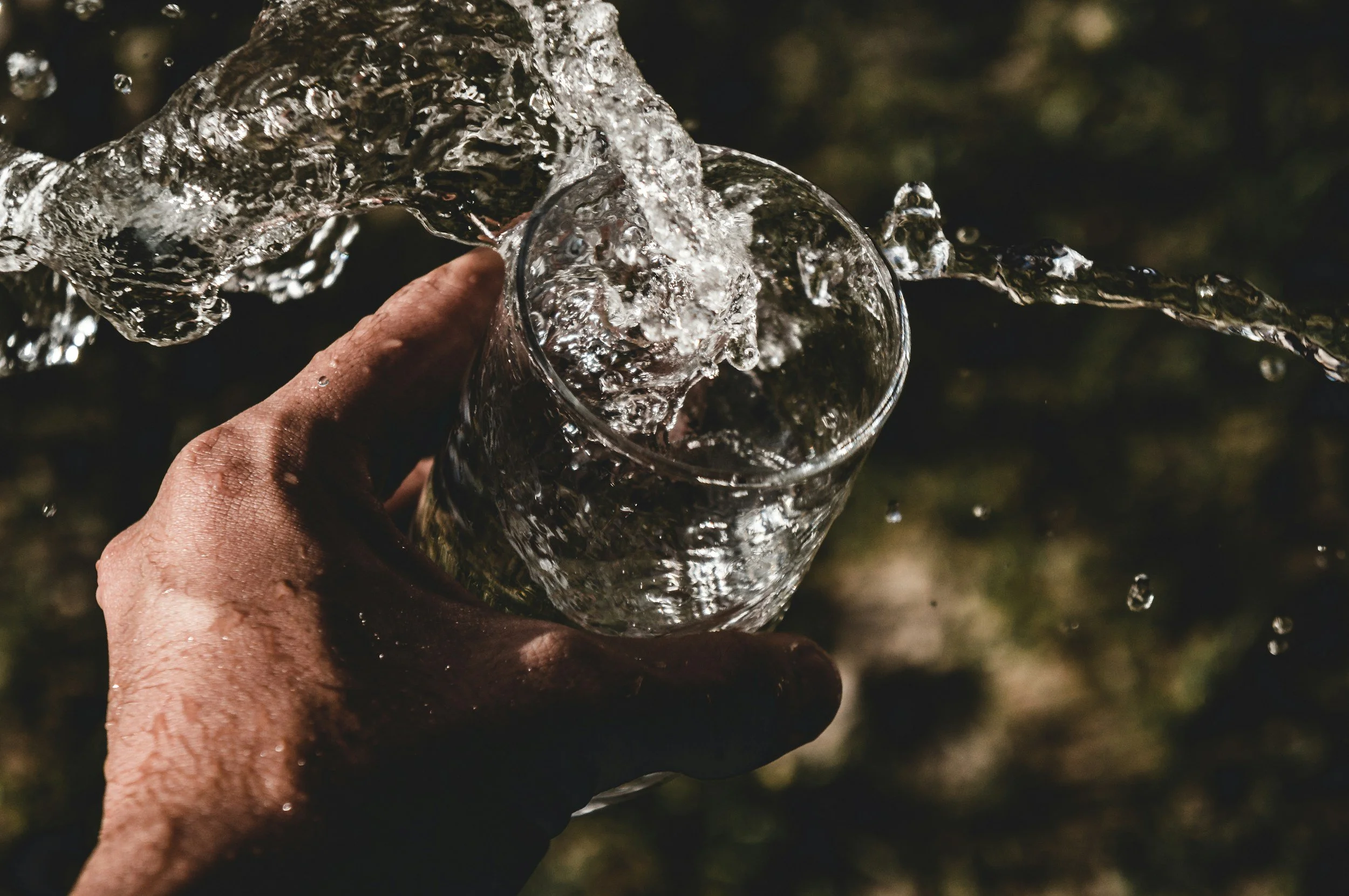
Water can look crystal clear and still carry trouble. Rivers can collect germs from animal waste. Lakes can hold tiny parasites that cause stomach cramps. Even a mountain stream can wash chemicals from rocks and soil.
There are a few main types of things you want to avoid in water. Germs like bacteria and viruses can make you sick. Parasites can slip into your digestive system. Dirt and sand can irritate your stomach. Chemicals from farms or factories can show up even far from people. Since you cannot tell by looking, smelling, or tasting, it is always smart to purify water before drinking it.
Boiling Water the Classic Way
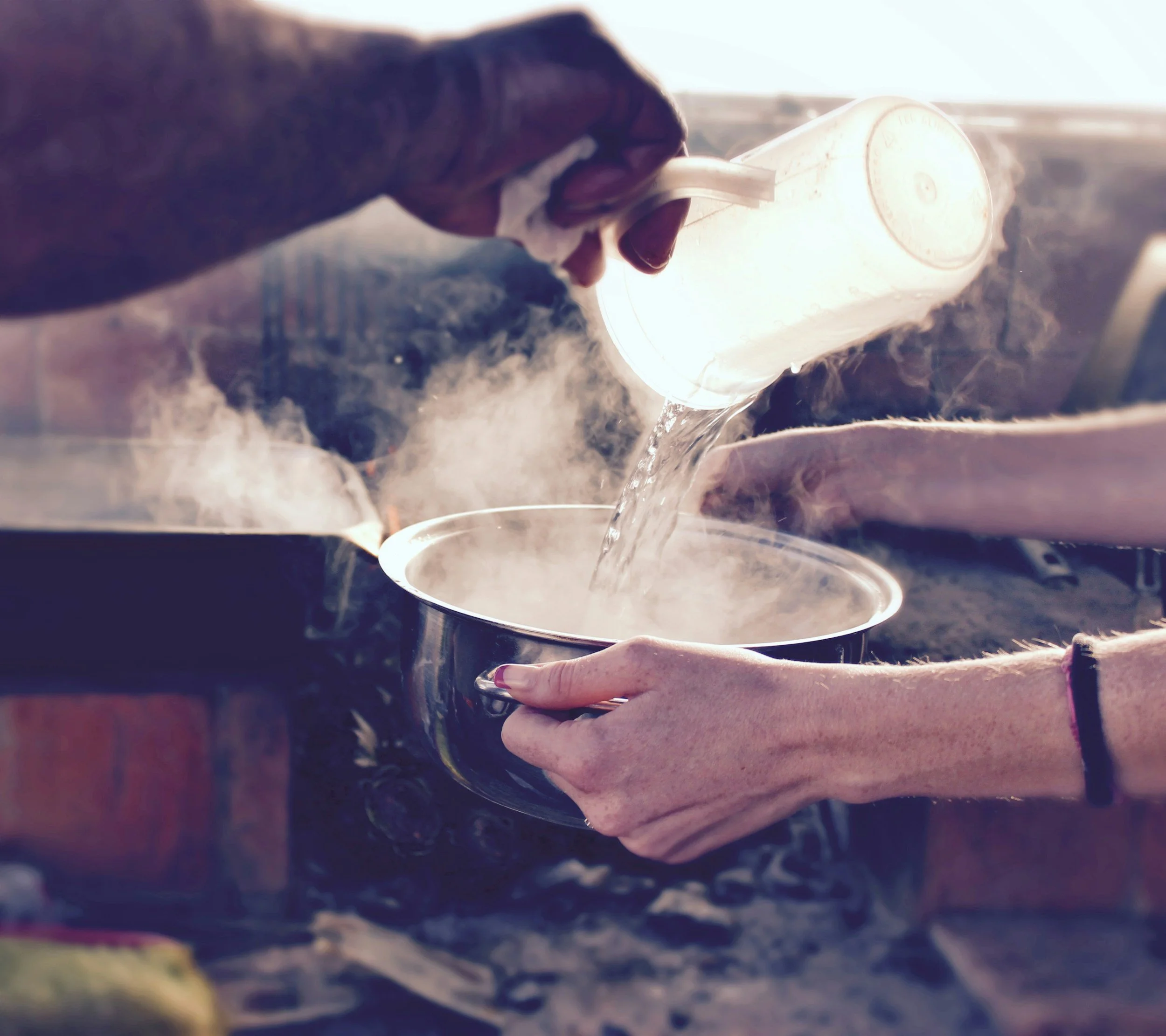
One of the oldest and most trusted ways to clean water is simple boiling. If you have a camp stove or a fire, you can heat water until it bubbles. That rolling boil kills most germs and parasites. It works almost anywhere and does not require fancy equipment.
To boil water, fill a pot with water from your source. Set it on your stove or fire and wait until you see big bubbles rolling across the surface. Keep it boiling for at least one minute. If you are camping at a high elevation, give it three minutes because water boils at a lower temperature in the mountains. After boiling, let the water cool before drinking.
Boiling works well, but it takes time. You need fuel and a safe place to set your pot. If you are in a hurry or running low on fuel, you might want quicker or easier options. Still, boiling is dependable and great for cooking, washing dishes, or filling large bottles.
Using Water Filters
Portable water filters are popular with campers because they are easy to use and carry. Most of them work like tiny strainers that trap dirt, germs, and parasites. They can turn muddy water into something clear and safe. Filters come in many shapes. Some look like straws you sip through. Others attach to bottles. Some are small pumps that move water through a filter.
Using a filter is usually simple. You scoop water from your source, then let it run through the device. The filter catches the bad stuff and lets clean water out. Filters work fast and do not change the taste of the water.
But filters need care. If they freeze in cold weather, they can crack and stop working. If you let dirt build up, water will flow slowly. Some filters cannot remove viruses because viruses are too small. That is why many campers carry backup methods along with a filter.
Chemical Purification Drops and Tablets
Another way to make water drinkable is by using chemicals like iodine or chlorine dioxide. They come in small bottles or tablets and fit easily in a pocket. These chemicals kill germs and parasites by breaking them down over time.
To use them, fill your bottle with water and add the right number of drops or tablets. Shake gently, and then wait for the chemical to do its job. Sometimes the wait is about thirty minutes. Other times it can take four hours, depending on the type of parasite and the instructions on the product.
Chemical purification is light to carry and great for emergencies. But it does have downsides. Some people do not like the taste. You may also need to warm the water because very cold water slows the chemical reaction. Even with those small issues, chemical drops and tablets are helpful when you need something quick and portable.
UV Light Purification Devices
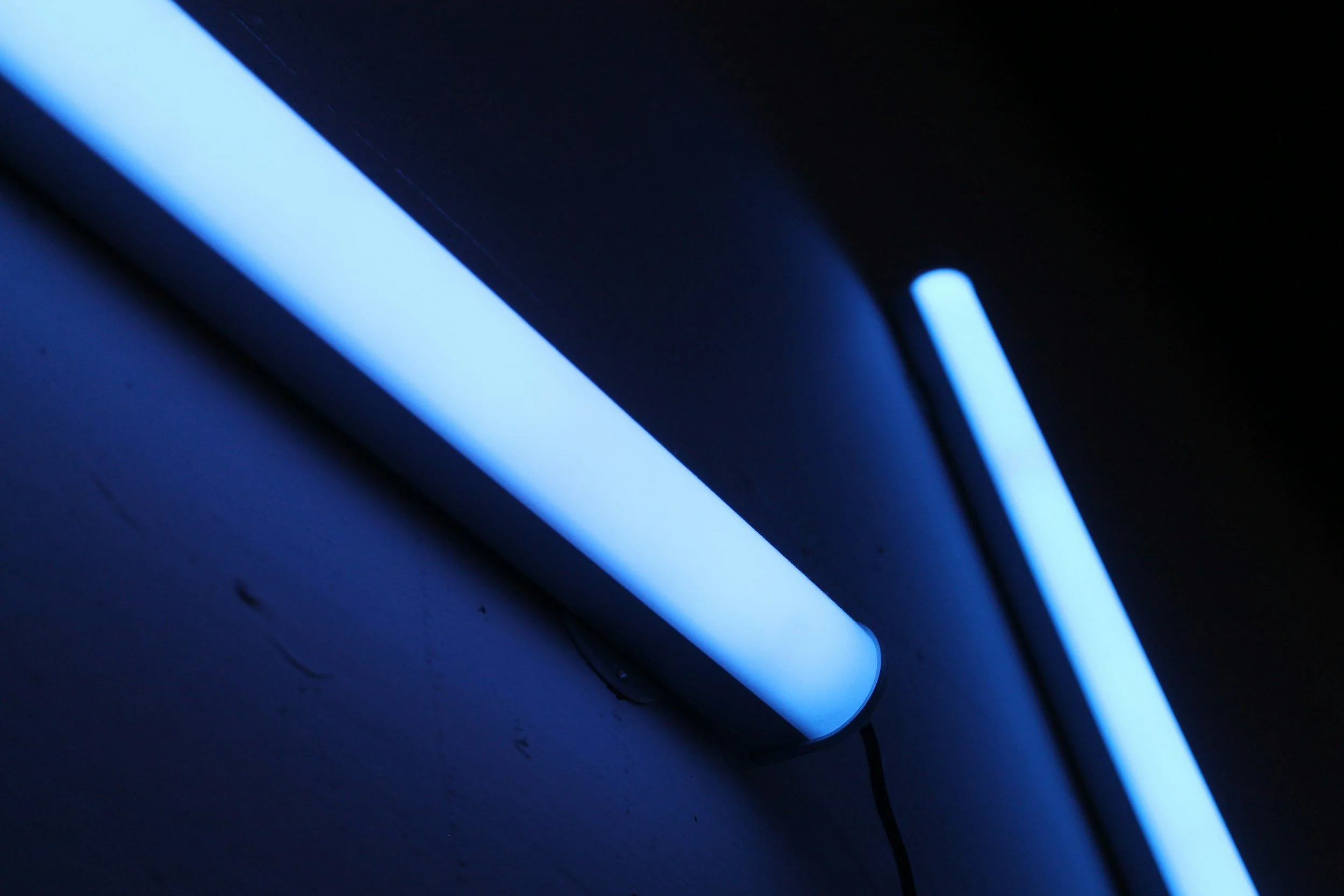
UV purification devices use light to clean water. They shine a special ultraviolet beam that damages germs and stops them from spreading. These devices are small and battery powered. Many look like a wand you stir in your bottle.
To use one, scoop water into a clear bottle. Turn on the UV device and stir it in the water until the timer says it is done. It usually takes less than two minutes. The light does not change the taste or smell. It also does not add anything to your water.
There are a few things to watch out for. If the water is cloudy, the UV light cannot reach all the germs. You may need to filter first to clear it. UV devices also need batteries, so they can run out of power. Even so, they are a fast and clean way to make water safe.
Gravity Filtration Systems
Gravity filters are great for groups or long trips. They use gravity instead of pumping. You fill a large bag with dirty water, hang it on a tree, and let gravity pull the water through a filter into a clean container. Gravity systems can clean a lot of water without much effort.
They are also helpful when your hands are cold or tired because you do not have to pump. Many campers like using gravity filters at base camp because they can leave them running while setting up tents or cooking.
The main drawback is their size. Gravity systems are bulkier than small filters or tablets. Also, you need a place to hang the bag. Still, they are a practical option when you want plenty of clean water for cooking, drinking, and washing.
Solar Purification
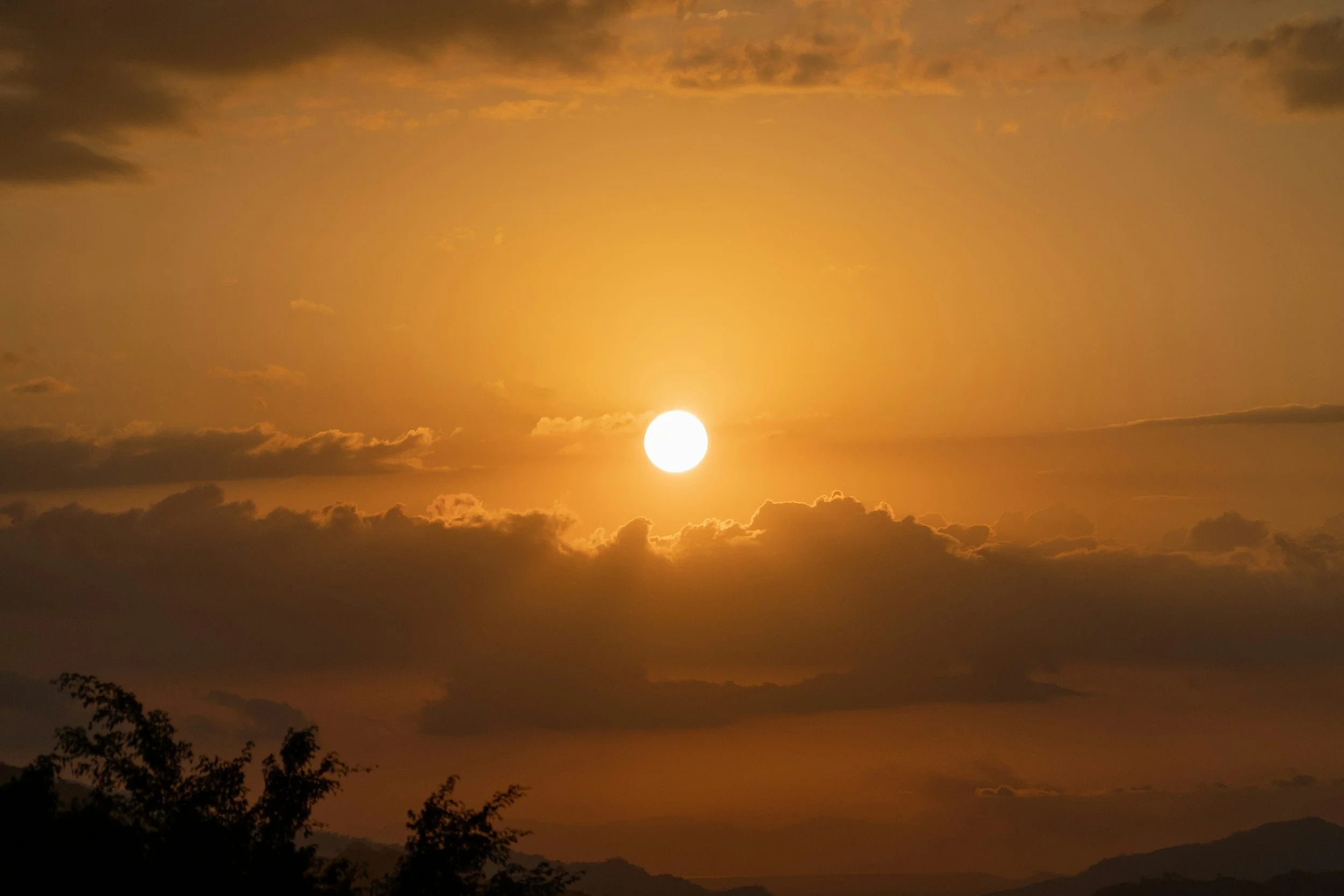
Solar purification uses sunlight to kill germs. It involves filling a clear bottle with water and leaving it in direct sunlight for several hours. The heat and light together help clean the water. This method is sometimes called SODIS.
Solar purification does not require tools or chemicals, which makes it easy for beginners. It is also silent and uses free energy from the sun. But it has limitations. It takes a long time and only works in bright sun. Cloudy days or shaded spots will slow down the process. It also works best for small amounts of water.
Even if you do not plan to use solar purification as your main method, it is good to know in case of emergencies.
Making Water Clear Before Purifying
Many purification methods work better when the water is already clear. If the water is muddy or filled with leaves, you can improve it with simple tricks. Let the water sit in a container so the dirt settles at the bottom. Pour the cleaner water from the top into another container. You can also strain water through a clean cloth or bandana to remove larger bits.
Clearing your water first helps filters last longer and makes chemicals and UV light work more effectively. It also makes the water taste better. A few minutes of prep can save you trouble later.
Finding a Good Water Source
Knowing where to collect water is just as important as knowing how to clean it. Flowing water is usually better than still water because it moves and stirs itself. Look for streams or rivers instead of ponds. Try to collect water upstream from campsites or trails where animals may wander.
Clear water is easier to purify than cloudy or smelly water. Avoid places with algae or signs of pollution. Snow and ice can work if you melt them, but melting takes fuel and time. Never eat snow because it cools your body and can cause dehydration.
If you pay attention to your surroundings, you can find safer starting points and make purification faster and easier.


How to Choose the Right Method
Picking a purification method depends on what kind of trip you are taking. For short trips, a small filter or UV device might be enough. For long treks, carrying backup options is smart. It is common for campers to mix methods. For example, you might use a filter to remove dirt, then use chemical drops to kill any leftover germs. Layering methods gives extra safety.
Think about weight, size, weather, and how much water you need each day. If you are camping in freezing temperatures, avoid filters that can crack. If you are in sunny desert areas, solar purification might help. If you need a lot of water for a group, a gravity filter saves time.
No method is perfect for every situation, but knowing several gives you confidence in the wild.
Common Mistakes to Avoid
One common mistake is forgetting to clean your gear. Water bottles, hoses, and filters can grow germs if you do not wash and dry them. Another mistake is rushing the process. If you do not let chemicals sit long enough or if you stop boiling too soon, germs can survive.
Some campers assume that high mountain water is always safe. Even in remote places, animals live there and can carry harmful parasites. Do not rely on luck or looks. Always purify.
Also, watch where you place clean containers. Setting them on muddy ground or dipping them carelessly into the water source can undo all your hard work. Keep clean and dirty tasks separate to avoid cross contamination.
Staying Safe in an Emergency
In an emergency, you can improvise. If you cannot boil or filter and you do not have chemicals, clearing the water and using sunlight may be your only option. It will not be perfect, but it can help until you find a better method.
If you are lost or low on supplies, always follow flowing water. Streams often lead to larger rivers or signs of people. Stay calm and keep moving with purpose. Clean water keeps your body strong and your mind sharp, which helps you make better decisions.
The Joy of Being Prepared
Purifying water while camping might sound tricky at first, but it becomes easier once you understand the methods. It is a skill that connects you to nature and teaches you to rely on yourself. There is something satisfying about scooping water from a stream and turning it into something safe and refreshing.
When you know how to purify water, you gain freedom. You can explore new paths without worrying about running dry. You can stay out longer and enjoy the quiet moments by the fire. You can share clean water with friends and feel proud of your knowledge.
Camping is about adventure, fun, and learning. Purifying your own water is a big part of that journey. It keeps you healthy, safe, and ready for whatever the trail brings next.
