
How to Cook Without Aluminum Foil Outdoors
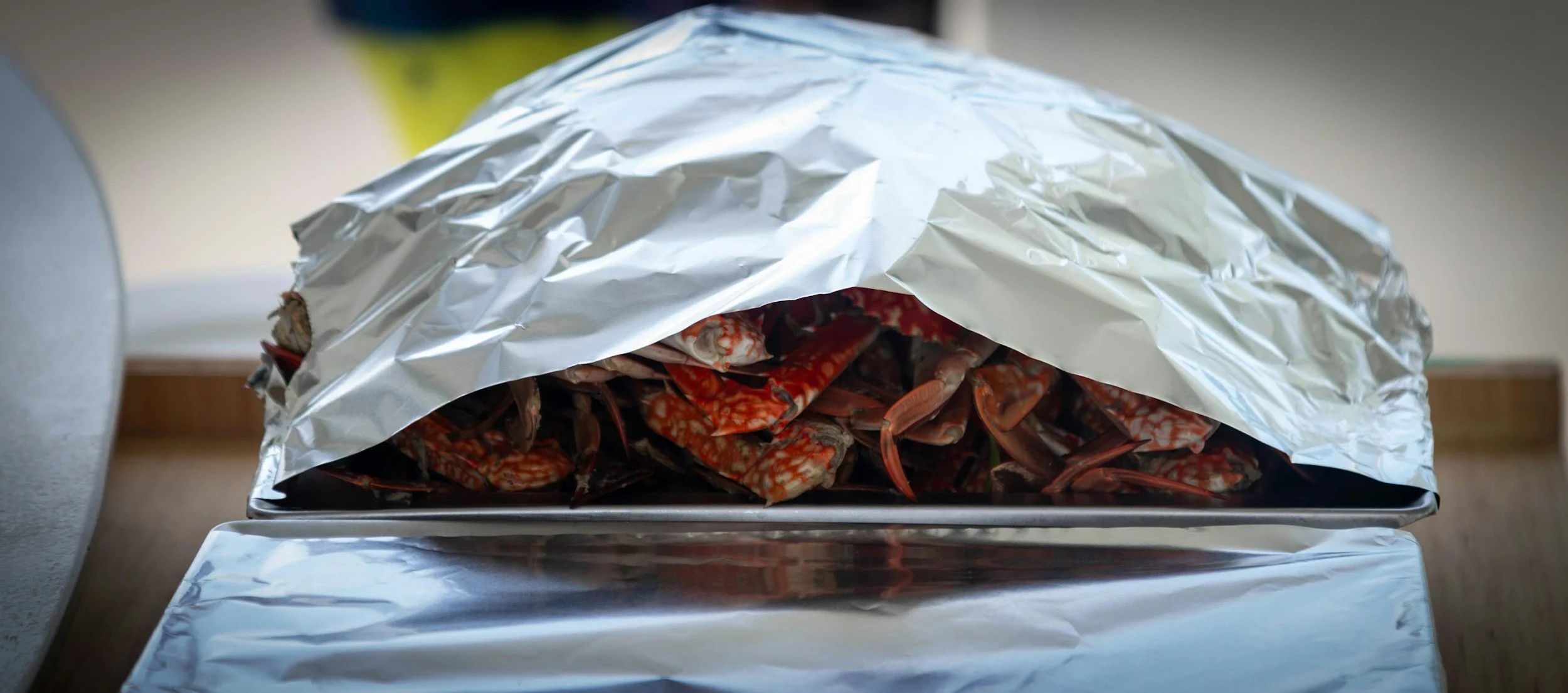
Cooking outdoors feels simple and honest. Fire, food, fresh air, and time slowing down just a bit. But for many people, outdoor cooking has become tied to one shiny item: aluminum foil. Wrap it. Fold it. Toss it in the fire. Done.
The problem is that foil is not the only way to cook outside. In fact, people cooked outdoors for thousands of years before foil existed. Camps, backyards, beaches, and forests all have better, tougher, and more flavorful options waiting to be used.
This guide shows how to cook outdoors without aluminum foil. It covers old methods, smart tools, and simple habits that make food taste better and feel more natural. No fancy tricks. No hard steps. Just real outdoor cooking.
Why Skip Aluminum Foil Outside
Aluminum foil is convenient, but convenience is not the same as quality.
Foil tears easily. It sticks to food. It burns when fire gets too hot. It also creates trash that blows away if you are not careful. When cooking over open flames, foil can leak juices into the fire, causing flare ups and burnt food.
Some people also prefer to avoid foil because it can react with acidic foods like tomatoes, citrus, and vinegar. While opinions differ on health concerns, many outdoor cooks simply like knowing their food touches natural surfaces instead of disposable metal.
Skipping foil pushes you to slow down and cook with intention. It brings you closer to older and proven ways of cooking outdoors.
Cooking Directly Over Fire
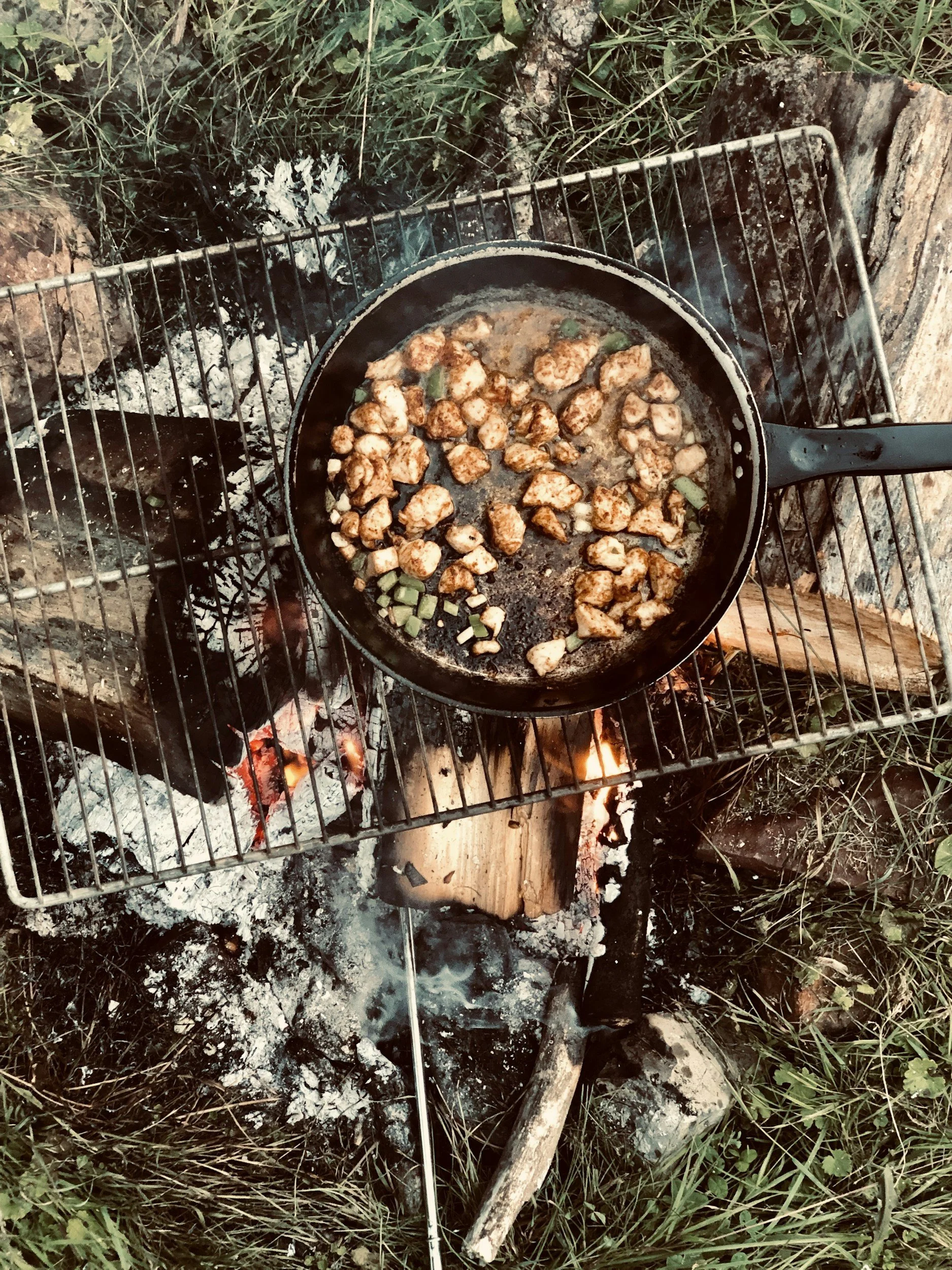
The most basic outdoor cooking method is placing food directly over heat.
This works best with sturdy foods. Think meats, thick vegetables, and foods with natural skins.
A grill grate over a campfire or fire pit creates instant cooking space. Cast iron grates work best because they hold heat and do not warp. Steel grates also work well.
When cooking directly over fire, heat control matters. Build a fire with two zones: one hot and one warm. Move food back and forth as needed. This prevents burning and allows slow cooking without foil.
Food cooked this way develops real flavor. Smoke, fire, and fat all work together. Nothing gets steamed. Everything gets character.
Using Cast Iron Outdoors
Cast iron is one of the best foil replacements ever made.
A cast iron skillet can cook almost anything outdoors. Eggs, bacon, fish, vegetables, bread, and even desserts. Cast iron Dutch ovens go even further. They bake, roast, fry, and simmer.
Cast iron handles high heat without damage. It spreads heat evenly and adds a natural non stick surface when seasoned well.
Outdoor cast iron cooking works over campfires, charcoal grills, and gas burners. Place the pan on a grate or directly over coals. Adjust heat by moving coals closer or farther away.
Cast iron also adds a sense of tradition. It feels right outdoors. Heavy, reliable, and made to last.
Cooking in Stainless Steel
Stainless steel pans and pots work well outside, especially for boiling, sautéing, and simmering.
They do not react with food and clean up easily with hot water and a scrub brush. Stainless steel is lighter than cast iron and easier to pack for camping trips.
Use stainless steel for pasta, soups, stews, rice, and sauces. Pair it with a lid to trap heat and moisture instead of wrapping food in foil.
When cooking over open flames, choose thicker stainless steel cookware. Thin pans can scorch food quickly.
Wrapping Food in Natural Leaves
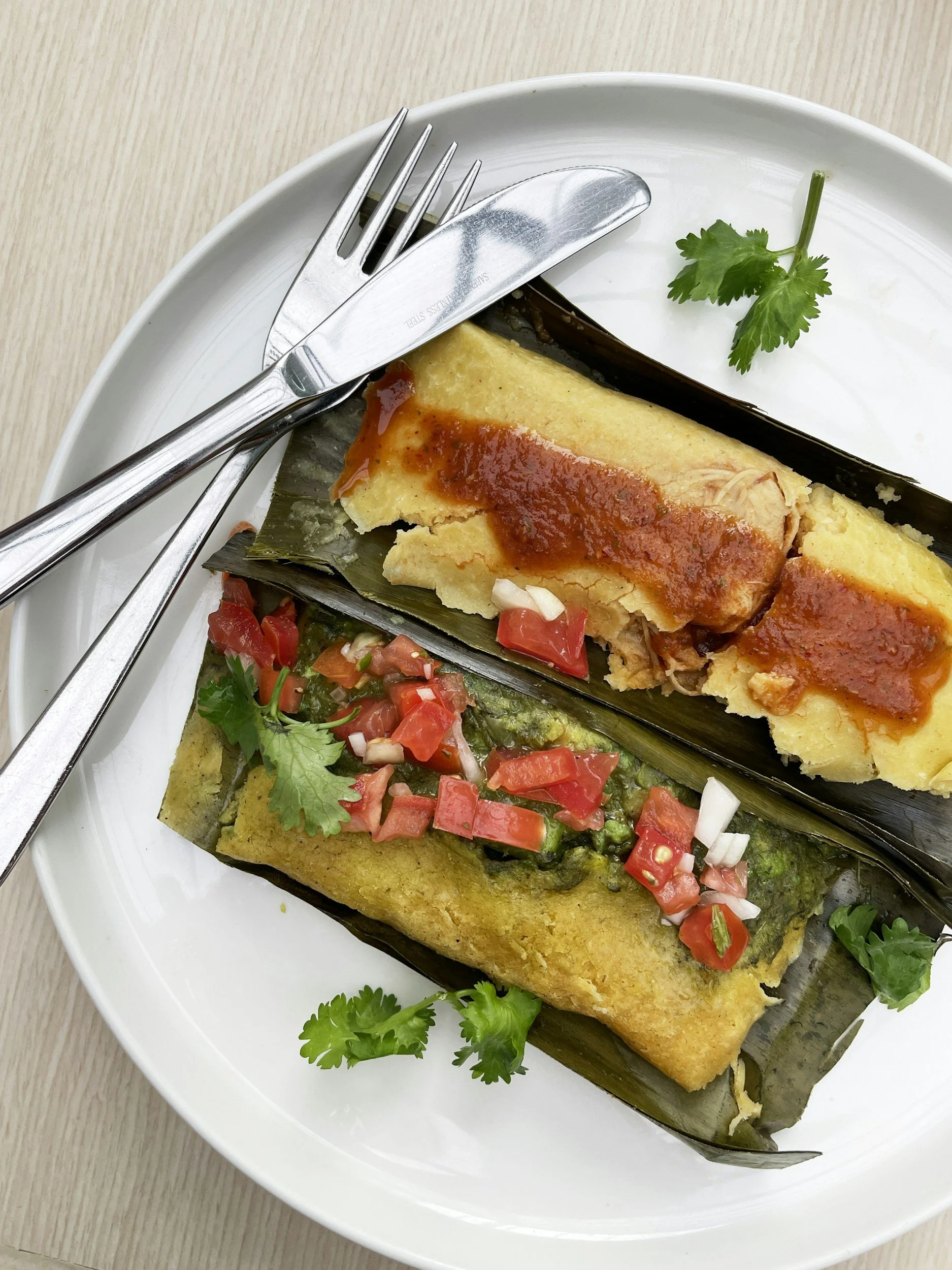
Long before foil existed, people wrapped food in leaves.
Large leaves act as natural cooking wrappers. They protect food, hold moisture, and add subtle flavor.
Banana leaves are the most famous example. They are flexible, strong, and heat resistant. Banana leaves are often used to wrap fish, rice, vegetables, and meats. When heated, they release a mild, sweet scent that flavors the food inside.
Other leaves work too, depending on location. Corn husks, grape leaves, cabbage leaves, and even large maple leaves can be used in some cases. Always be sure leaves are clean and safe for cooking.
Wrap food snugly, tie with natural twine, and place near coals or on a grill. The leaves may darken or char, but the food inside stays protected.
Skewers and Spits
Skewers are simple and powerful outdoor cooking tools.
Metal skewers last longer and clean easily. Wooden skewers work too if soaked in water first to prevent burning.
Skewers keep food together without foil. Meat, vegetables, and fruit all cook evenly when spaced properly.
For larger pieces of meat, a spit works even better. A spit is a rod that holds food and rotates over a fire. Whole chickens, roasts, and large cuts cook slowly and evenly this way.
Spit cooking requires patience but rewards it with deep flavor and crispy skin.
Dutch Oven Cooking Without Foil
Dutch ovens often get paired with foil liners, but they do not need them.
A well seasoned Dutch oven releases food easily. Bread, casseroles, meats, and desserts can cook directly in the pot.
Use parchment paper if needed for delicate foods, but often oil and heat control are enough.
Dutch ovens shine outdoors because they allow top and bottom heat. Place coals under the pot and on the lid. This creates an oven effect without foil.
Meals cooked this way feel complete and hearty. One pot feeds many people.
Managing Moisture Without Foil
Foil traps steam, but other tools do this better.
Lids, covers, and domes keep moisture inside cookware. Even an upside down metal bowl can act as a lid outdoors.
Spritzing food with water or broth adds moisture during cooking. This works well for grilling vegetables and meats.
Leaf wrapping, clay pots, and Dutch ovens naturally hold moisture without sealing food in metal.
Learning moisture control improves cooking skills overall, indoors and out.
Cleaning and Care Outdoors
One reason people love foil is easy cleanup. But foil free cooking can be clean too.
Cast iron cleans best while warm. Use hot water and a brush. Avoid soap when possible.
Stainless steel cleans easily with water and a scrub pad.
Leaves and natural wrappers compost easily. Burned leaves return to the earth.
Stones and grates need brushing and drying to prevent rust or buildup.
Good tools last longer when cared for properly, even outdoors.
Planning Meals Without Foil
Foil free cooking starts with planning.
Choose foods that handle open heat well. Thick cuts, whole vegetables, and simple recipes work best.
Bring the right tools. One good pan beats five disposable items.
Prep food at home when possible. Chopped vegetables and marinated meats save time and reduce mess.
Think about cooking order. Cook foods that take longest first, then faster items later.
Outdoor cooking rewards thought and patience.
Final Thoughts
Cooking outdoors without aluminum foil is not about rules. It is about options.
Fire does not need foil to work. Food does not need wrapping to taste good.
When you use cast iron, stone, clay, leaves, and open heat, food tastes richer and cooking feels more alive. You waste less, learn more, and connect deeper with the process.
Outdoor cooking becomes slower, better, and more satisfying.
Once you stop reaching for foil, you may never miss it again.

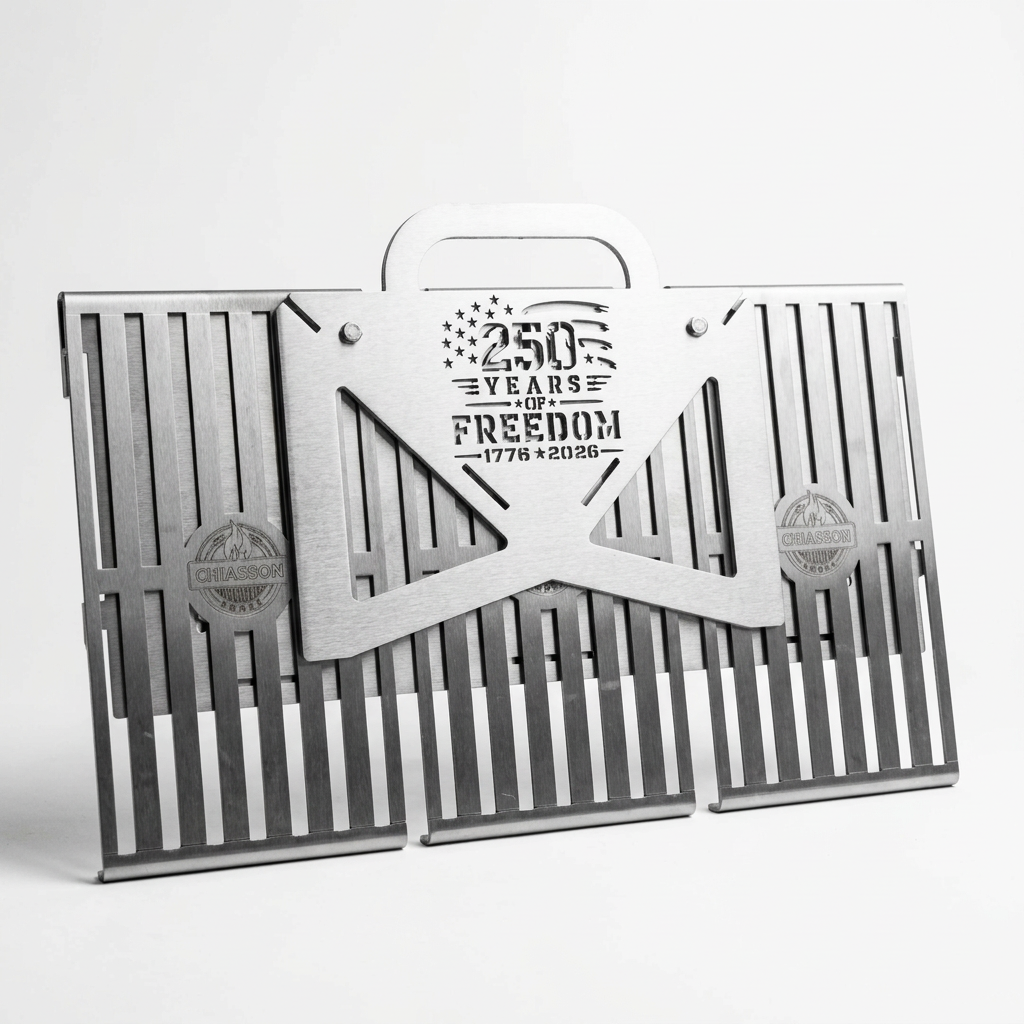
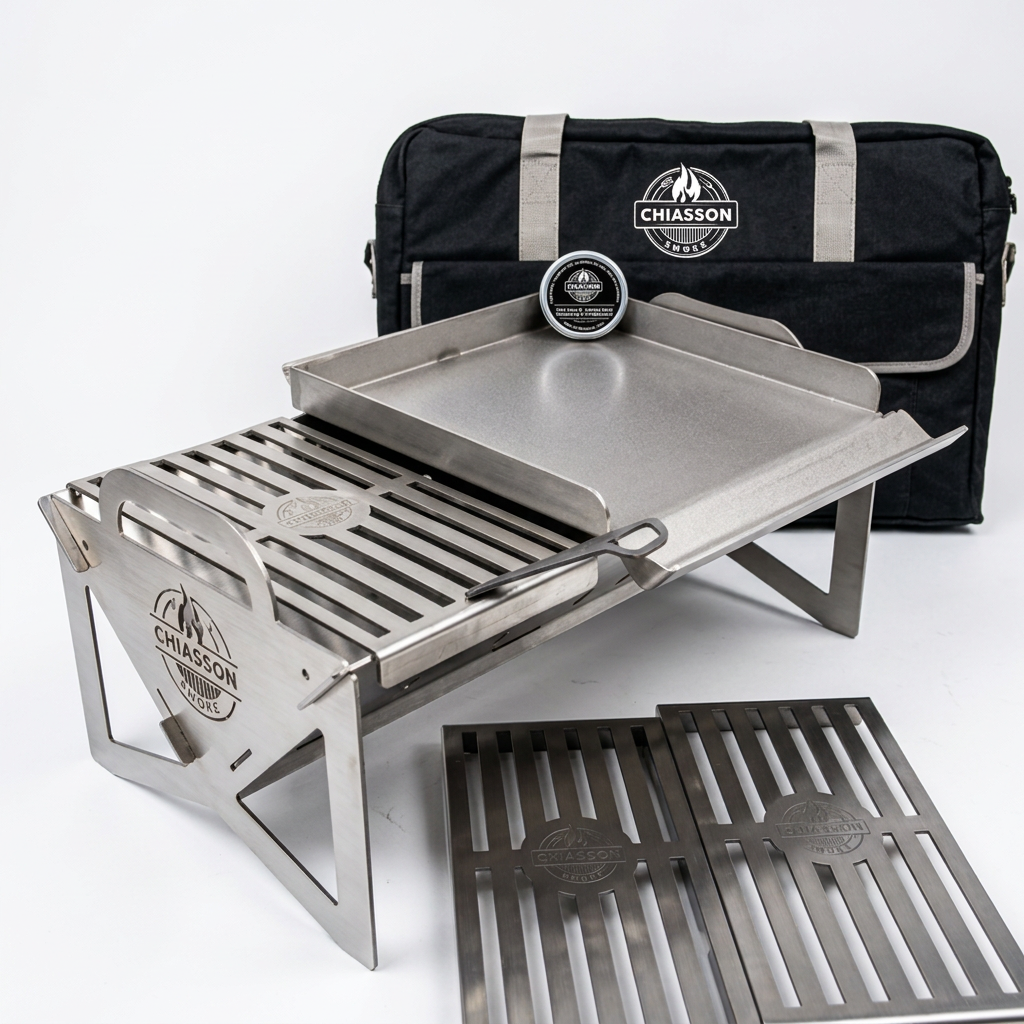
The Hauler Grill was made for people who love cooking outside but don’t want to haul around a big, bulky grill.
Its simple design packs down flat, and when you’re ready to cook, it goes together quickly with no tools needed.
Want even more ways to cook? Add one of our griddle options and make breakfast, smash burgers, fajitas, fried rice, and plenty more.