
How to Clean an Outdoor Griddle
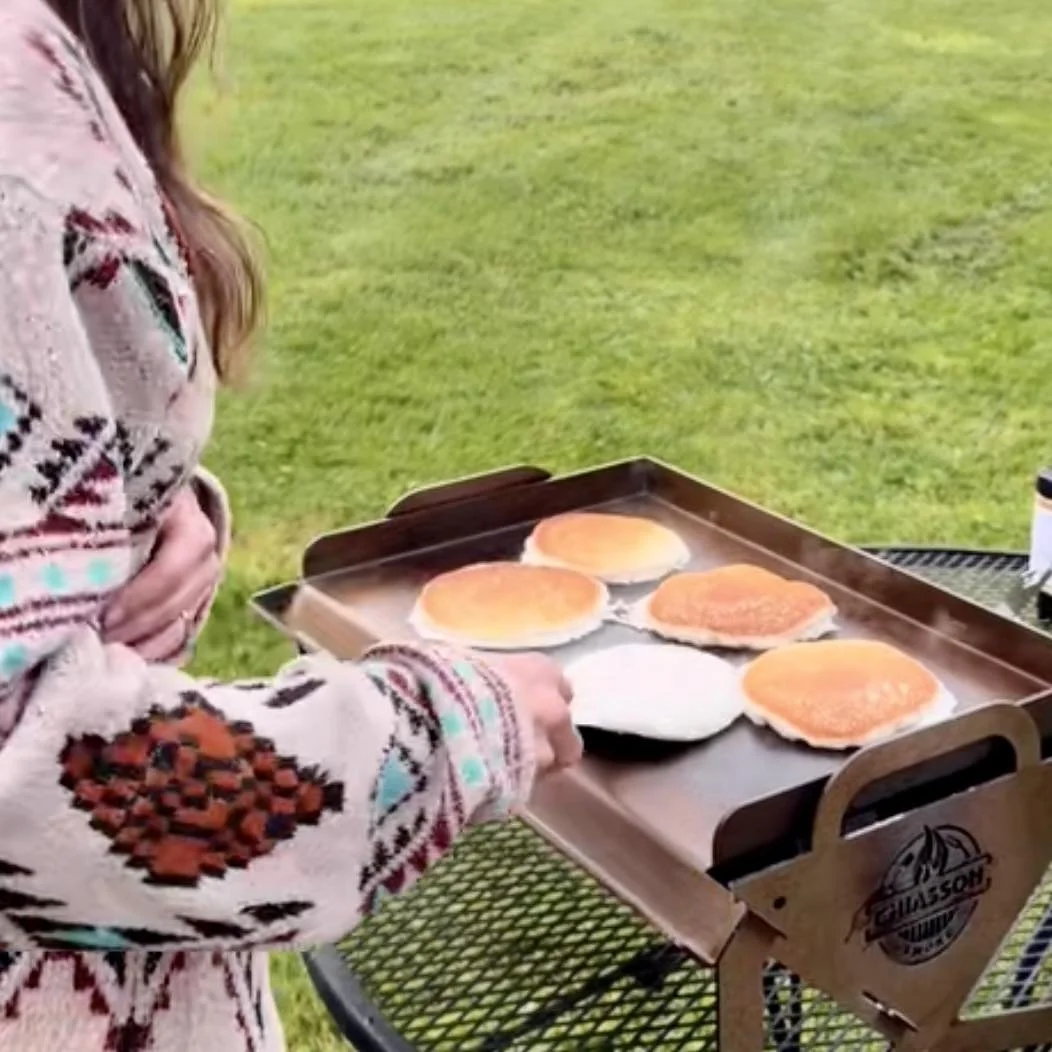
You already know the benefits of an outdoor griddle– a flat cooking surface gives you room to make breakfast for the whole family, smash juicy burgers, toast sandwiches, cook vegetables, or even prepare a full dinner all at once. It is one of the most useful cooking tools you can own.
The only downside comes after the food is gone.
Grease, bits of food, sticky sauces, and burnt crumbs can all be left behind. If you ignore them, they become harder to remove every time you cook. Before long, your once smooth cooking surface can become dirty, uneven, and much less enjoyable to use. Not a good situation when you want to cook on your griddle on the upcoming camping trip.
The good news is that cleaning a griddle is not difficult.
In fact, if you clean it after every meal, the whole process usually takes just a few minutes. You do not need expensive cleaners or special tools. A few simple supplies and a good routine are enough to keep your griddle looking great and cooking like new.
Let's walk through the entire process from start to finish.
Step One: Preparation
Fortunately, you do not need a cabinet full of cleaning products.
Most of what you need is probably already in your kitchen.
Start with hot water. Warm water helps loosen grease and cooked-on food without using harsh chemicals.
Next, grab a sturdy metal spatula. A flat edge works well because it slides underneath stuck-on food without much effort.
You will also need paper towels or a clean cloth for wiping away grease and moisture.
Keep a small amount of cooking oil nearby for the final step.
If your griddle grill is especially dirty, a little mild dish soap can help. Most of the time, though, hot water is enough.
Avoid harsh cleaners, steel wool, bleach, or anything designed to strip surfaces clean. Those products can damage the cooking surface and remove the seasoning that helps food cook properly.
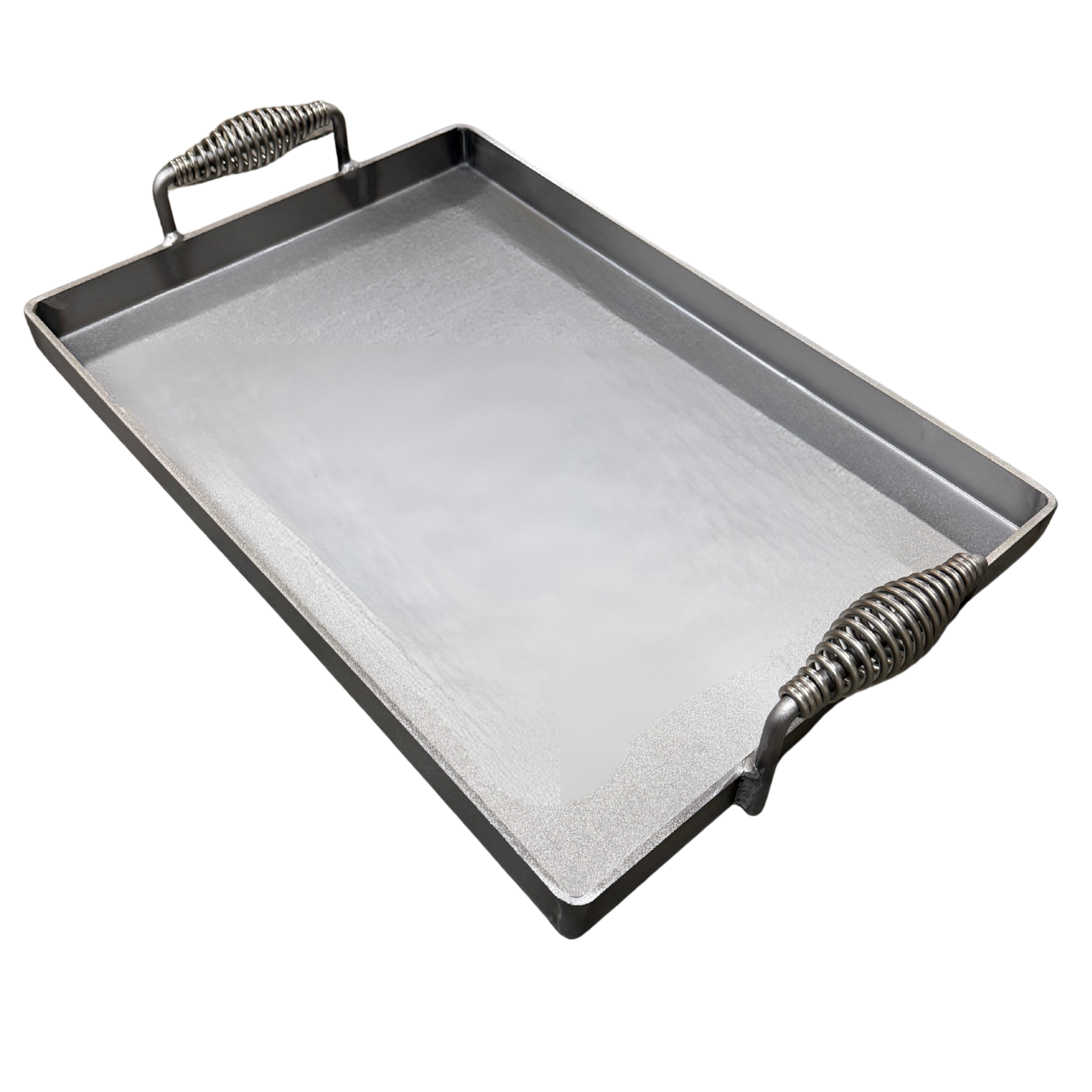
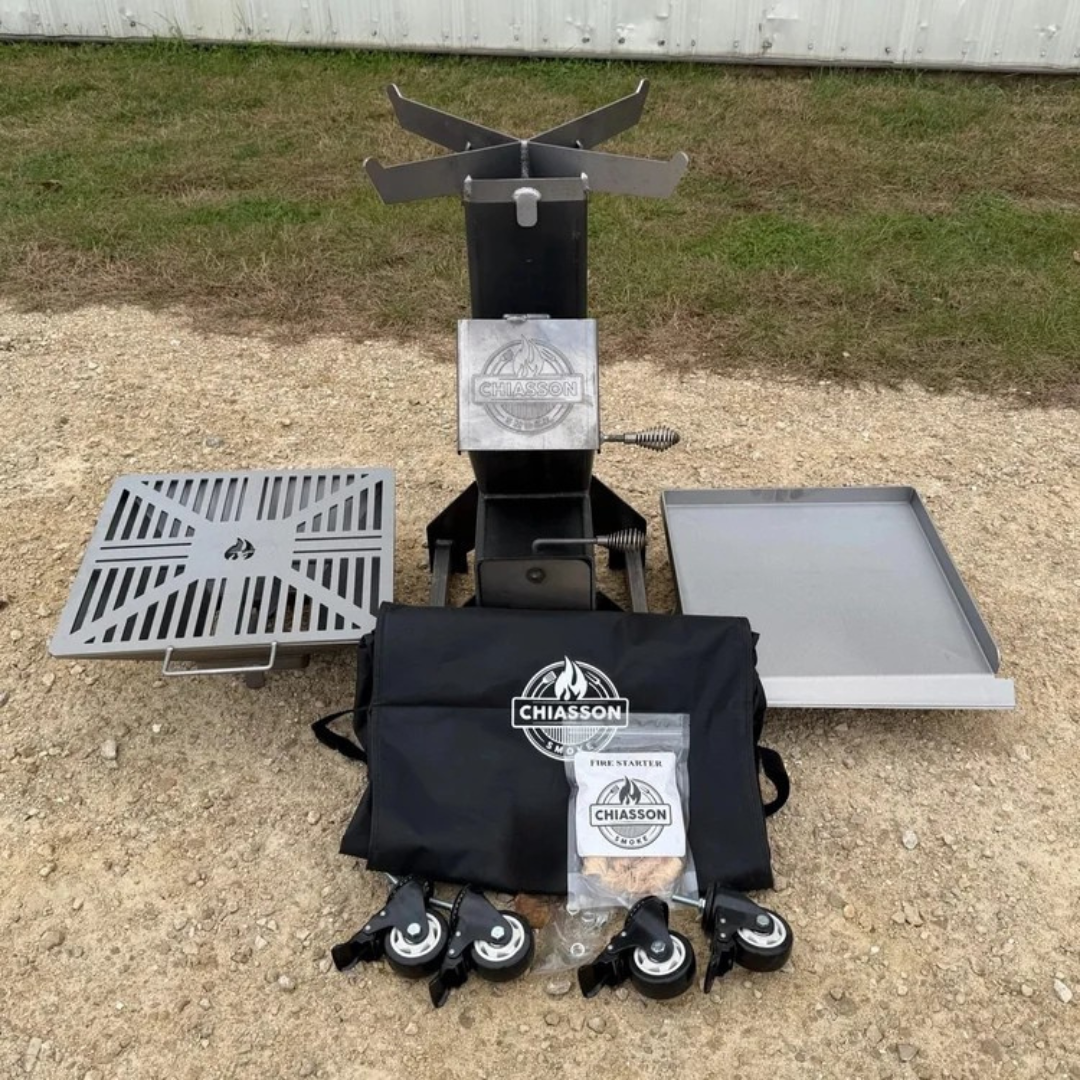
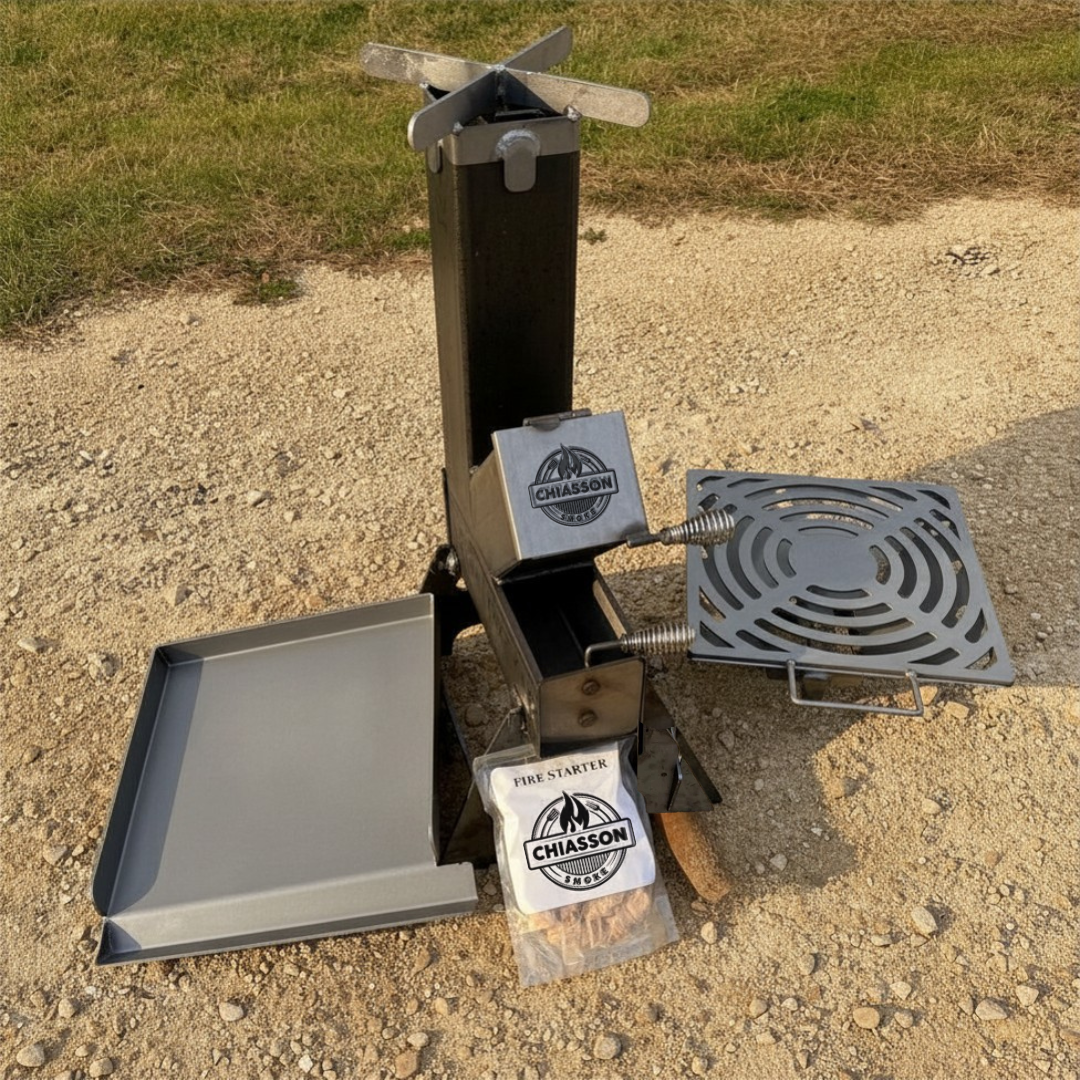
Over Fire Stovetop Griddle
7 Gauge Carbon Steel
Built for real heat. Built for real cooking.
The Chiasson Smoke Over Fire Stovetop Griddle is made from heavy 7 gauge carbon steel and designed to handle open flame, charcoal, or stovetop cooking without flinching. This is not a thin store bought griddle. This is solid steel that holds heat, cooks evenly, and lasts for years.
*** Fits the Hauler Pit**
Step Two: Let It Cool
Many people make the same mistake.
They either clean the griddle while it is still blazing hot or wait until it is completely cold.
Neither option is ideal.
A very hot griddle can burn you, and pouring water onto an extremely hot surface may create a burst of steam. That is not pleasant for your hands or your face.
A completely cold griddle creates a different problem. The grease hardens, and burnt food sticks much more firmly.
Instead, wait until the griddle has cooled slightly.
It should still feel warm enough to soften grease, but cool enough that you can safely work around it.
This small bit of patience makes every step that follows much easier.
Step Three: Scrape Away
Now it is time to remove the large pieces of food.
Take your metal spatula and hold it almost flat against the cooking surface.
Instead of digging downward, gently push the spatula forward across the griddle. This helps lift cooked food without scratching the surface.
Work your way across the entire cooking area.
Bits of onions, cheese, bacon, vegetables, burgers, and other leftovers should begin sliding across the surface.
Push everything toward the grease drain or grease cup if your griddle has one. If yours does not, simply gather everything into one pile so it can be removed easily.
Do not worry about making the surface perfectly clean yet.
Right now, you are simply removing the larger pieces before moving on.
Step Four: Add Hot Water
Once the large pieces are gone, pour a small amount of hot water onto the warm griddle.
You do not need a flood.
Just enough water to spread across the cooking surface is plenty.
Almost immediately, you will notice the water helping loosen grease and cooked-on residue.
Stubborn spots often begin softening within seconds.
If you have a particularly messy cooking session with sticky sauces or heavy grease, you can add a tiny drop of mild dish soap to the water.
More soap is not better.
A little goes a long way, and using too much means extra rinsing later.
Most everyday cooking does not require soap at all.
Step Five: Wipe Everything Away
Now comes one of the easiest parts.
Fold a few paper towels into a thick pad.
If the griddle is still warm, you can use your spatula to push the folded towels across the cooking surface instead of placing your hands near the heat.
The towels soak up grease, water, and loosened food all at the same time.
Move slowly across the entire griddle.
Pay extra attention to corners and edges where food likes to hide.
Replace the paper towels as they become dirty.
There is little point in wiping grease around with a towel that is already soaked.
By the end of this step, the surface should already look much cleaner.

Step Six: Repeat If Necessary
Sometimes dinner gets a little out of hand.
Maybe cheese melted everywhere.
Maybe barbecue sauce caramelized onto the surface.
Maybe pancakes left behind stubborn batter.
That is perfectly normal.
If you still see stuck-on food, simply repeat the previous steps.
Add another splash of hot water.
Scrape gently again.
Wipe with fresh paper towels.
Most stubborn residue comes off after a second pass.
There is rarely a need to scrub aggressively.
Patience usually works better than force.
Step Seven: Dry the Surface
Water is helpful during cleaning.
It is not helpful once you are finished.
Any moisture left behind can eventually lead to rust, especially on carbon steel cooking surfaces.
Take fresh paper towels or a clean cloth and wipe every part of the griddle until it is completely dry.
Do not forget the corners, grease channel, or edges.
Those small areas often trap water.
A dry griddle is a happy griddle.
⚠️Ships within 1 - 2 weeks!
Attention: Canadian Orders 🇨🇦
Please note that additional fees may apply at the border (duties, taxes, or customs charges). These costs are the responsibility of the buyer.
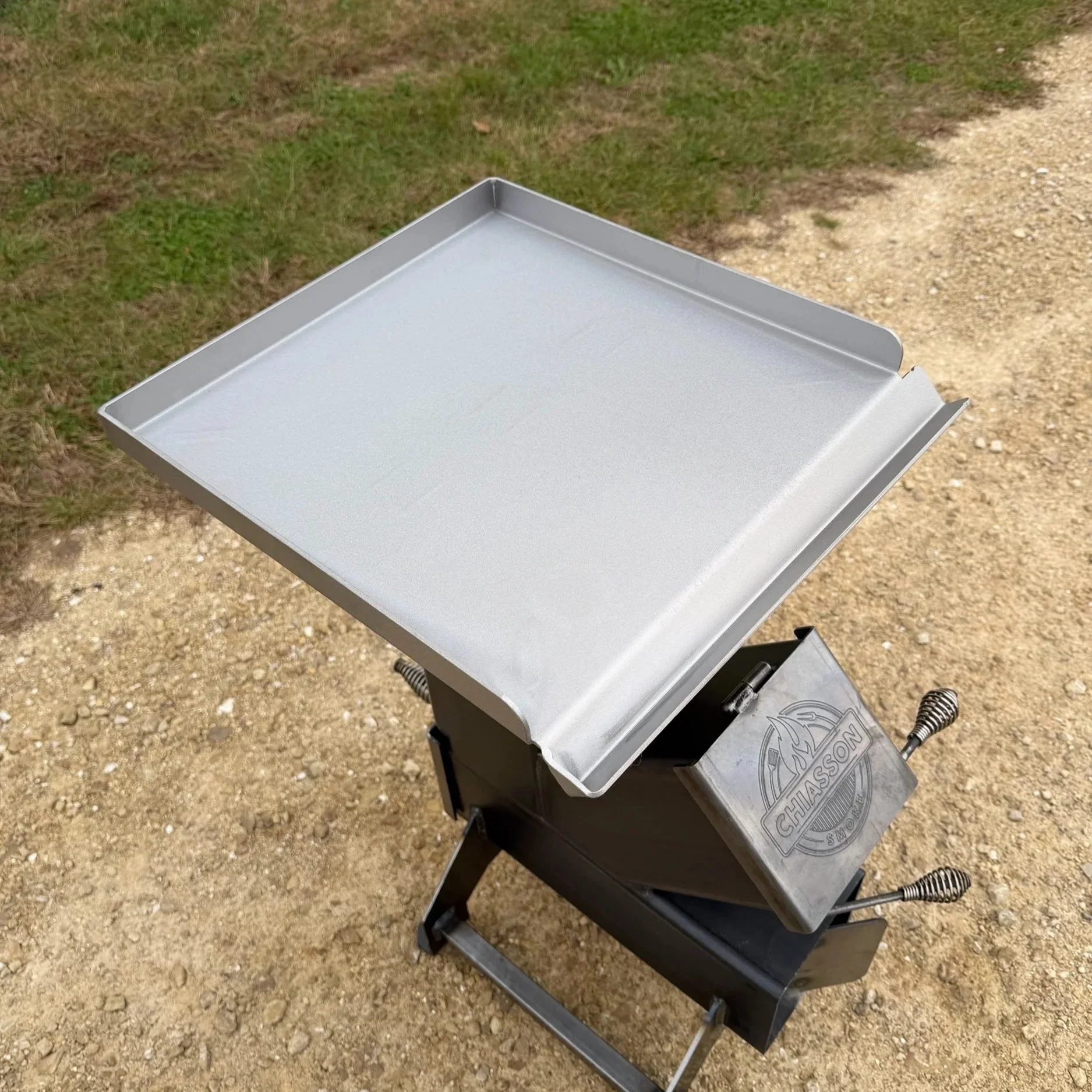
Upgrade your outdoor cooking experience with our 16-inch Carbon Steel Griddle Top, meticulously designed to fit the 6-inch Bulldog Rocket Stove. Made from durable 3/16" carbon steel, this griddle top offers superior heat retention and even heat distribution, ensuring your food is cooked to perfection every time. Not pictured is a notch to help hold your drip bucket in place. (Drip Bucket not included).
Whether you're searing steaks, grilling vegetables, or frying eggs, the smooth surface of this griddle top provides a versatile cooking platform for all your culinary adventures. Its generous size accommodates large portions, making it ideal for family gatherings or camping trips.
The carbon steel construction not only ensures longevity but also develops a natural non-stick patina over time, enhancing the flavor of your food. Easy to clean and maintain, this griddle top is a must-have addition to your outdoor cooking arsenal.
Step Six: Add a Thin Coat of Oil
This final step is easy to skip.
It is also one of the most important.
Pour a very small amount of cooking oil onto the clean surface.
Using a clean paper towel, spread the oil into a thin, even layer.
You are not trying to create puddles.
The surface should barely shine.
This light coating helps protect the metal from moisture between cooking sessions.
It also helps maintain the seasoning that makes cooking easier over time.
Think of it like moisturizing dry skin.
A little protection today prevents problems later.
What Is Seasoning?
Many people hear the word "seasoning" and think about salt and pepper.
Seasoning your griddle means something completely different.
Seasoning is a thin layer of baked-on oil that bonds to the cooking surface.
Over time, this layer becomes smoother and stronger.
Food sticks less.
Cleaning becomes easier.
The metal gains extra protection against rust.
Every time you cook and care for your griddle properly, that seasoning continues to improve.
That is why harsh cleaners are usually unnecessary.
Protecting the seasoning means protecting your griddle.
🔔Ships Free to the lower 48 within 1 week.
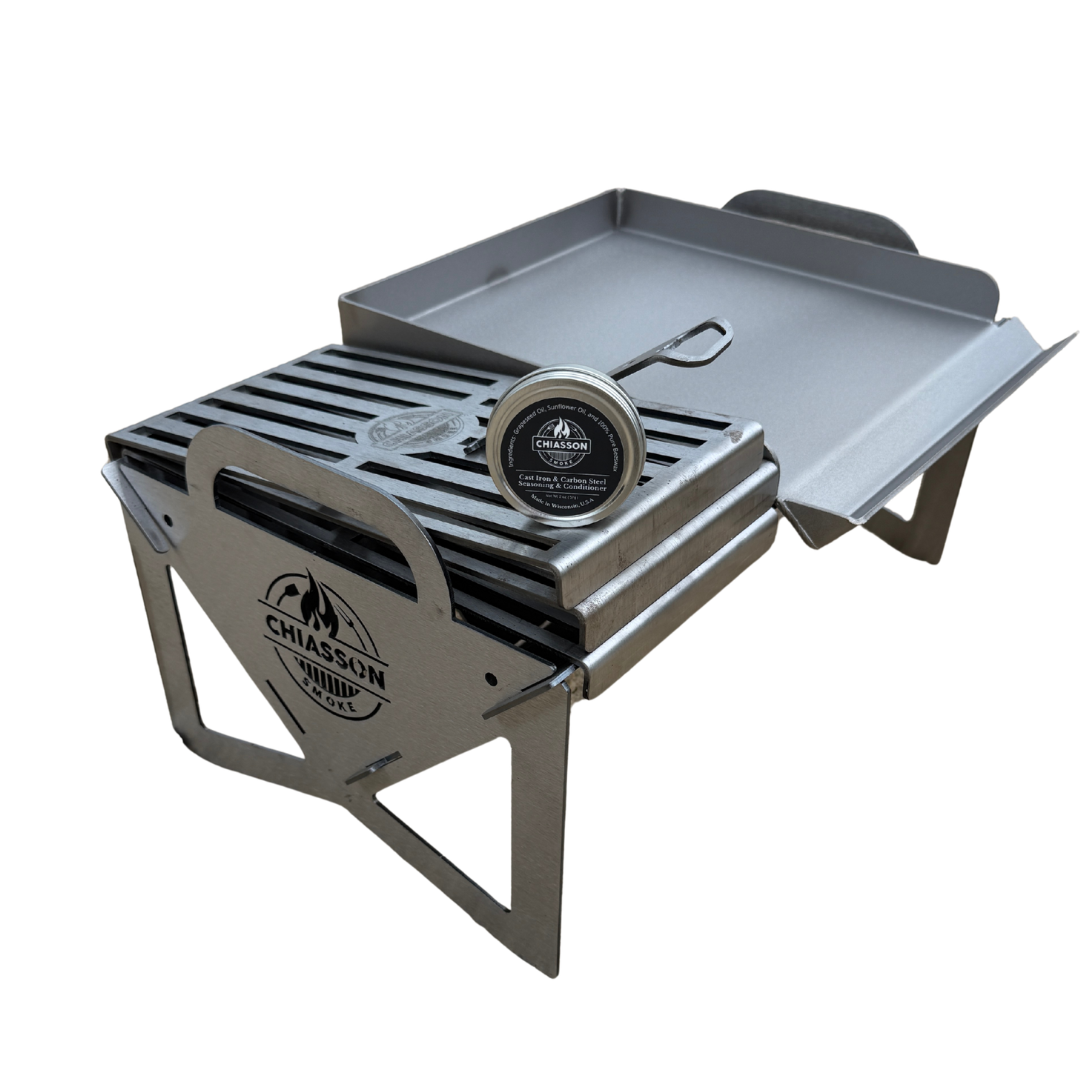
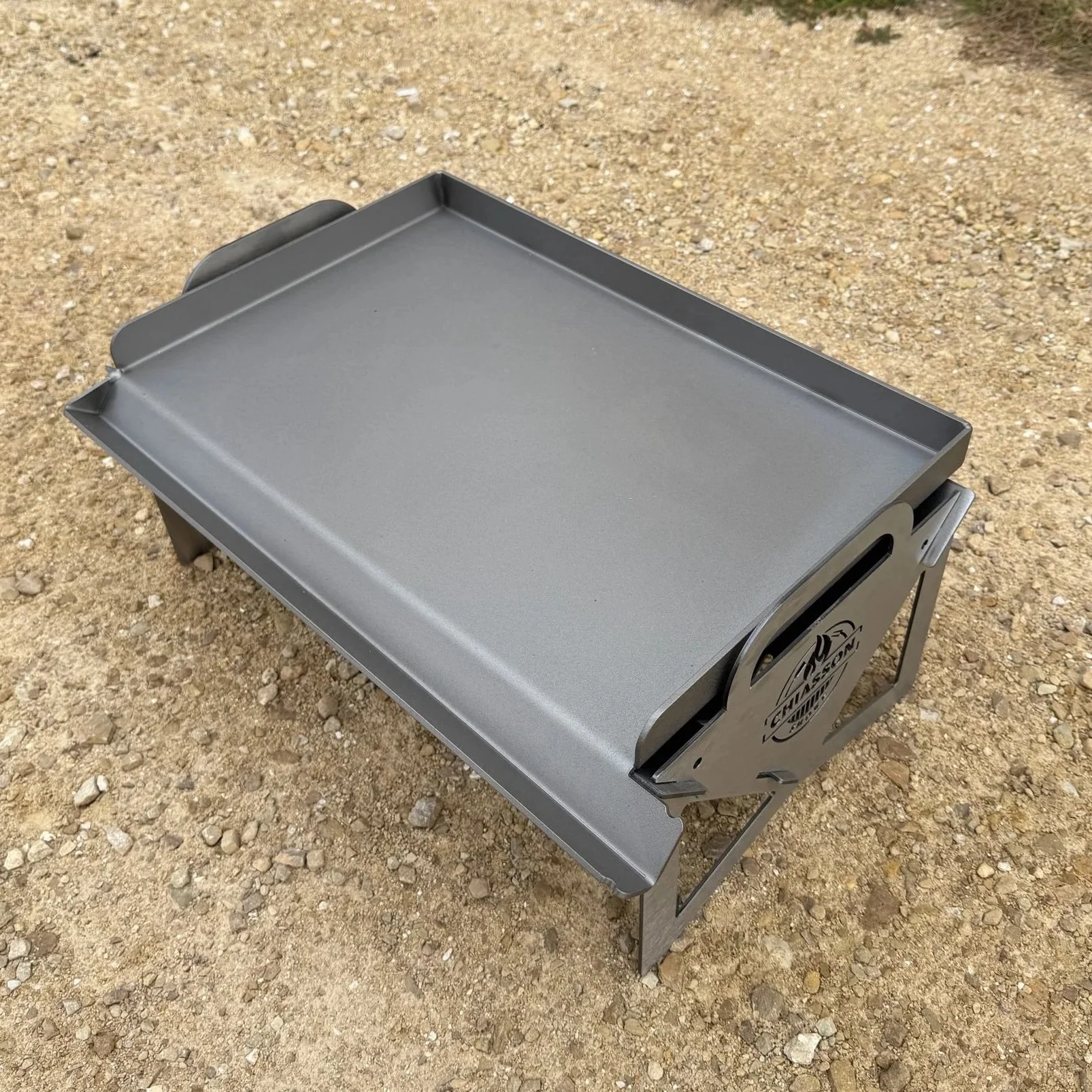
Upgrade your Hauler Grill with this premium 19-inch full-length griddle which is built for serious outdoor cooking. Designed to stretch the entire width of your Hauler, this griddle delivers maximum cooking surface and unmatched durability.
Key Features:
10-Gauge Carbon Steel Construction
Crafted from heavy-duty carbon steel for superior heat retention and even cooking. Built to last a lifetime.Sandblasted & Ready to Season
Comes pre-sandblasted, giving you a clean, textured surface that’s ready for your seasoning and long-term seasoning build-up.Integrated Grease Trough
Thoughtful grease management with a front trough to collect drippings and make cleanup simple.Heavy-Duty Quality
Built for rugged use — warp-resistant, sturdy, and perfect for searing, smashing, and high-heat cooking.
This listing is for the full-length griddle only. Turn your Hauler Grill into a flat-top powerhouse, ready for breakfast spreads, smash burgers, stir-fries, and more.
What You Should Avoid
Cleaning your griddle or grill is just as much about what you do not do.
Avoid pouring cold water onto a scorching hot griddle. Sudden temperature changes can stress the metal.
Avoid steel wool unless your manufacturer specifically recommends it.
Avoid harsh chemical cleaners that can damage the cooking surface.
Avoid leaving water sitting on the griddle after cleaning.
Avoid storing the griddle while it is still damp.
Finally, avoid letting food build up over several cooking sessions.
A few minutes of cleaning today can save an hour of scrubbing later.
Why You Should Clean Your Griddle Every Time
It is tempting to say, "I'll clean it tomorrow."
That sounds harmless until tomorrow becomes next week.
Grease hardens as it cools. Sugary sauces become sticky. Tiny food particles burn onto the surface the next time you cook. Every skipped cleaning makes the next one take longer.
A clean griddle also cooks better.
Food makes better contact with the cooking surface. Heat spreads more evenly. Fresh ingredients are not sitting on top of yesterday's burnt leftovers.
Cleaning after every meal also helps your griddle last longer. Dirt and moisture can slowly damage the cooking surface if they are left sitting for days.
Think of cleaning as the final step of cooking instead of a separate chore.
How Long Does Cleaning Take?
Many first-time griddle owners expect cleaning to take forever.
It usually does not.
If you clean after every meal, the entire process often takes five to ten minutes.
That is about the same amount of time it takes to wash a few dinner plates.
The longer you wait, the longer cleaning takes.
Fresh grease wipes away easily.
Week-old grease does not.
Consistency is the real secret.
A Few Extra Tips
If you cook foods with sugary sauces, clean the griddle while the residue is still warm. Sugar becomes much harder to remove once it cools.
Empty the grease cup regularly so it does not overflow during your next cook.
Use fresh paper towels whenever they become saturated with grease.
If you cook outdoors, make sure the griddle is completely dry before covering it. Trapping moisture under a cover can encourage rust.
Finally, inspect your griddle every few cooking sessions. If you notice dry spots in the seasoning, simply apply another light coat of oil after cleaning.
Small maintenance jobs are always easier than large repairs.
A Clean Griddle Makes Every Meal Better
A griddle is built to handle years of cooking, but it still needs a little care after every meal.
Fortunately, that care is simple.
Wait until the surface has cooled slightly. Scrape away leftover food. Loosen grease with hot water. Wipe everything clean. Dry the surface completely. Finish with a light coat of oil.
That routine quickly becomes second nature.
The reward is a griddle that heats evenly, releases food more easily, cleans up faster, and stays in excellent condition for years.
The next time you cook your favorite griddle recipe, breakfast is finished or the last burger comes off the grill, spend a few extra minutes caring for your griddle.
Your future self, and your next great meal, will thank you.

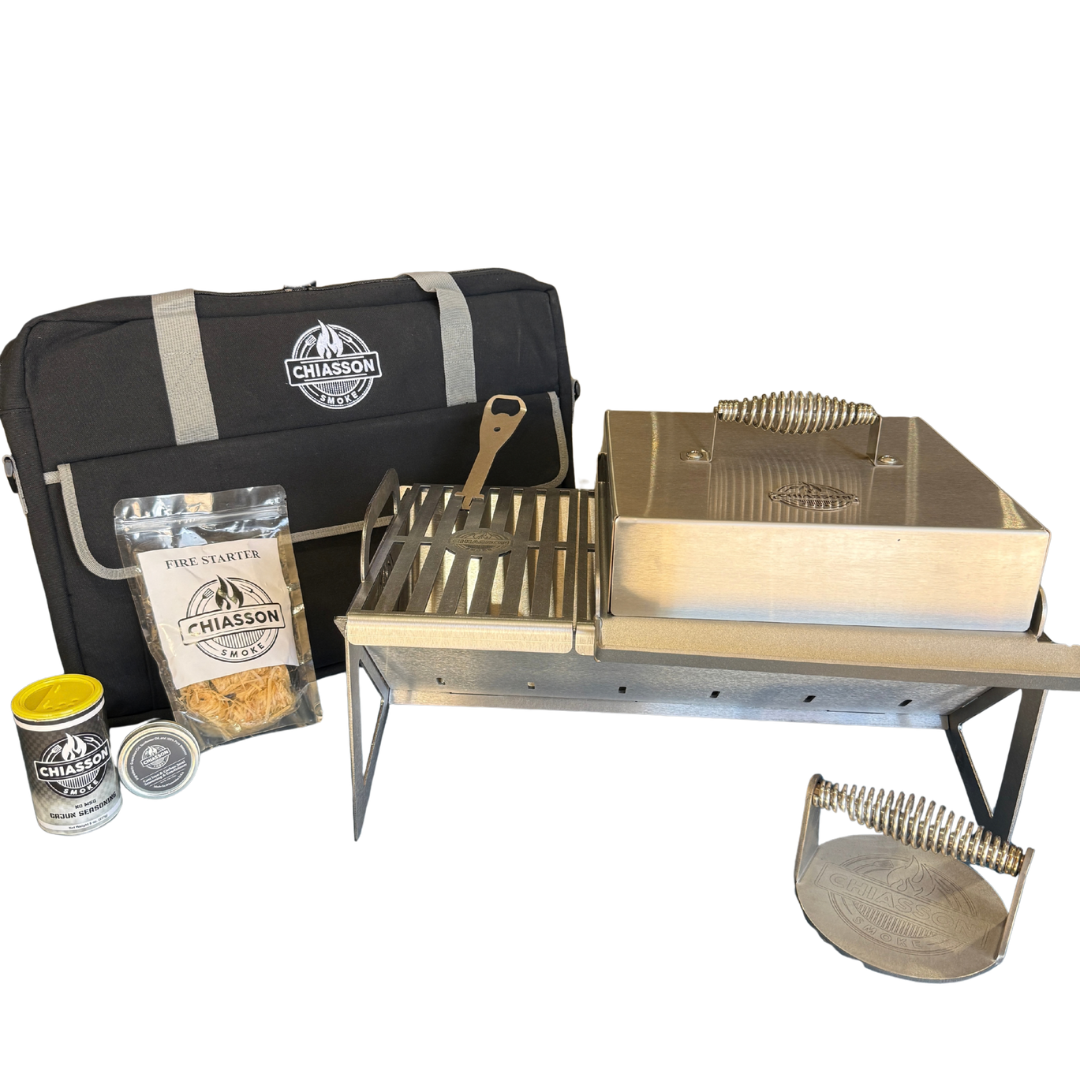
The Hauler Grill was made for people who love cooking outside but don’t want to haul around a big, bulky grill.
Its simple design packs down flat, and when you’re ready to cook, it goes together quickly with no tools needed.
Want even more ways to cook? Add one of our griddle options and make breakfast, smash burgers, fajitas, fried rice, and plenty more.