
10 Mistakes First-Time Campers Make
(And How to Avoid Them)
Introduction
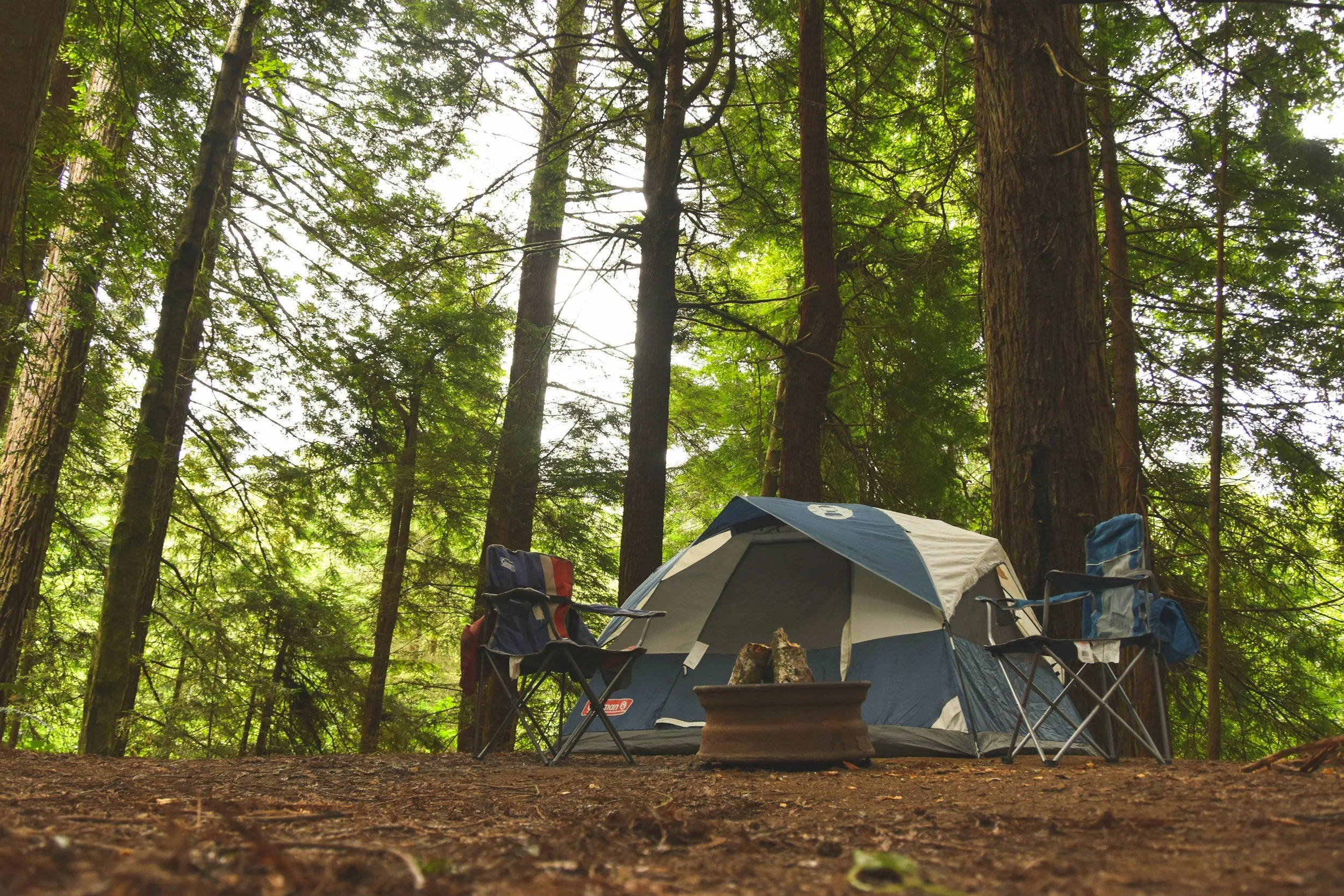
Camping sounds simple: pack a bag, grab a tent, and head into the great outdoors. But anyone who has actually done it knows there’s a big difference between imagining a peaceful night under the stars and actually making it happen. First-time campers often learn things the hard way… Usually in the dark, usually during a surprise rainstorm, and usually while trying to light a stubborn fire.
The good news? Most common camping mistakes are easy to avoid once you know what to expect. This guide will walk you through the biggest beginner slip-ups and how to dodge them like a pro.
Not Testing Gear Before the Trip
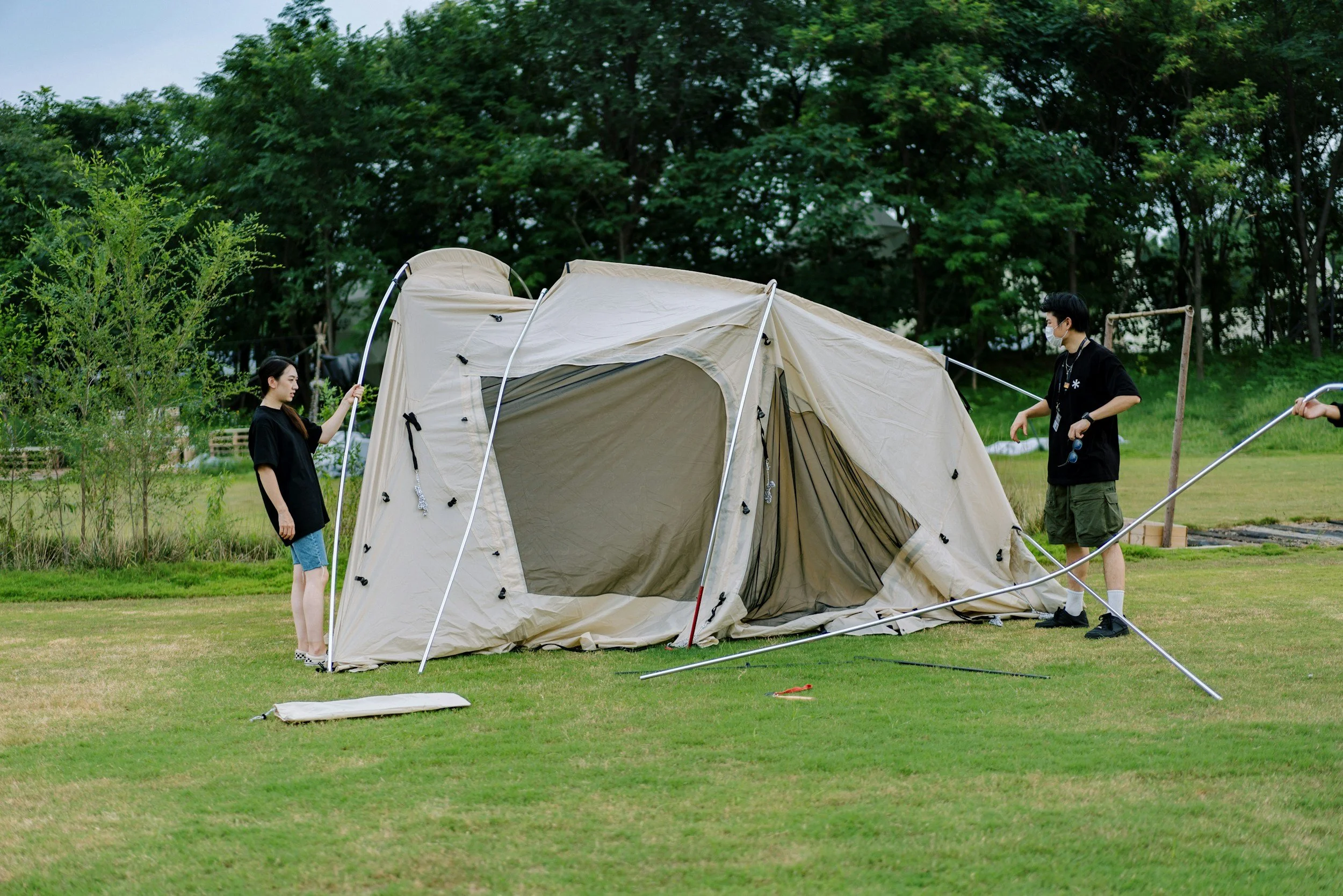
A tent seems easy to set up—until you’re doing it for the first time while daylight disappears. Many beginners show up at their campsite with brand-new gear still in the box. They assume they’ll figure it out once they get there, and that’s exactly when things go wrong.
Before your trip, practice setting up your tent in your backyard or living room. Check your stove, lanterns, sleeping pad, and anything else that has moving parts. Make sure nothing is missing, broken, or harder to use than you expected. This simple step can save you from frustration and cold sandwiches.
Packing Too Much or Too Little
New campers often choose one extreme: packing half their house “just in case,” or packing way too lightly because they don’t want to carry extra weight. Both choices can make the trip harder than it needs to be.
The trick is balance. Bring the essentials– you’ll need a tent, sleeping gear, food, water, tools for cooking, layers of clothing, a first-aid kit, and weather protection. But you don’t need three full outfits for each day, five books, or a giant cooler for a one-night trip. Think about what you’ll actually use, and stick to that.
Underestimating the Weather

Weather in the outdoors has a mind of its own. A warm afternoon can turn into a chilly night faster than you think. Many first-time campers look at the forecast, see sunshine, and assume they’re safe. Then they end up shivering, soaked, or sunburned.
Always prepare for at least two kinds of weather beyond what’s predicted. Bring rain gear even if the sky looks clear (your gear doesn’t even have to be expensive). Pack warm layers even in summer. The temperature in the woods or mountains can drop sharply after sunset, and staying warm is much easier than warming up later.
Choosing a Poor Campsite
Not all campsites are created equal. Some look perfect… until it rains and you realize you’re in a dip that collects water. Others seem cozy… until you notice you’re right under a widow-maker branch waiting to fall.
To choose the perfect campsite, pick a site that’s flat, dry, and free of overhead hazards. Stay a safe distance from rivers and creeks that might rise overnight. Avoid low spots where water pools. If you’re in a campground, choose a site with enough space and not too close to other campers. A little scouting goes a long way.
Struggling With Campfires
Building a fire looks easy in movies. One spark, a bit of magic, and suddenly there’s a roaring blaze. Real life is different. First-time campers often use logs that are too big, skip the kindling, or forget to check if fires are even allowed.
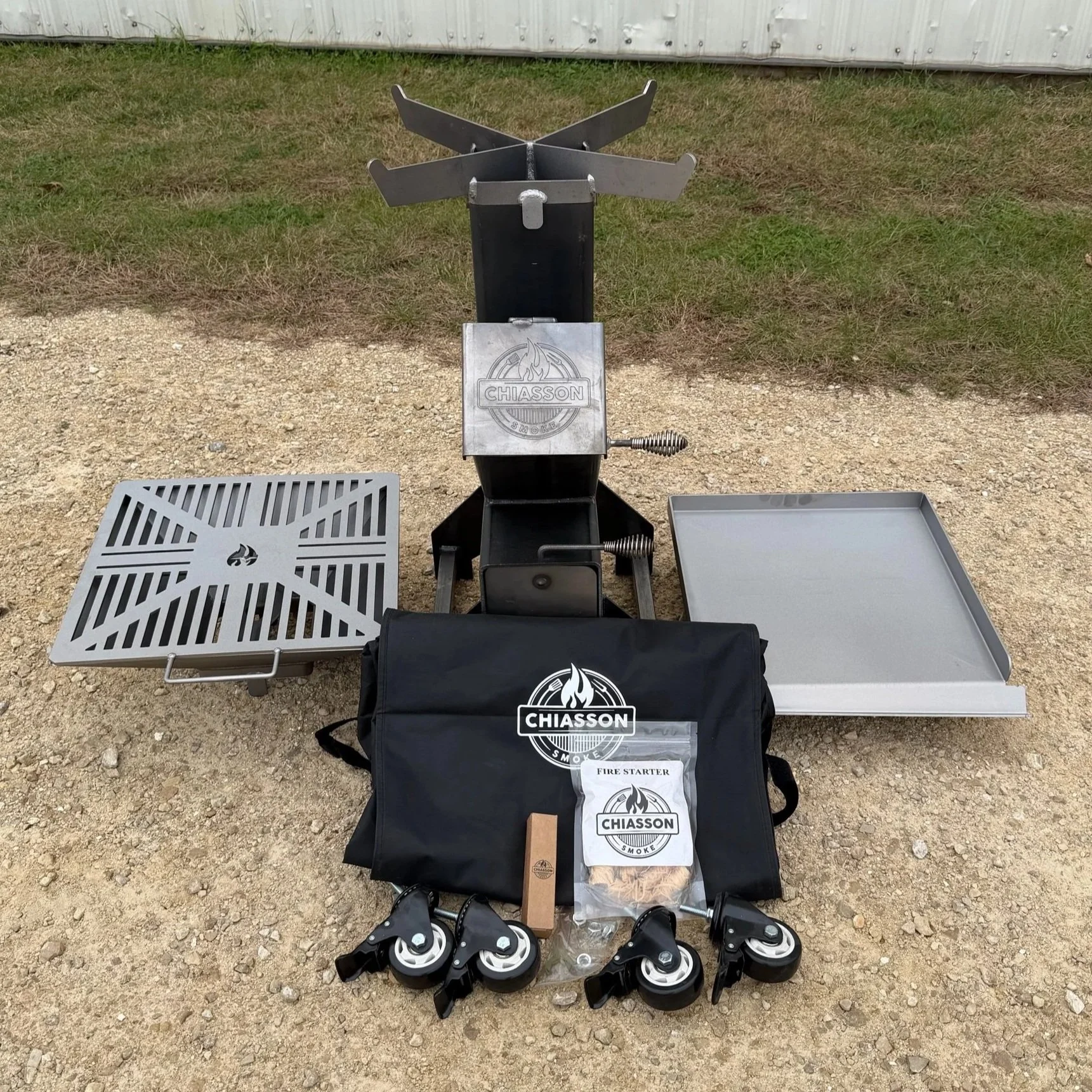
Learn the basics before you go. Use dry wood, start with small pieces, and slowly work your way up to larger logs. Bring a lighter and some fire starters, especially if the wood is damp. Always follow local rules—many places restrict fires during dry seasons. And when you’re done, put the fire out completely. Cold ashes should feel as harmless as dirt.
See Also: Fire Starters Crash Course


Forgetting About Food Safety
When you’re excited about camping, it’s easy to throw snacks and ingredients into a bag without thinking about wildlife or spoilage. But animals have amazing noses, and a raccoon or squirrel can ruin your dinner in minutes. Worse, careless food storage can attract larger animals you definitely don’t want visiting.
Store food in sealed containers. Keep it locked in your car, a bear box, or a hanging bag when you’re not cooking. Clean up spills right away, and never leave leftovers lying around. Your campsite should smell like a forest, not a buffet table.
Wearing the Wrong Clothing
Camping is not the time for jeans, heavy cotton, or brand-new boots that haven’t been broken in. Cotton stays wet forever, which makes you cold. Stiff shoes cause blisters. And flimsy clothes won’t protect you from branches, bugs, or unexpected weather.
Choose layers that breathe, dry quickly, and keep you comfortable. Break in your shoes ahead of time. Bring socks—good ones—and more than one pair. Your future feet will thank you.
Not Planning Meals
Some beginners assume they’ll “figure out food once we get there.” But meal planning in nature is completely different from cooking at home. If you forget a main ingredient or don’t plan enough meals, there’s no grocery store around the corner to save you.
Make a simple menu for each day. Choose meals that are easy to cook outdoors and don’t require tons of ingredients. Prep as much as possible at home—chop veggies, season meat, and pack ingredients into labeled bags or containers. The easier it is to cook, the more enjoyable your trip will be.
Ignoring Basic Safety
Many first-time campers underestimate how important safety is. They roam too far from camp without telling anyone. They forget their first-aid kit. They drink from streams without filtering the water. They treat nature like a playground instead of a place where you must stay aware.
Stay alert. Know where you’re hiking. Learn the basics of water purification. Keep a first-aid kit close by. Tell someone your travel plan before you leave home. Safety doesn’t have to be complicated—it just needs to be consistent.
Expecting Everything to Be Perfect
This is the biggest mistake of all. New campers sometimes imagine a flawless trip: no bugs, no wind, no rain, and everything going exactly as planned. When things go sideways—and they always do—they feel disappointed or overwhelmed.
Camping is about adventure, not perfection. You might burn dinner, forget something small, or spend the night listening to a loud owl. But those moments often become the stories you laugh about later. The surprises are part of what makes camping feel real and exciting.

Conclusion
Camping for the first time is a mix of wonder and challenge. It teaches you how to slow down, pay attention, and make do with what you have. Mistakes happen, but each one helps you become a better camper. With the right preparation and a little patience, your first trip can be the start of many more.
The key is simple: respect nature, plan ahead, and keep your sense of humor handy. If you do that, you’ll discover that the outdoors has a way of welcoming anyone who comes with curiosity and care.
