
BBQ All Over the World
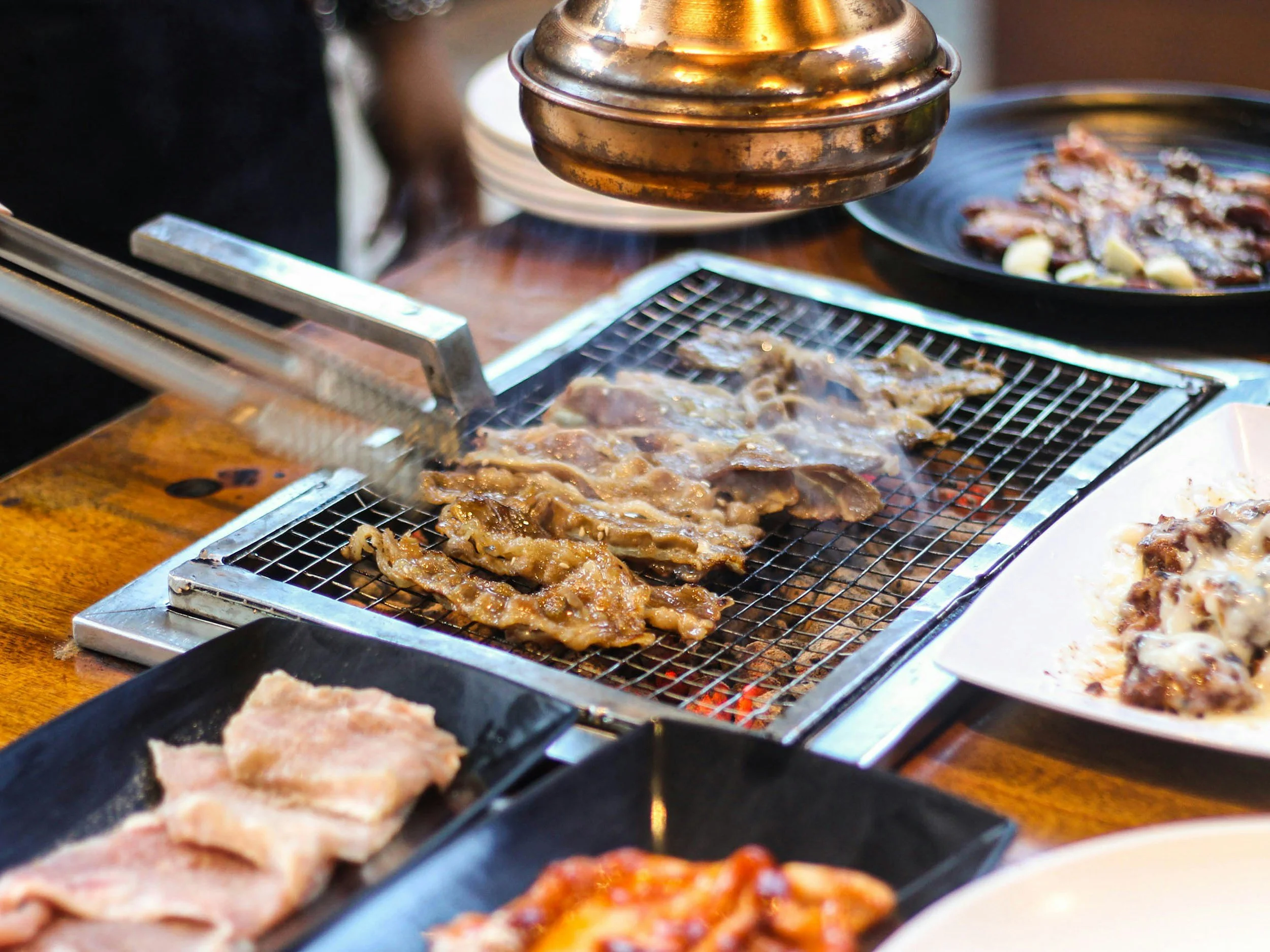
Barbecue has a familiar feeling no matter where you are. Fire, food, smoke, and people gathering around to eat. The tools change. The flavors change. The stories change. But the heart of barbecue stays the same. Humans have cooked meat over fire for as long as humans have existed.
In our near-decade of experience in the grilling and outdoor cooking industry, we’ve worked with thousands of enthusiasts who rave about their passion for barbecue.
Around the world, barbecue is not just a way to cook. It is a celebration, a tradition, and sometimes even a symbol of national pride. From slow smoked meats to fast grilled bites, every continent has its own take on cooking with fire. Let us take a trip around the globe and see how barbecue shows up in different cultures, one continent at a time.
North America: Barbecue as Identity
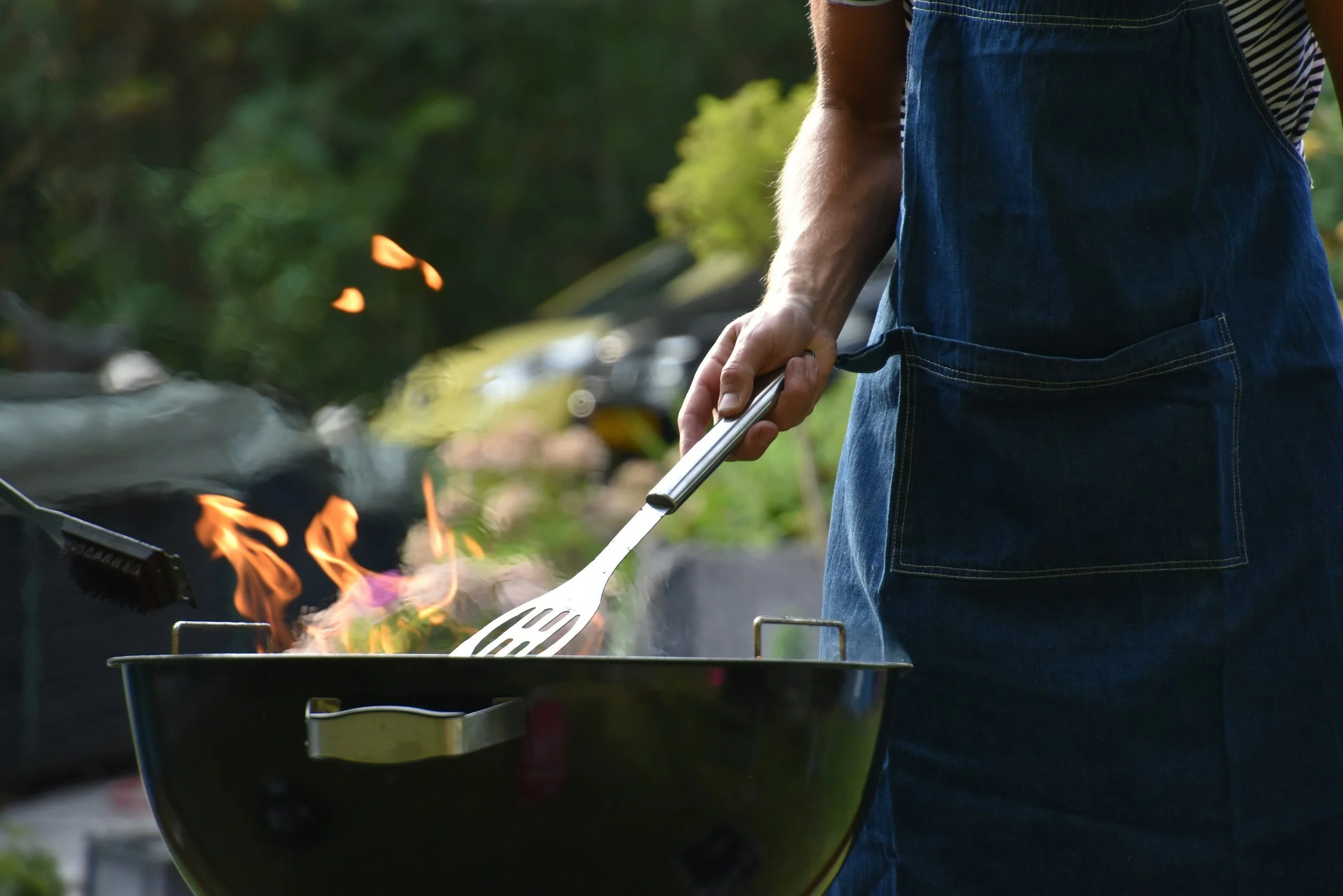
In the United States, barbecue is serious business. It is not just food. It is a point of identity. Different regions do barbecue in very different ways, and people will happily argue about which style is best.
In the southern United States, barbecue often means cooking meat low and slow over wood or charcoal. Pork is king in many places, especially in North Carolina, where whole hog barbecue has deep roots. The meat is smoked for many hours and chopped or pulled, then seasoned with a vinegar based sauce that cuts through the richness.
Texas barbecue tells a different story. Beef takes center stage, especially brisket.
In Kansas City, barbecue is known for its thick, sweet tomato based sauce and a wide variety of meats, from ribs to burnt ends. Memphis is famous for dry rubbed ribs, where spices matter more than sauce.
Canada also has a strong grilling culture, especially in the warmer months. While it may not have a single defining barbecue style, Canadians love backyard grilling, often featuring burgers, sausages, and cedar plank salmon, especially in coastal areas.
Across North America, barbecue is tied to gatherings. Family reunions, holidays, competitions, and weekends all revolve around the grill or smoker. It is food meant to be shared.
At our family-owned shop, we’re always finding excuses to whip out the grill or start a barbecue for the team. We’ve even experimented with new ways of cooking with pellets on our rocket stoves!
South America: Fire and Tradition
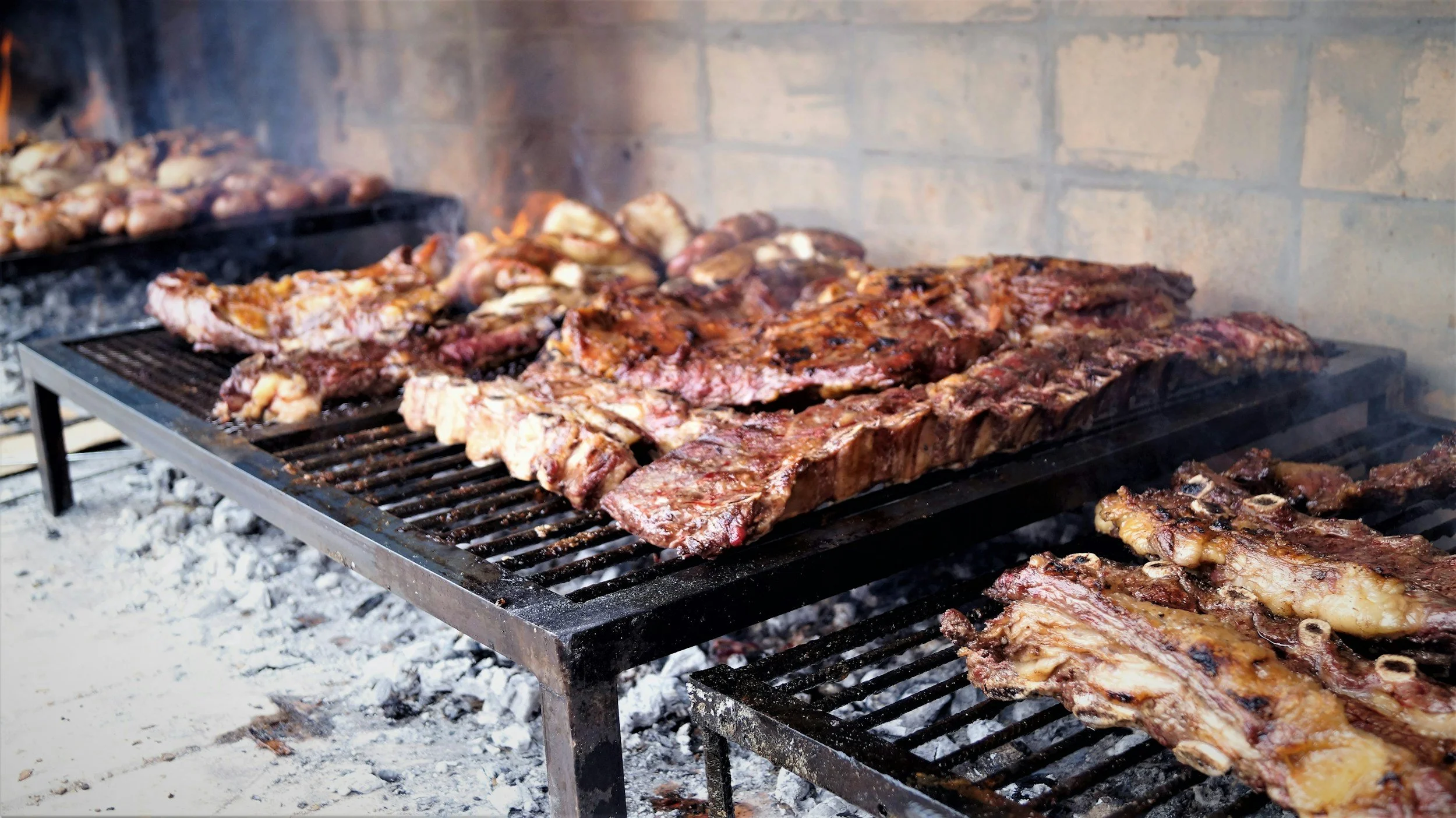
South America is home to some of the most fire focused barbecue traditions in the world. In many places, grilling is less about sauce and more about meat quality and technique.
In Argentina, barbecue is called asado, and it is a national tradition. Asado is usually cooked over a wood fire or hot coals, often using a metal grill called a parrilla. Beef is the star, especially ribs, flank steak, and sausages like chorizo. The meat is seasoned lightly, sometimes only with salt, and cooked slowly over indirect heat.
Asado is not rushed. It can take hours, and the process is just as important as the meal. Friends and family gather, talk, and drink while the grill master tends the fire. A simple sauce called chimichurri, made with herbs, garlic, oil, and vinegar, is often served on the side.
Brazil has its own famous barbecue tradition known as churrasco. Large cuts of meat are skewered and cooked over open flames. At restaurants called churrascarias, servers bring the meat directly to the table and slice it fresh. Beef, pork, chicken, and even pineapple are commonly grilled this way.
Churrasco has even become globally recognized through the spread of Brazilian steakhouses. As award-winning journalist Rafael Tonon notes, a famous Brazilian steakhouse chain called Fogo de Chão “introduced Americans to a new way to eat meat,” helping transform churrasco from a regional tradition into an international dining phenomenon.
In other parts of South America, like Chile and Uruguay, grilling over wood or charcoal is also common, with local twists and favorite cuts. Fire cooking is deeply woven into daily life and celebrations across the continent.

Europe: Old Roots, New Flames
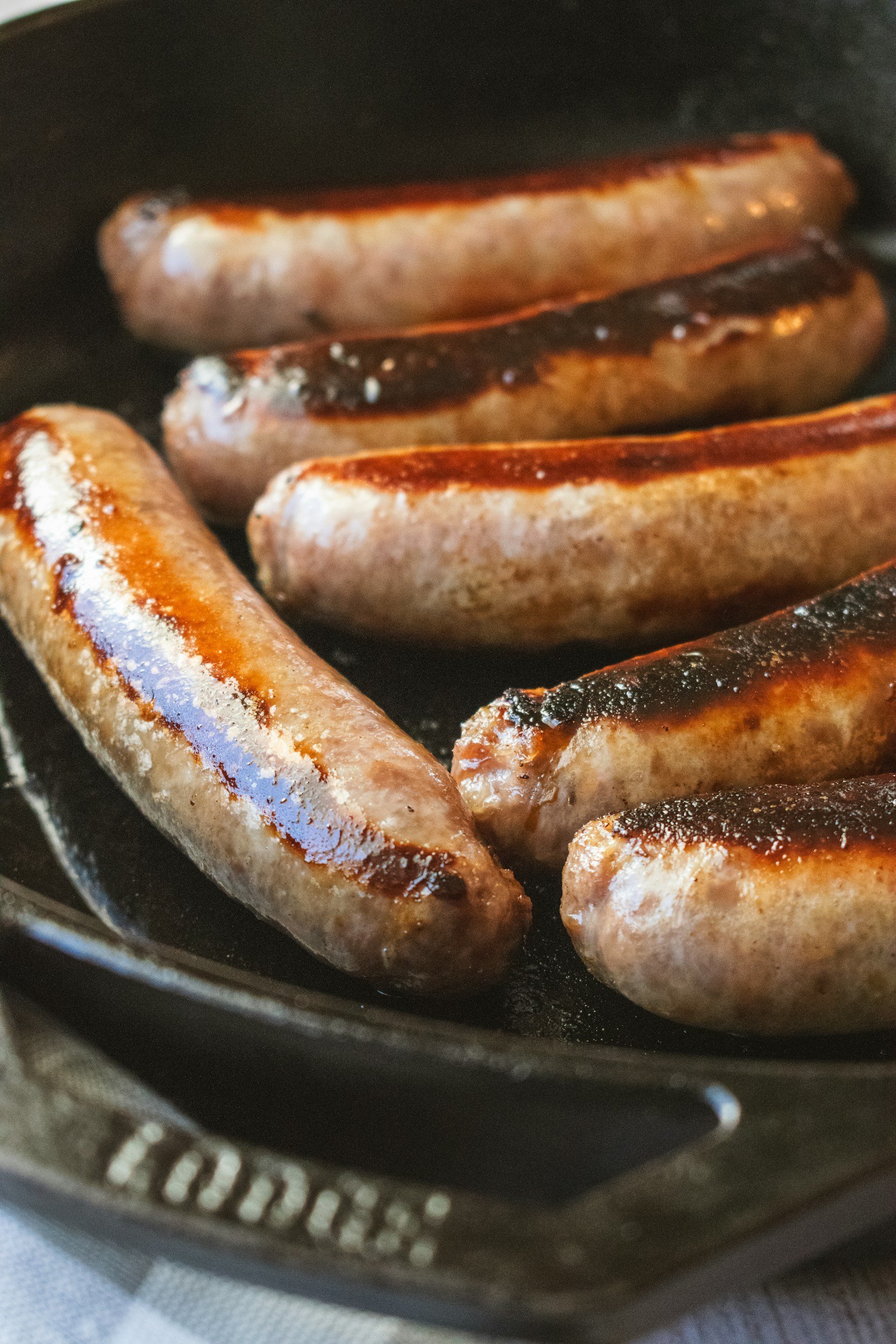
Europe has a long history of cooking over fire, though the word barbecue is not always used. Many traditional dishes across the continent rely on grilling, roasting, and smoking.
In Germany, grilling is extremely popular, especially in the summer. Sausages are the stars of the grill, including bratwurst and other regional varieties. Germans often grill over charcoal and keep things simple, focusing on quality meat and bread, with mustard and sauerkraut on the side.
Southern Europe brings more ancient traditions. In Spain, grilling over wood or charcoal is common, especially for seafood along the coast. In the Basque region, grilling whole fish or thick steaks over open flames is an art form. Olive oil, salt, and fire do most of the work.
In Eastern Europe, smoking meats has a long history. Countries like Poland and Hungary are known for smoked sausages and meats, which are often cooked using techniques passed down for generations.
European barbecue often blends old world methods with modern backyard grilling, creating a mix of tradition and casual fun.

Africa: Smoke, Spice, and Street Food
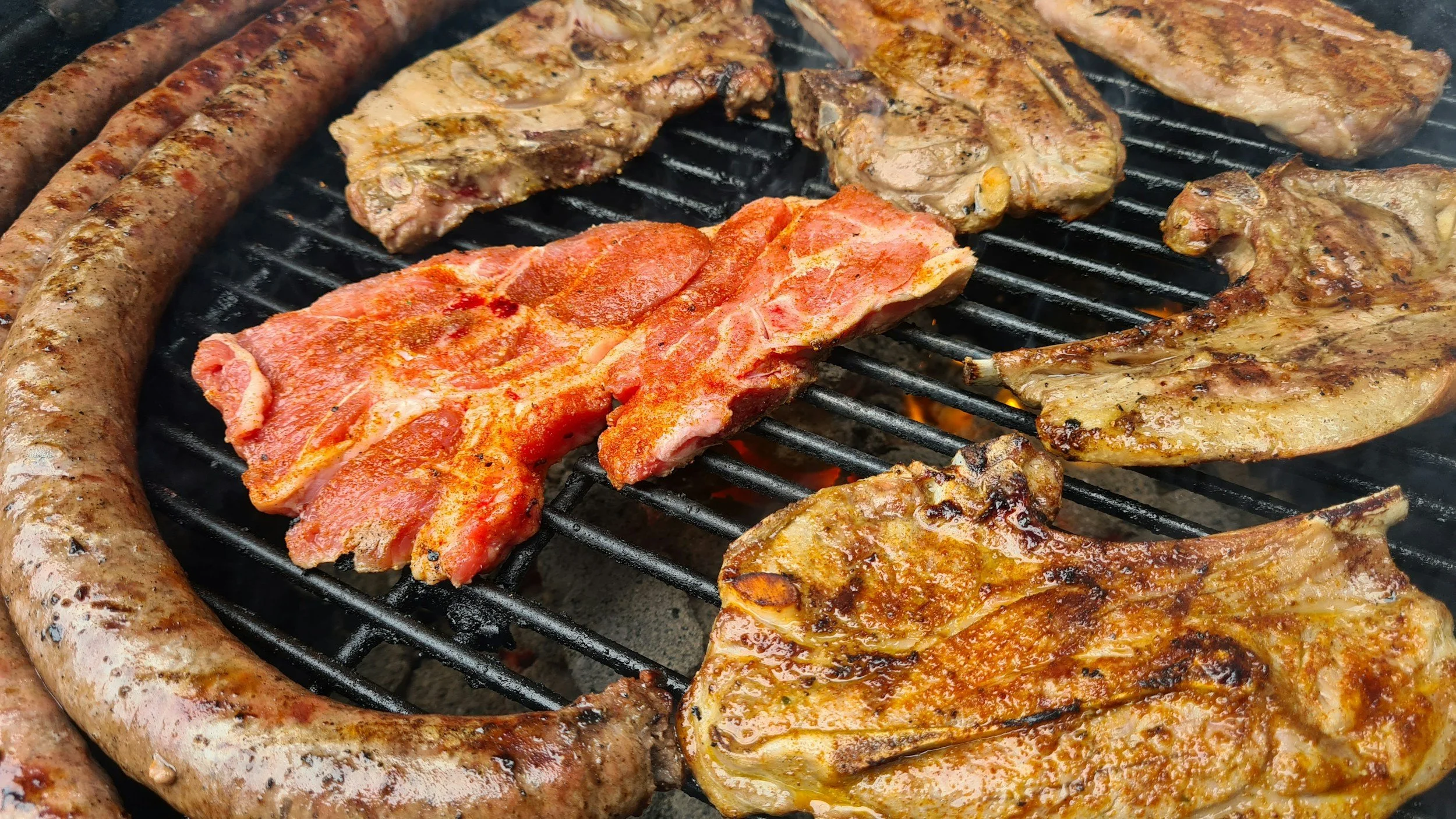
Barbecue in Africa is rich, flavorful, and deeply tied to local ingredients and street food culture. Cooking over fire has always been central to many African cuisines.
In South Africa, barbecue is known as braai, and it’s huge. The running joke is that South Africans will make any excuse to start a braai– it’s just that good! Yet Braai is more than cooking meat. It is a social gathering that brings people together. Beef, lamb, chicken, and sausages called boerewors are grilled over wood fires. Marinades and spice blends vary, but the focus is on bold flavors and shared experience.
In Nigeria, suya is one of the most famous grilled foods. Suya is skewered meat, usually beef or chicken, coated in a spicy peanut based seasoning and grilled over open flames. It is commonly sold by street vendors and eaten hot, often wrapped in paper, with onions and tomatoes on the side.
In East Africa, countries like Kenya and Tanzania are known for nyama choma, which means roasted meat. Goat is especially popular, grilled over charcoal and served with simple sides. The emphasis is on the meat itself and the joy of eating together.
Across Africa, barbecue often happens outdoors, over real fire, and in public spaces. It is accessible, communal, and full of flavor.
Asia: Ancient Techniques and Bold Flavors
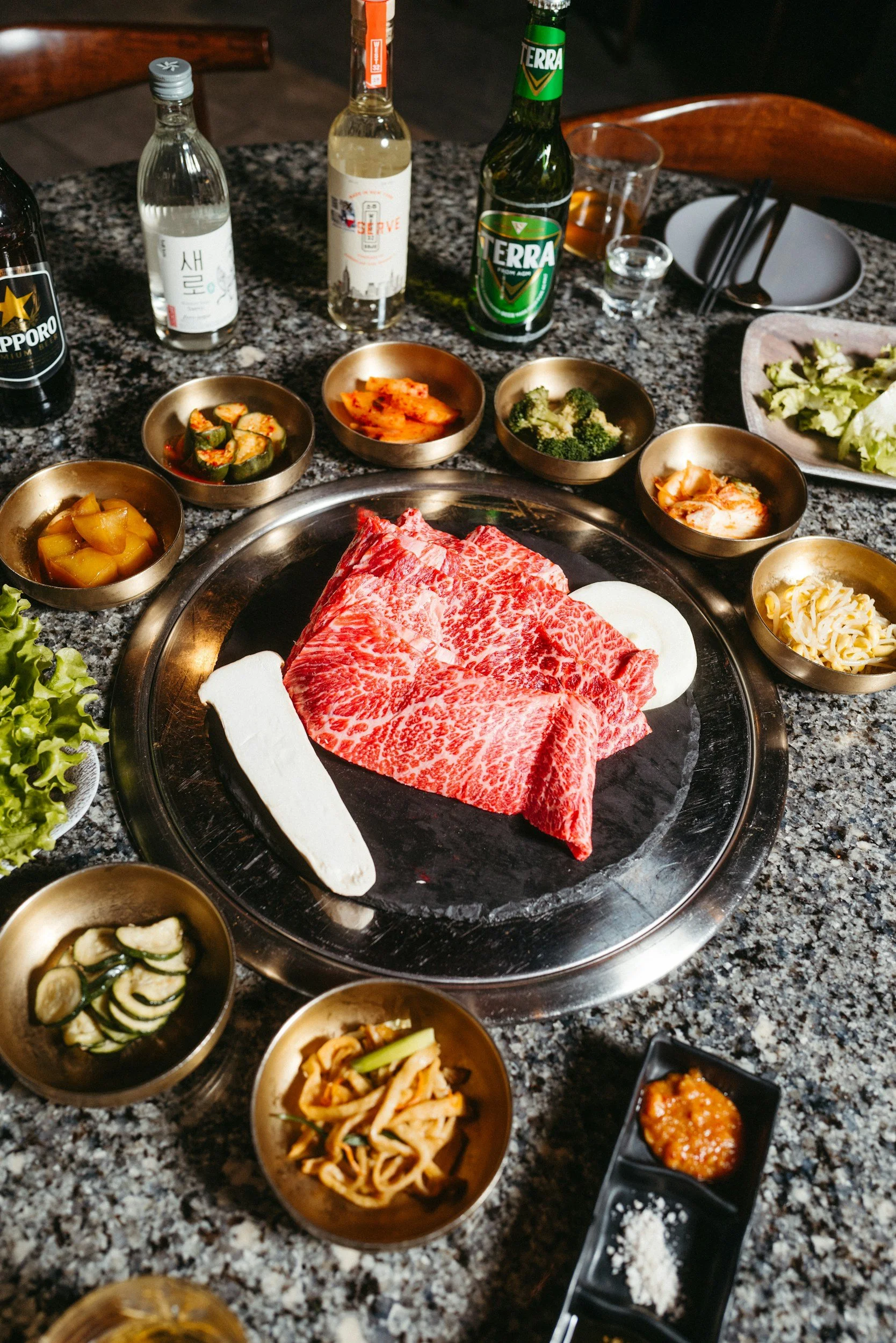
Asia is home to some of the most diverse barbecue traditions in the world, shaped by thousands of years of cooking history.
Korean Barbecue: Cooking Together
Korean barbecue is famous worldwide, and for good reason. It turns the act of cooking into part of the meal. At many Korean barbecue restaurants, diners grill meat themselves at the table using built in grills.
Thin slices of beef, pork, or chicken are marinated or lightly seasoned and cooked quickly over high heat. Popular cuts include bulgogi, which is marinated beef, and samgyeopsal, which is thick sliced pork belly. The meat is often wrapped in lettuce leaves and eaten with rice, garlic, chili paste, and fermented side dishes called banchan.
Korean barbecue traces its roots back nearly 2,000 years. According to historical records, maekjeok– skewered and grilled meat from the Goguryeo kingdom–represents the earliest known form of Korean barbecue, dating to between 37 BCE and 668 CE.
This style of barbecue is fast, interactive, and social. It reflects the Korean emphasis on shared meals and balance of flavors.
Chinese Barbecue: From Street to Feast
Chinese barbecue has many forms, depending on the region. One of the most well known styles is char siu, a Cantonese barbecue pork. The meat is marinated in a mixture that often includes soy sauce, sugar, honey, and fermented bean paste, then roasted until it develops a shiny red glaze.
In many Chinese cities, barbecue is also street food. Skewers of lamb, beef, chicken, or seafood are grilled over charcoal, especially in northern regions. These skewers are often seasoned with cumin, chili, and garlic, reflecting influences from Central Asia.
Roast duck and roast pork, cooked in special ovens, are also part of the broader Chinese barbecue tradition, showing how fire cooking has been refined and adapted over centuries.
Other Asian Traditions
In Japan, yakitori features small skewers of chicken grilled over charcoal, seasoned simply with salt or a sweet soy based sauce. In Southeast Asia, countries like Indonesia and Thailand are known for satay, marinated meat skewers grilled over fire and served with rich sauces.
Asian barbecue often balances smoke, sweetness, spice, and umami, creating complex flavors with simple tools.



Why Barbecue Connects Us All
Barbecue looks different depending on where you are, but certain themes repeat everywhere. Fire is central. Time matters. People gather. Stories are shared.
Some cultures focus on slow cooking and smoke. Others prefer fast grilling and bold spices. Some barbecue is quiet and patient. Other styles are loud, social, and full of movement. None of these approaches are better than the others. They are simply reflections of history, geography, and culture.
At its core, barbecue is about more than food. It is about connection. It is about taking raw ingredients and turning them into something meaningful using heat, care, and time. No matter the continent, barbecue reminds us that cooking over fire is one of the oldest and most human things we do.
And as long as there are people and flames, barbecue will keep bringing the world together, one grill at a time.

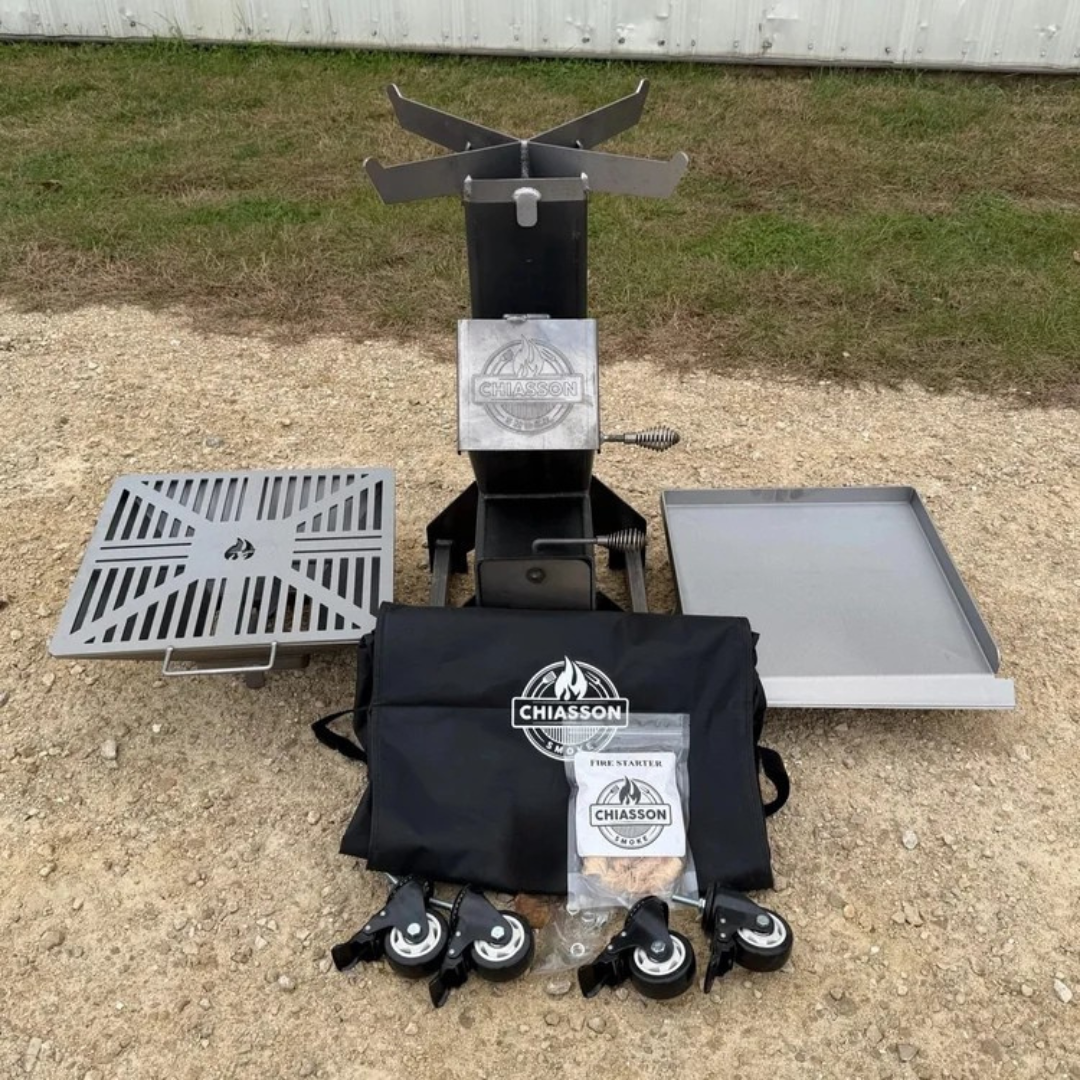
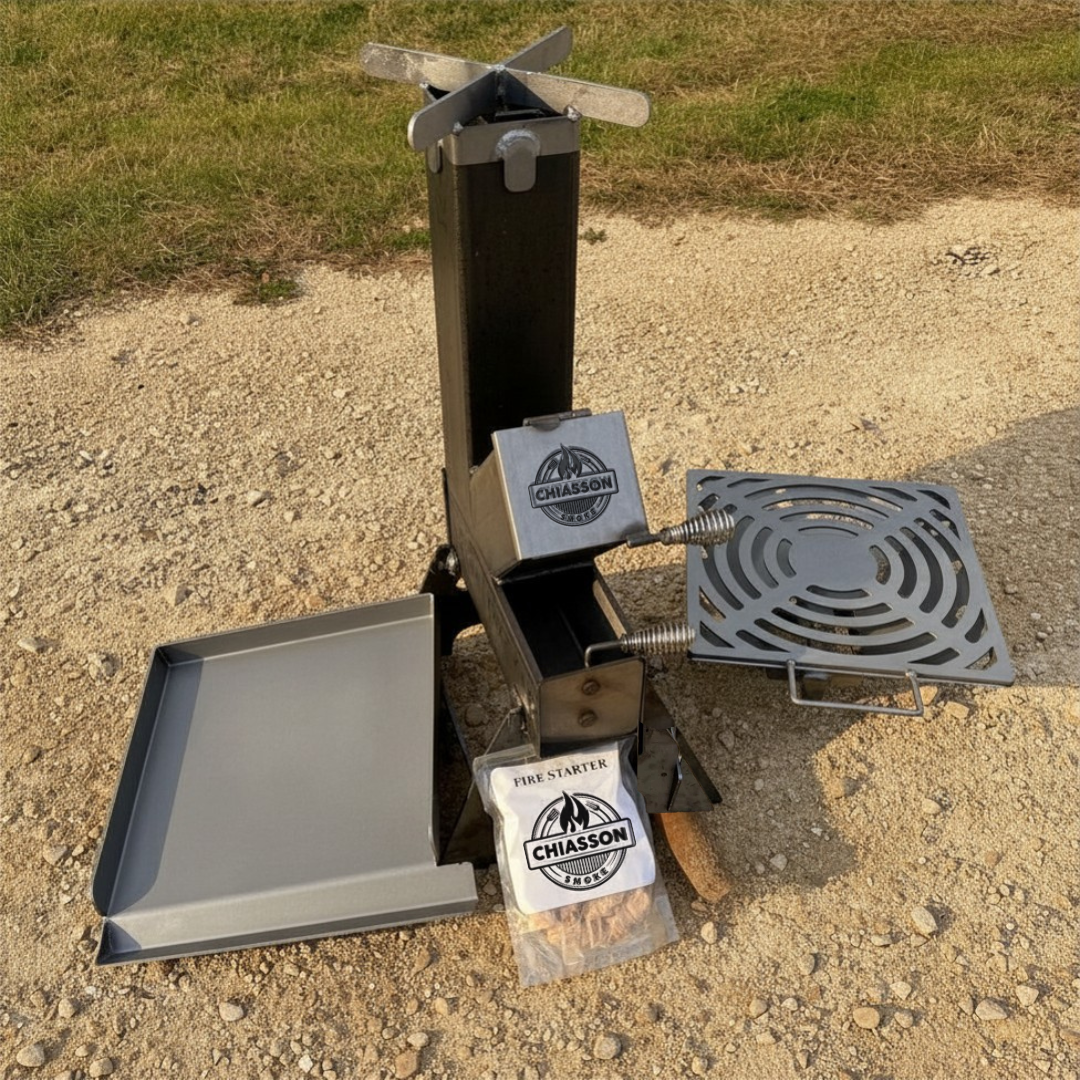
The Hauler Grill was made for people who love cooking outside but don’t want to haul around a big, bulky grill.
Its simple design packs down flat, and when you’re ready to cook, it goes together quickly with no tools needed.
Want even more ways to cook? Add one of our griddle options and make breakfast, smash burgers, fajitas, fried rice, and plenty more.