
Things You Should Never Burn in Your Fire Pit

When the weather warms up, sitting around a fire pit is one of life’s simple joys. But before you toss just anything into the flames, let’s talk about safety. There are things that you absolutely should not burn in your fire pit. Some items release harmful chemicals or create dangerous situations when burned, and avoiding them will keep your backyard gathering safe and enjoyable.
Burning the wrong items doesn’t just pollute the air—it leaves behind toxic ash. Campfires made with untreated wood produce mostly harmless ash, but when you burn garbage, plastics, or treated materials, the leftover ash can contain harmful chemicals. This residue can leach into soil and water, causing long-term environmental damage.
We’ve talked before about what to burn in a fire pit. But here we’ll give you the short and sweet version of what to always avoid when you’re trying to enjoy a warm, cozy night outdoors by the fire pit.
Plastic
That empty water bottle or plastic bag might seem harmless, but burning plastic is a big no-no. When it burns, plastic releases harmful chemicals like dioxins, furans, and styrene gas. These substances are bad for your lungs and even worse for the environment. Plus, burning plastic is illegal in many places, so it’s better to recycle or dispose of it properly.
Wooden Pallets
Wooden pallets might look like a cheap fuel source, but they’re often treated with methyl bromide, a chemical that becomes toxic when burned. Even if the pallets aren’t marked with the "MB" label, it’s best to steer clear unless you know for sure they’re untreated. Keep your fire pit safe and chemical-free by avoiding pallets.
See also: Best Easy-to-Use Portable Fire Pit
Furniture
Old wooden furniture might seem like a great option for firewood, but looks can be deceiving. Many pieces of furniture are made from particleboard or MDF (medium-density fiberboard), not solid wood. These materials are held together with adhesives that release toxic chemicals when burned. So, instead of tossing that old chair into the fire, think about proper disposal or recycling.

Poisonous Plants
Poison ivy, poison oak, and poison sumac are troublemakers even when they’re not on fire. These plants contain an oil called urushiol that can cause severe allergic reactions. When burned, the oil turns into a toxic smoke that can irritate your lungs or worse. If you’re gathering wood, double-check what you’re picking up to avoid an unpleasant surprise.
Yard Waste
Burning yard waste might seem convenient, but it’s not ideal. Leaves, grass, and branches can produce excessive smoke and trigger allergies. Instead of turning your fire pit into a smoky mess, consider composting or mulching yard waste.
Glossy Paper and Magazines
Throwing old magazines or junk mail into the fire might seem harmless, but the glossy coating on these materials is often plastic-based. Burning them releases toxic chemicals into the air. The same goes for colored wrapping paper. Instead, recycle these items to keep your fire pit smoke clean and safe.

Accelerants
It can be tempting to speed things up with a little gasoline or lighter fluid, but resist the urge. Accelerants can cause dangerous, unpredictable flames and turn a peaceful evening into an emergency. Give your fire the time it needs to ignite naturally.
See also: Do You Need Lighter Fluid for a Fire Pit?
Cardboard Boxes
Cardboard might feel like an obvious fire starter, but it’s not as safe as you think. The ink on the boxes releases harmful fumes when burned, and cardboard burns quickly and unpredictably. This can lead to flames flaring out of control, especially with a crowd around. Stick to recycling your cardboard instead.
Garbage
Trash should never go into your fire pit. Items like rubber, pressurized cans, batteries, and old paper release harmful toxins and foul odors when burned. Besides ruining the vibe, these pollutants harm the environment and your health. Always dispose of garbage properly.
Softwoods
While wood is generally safe for burning, not all types are equal. Softwoods like pine and spruce contain resins that create thick, dark smoke when burned. This isn’t just unpleasant; it can also irritate your lungs. Choose hardwoods like oak or maple for a cleaner burn.
Rubber and Tires
Rubber products, especially old tires, should never go into a fire pit. Burning rubber produces thick, unpleasant smoke and can release harmful chemicals and fine particles into the air. The EPA specifically lists rubber among materials that should not be burned.
Tires are particularly problematic because they contain a complex mixture of rubber, reinforcing materials, and chemical additives. Once ignited, they can burn intensely and produce heavy smoke that's unsafe for you, your guests, and your neighbors to breathe.
Instead of burning old tires or other rubber products, take them to an appropriate recycling or disposal facility.
Wet or Green Wood
It might seem harmless to toss freshly cut or damp firewood into your fire pit, but wet and green wood makes for a smoky, inefficient fire. Much of the fire's energy is spent evaporating moisture rather than producing heat, resulting in more smoke and a fire that's harder to keep burning.
For a cleaner, hotter fire, use properly seasoned firewood. The EPA recommends wood with a moisture content of 20% or less, which you can easily check with an inexpensive moisture meter.
Store firewood off the ground with the top protected from rain while leaving the sides exposed to airflow. Depending on the type of wood, proper seasoning can take six months or longer.
Plywood, OSB, MDF, and Particleboard
Leftover plywood or particleboard from a home improvement project might look like convenient firewood, but engineered wood products don't belong in your fire pit. Unlike natural firewood, these materials are manufactured using adhesives, resins, and other binders.
When burned, those added materials can release harmful chemicals into the smoke. The EPA specifically advises against burning plywood, particleboard, or other wood containing glue.
That means scraps of plywood, OSB, MDF, particleboard, cabinetry, and similar engineered products should be disposed of or recycled appropriately rather than used as fuel. Stick with clean, dry, untreated natural firewood for your fire pit.
Keep Your Fire Pit Fun and Safe
In addition to knowing what not to burn, also make sure you know how to extinguish your fire pit.
A fire pit is a wonderful way to bring people together, but safety should always come first. Stick to untreated, natural wood and avoid the items listed above. And don’t forget to check out our many other fire pit tips as well! By doing so, you’ll create a cozy, smoke-free experience that’s enjoyable for everyone—and better for the planet too.
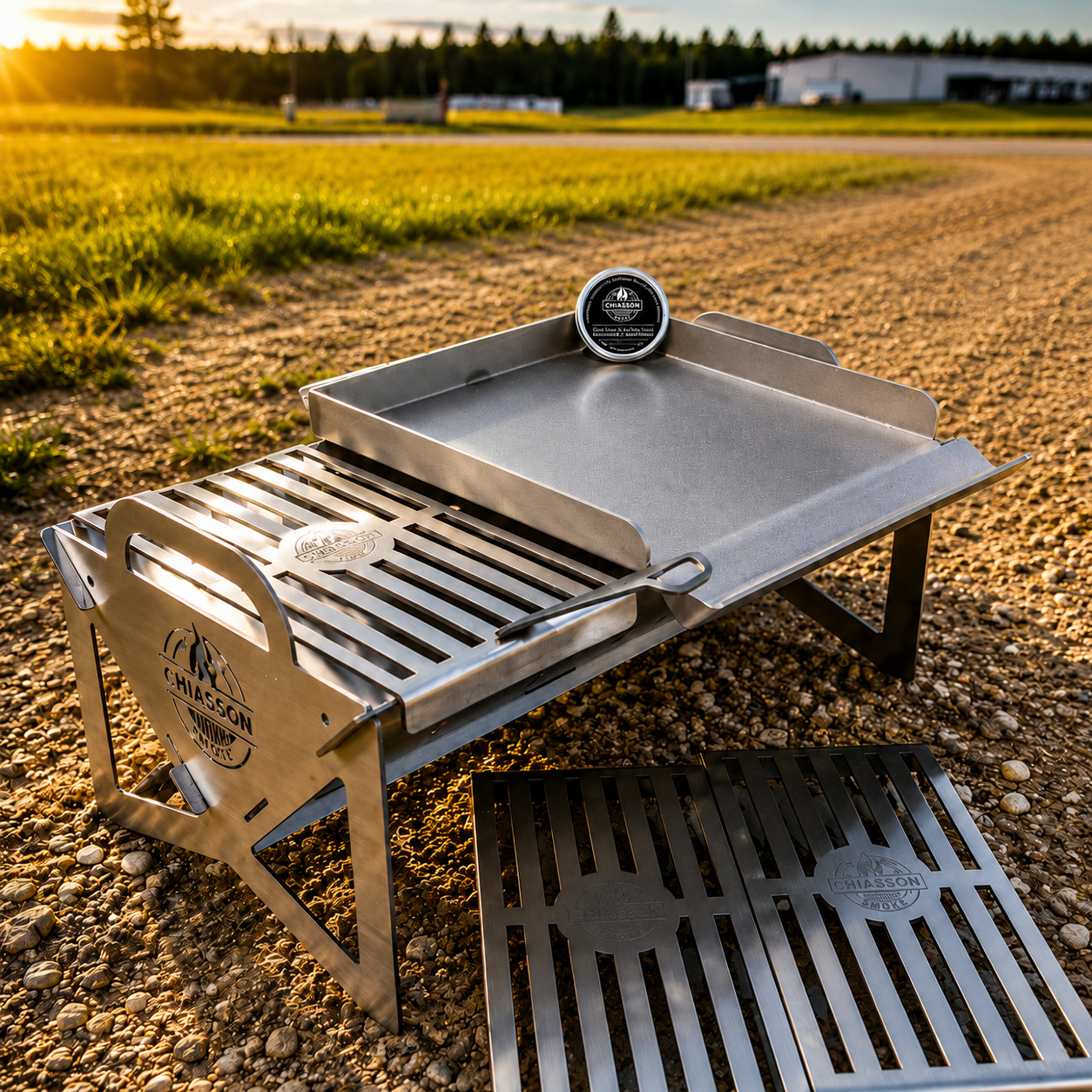
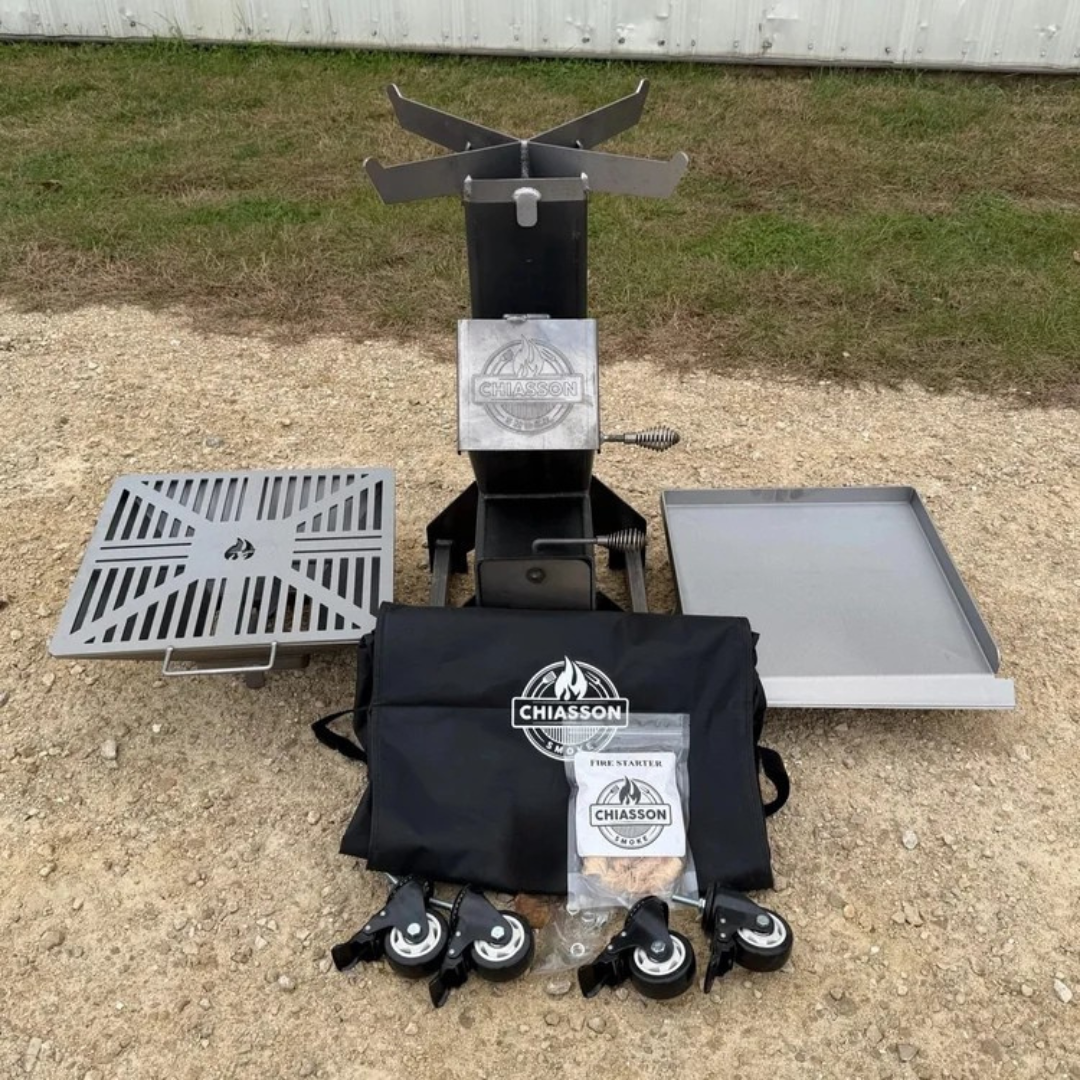
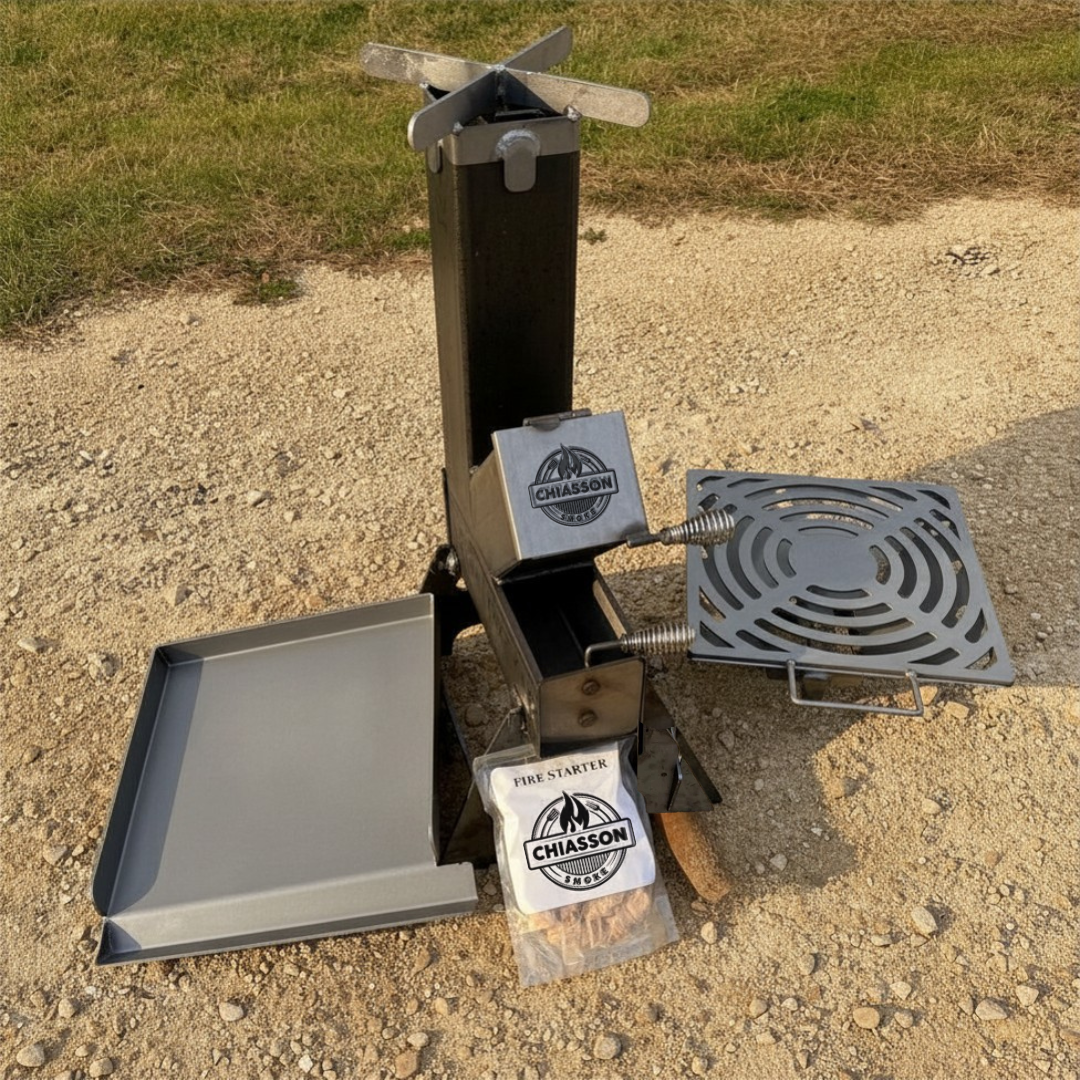
The Hauler Grill was made for people who love cooking outside but don’t want to haul around a big, bulky grill.
Its simple design packs down flat, and when you’re ready to cook, it goes together quickly with no tools needed.
Want even more ways to cook? Add one of our griddle options and make breakfast, smash burgers, fajitas, fried rice, and plenty more.